Pickup Trucks vs SUVs: Key Differences Explained

Pickup Trucks and SUVs can both make sense, but the better choice depends on the job, budget, ecosystem, and tradeoffs you care about. Compare pickup trucks and SUVs for buyers deciding between towing and bed utility, passenger comfort, cargo security, daily drivability, and family practicality.

By: Review Streets Research Lab
Updated: June 19, 2026
Approx. 10-12 min read
Pickup Trucks vs SUVs comparison hero image

Head-to-head

Pickup Trucks vs SUVs

A practical A/B look at pickup trucks and SUVs, focused on towing, cargo type, passenger comfort, daily driving, ownership cost, and which buyer profile each side serves best.

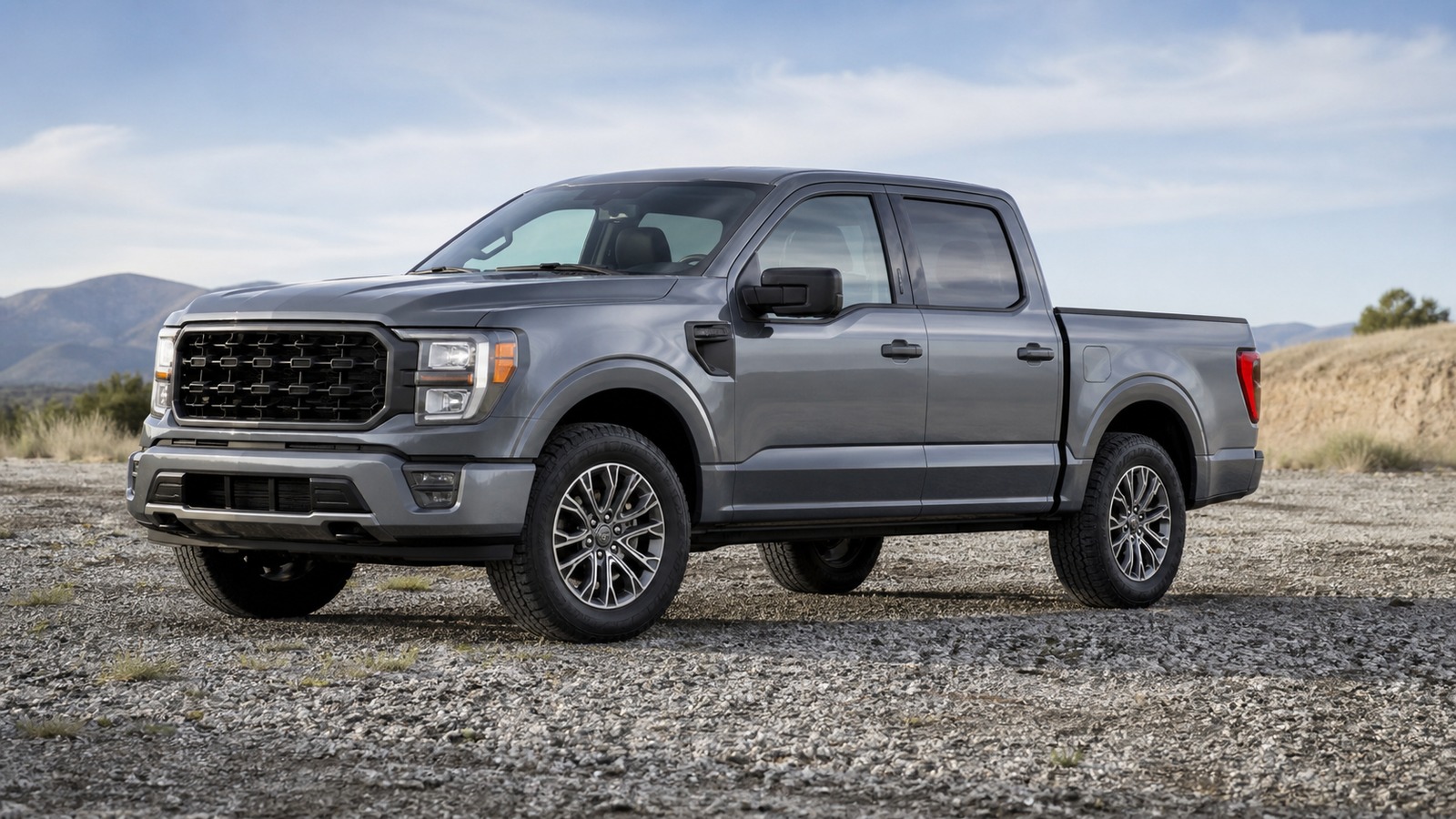
Pickup Trucks comparison image

Pickup Trucks

Pickup trucks fit buyers who tow, haul dirty gear, carry bulky loads, or need a separate cargo bed more than enclosed passenger space.

Score 8.4 Best for towing + open cargo Layout open bed Why buy utility
  • Open bed handles dirty or tall cargo
  • Stronger fit for towing and payload needs
  • Best when work utility is repeated weekly
VS
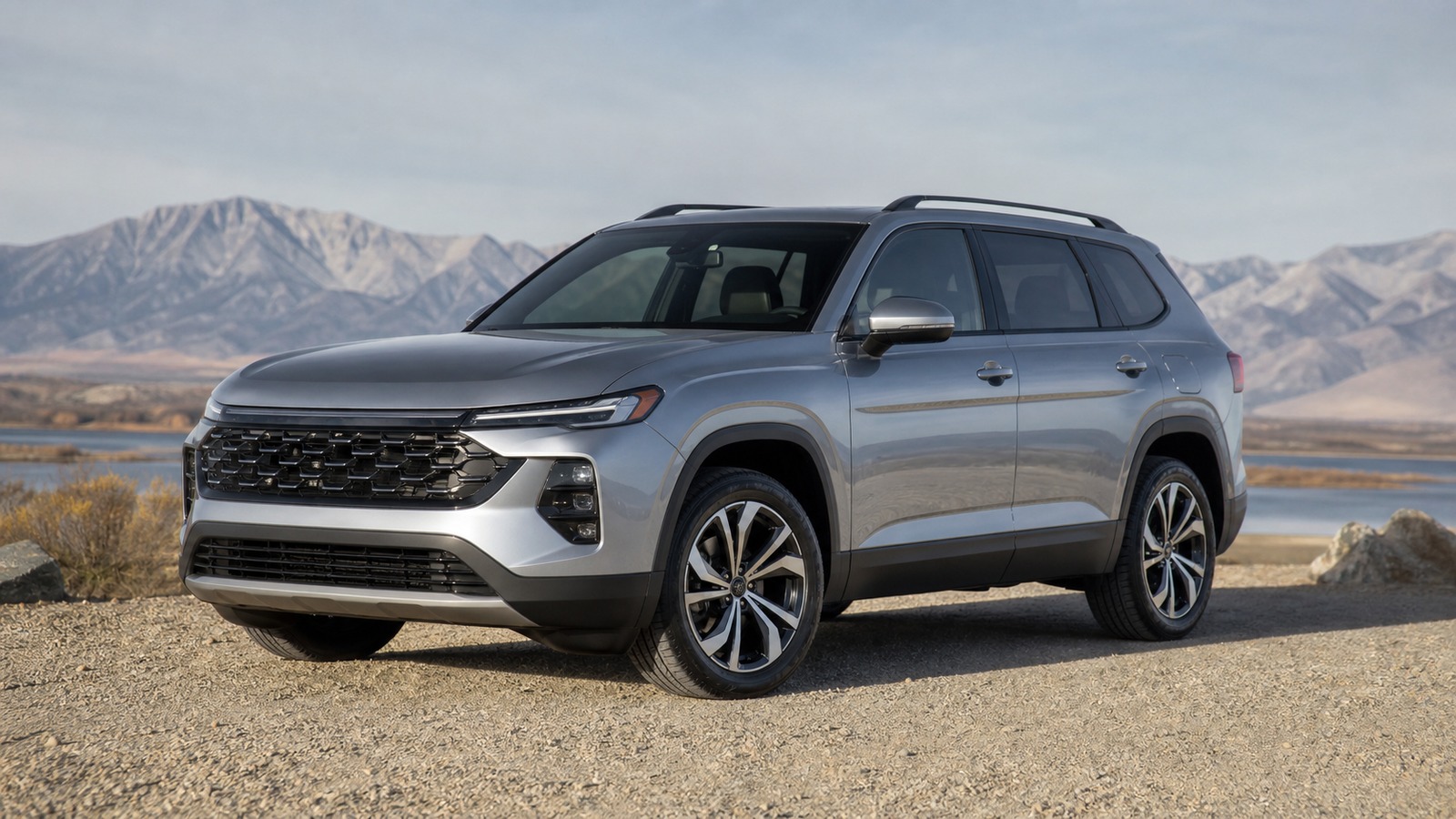
SUVs comparison image

SUVs

SUVs fit buyers who need covered cargo, family comfort, easier daily parking, and passenger-friendly versatility more than an open bed.

Score 8.7 Best for passengers + enclosed space Layout covered cargo Why buy family fit
  • Covered cargo protects people and gear
  • Passenger comfort is easier to package
  • Daily errands and family trips feel simpler
Metric
Pickups
SUVs
Winner
Towing
Usually stronger
Model dependent
Pickup
Cargo type
Open bed
Covered space
Depends
Passengers
Crew cab helps
Cabin wins
SUV
Daily driving
Larger footprint
Easier size
SUV
Work utility
Best tool
Light duty
Pickup
Family fit
Utility first
Comfort first
SUV
Real-world context
Body size, drivetrain, payload, tow ratings, third-row packaging, parking space, insurance, and fuel economy vary widely, so buyers should compare the exact truck or SUV class rather than relying only on category stereotypes.

Pickups - Why people choose it

  • Open bed handles dirty or tall cargo
  • Stronger fit for towing and payload needs
  • Best when work utility is repeated weekly

SUVs - Why people choose it

  • Covered cargo protects people and gear
  • Passenger comfort is easier to package
  • Daily errands and family trips feel simpler
Winner: SUVs SUVs are the better overall fit for most mixed family and daily-driving use, while pickup trucks win decisively when towing, payload, and open-bed utility are regular needs. Choose by the work you actually repeat, not the most extreme task you might face.
Read FAQs

Deep dive

What actually matters in this matchup

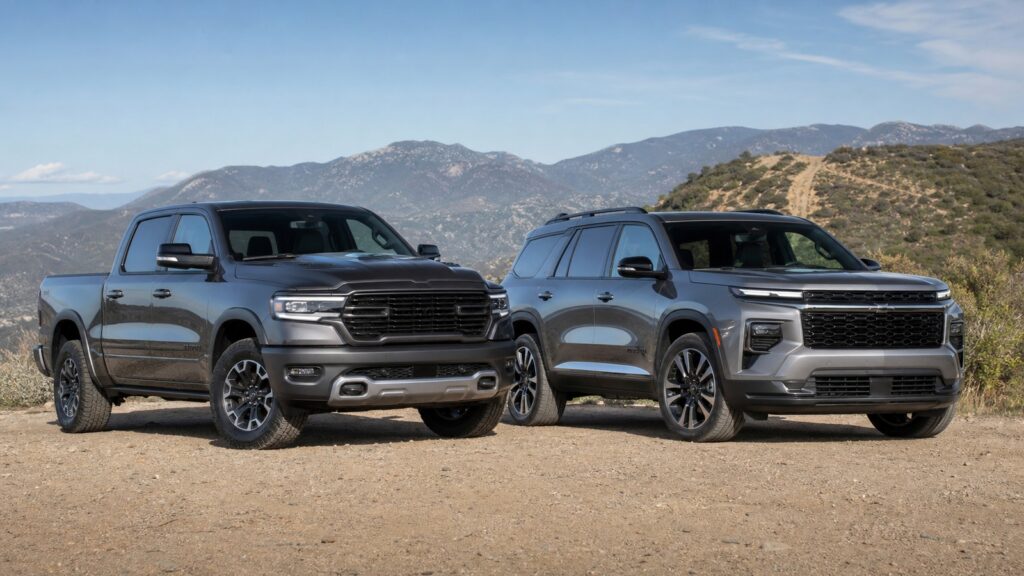
Pickup trucks and SUVs overlap more than ever, but they still solve different ownership problems. The decision turns on cargo type, towing demands, passenger needs, parking realities, fuel cost, and whether open-bed utility matters more than enclosed versatility.

Towing: Pickup trucks usually make the stronger towing case because frames, cooling packages, payload ratings, and hitch setups are often built around heavier work. SUVs can tow well in some trims, but buyers should check tongue weight, payload, braking, and family cargo at the same time.

Cargo type: Pickup beds are ideal for dirty, tall, or awkward cargo that should stay outside the cabin. SUVs protect luggage, groceries, pets, and sports gear from weather and theft more easily, so the better cargo setup depends on what you carry most often.

Passengers: SUVs generally serve passengers better because the cargo area is integrated, climate controlled, and easier to access. Crew-cab pickups can be roomy, but families often prefer SUV seat access, third-row options, quieter cabins, and better covered storage on daily trips.

Daily driving: Pickup trucks can feel larger in parking lots and tight urban spaces, especially with long beds or heavy-duty trims. SUVs are not always small, but many offer shorter lengths, better rear visibility, and a more car-like routine for commuting and errands.

Work utility: For jobsite tasks, landscaping, towing equipment, or hauling messy materials, pickups are usually the cleaner tool. SUVs can handle lighter recreation and family cargo well, but repeated heavy hauling can quickly reveal the limits of enclosed cargo space and lower payload.

Family fit: The final choice often comes down to whether the vehicle is primarily a work tool or a family carrier. Pickups are best when open-bed utility is essential, while SUVs better serve buyers who prioritize passengers, covered cargo, school runs, and road-trip comfort.

Methodology

How we evaluated the matchup

This comparison synthesizes specifications, ownership patterns, infrastructure realities, maintenance differences, and category-level buyer tradeoffs rather than claiming instrumented hands-on testing of specific models.

Scope: This comparison looks at Pickup Trucks and SUVs as ownership categories, not one specific trim or brand. We analyzed public specifications, service expectations, common buyer patterns, and category-level cost factors that shape the practical decision.

What we compared: We compared daily convenience, ownership cost, maintenance expectations, long-term flexibility, model availability, and the buyer checks that can change the answer. We avoided assuming one price, incentive, or local service situation applies everywhere.

How results are interpreted: The winner reflects the most common buyer profile, not a universal rule. SUVs scores better when its core advantage appears in normal weekly use, while the other side may win for buyers with different routes, budgets, or constraints.

What buyers should verify: Before deciding, confirm current pricing, insurance, warranty terms, local service access, expected operating cost, and the exact model details. Also verify payload, tow rating, parking fit, and the cargo you carry weekly because that factor can override broad category guidance.

FAQ

Pickup Trucks vs SUVs: common questions

Which is better overall, Pickup Trucks or SUVs?
SUVs is better for buyers whose routine matches its main strengths, but the answer is not universal. SUVs can still be smarter when its convenience, price, or availability fits better. Compare exact models, local costs, and payload, tow rating, parking fit, and the cargo you carry weekly before deciding.
Who should choose Pickup Trucks?
Choose Pickup Trucks if towing, payload, and open-bed cargo is a regular part of your ownership routine. It makes the most sense when its advantage changes daily use, not just a spec sheet. Confirm price, warranty, service access, and real-world fit for the exact model.
Who should choose SUVs?
Choose SUVs if its strengths solve the work you repeat most often. It may be the safer pick when convenience, entry price, or availability matters more than the headline advantage from Pickup Trucks. Test the exact class and compare ownership costs.
Should price decide the comparison?
Price matters, but it should not be the only factor. A cheaper choice can cost more if fuel, energy, maintenance, accessories, insurance, or resale work against it. Compare the purchase price with the full ownership routine and current local support.
What should buyers verify first?
Verify the details that can change the answer locally: exact trim, warranty, service access, insurance, incentives, operating cost, and payload, tow rating, parking fit, and the cargo you carry weekly. Broad category advice helps narrow the field, but the final decision should come from real numbers for your area.
Is the winner right for every buyer?
No. The winner reflects the most common buyer profile in this matchup, not every possible household, route, or budget. If your use case is unusual, give more weight to the factor you will notice weekly and less to theoretical maximum capability.
How much do exact models matter?
Exact models matter a lot because size, trim, drivetrain, battery, engine, cargo space, warranty, and safety features can change the practical outcome. Compare like-for-like options in the same price range and avoid deciding from category stereotypes alone.
What is the safest buying process?
Start with the weekly routine, then price exact models and test drive both sides. Check support, ownership costs, and return policies before committing. The safest choice is the one that handles ordinary use well, not just the rare hardest scenario.

Key Takeaways

  • SUVs usually win for families, passengers, pets, and covered everyday cargo.
  • Pickup trucks win when towing, payload, jobsite use, or open-bed hauling is a normal requirement.
  • The biggest tradeoff is open utility versus enclosed, climate-controlled versatility.
  • Daily parking and fuel cost can matter more than maximum tow ratings for many buyers.
  • Crew-cab pickups narrow the comfort gap, but SUVs still package people and cargo more naturally.
  • Choose by the weekly routine: SUV for mixed family use, pickup for repeated hauling and towing.

Verdict

The Best Fit for Most Mixed-Use Buyers

SUVs are the cleaner everyday choice for most families because they combine passenger comfort with enclosed cargo, but pickups remain unmatched for towing and open-bed work.

#1 Winner

SUVs

SUVs make the strongest case when the vehicle has to serve passengers, errands, travel, and protected cargo more often than heavy hauling.

  • Better enclosed cargo and passenger integration
  • Easier fit for family trips, pets, and daily errands
  • Often simpler to park and live with than full-size pickups

Runner-up

Jump to the Head-to-Head

Tip: Do not buy around one rare hauling job; compare the vehicle around the passenger, cargo, and parking routine you repeat every week.

Where to Buy

Use reputable sources, easy returns, and reliable availability before choosing a side.

Price checks happen regularly. Retailer destinations should be reviewed before affiliate use.

Accessories You’ll Want

  • Bed cover or cargo liner (protects truck cargo or SUV load floors from weather and wear)
  • Tie-down kit (secures bulky loads, camping gear, or sports equipment safely)
  • Hitch receiver setup (supports towing, bike racks, cargo trays, or utility trailers)
  • All-weather floor mats (simplifies cleanup after family trips, jobsite use, or outdoor recreation)
  • Tire pressure gauge (helps protect load handling, fuel economy, and tire wear)

Tip: Match accessories to the cargo you carry most often; bed covers, liners, and tie-downs can change how useful either vehicle feels every week.