Pipedrive vs Close: Which Sales CRM Software Is Better?

Pipedrive and Close are closer competitors than many CRM matchups because both court teams that want reps moving quickly. Pipedrive starts with the pipeline board and asks every activity to support deal movement. Close starts with communication and keeps calls, emails, SMS, and follow-up near the sales record. This review favors Pipedrive for the broader CRM default.

By: Review Streets Research Lab
Updated: September 4, 2026
Approx. 10-12 min read
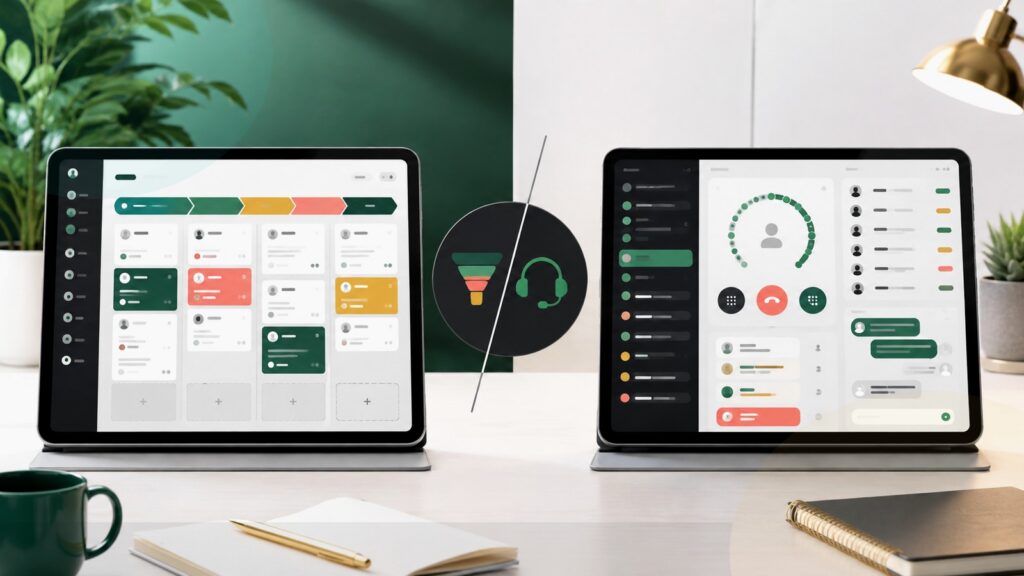
Pipedrive vs Close business comparison image

Head-to-head

Pipedrive vs Close: Which Sales CRM Software Is Better?

Pipedrive is the better default when a team wants simple pipeline discipline and manager visibility. Close is better when the sales process is mostly call, email, and SMS execution.

Pipedrive comparison image

Pipedrive

Pipedrive fits teams that need visual deal stages, reminders, lead management, email and calendar sync, automation, goals, and pipeline reports without building a heavy CRM administration layer.

Score 8.6/10 Best for simple visual pipeline discipline Focus Pipeline Why buy Clarity
  • Clearer visual pipeline for broad sales teams
  • Strong reminders and activity discipline
  • Lighter CRM setup for managers
VS
Close comparison image

Close

Close fits teams that want communication and CRM records to sit together, especially when sellers are judged on call volume, fast replies, follow-up sequences, and inside-sales activity.

Score 8.5/10 Best for inside sales calling and follow-up Focus Outreach Why buy Velocity
  • Better for phone-heavy inside sales
  • Communication tools stay near lead records
  • Good fit for rapid follow-up queues
Metric
Pipedrive
Close
Winner
Pipeline clarity
Stronger visual stages, deal movement, activities, owners, and simple inspection
Good lead and opportunity tracking tied to communication activity
Pipedrive
Communication workflow
Good email-connected selling and activity reminders
Stronger calling, SMS, inbox, and communication-first follow-up
Close
Manager visibility
Better for quick pipeline reviews, activity gaps, goals, and forecast checks
Better for communication pace, call activity, and outreach follow-through
Pipedrive
Ease of setup
Very approachable for teams standardizing stages and next actions
Approachable for inside sales teams with clear communication routines
Pipedrive
Automation
Good practical automations around stages, tasks, leads, and follow-up
Good workflows around communication, leads, activity, and outreach queues
Tie
Best value
Best value when the main goal is a clean sales process everyone updates
Best value when built-in outreach replaces several tools
Pipedrive
Real-world context
Pipedrive versus Close is a discipline choice. Pipedrive organizes the team around visible deal progress. Close organizes the team around communication activity. The better product is the one that matches what sellers are asked to do repeatedly every day.

Why people choose it

  • Rep-friendly visual pipeline and deal movement
  • Good activity reminders, lead tracking, and sales automation
  • Lean setup for teams that want a focused sales CRM

Why people choose it

  • CRM with calling, email, and SMS close to the seller workflow
  • Strong fit for inside sales and high-follow-up teams
  • Useful pipeline, lead, workflow, and reporting coverage
Winner: Pipedrive Pipedrive wins for most Sales CRM Software buyers because pipeline clarity is a more universal need. Close remains the stronger specialist for inside sales teams where calls, SMS, and reply speed drive the whole process.
Read FAQs

Deep dive

What actually matters in this matchup

This is the clean board versus busy calling desk decision. Pipedrive makes the sales process visible first and everything else follows. Close makes communication activity visible first, then ties that activity back to leads and opportunities. That keeps the choice practical.

Daily workflow: Pipedrive works best when reps begin with deals, stages, owners, and next activities. Close works best when reps begin with call lists, message replies, lead context, and follow-up tasks. Both can work, but they reward different habits. That keeps the choice practical.

Management lens: A sales manager choosing Pipedrive is usually trying to make pipeline health obvious. A manager choosing Close is usually trying to make outreach pace visible. The dashboard question should match the behavior leadership wants to improve first. That keeps the choice practical.

Adoption risk: Pipedrive can disappoint if the team never defines stages or update rules. Close can disappoint if communication volume hides weak qualification or stale opportunities. Buyers should make the sales process explicit before comparing screens. That keeps the choice practical. That matters during rollout.

Tool overlap: Close may replace separate calling or SMS tools for some teams. Pipedrive may connect more naturally with a wider mix of sales tools. The cost question depends on what the company already owns and what reps actually use. That keeps the choice practical.

Team maturity: Small and midsize teams often need pipeline discipline before deeper communication optimization. That gives Pipedrive the broader default advantage. Close becomes more persuasive when the team already knows its selling rhythm is outbound, rapid, and communication-heavy. That keeps the choice practical.

Final choice: Choose Pipedrive when the first priority is clear pipeline management and reliable activity follow-up. Choose Close when the first priority is a communication-centered workspace that helps inside sellers call, respond, and move leads quickly. That keeps the choice practical. That matters during rollout.

Methodology

How we evaluated the matchup

This review compares visual pipeline discipline with communication-first selling.

Scope: We evaluated Pipedrive as a focused visual sales CRM and Close as an inside-sales CRM centered on communication. The result reflects buyer workflow analysis and public product information, not instrumented hands-on testing. That keeps the choice practical. That matters during rollout.

What we compared: The comparison weighs pipeline visibility, deal stages, activity reminders, lead management, calling, email, SMS, automation, reporting, integrations, setup effort, manager visibility, rep adoption, and the likelihood that records stay current. That keeps the choice practical. That matters during rollout.

Interpretation: Pipedrive wins the general sales CRM decision because visual pipeline discipline helps more teams. Close still wins when sales work is communication-led and the buyer wants calls, messages, and CRM activity closer together. That keeps the choice practical. That matters during rollout.

Buyer checks: Before buying, verify current calling tools, SMS support, email sync, automation limits, pipeline reports, mobile workflows, data exports, permission needs, integration coverage, support options, and whether reps will update the workflow consistently. That keeps the choice practical. That matters during rollout.

FAQ

Pipedrive vs Close: common questions

Is Pipedrive better than Close?
Pipedrive is better for teams that want a simple, visual sales pipeline with reliable deal movement and activity discipline. Close can be better for inside sales groups where calling, email, SMS, and rapid follow-up drive results. That keeps the choice practical. That matters during rollout.

Where does Close beat Pipedrive?
Close beats Pipedrive when communication workflows matter more than the board itself. Sales teams that live in calls, SMS, and inbox work may prefer Close because those actions sit near lead and pipeline context. That keeps the choice practical. That matters during rollout.

Which is easier to adopt?
Pipedrive is usually easier for a broad sales team because the pipeline board is simple to understand. Close can be just as fast for reps who already work from communication queues and outreach cadences. That keeps the choice practical. That matters during rollout.
Which is better for managers?
Pipedrive is better when managers want quick pipeline inspection, stage movement, activity gaps, goals, and deal accountability. Close is better when managers care more about call volume, replies, and communication follow-through. That keeps the choice practical. That matters during rollout. That keeps the buying decision grounded.
Which is better for outbound sales?
Close has the stronger outbound communication feel because calling, email, SMS, and follow-up are central. Pipedrive can still work well for outbound teams that mainly need pipeline clarity and activity reminders. That keeps the choice practical. That matters during rollout. That keeps the buying decision grounded.
Can either product scale past a small team?
Yes, but buyers should be realistic. Pipedrive can support growing sales teams with focused processes. Close can support expanding inside sales groups, but very complex governance or enterprise forecasting may push buyers elsewhere. That keeps the choice practical. That matters during rollout. That keeps the buying decision grounded.
What should buyers demo first?
Run one real lead through both systems from creation to call, follow-up, deal stage movement, manager review, and lost-deal note. The better tool is the one reps would update without being chased. That keeps the choice practical. That matters during rollout. That keeps the buying decision grounded.
Is this review based on hands-on testing?
No. This review uses official product information, public documentation, and buyer workflow analysis. Teams should verify current pricing, feature limits, calling availability, integrations, support, and contract terms directly with each vendor. That keeps the choice practical. That matters during rollout. That keeps the buying decision grounded.

Key Takeaways

  • Pipedrive wins on pipeline clarity.
  • Close wins on communication workflow.
  • Managers should pick the first behavior to fix.
  • Outbound teams should demo both.
  • Automation value depends on process.
  • Simple CRM still needs ownership.

Verdict

The Better Default for Visual Pipeline Discipline

Pipedrive is the stronger default when sales teams need a simple CRM that keeps deals, stages, owners, and next actions visible.

#1 Winner

Pipedrive

Pipedrive wins because a clear pipeline is the broader requirement for most sales CRM buyers.

  • Cleaner visual deal management
  • Lighter manager and rep adoption
  • Better general-purpose CRM fit

Runner-up

Jump to the Head-to-Head

Tip: Choose the product that matches the first screen reps should open every morning: a pipeline board or a communication queue.

Where to Buy

Use the official Pipedrive and Close pages to confirm current CRM features, communication tools, demos, and trial availability.

Vendor terms, demos, pricing, and feature availability change regularly. Some links may earn a commission and never affect rankings.

Accessories You’ll Want

  • Stage definition sheet (keeps pipeline movement consistent across reps and managers)
  • Activity standards (defines required calls, emails, tasks, and next-step rules)
  • Lost-reason list (improves reporting quality without adding too much admin work)
  • Communication checklist (captures calling, SMS, voicemail, inbox, and logging needs)
  • Manager review script (turns CRM inspection into a repeatable weekly routine)

Tip: A simple CRM needs simple rules. Decide stage meanings and next-action expectations before import.