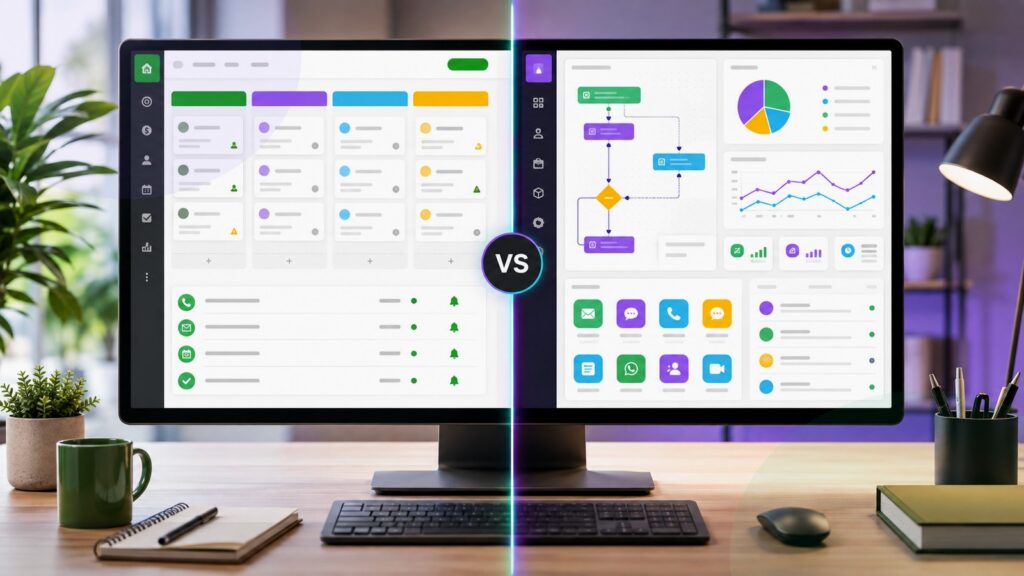
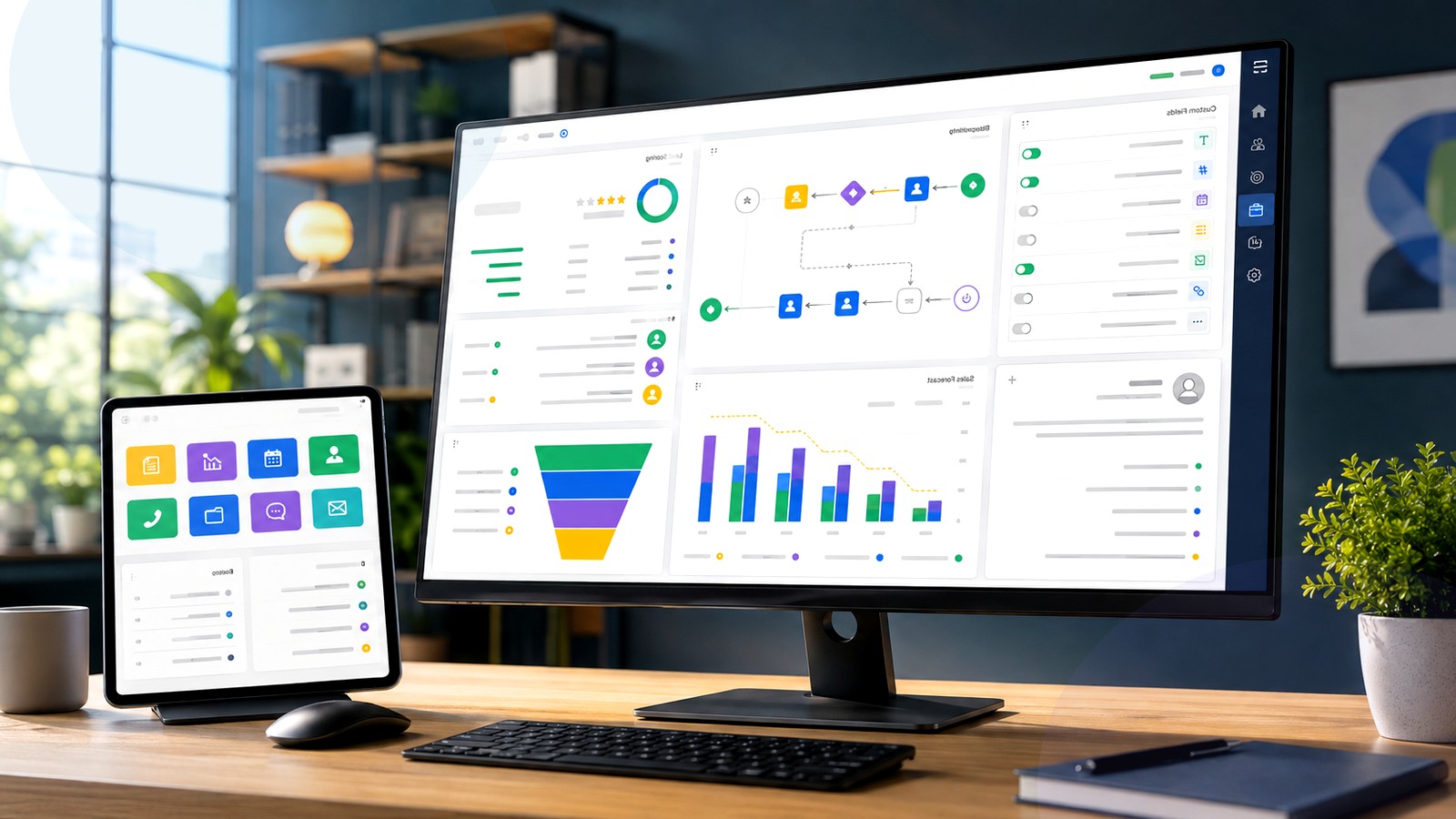
This is the purest simplicity-versus-breadth choice in the group. Pipedrive protects seller focus with a direct pipeline model. Zoho CRM offers more configurable machinery for teams that need automation, analytics, custom records, and suite-connected processes. That matters once workflows expand.
Daily use: Pipedrive is easier to understand because the work revolves around moving deals and scheduling next activities. Zoho CRM can support that same sales rhythm, but its broader feature set becomes valuable only when teams configure it intentionally. That matters once workflows expand.
Growth pressure: Zoho CRM becomes the stronger pick when a company outgrows simple deal tracking and needs custom modules, scoring, process rules, multichannel history, or more detailed dashboards. Pipedrive stays better when focus prevents CRM fatigue. That keeps the CRM breadth decision grounded.
Administration: Pipedrive needs less administration to stay useful. Zoho CRM needs more decisions, but those decisions create room for a more tailored system. Buyers should be honest about who will own fields, workflows, and cleanup. That keeps the CRM breadth decision grounded.
Automation: Pipedrive automations are practical for reminders, stage movement, and sales follow-up. Zoho CRM is stronger when automation becomes process design, including assignments, approvals, blueprints, scoring, notifications, and connected records across the customer journey. That question matters when simple pipelines become broader operations.
Reporting: Pipedrive reporting is easier for managers who want a direct view of pipeline health. Zoho CRM reporting can cover more business context, but it depends on clean configuration, consistent fields, and disciplined user behavior. Use that test before adding another workflow requirement.
Final choice: Choose Pipedrive if adoption will decide success and the process should stay close to deals. Choose Zoho CRM if the team needs a broader CRM foundation that can absorb customization, automation, analytics, and suite expansion. That keeps the decision tied to adoption, customization, and maintainable process depth.