Power Stop AR85146XPR vs Centric 120.40046: Best Brake Rotor Comparison

Power Stop AR85146XPR and Centric 120.40046 both sit in the brake rotors category, but they should not be treated as universal substitutes. This comparison weighs fitment confidence, package contents, noise control, installation risk, and seller support so the safer buy is clear after your vehicle match is confirmed.

By: Review Streets Research Lab
Updated: June 22, 2026
Approx. 10-12 min read
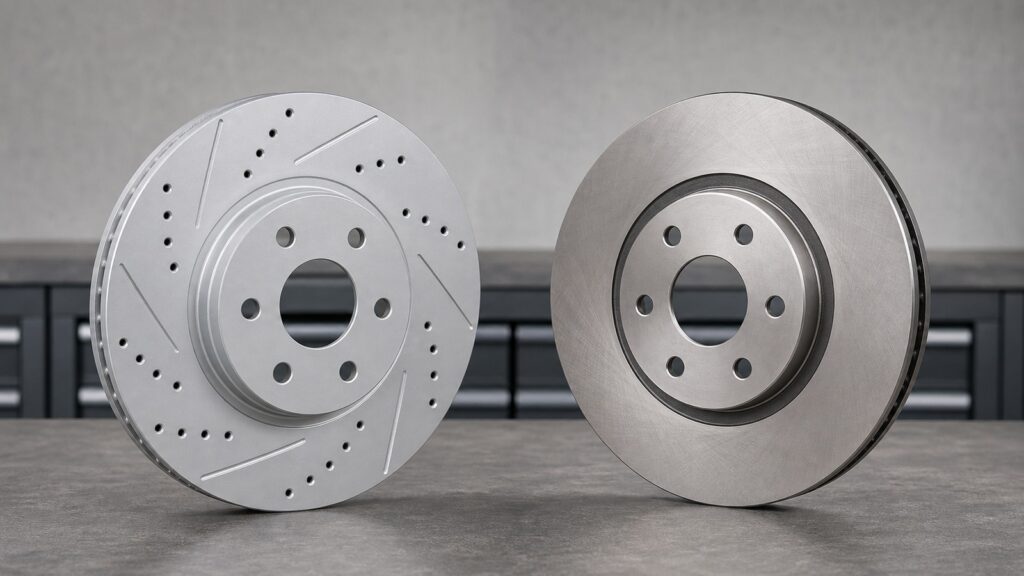
Power Stop AR85146XPR vs Centric 120.40046 comparison image

Head-to-head

Power Stop AR85146XPR vs Centric 120.40046: Best Brake Rotor Comparison

A practical A/B look at Power Stop AR85146XPR and Centric 120.40046, focused on fitment discipline, included parts, finish quality, install confidence, value, and which buyer should choose each side.

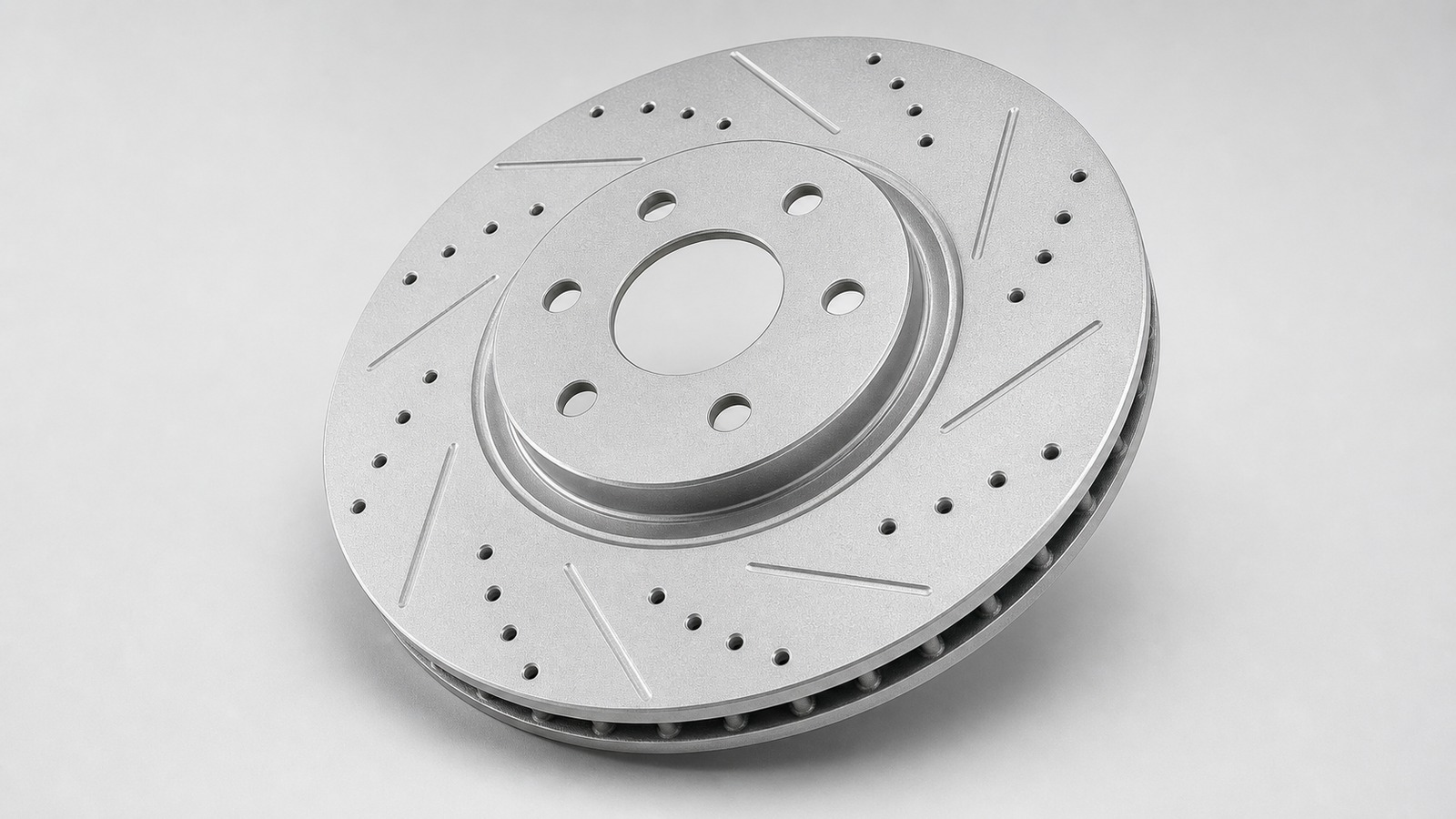
Power Stop AR85146XPR brake rotor product image

Power Stop AR85146XPR

Power Stop AR85146XPR is the better pick for buyers who want a performance-style rotor upgrade after confirming exact fitment.

Score 8.9 Best for style upgrade Style Drilled slot Why buy Upgrade
  • Drilled-and-slotted upgrade appearance
  • Stronger performance-style story
  • Good match for full brake refreshes
VS
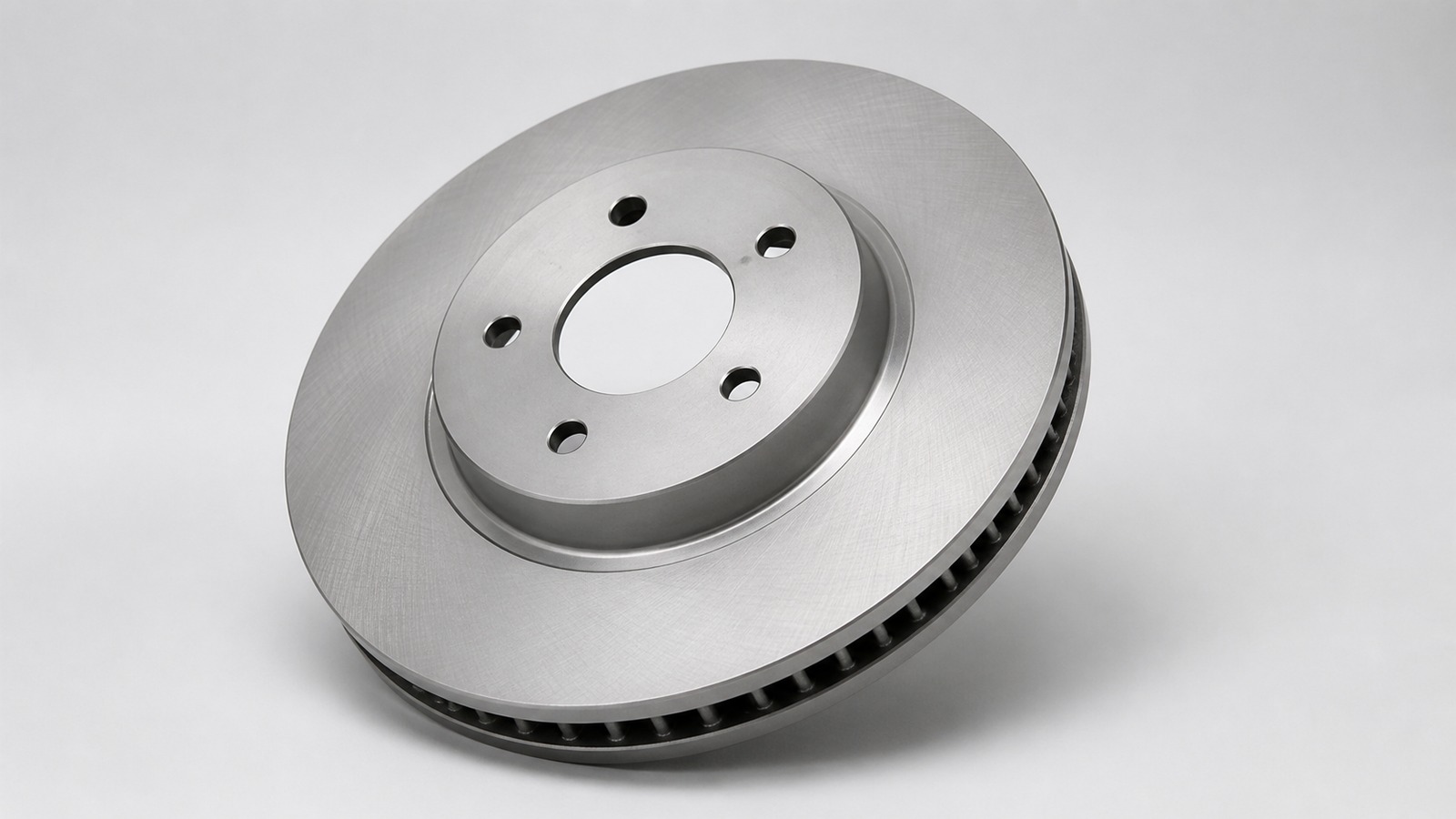
Centric 120.40046 brake rotor product image

Centric 120.40046

Centric 120.40046 is the more conservative choice for routine rotor replacement where price, simplicity, and fitment confidence matter most.

Score 8.4 Best for budget repair Style Plain rotor Why buy Value
  • Simple standard replacement path
  • Often a value-minded rotor choice
  • Good when plain OE-style service is enough
Metric
Power Stop AR85146XPR
Centric 120.40046
Winner
Fitment proof
Catalog required
Catalog required
Tie
Upgrade feel
Strong
Basic
Power Stop
Daily value
Higher cost
Budget value
Centric
Rust help
Coated style
Check finish
Power Stop
Simplicity
More specialized
Straightforward
Centric
Best use
Brake refresh
Routine repair
Power Stop
Real-world context
Power Stop is stronger for buyers who want a visible upgrade; Centric is stronger when the job only needs a plain replacement rotor.

Power Stop AR85146XPR - Why people choose it

  • More upgrade-oriented rotor design
  • Stronger appearance and performance story
  • Good for full front-end brake refreshes

Centric 120.40046 - Why people choose it

  • Plain service replacement logic
  • Budget-friendly daily-driver appeal
  • Less specialized for routine repairs
Winner: Power Stop AR85146XPR Power Stop AR85146XPR is the better general rotor for upgrade-minded buyers, while Centric 120.40046 is the simpler value repair choice.
Read FAQs

Deep dive

What actually matters in this matchup

Brake parts are not universal upgrades, so this matchup is really about choosing the cleaner replacement path after fitment is confirmed. We weighted catalog clarity, hardware expectations, finish protection, install risk, retailer support, and how each part fits the job.

Fitment discipline: Brake Rotors are application-sensitive, so the catalog match matters before brand preference. Confirm outside diameter, thickness, bolt circle, center bore, venting, coating, and axle notes. If the listing does not match the vehicle, the stronger-looking option is still the wrong order and should be skipped.

Product focus: Power Stop AR85146XPR emphasizes drilled-and-slotted upgrade appeal, while Centric 120.40046 focuses on straightforward standard replacement value. That difference matters because one buyer wants a visible performance-style refresh, while another simply wants the correct rotor with minimum cost for stock use.

Install risk: Small details can decide whether a weekend brake job stays simple. Missing clips, unclear hardware, vague position notes, or uncertain vehicle coverage can erase a low price quickly, especially when the vehicle is already apart and the old parts cannot be reused confidently.

Noise and durability: Brake parts that control movement, vibration, rust, and uneven contact tend to produce fewer comeback problems. Look for clean machining, stable clips, quality shims, or documented balance cues, then follow bedding and cleaning steps before judging the part after installation.

Ownership path: Returns, stock depth, and seller support matter because replacement brake parts are heavy, fitment-specific, and sometimes needed immediately. A part with clearer catalog data and easier exchange terms can be the better buy even when another option looks cheaper at checkout.

Final choice: Winner: Power Stop AR85146XPR earns the general edge for the buyer described here, but not as a universal substitute. Choose the part that matches the vehicle first, then use finish, noise control, included hardware, and seller confidence as the final tie-breakers.

Methodology

How we evaluated the matchup

This comparison uses current product information and category analysis to frame a replacement-part decision.

Scope: This comparison uses manufacturer information, retailer listings, catalog context, and category analysis. We did not claim hands-on bench testing, and we treated fitment as the first gate because replacement brake parts are application-specific for practical fitment-sensitive recommendations instead of lab scoring.

What we compared: We compared fitment, contents, material cues, noise-control claims, finish, application coverage, and catalog clarity, then weighed warranty posture, return flexibility, availability, and install risk. Price can change quickly, so value reflects confidence and usable contents rather than one checkout number.

How results are interpreted: The winner is the stronger general recommendation for the stated buyer, not a promise that it fits every vehicle. A verified fit, correct axle position, and matching hardware should override our ranking whenever the catalog points elsewhere.

What buyers should verify: Before ordering, verify year, make, model, trim, axle position, and any split-production notes. Also check whether the listing includes brackets, hardware, shoes, pads, clips, or core charges, because those details change total repair cost before the package is opened.

FAQ

Power Stop AR85146XPR vs Centric 120.40046: common questions

Are Power Stop AR85146XPR and Centric 120.40046 direct substitutes?
Not automatically. Treat them as same-category choices, then verify whether both match your exact vehicle. Start with the fitment catalog, confirm outside diameter, thickness, bolt circle, center bore, venting, coating, and axle notes, and only compare finish, hardware, or price after both listings pass that application check at checkout.
Which brake rotor is better for most shoppers?
Power Stop AR85146XPR is the cleaner general pick in this matchup because it offers the stronger balance for the buyer described here. Still, brake parts are application-specific, so confirm the fitment tool and seller return policy before treating that recommendation as final for that vehicle.
When should someone choose Power Stop AR85146XPR?
Choose Power Stop AR85146XPR when its fitment record matches your vehicle and its package strengths solve your repair. That may mean better coating, clearer dimensions, stronger noise control, or a better kit presentation. Verify what is included in the box before comparing checkout prices.
When should someone choose Centric 120.40046?
Choose Centric 120.40046 when the catalog points there or when its ownership advantages matter more for your repair. Look closely at hardware, warranty handling, return policy, and current availability. If those details line up, it can be the more practical buy before installation.
Should price decide this comparison?
Price should be a tiebreaker, not the first filter. A cheaper brake rotor can become expensive if it lacks needed hardware, triggers a return, or does not match the vehicle. Compare total repair cost, return friction, and confidence before checkout for your vehicle.
What should buyers verify before ordering?
Verify year, make, model, trim, axle position, and any production-date notes. Then compare listing photos and included parts against the old component. If the seller offers a VIN or vehicle fitment checker, use it and save the result before payment, and keep screenshots for reference.
Can installation quality change the result?
Yes. A well-chosen brake rotor can still disappoint if the hub, slides, brackets, rotors, shoes, pads, or mating surfaces are dirty or worn. Follow the service manual, replace related wear items when needed, and torque fasteners correctly before judging performance before the first road test.
Is this based on hands-on testing?
No. This comparison synthesizes product documentation, retailer listing details, brand positioning, and replacement-part buying patterns. It does not claim instrumented stopping-distance testing. Buyers should verify the latest specifications and fitment notes for the exact listing they plan to buy before relying on the recommendation.

Key Takeaways

  • Power Stop wins for upgrade-minded buyers.
  • Centric is better for plain routine replacement.
  • Drilled-and-slotted rotors still require correct fitment.
  • Budget value matters when the vehicle is stock.
  • Coating and hub prep affect long-term appearance.
  • Choose Power Stop for style, Centric for simplicity.

Verdict

The Better Brake Rotor for an Upgrade-Style Refresh

This rotor comparison rewards the option with a stronger performance-style and coated-appearance argument.

#1 Winner

Power Stop AR85146XPR

Power Stop AR85146XPR is the better default when the buyer wants an upgrade-style brake refresh after confirming rotor dimensions.

  • Stronger drilled-and-slotted appeal
  • Better upgrade-refresh story
  • Good match for performance-style brake kits

Runner-up

Jump to the Head-to-Head

Tip: For replacement brake parts, a verified fit beats a broader brand preference every time.

Where to Buy

We prioritize reputable sellers, exact fitment tools, easy returns, and reliable availability.

Price checks happen regularly. Some links may earn a commission and never affect rankings.

Accessories You’ll Want

  • Brake cleaner (removes protective oil and dust before pads touch the rotor)
  • Dial indicator (checks lateral runout when pulsation risk needs extra attention)
  • Wire brush (cleans hub faces so the rotor seats flat)
  • Anti-seize compound (helps prevent future hub corrosion on non-friction surfaces)
  • Torque wrench (sets wheel fasteners evenly after rotor installation)

Tip: Confirm lubricant, cleaning supplies, and service-tool needs before disassembly so the vehicle is not parked mid-repair.