
Protective Eyewear Buying Guide for Workdays
Shopping for protective eyewear products for workdays starts with a precise need, not a dramatic promise. Write down who will use the item, where it will be used, and what a useful outcome would look like without assuming the product can diagnose, treat, cure, or prevent a condition.
This buying guide applies a safety-first lens to the person who will use it, their routine, and the setting. It explains how to read intended-use language, compare clear documentation rather than testimonials or broad wellness language, check warnings, and recognize when a clinician, pharmacist, or other qualified professional should help with the decision.
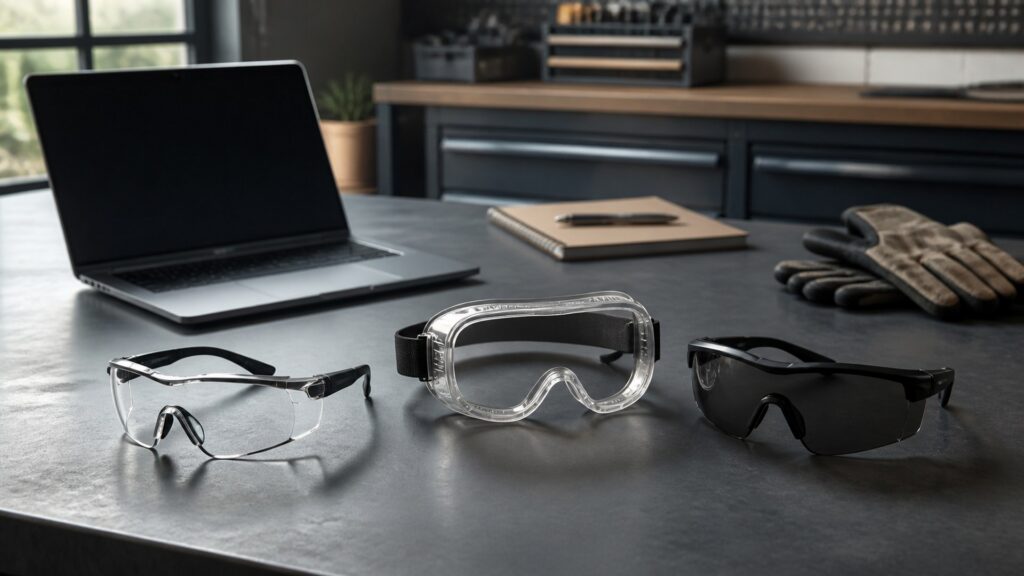
Buying framework
How to think about protective eyewear products for workdays
A reliable shortlist connects a clearly defined use case to the product's instructions, limits, and evidence. Work through these checks before price or appearance.
Define the job: Describe what you want the protective eyewear product to help you do for workdays. Keep the goal observable and avoid self-diagnosing from marketing language.
Identify the user: Consider the person who will use it, their routine, and the setting. Products suitable for one adult may not be suitable for children, older adults, pregnancy, or people with chronic conditions.
Verify intended use: Read the label, manual, and manufacturer documentation. Confirm the product is designed for the exact use, body area, environment, and user group you have in mind.
Set an evidence bar: Look for clear documentation rather than testimonials or broad wellness language. Do not treat ratings, influencer stories, or scientific-sounding words as proof of a health benefit.
Plan the full routine: Include setup, cleaning, storage, calibration, consumables, charging, apps, and replacement. A product only helps if it can be used correctly and consistently.
Who this is for
Match the protective eyewear buying path to the user
Different users need different levels of simplicity, oversight, documentation, and support. Choose the path that reflects real risk and ability.
Everyday wellness shoppers: Favor simple products with clear limits and low setup burden for workdays. Avoid products that imply a diagnosis or promise a guaranteed result.
People managing a condition: Ask a qualified clinician or pharmacist whether the product fits the care plan, especially when symptoms, prescriptions, implants, or monitoring decisions are involved.
Caregivers and families: Prioritize readable instructions, secure storage, age appropriateness, cleaning, and a routine the intended user can follow safely.
Sensitive or higher-risk users: Review ingredients, materials, allergens, contraindications, interaction risks, and stop-use instructions before purchase. Professional guidance may be appropriate.
Technology-focused users: Compare accessibility, data privacy, account requirements, update support, connectivity, and what happens if the app or subscription ends.
What to pay attention to
Which protective eyewear details actually matter
The most useful specifications explain who the product is for, how it should be used, what can go wrong, and how reliably it fits the routine.
For supplements or ingestible products
Review the full ingredient list, serving size, allergens, third-party testing details, and possible interactions with medicines or health conditions.
For devices and apps
Check intended use, accuracy information, safe setup, cleaning, data privacy, update support, and whether readings require professional interpretation.
Label and intended use: Check the named purpose, user population, use environment, instructions, and limitations. Treat missing or ambiguous documentation as a reason to pause.
Evidence and claim quality: Prefer clear documentation rather than testimonials or broad wellness language. Be cautious with absolute language, rapid-result promises, unsupported comparisons, or claims that blur general wellness and medical treatment.
Warnings and interactions: Review age restrictions, contraindications, medicine or supplement interactions, allergy information, electrical safety, fall risks, and when to stop using the product.
Fit and usability: Assess sizing, adjustability, controls, display readability, grip, noise, portability, accessibility, and whether the user can follow every step correctly.
Maintenance and support: Compare cleaning, calibration, consumables, replacement intervals, warranty, customer support, return conditions, and availability of instructions or replacement parts.
Avoid these traps
Common mistakes when buying protective eyewear products
Most preventable problems come from overvaluing promises and undervaluing instructions, warnings, user fit, and the daily work required.
Buying the claim: A promise related to workdays is not enough. Check what the product is actually intended to do and what evidence supports that exact claim.
Using reviews as medical evidence: Reviews can reveal comfort, packaging, durability, or customer service. They cannot establish that a product is safe or effective for your individual health situation.
Ignoring contraindications: Ingredients, pressure, heat, electrical stimulation, mobility aids, and monitoring tools can have user-specific risks. Read every warning before use.
Forgetting upkeep: Dirty sensors, expired consumables, poor storage, skipped calibration, depleted batteries, or canceled subscriptions can change reliability and cost.
Delaying appropriate care: Do not let product research replace urgent or emergency help, a needed diagnosis, prescribed treatment, or professional follow-up for severe, new, or worsening symptoms.
Decision guidance
Which protective eyewear product is right for workdays
Choose the least complicated option that fits the intended use, user, evidence standard, and safety requirements. More features are useful only when they solve a real need.
Choose a simple consumer product if: The intended use is low risk, instructions are clear, warnings do not conflict with the user, and the routine is easy to follow.
Choose an adjustable option if: Sizing, sensitivity, ability, or use conditions vary and the adjustments are documented, understandable, and safe for the intended user.
Choose professional guidance if: The decision involves a diagnosed condition, prescription medicines, pregnancy, a child, an implant, meaningful mobility risk, or interpretation of health measurements.
Pause before buying if: The seller hides ingredients, instructions, warnings, company identity, evidence, privacy terms, or return conditions, or makes guaranteed treatment claims.
Seek urgent help if: Symptoms are severe, rapidly worsening, or potentially life-threatening. A buying guide and consumer product are not appropriate substitutes for emergency services.
Ownership & compatibility
What long-term use of protective eyewear products involves
A useful purchase remains understandable, clean, supported, affordable, and appropriate as the user's needs or routine change.
Keep the instructions: Save manuals, receipts, model and lot numbers, warranty terms, and support contacts. Record any required calibration or replacement schedule.
Follow cleaning rules: Use only approved cleaning and storage methods. Shared or body-contact products may require special hygiene steps to reduce contamination risk.
Track consumables: Include filters, pads, batteries, test materials, refills, replacement tips, and subscriptions in the real cost of ownership.
Protect personal data: For connected products, review permissions, account deletion, data sharing, export options, security updates, and what functions remain offline.
Reassess the fit: Stop and review the product if it causes discomfort, unexpected effects, confusing readings, skin changes, falls, or any issue named in the stop-use instructions.
FAQ
Protective Eyewear buying guide FAQ
Common questions about comparing protective eyewear products for workdays.
What should I decide first when buying protective eyewear products?
How can I evaluate health claims?
When should I ask a clinician or pharmacist?
Are expensive health products better?
What should I check in the return policy?
Can a consumer health product replace medical care?
Bottom line
A safer way to choose protective eyewear products for workdays
Start with intended use and user safety, then compare evidence, usability, maintenance, support, and cost. The best shortlist is realistic about both benefits and limitations.
Match the purpose: Choose a protective eyewear product whose documented intended use aligns with workdays and the actual user.
Verify before trusting: Read labels, warnings, evidence, instructions, privacy terms, and return conditions instead of relying on broad promises.
Plan ownership: Make sure setup, cleaning, consumables, storage, accessibility, and support fit the user's routine and budget.
Know the boundary: Use qualified professional guidance when risk, conditions, medicines, pregnancy, children, implants, mobility, or health measurements make the decision more complex.
Reading Shortcuts
Jump to the checks that matter when comparing protective eyewear products for workdays.
Decision Reminders
A safety-first checklist before purchase.
- Verify intended use: Match the product label and instructions to the purpose you actually have.
- Read warnings: Check age limits, contraindications, interactions, cleaning rules, and stop-use guidance.
- Escalate when needed: Consumer products do not replace urgent, emergency, diagnostic, or prescribed care.
Glossary Snippets
Plain-language terms that help shoppers read labels and claims.
When to Use a Top 10 Review
Use a ranked list to create an initial shortlist of protective eyewear products.
- You are exploring: A broad list can separate simple consumer products from specialized or clinician-guided options.
- You need a shortlist: Use the same safety, evidence, usability, and ownership criteria for every candidate.
Already down to 2-3 options? A Comparison is usually more useful.
When to Use a Comparison
Best once you have a shortlist and need direct tradeoffs.
- You have 2-3 candidates: Compare intended use, warnings, instructions, fit, upkeep, privacy, support, and total cost side by side.
- Claims look similar: A direct comparison makes differences in evidence and limitations easier to spot.
Still exploring? Start with a Top 10 to identify a sensible product type.