Brake parts are not universal upgrades, so this matchup is really about choosing the cleaner replacement path after fitment is confirmed. We weighted catalog clarity, hardware expectations, finish protection, install risk, retailer support, and how each part fits the job.
Fitment discipline: Brake Drums are application-sensitive, so the catalog match matters before brand preference. Confirm diameter, bolt circle, center bore, depth, and axle notes. If the listing does not match the vehicle, the stronger-looking option is still the wrong order and should be skipped.
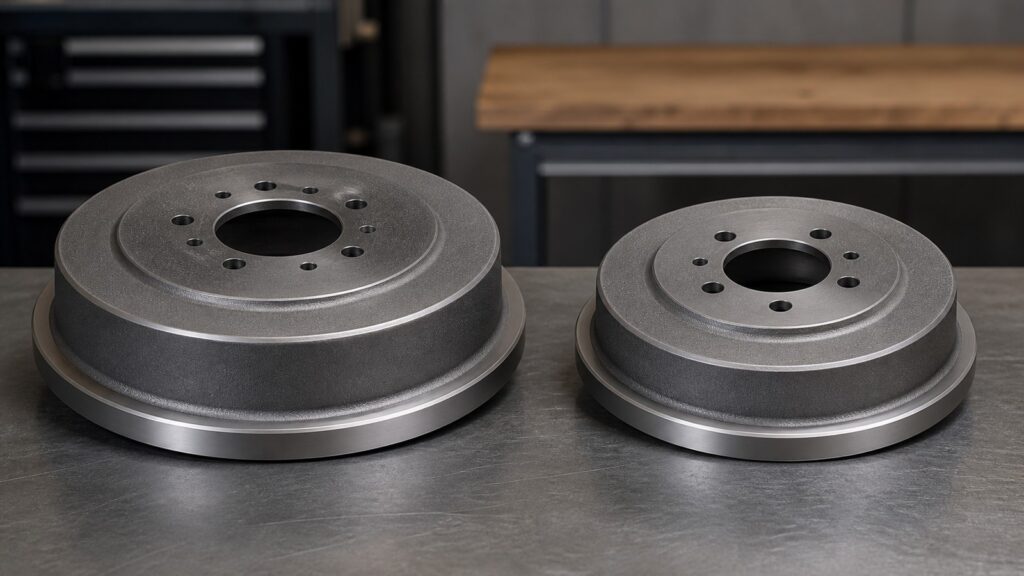
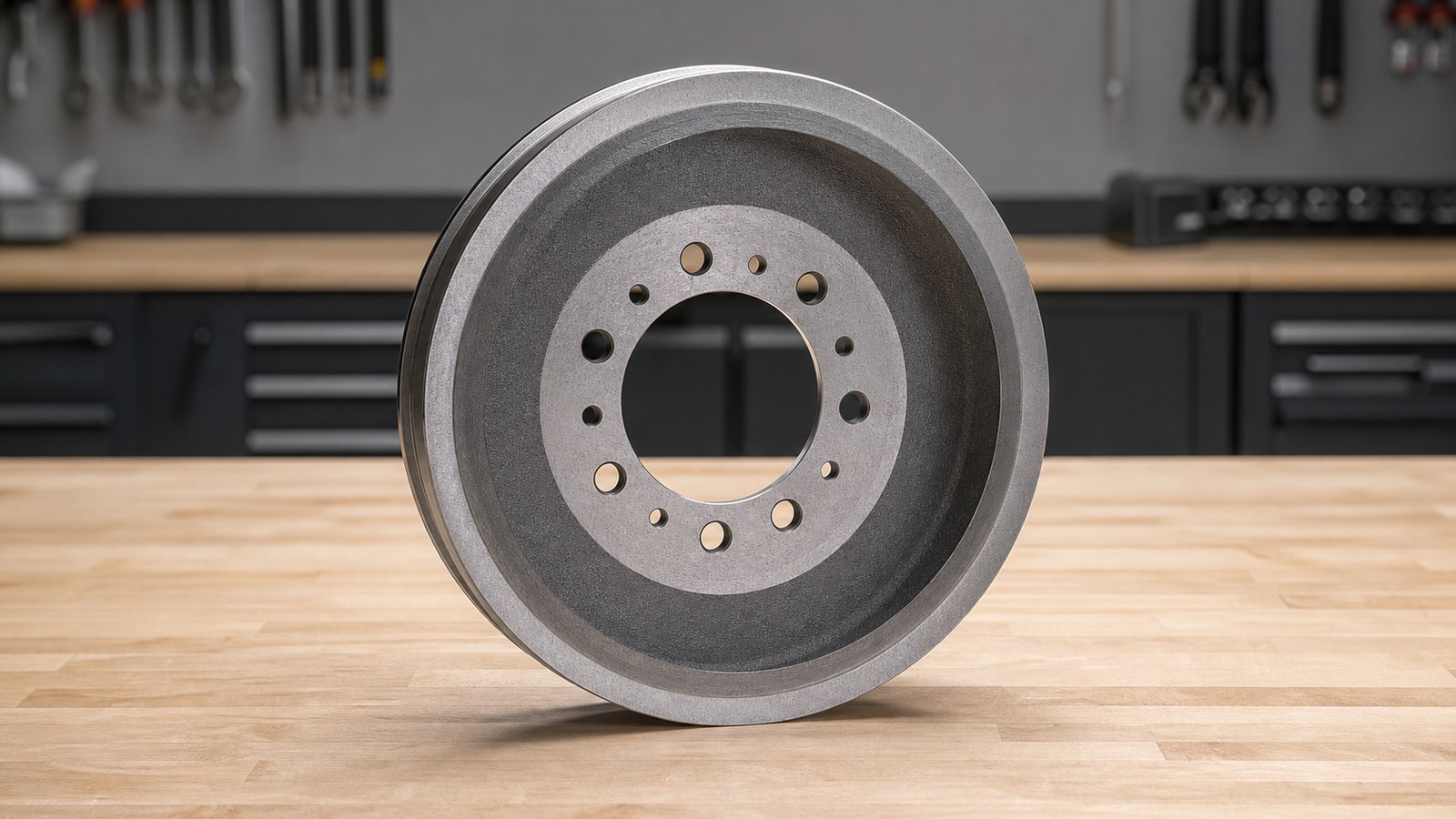
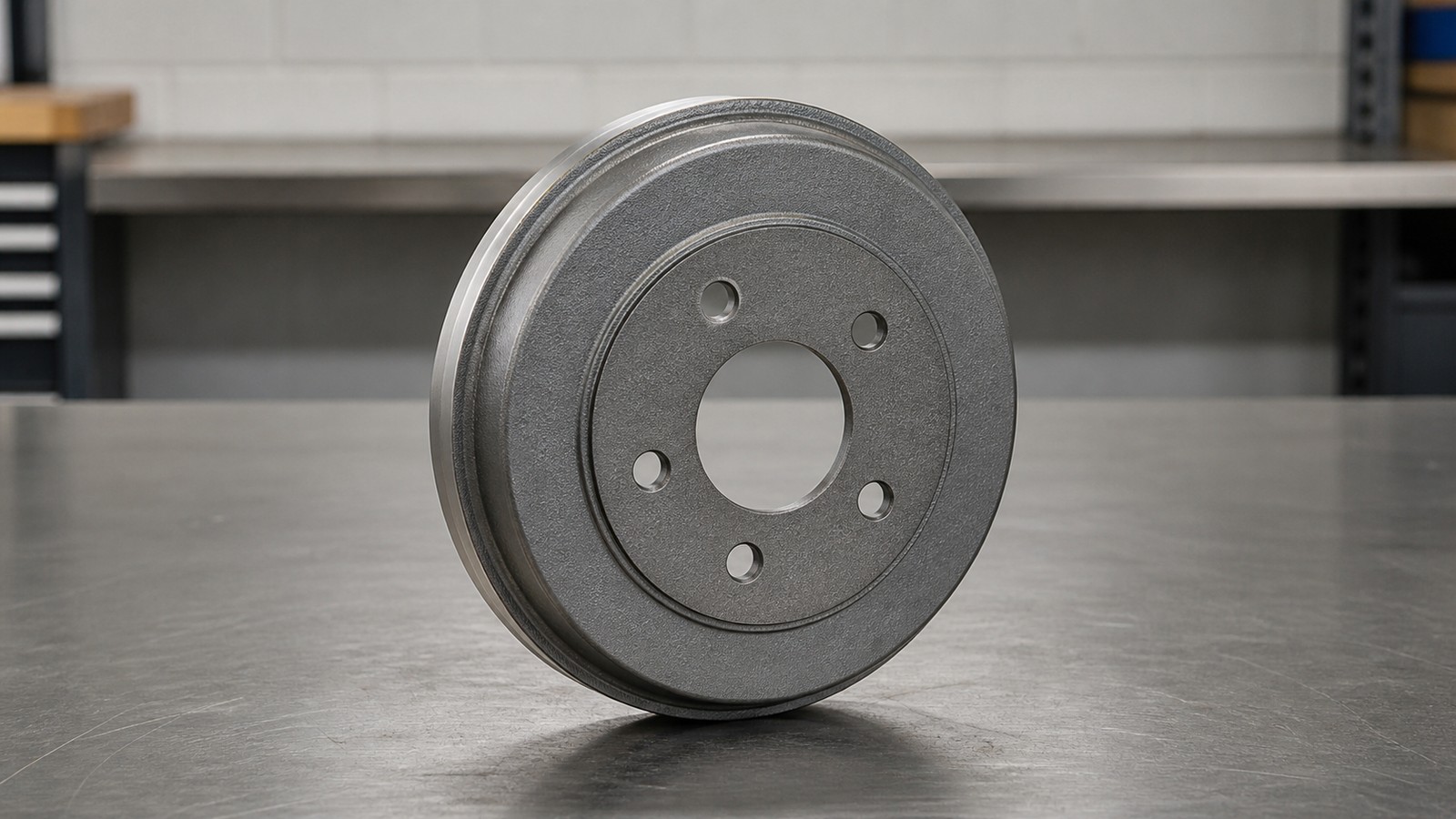
Product focus: Raybestos 9714R emphasizes larger SUV and truck-style applications, while Raybestos 9725R is aimed at compact-car rear drum fitments. The decision is less about brand preference and more about whether heavier-use coverage or compact application accuracy matches the vehicle being repaired.
Install risk: Small details can decide whether a weekend brake job stays simple. Missing clips, unclear hardware, vague position notes, or uncertain vehicle coverage can erase a low price quickly, especially when the vehicle is already apart and the old parts cannot be reused confidently.
Noise and durability: Brake parts that control movement, vibration, rust, and uneven contact tend to produce fewer comeback problems. Look for clean machining, stable clips, quality shims, or documented balance cues, then follow bedding and cleaning steps before judging the part after installation.
Ownership path: Returns, stock depth, and seller support matter because replacement brake parts are heavy, fitment-specific, and sometimes needed immediately. A part with clearer catalog data and easier exchange terms can be the better buy even when another option looks cheaper at checkout.
Final choice: Winner: Raybestos R-Line 9714R earns the general edge for the buyer described here, but not as a universal substitute. Choose the part that matches the vehicle first, then use finish, noise control, included hardware, and seller confidence as the final tie-breakers.