
Reciprocating Saws Buying Guide: How to Choose the Right One
Reciprocating saws cover a wide range of cutting tasks, from rough demolition to controlled pruning and tight-space work. While the tool appears straightforward, meaningful differences in design, stroke characteristics, power delivery, and ergonomics can significantly influence performance and handling. Matching the tool to the intended workload requires understanding how these variables affect cutting speed, control, and fatigue across different materials and job conditions.
This buying guide clarifies the key factors that shape real-world performance, including motor types, stroke length, speed control, vibration management, and form factor. It outlines the tradeoffs between compact and full-size designs, cordless and corded configurations, and general-purpose versus task-specific setups. By the end, readers will understand how to evaluate specifications and features in context, enabling more informed and consistent tool selection.
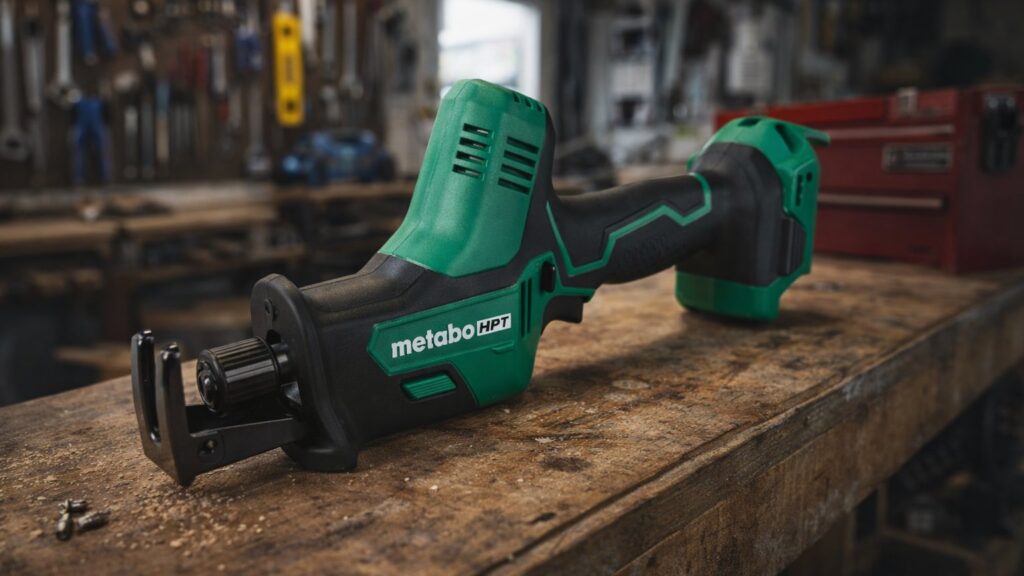
Buying framework
How to think about buying a reciprocating saw
Most reciprocating saws can make rough cuts through common materials. The differences that matter in real use show up in control, size, vibration, and how well the tool matches the type of cutting you actually do. Use this framework to decide what matters for your workload before narrowing down specific options.
Cutting role comes first: A saw intended for demolition, pruning, or one-handed overhead work should be chosen around that primary use, because size, power, and handling needs change with the task.
Control matters as much as power: Trigger response, speed modulation, and overall stability affect how cleanly you can start and guide a cut, especially in awkward positions or mixed materials.
Size changes the experience: Compact saws are easier to manage in tight spaces and during longer sessions. Larger saws offer more reach and cutting authority, but they can be harder to control and more fatiguing.
Choose the platform, not just the saw: Cordless ownership extends beyond the tool itself. Battery compatibility, charger setup, and future tool expansion all shape long-term convenience and flexibility.
Vibration affects real-world use: Stroke length and speed matter, but so do balance, grip design, and vibration management. A saw that feels unsettled in use can reduce accuracy and increase fatigue over time.
Who this is for
Pick the saw that matches how you actually work
The right reciprocating saw depends on the type of cutting you do, how often you use it, and whether control or cutting speed matters more in your environment. Use these profiles to align tool size, handling, and capability with the work you actually perform.
Homeowners & light use: prioritize manageable size, smooth trigger control, and low vibration for occasional tasks like pruning, small demolition, and general repairs. What matters most is ease of handling and predictable cutting without excess weight.
Weekend projects (remodels, yard work, tear-outs): prioritize consistent cutting performance, comfortable ergonomics, and enough runtime for extended sessions. What matters most is a balance between power and control across mixed materials.
Tight spaces & overhead work: prioritize compact form, lighter weight, and good visibility along the blade for controlled positioning in confined areas. What matters most is maneuverability and reduced fatigue during awkward cuts.
Frequent demolition & heavy use: prioritize sustained cutting ability, durable construction, and stability under load for repeated cuts through dense or varied materials. What matters most is consistency and control during demanding, repetitive work.
General-purpose households: prioritize versatility, comfortable grip, and a balanced size that can handle a range of tasks without specialization. What matters most is adaptability across occasional cutting needs without overcomplicating use.
What to pay attention to
Which reciprocating saw specs actually matter
Spec sheets can make reciprocating saws look dramatically different, but many numbers are presented without context or measured under ideal conditions. These are the specifications that affect real-world use — and the ones that rarely change how the saw actually feels during cutting.
Specs that affect feel
Control, vibration, balance, and ergonomics determine how stable and predictable the saw feels during a cut.
Specs that affect capability
Stroke length, speed range, and battery setup determine how efficiently the saw handles different materials.
Trigger response: Smooth, controllable speed modulation makes it easier to start cuts cleanly and maintain accuracy, especially when working on uneven surfaces or mixed materials.
Weight and balance: Overall weight matters less than how the saw feels in hand. Front-heavy designs or larger batteries can increase fatigue, particularly during overhead or extended use.
Vibration and stability: Reciprocating motion creates inherent vibration, but design and damping can reduce how much reaches your hands. Lower vibration improves control and reduces fatigue over time.
Stroke length: Longer strokes remove more material per pass and can increase cutting speed, but they may feel less controlled in tighter or more delicate work.
Speed (SPM): Higher strokes per minute can speed up cuts, but effective performance depends on maintaining that speed under load rather than peak numbers alone.
Often overhyped: peak speed ratings, voltage labeling, and isolated performance claims that don’t reflect control, vibration, or consistency during real cutting conditions.
Avoid these traps
Common mistakes people make when buying a reciprocating saw
Most dissatisfaction with a reciprocating saw comes from choosing the wrong size or setup for how it’s actually used. These are the most common mistakes we see—and how to avoid them before you buy.
Focusing on speed instead of control: Higher stroke rates can look appealing, but they don’t help if the saw feels difficult to manage or starts too aggressively. In practice, controlled starts and steady handling matter more than peak cutting speed.
Choosing a full-size saw for all tasks: Larger saws offer more cutting power, but they can be harder to maneuver and more fatiguing in tight or overhead work. Many users benefit more from a size that matches how and where the saw will actually be used.
Ignoring weight and balance with the battery: Published weights rarely reflect how the saw feels in use. Heavier battery setups can shift balance forward and increase fatigue, especially during extended or awkward cuts.
Assuming more power improves every cut: Higher cutting force can help in dense materials, but it can also reduce precision and increase vibration in lighter tasks. Matching capability to typical materials leads to a more consistent experience.
Overlooking vibration and ergonomics: Reciprocating motion naturally creates vibration, and poorly managed designs can quickly become tiring to use. Comfort, grip design, and stability often shape the experience more than headline specifications.
Assuming all cordless platforms feel the same: Battery systems vary in size, weight, and long-term compatibility. Thinking beyond the saw itself helps avoid tradeoffs that only become noticeable after extended use.
Decision guidance
Which type of reciprocating saw is right for you
The right reciprocating saw depends more on how you cut than on headline specifications. Use this to match tool size and capability to your real workload—not occasional heavy tasks.
Choose a compact saw if: your work involves tight spaces, overhead cuts, or frequent repositioning. Compact designs are easier to control and less fatiguing, making them better suited for pruning, light demolition, and confined environments where maneuverability matters more than cutting speed.
Choose a full-size saw if: you regularly cut through thicker materials or perform extended demolition work. Larger saws maintain cutting speed under load and offer more reach, but they require more control and can become tiring during longer sessions or awkward cuts.
If you’re deciding between sizes: prioritize how the saw feels during your most common tasks. A lighter, more balanced tool that stays controllable through repeated cuts often delivers better results than one that only shows its advantage in occasional heavy use.
Match the saw to your 80% tasks: most use centers around moderate cutting rather than continuous heavy demolition. Selecting a saw that performs well in everyday conditions leads to more consistent control and less fatigue over time.
When a reciprocating saw isn’t the right tool: if your work requires precise, straight cuts or clean finishes, other saw types may be more appropriate. Reciprocating saws are designed for flexibility and access, not fine accuracy or repeatable precision.
Ownership & compatibility
What you’re really buying into long term
A reciprocating saw isn’t just a one-time purchase. Long-term value comes from the battery system, parts availability, service support, and how easily the tool fits into your workflow as your needs grow.
Battery options and runtime: Choose a platform that offers both compact and larger battery sizes. Smaller packs improve handling for quick cuts, while higher-capacity batteries support longer sessions and reduce interruptions.
Platform commitment: If you already own compatible batteries and chargers, staying within that system simplifies ownership. If starting fresh, consider how broadly the platform supports other tools and whether it’s likely to remain available over time.
Blades, fit, and wear items: Reciprocating saws rely heavily on consumables, especially blades. Standard blade compatibility, easy blade changes, and access to replacement parts all affect day-to-day usability and long-term maintenance.
Durability and service support: Internal components, housing strength, and switch durability influence how the tool holds up over repeated use. Accessible service options and replacement parts availability matter more over time than initial impressions.
Total cost of ownership: Batteries and replacement blades are the primary long-term cost drivers. Kits can make sense if you need a full setup, while tool-only options are more practical if you already own compatible batteries.
FAQ
Reciprocating saw buying guide FAQ
Quick answers to the questions people ask most when choosing a reciprocating saw—focused on real use, not spec-sheet hype.
Do I need a full-size reciprocating saw, or is a compact one enough?
What’s the difference between stroke length and speed (SPM)?
How important is power for a reciprocating saw?
What battery size (Ah) should I use?
Are all reciprocating saw blades compatible?
Do I need orbital action?
Is a reciprocating saw good for precise cuts?
What features actually matter day to day?
How long should a reciprocating saw last?
Bottom line
The simplest way to pick the right reciprocating saw
Most reciprocating saws can handle general cutting. The right one is the saw that feels controlled, balanced, and appropriate for the type of work you actually do most often.
If you want the easiest ownership experience: choose a battery platform you can stay in, and make sure it offers battery sizes that match both quick tasks and longer cutting sessions.
If control and comfort matter most: prioritize balance, vibration, and trigger response, since these factors directly affect how steady and predictable the saw feels during every cut.
If you do heavier cutting regularly: step up to a full-size saw for better performance under load, but avoid overcommitting if most of your work is lighter or intermittent.
If your work involves tight or awkward spaces: a more compact saw is usually easier to manage and less fatiguing, even if it offers less maximum cutting capacity.
Final check: consider how the saw will feel during your most common tasks—overhead cuts, confined spaces, or repeated use—and choose the setup that stays comfortable and controllable in that scenario.
Reading Shortcuts
Jump to the sections that matter most for choosing the right reciprocating saw.
Decision Reminders
A quick checklist before you commit to a reciprocating saw + battery platform.
- Prioritize control over raw speed: smooth trigger response and stability make cuts easier to start and guide.
- Match size to your work: compact saws handle tight spaces and overhead cuts, while full-size saws suit heavier, extended cutting.
- Battery choice changes the feel: larger packs increase runtime but can shift balance and add fatigue during longer sessions.
- Buy the platform, not just the saw: battery compatibility, tool range, and charging workflow shape long-term ownership.
- Plan for blade use and replacement: blades wear quickly, so easy changes and ongoing replacement needs are part of normal use.
- Don’t rely on peak specs alone: stroke rate and voltage labels matter less than how the saw performs under real cutting conditions.
Glossary Snippets
Quick translations for the terms that confuse buyers most.
When to Use a Top 10 Review
If you want the fastest shortlist, this is the format that gets you to a confident pick.
- You’re not sure what matters yet: It organizes key differences into real-world categories so you can quickly understand the landscape.
- You want a structured shortlist: It narrows the field into clear “Best Overall,” “Best Value,” and use-case-based groupings.
- You want quick direction before going deeper: It highlights which types of tools fit common workloads without requiring full-length reading.
- You’re comparing across use cases: It shows how different sizes and configurations align with specific tasks and environments.
Already down to 2–3 models? A Comparison is usually faster than reading full reviews.
When to Use a Comparison
Best when you’re choosing between specific models and want the clearest tradeoffs.
- You’re down to 2–3 finalists: side-by-side differences make tradeoffs easier to understand than separate reviews.
- You care about real-world feel: control, vibration, balance, and fatigue become clearer when tools are evaluated directly against each other.
- You want a winner by category: comparisons break down strengths across control, ergonomics, cutting behavior, and long-term ownership factors.
- You need a fast, confident decision: this format focuses on what separates options once your shortlist is already defined.
Still exploring? Start with a Top 10 to find the right “type” of drill first.