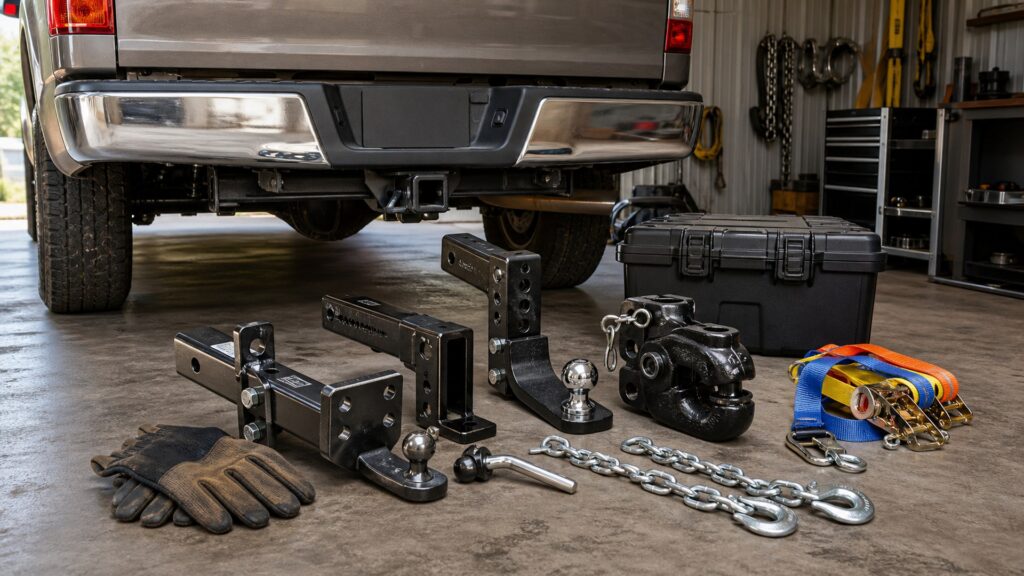
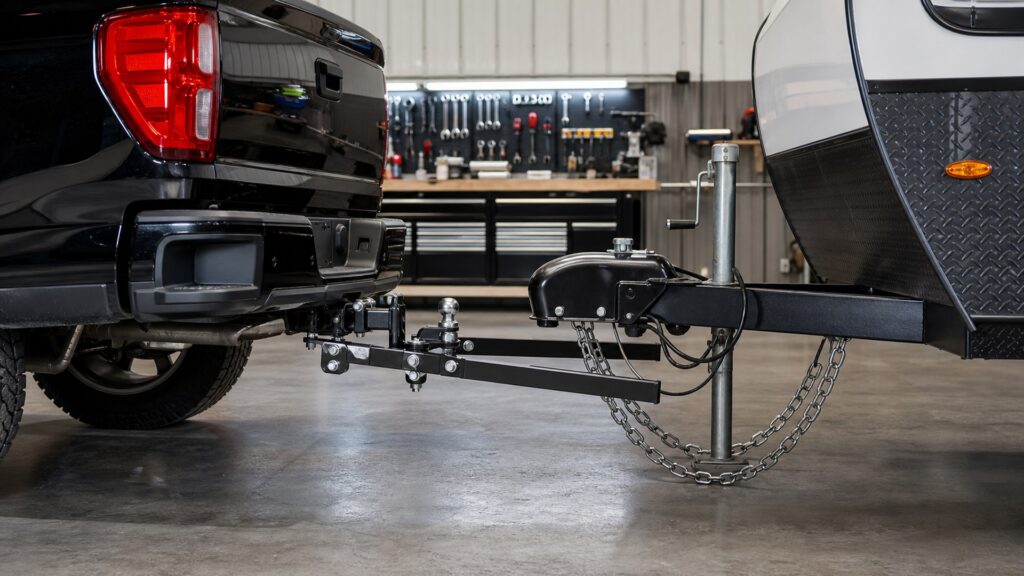
Whether you're hauling a camper across the country or towing a small utility trailer across town, choosing the right trailer hitch is the foundation of a safe, capable setup. This hub covers every major hitch type—from receiver and gooseneck to fifth wheel and weight distribution—with hands-on reviews, side-by-side comparisons, and expert buying guides. We help truck owners, RVers, and weekend haulers find the hitch that actually matches their tow rating, vehicle, and load.
Start Here
Browse by hitch type below to jump straight to reviews, comparisons, and guides tailored to your specific towing setup.
Jump straight to our strongest trailer hitches recommendations and best overall picks.
Browse the main kinds of trailer hitches to find the right fit for your needs.
See how types and top models stack up so you can understand tradeoffs before choosing.
Learn what matters most before you buy.
Featured
Our top picks highlight the best-performing hitches across key towing categories, vetted for build quality, weight capacity, and real-world reliability. Each featured pick is chosen to match a specific towing need—not just spec-sheet numbers.
Start with the trailer hitches category that matches your needs. Each type has its own hub with Top 10 lists, reviews, comparisons, and buying guides.
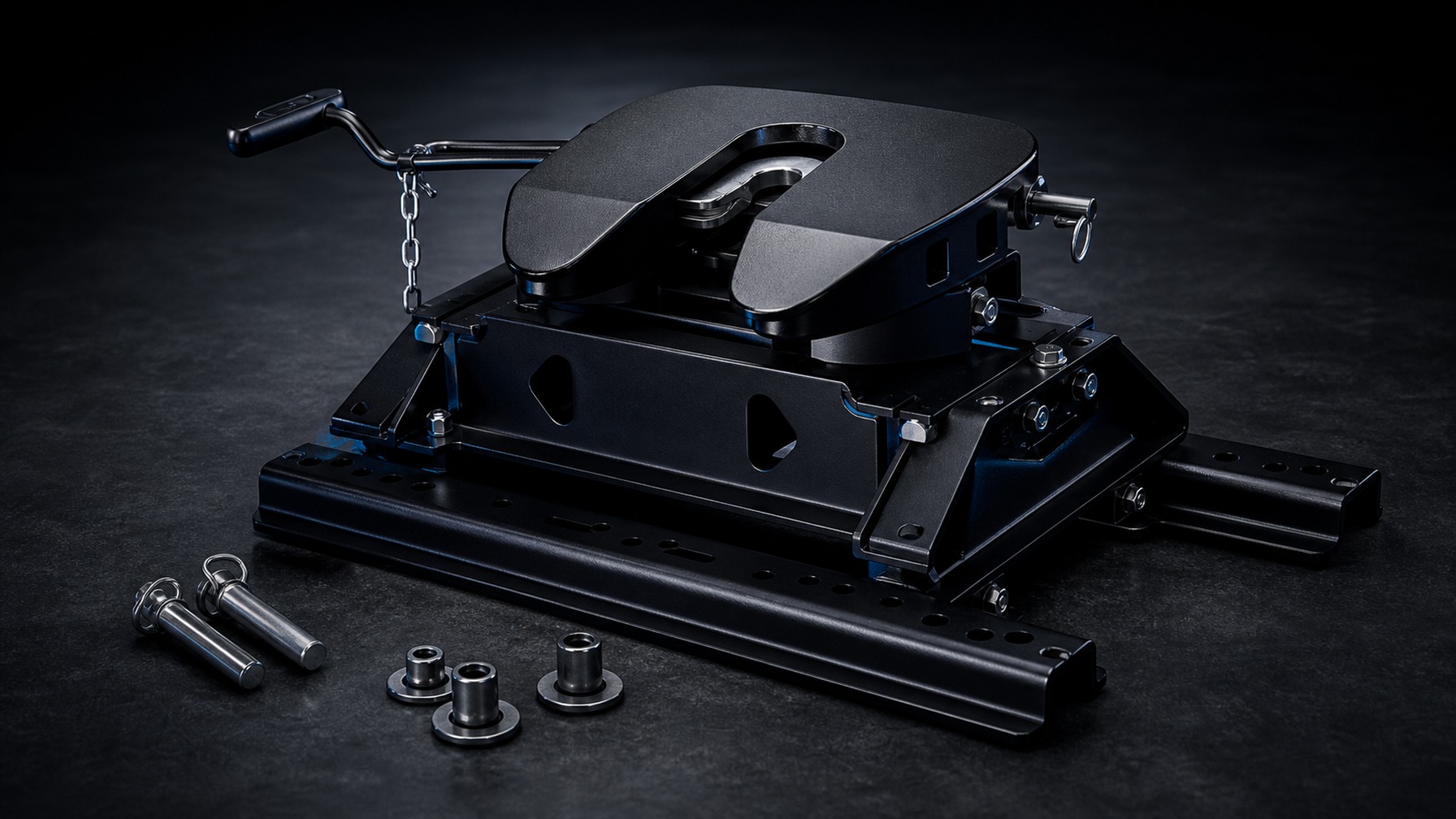
Fifth wheel hitches mount in a truck bed and couple to a kingpin on fifth wheel trailers, offering superior stability and high tow capacities ideal for large RVs and travel trailers.
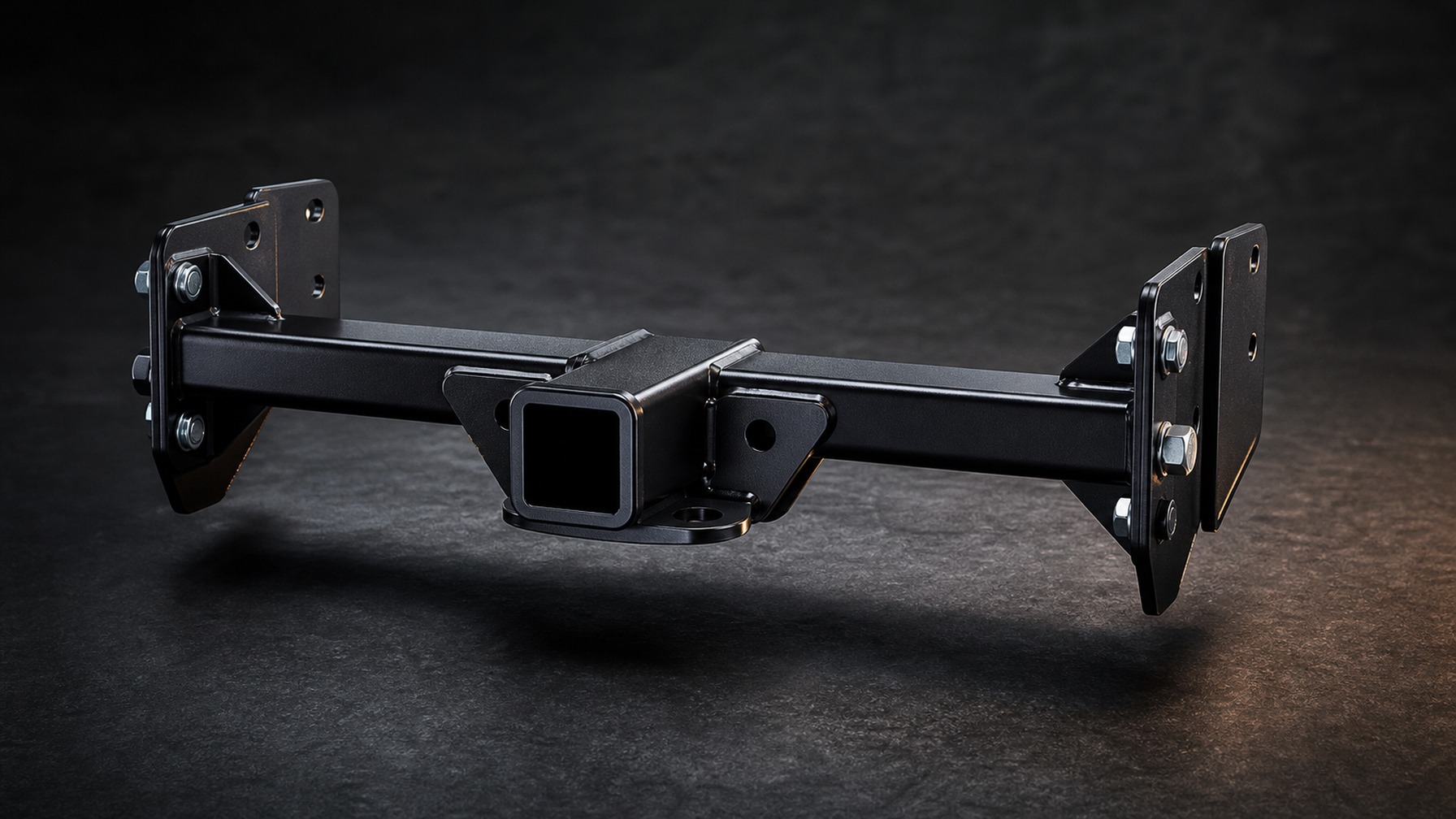
Front mount hitches attach to the front of your vehicle, enabling you to push loads, use front-mounted accessories, or maneuver trailers in tight spaces.
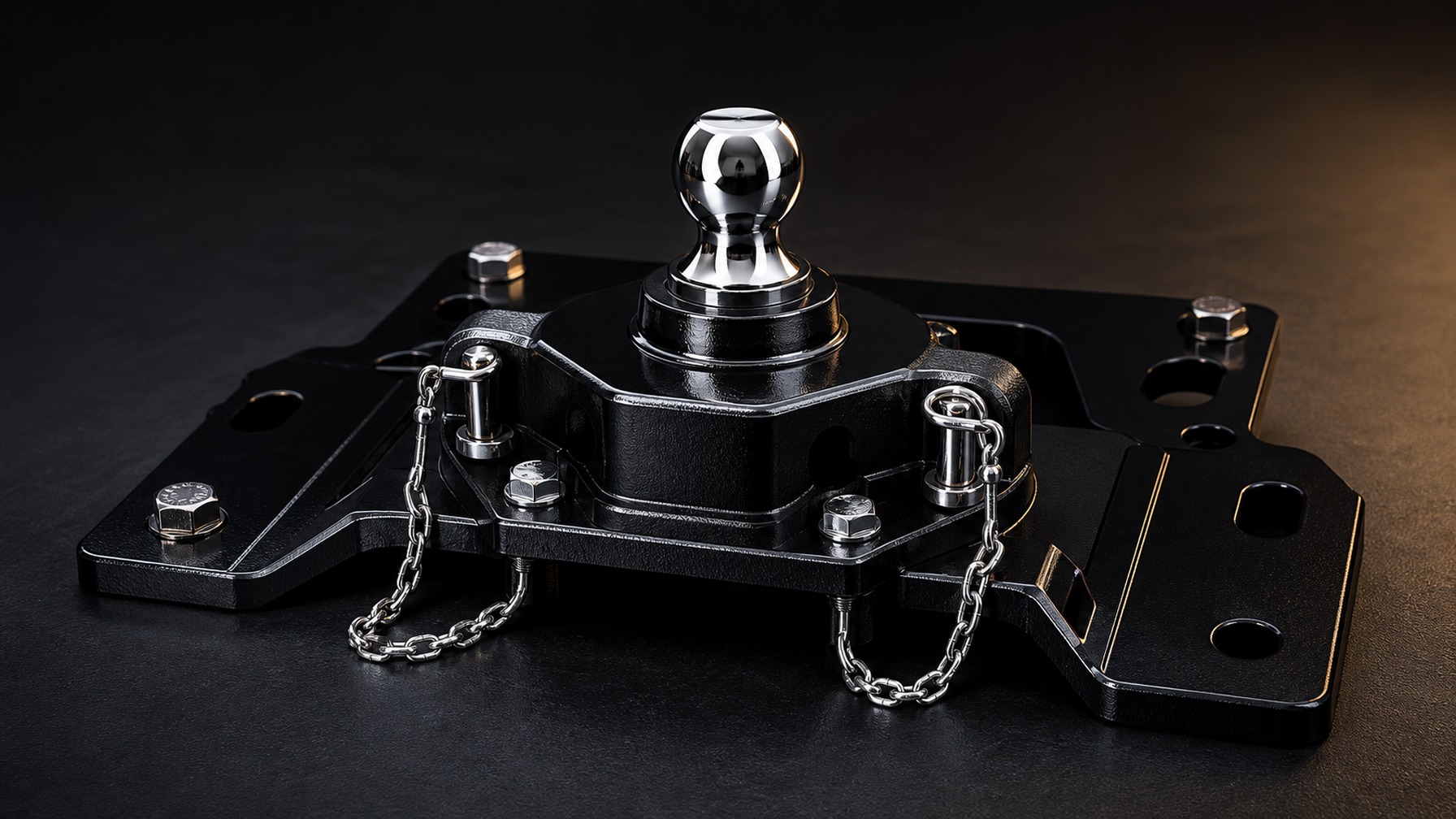
Gooseneck hitches use a ball-and-coupler connection in the truck bed to handle extreme payloads, making them a favorite for livestock, equipment, and flatbed trailers.
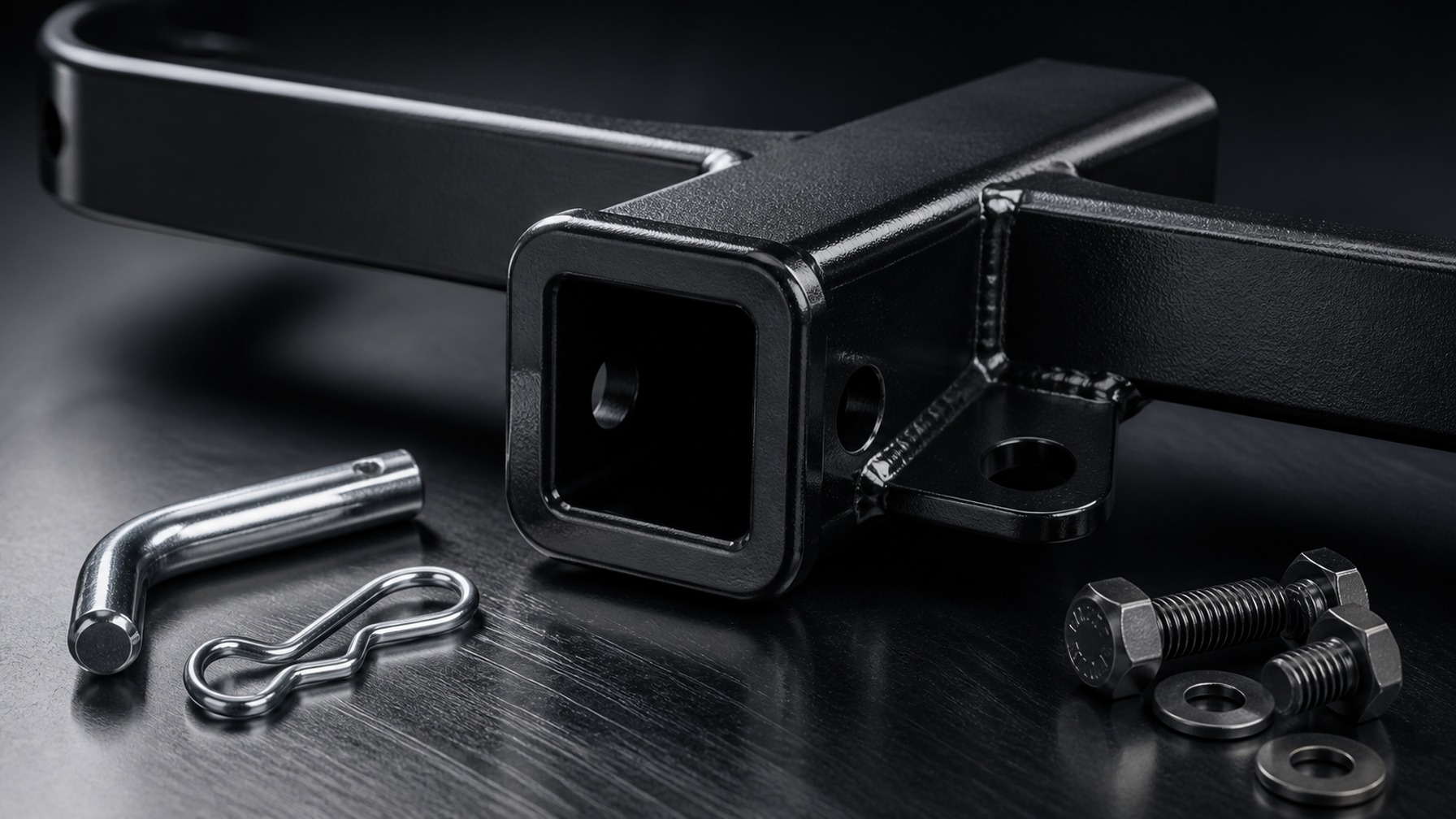
Receiver hitches are the most widely used hitch type, offering a standard square receiver tube that accepts a broad range of ball mounts, bike racks, cargo carriers, and towing accessories.
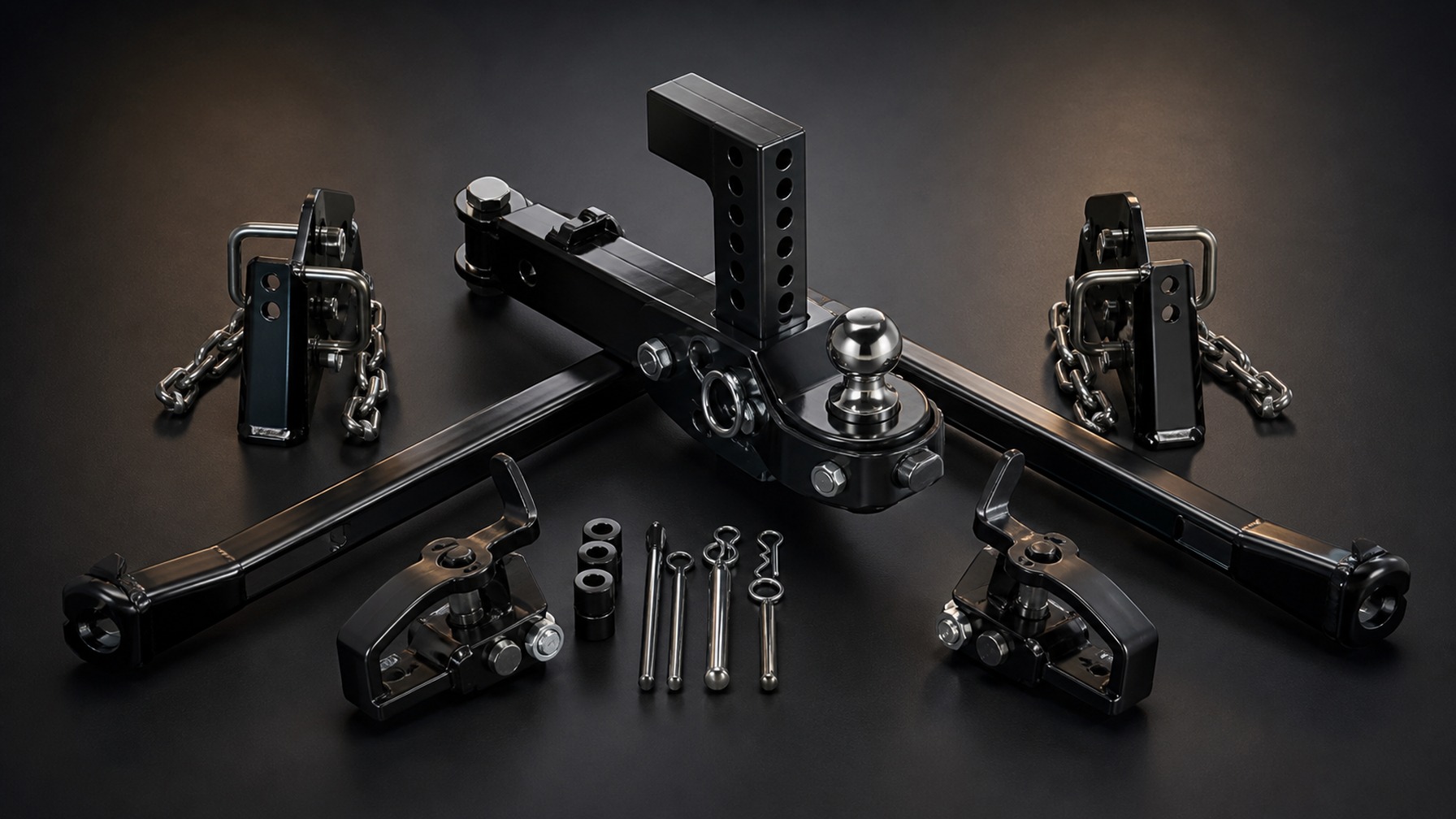
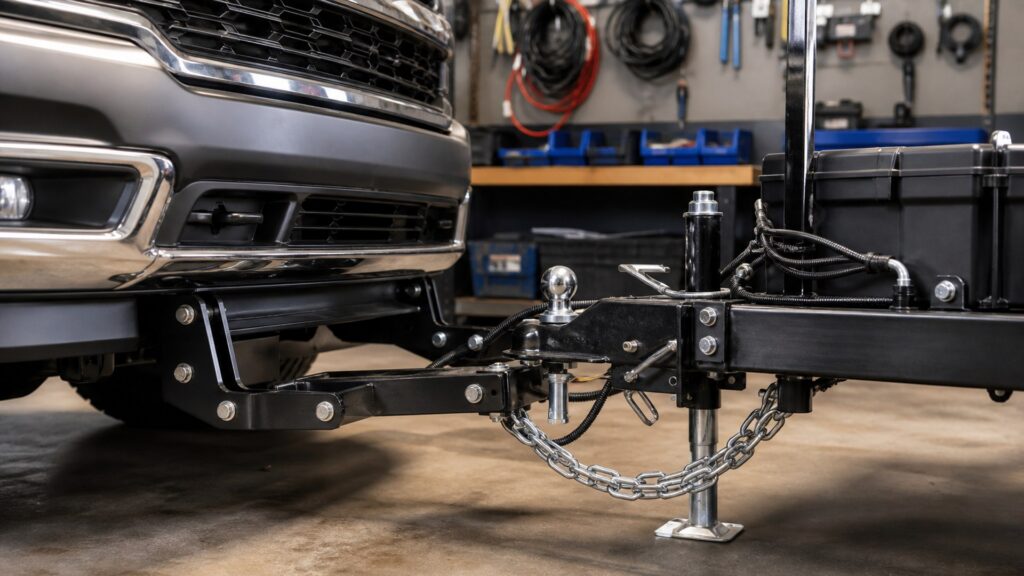
Weight distribution hitches redistribute tongue weight across all axles of the tow vehicle and trailer, reducing sag, improving steering, and increasing braking control on heavy loads.
Fresh Drops
Our trailer hitch reviews evaluate installation ease, tow rating accuracy, corrosion resistance, and long-term durability across brands like Curt, B&W, Reese, and more.
Side-by-side
Hitch comparisons break down differences in weight capacity, receiver size, compatibility, price, and warranty so you can confidently choose between competing models.
Smart Decisions
Our buying guides walk you through the most critical factors: gross trailer weight rating, tongue weight capacity, hitch class, vehicle compatibility, and ball mount requirements.
Our Process
Review Streets uses structured analysis and AI-assisted research to evaluate trailer hitches across performance, usability, and value. We combine manufacturer specifications, verified third-party testing data, professional feedback, and real customer experiences to surface meaningful differences between products.
Our system compares products side-by-side using normalized specifications, expert reviews, and aggregated user feedback to identify strengths, limitations, and best-fit use cases — delivering clear, practical guidance to help you choose the right trailer hitches for your needs.
Understand First
Explainers demystify key concepts like hitch classes, GVWR vs. GTW, sway control, weight distribution mechanics, and the difference between gooseneck and fifth wheel systems.
Browse by format
Prefer a specific format? Jump straight to it.
Choose a retailer
Prices checked regularly. We may earn a commission at no cost to you.