Buying Guides
Our buying guides cover baby breathing monitors, thermometers, nasal aspirators, and oxygen monitors — breaking down the specs, tradeoffs, and features that matter so you can choose the right device for your baby's needs.
Featured
High-impact baby health devices buying frameworks—covering the most common project types, feature classes, and use cases to help you narrow options quickly.
All Guides
Explore every baby health devices buying guide organized by type and use case—turning specs into decisions you can actually act on.
Browse
Jump straight to a Baby Health Devices type to explore buying guides built to help you choose the right features, level, and setup.
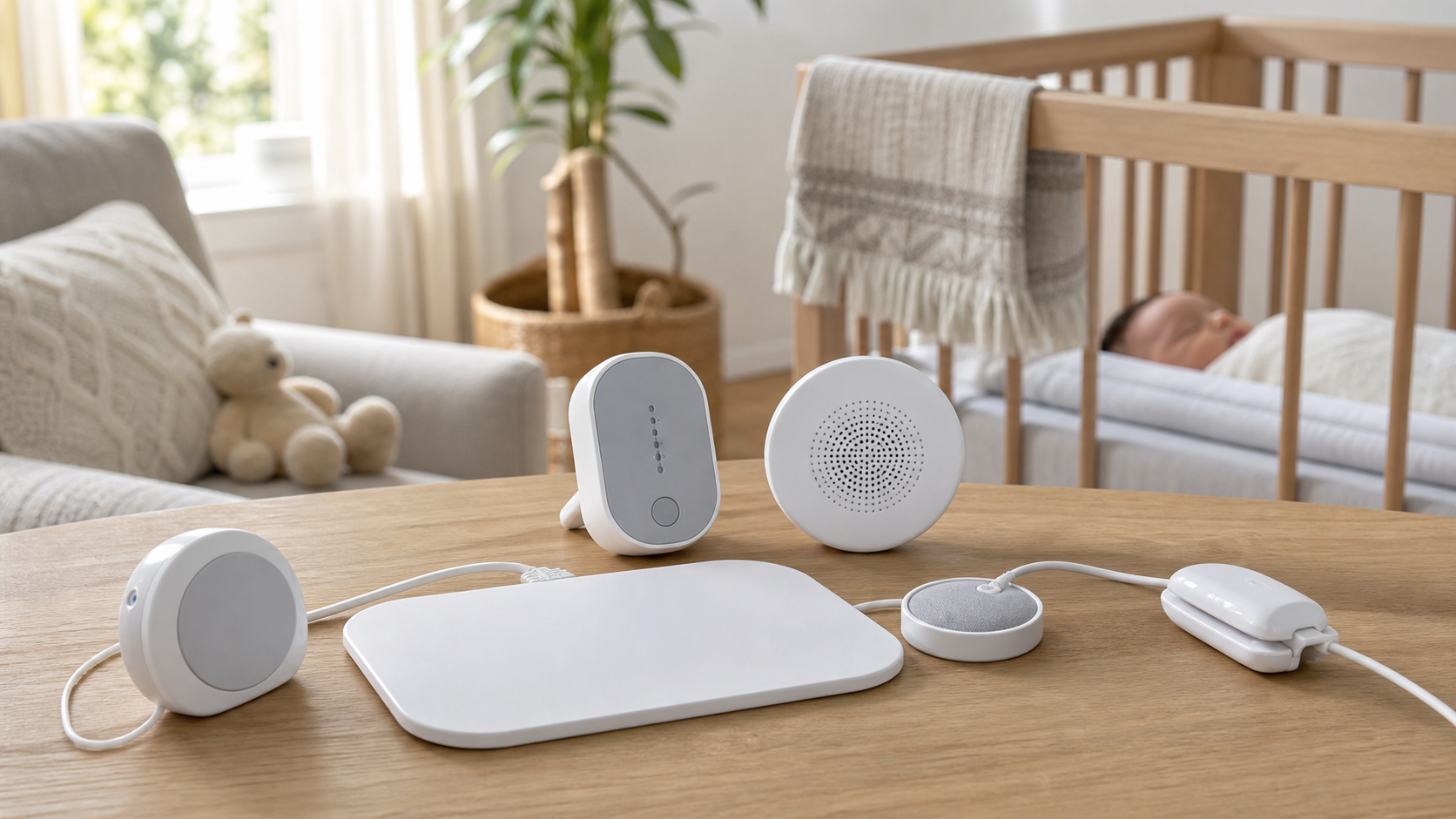
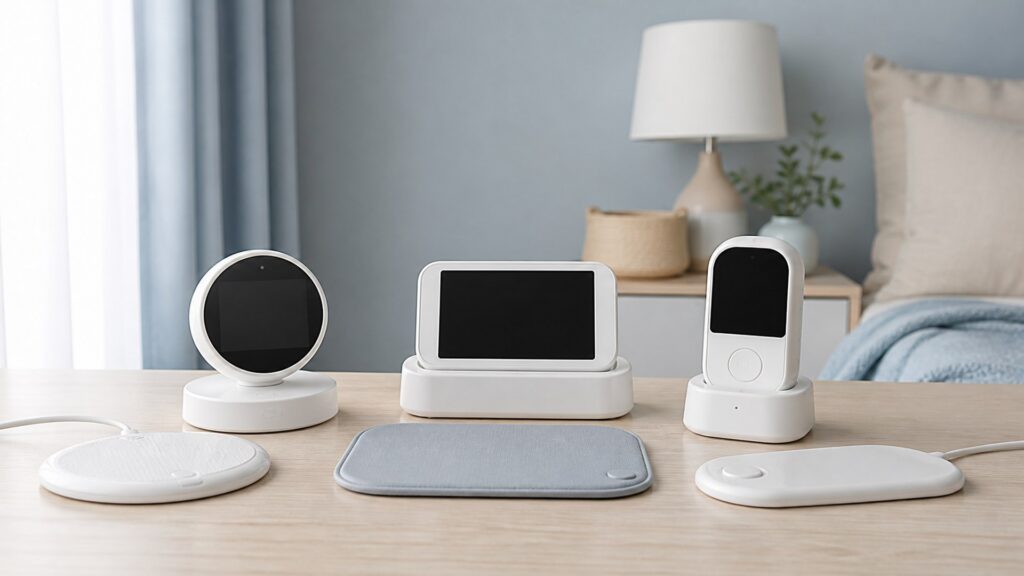
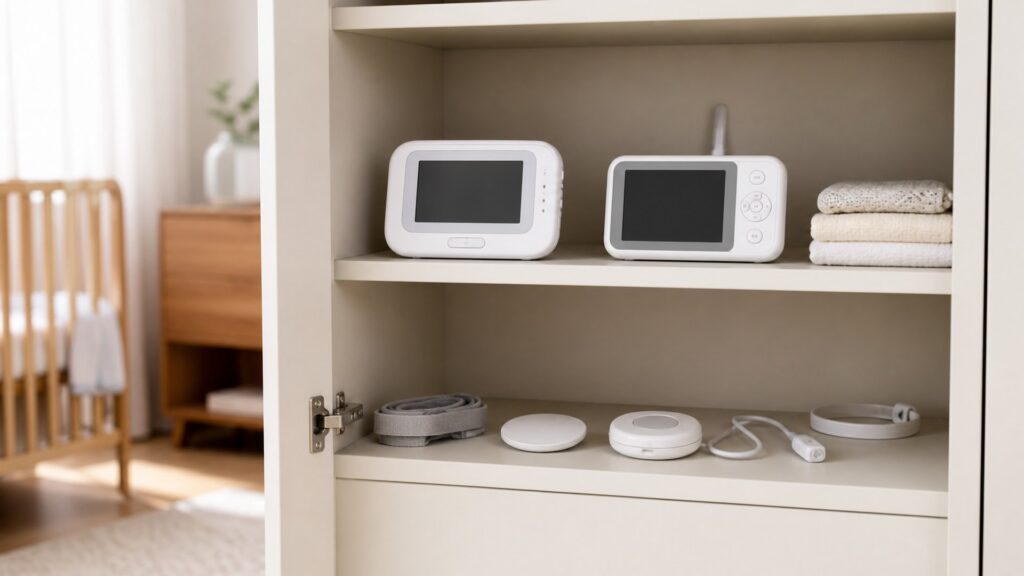
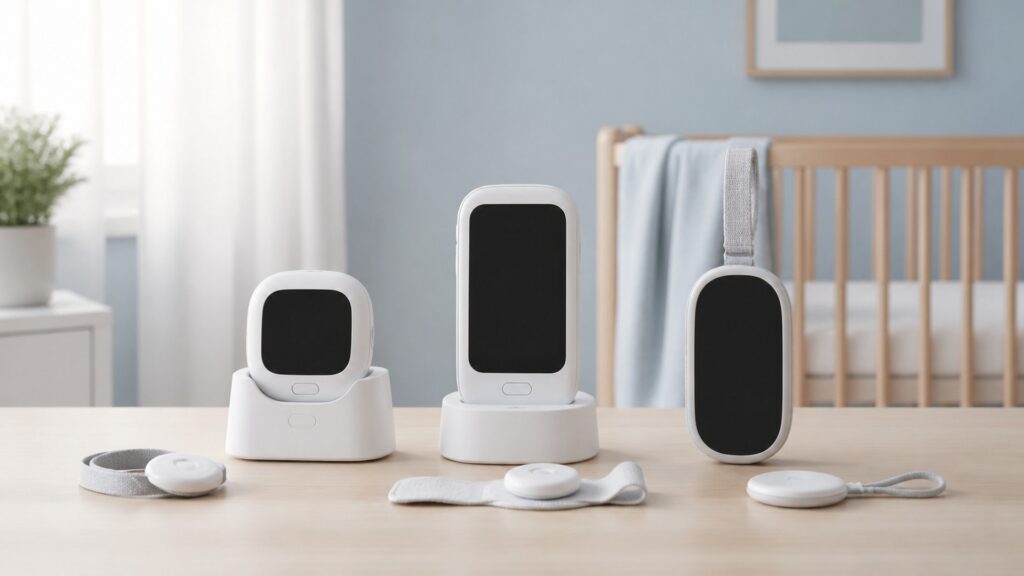
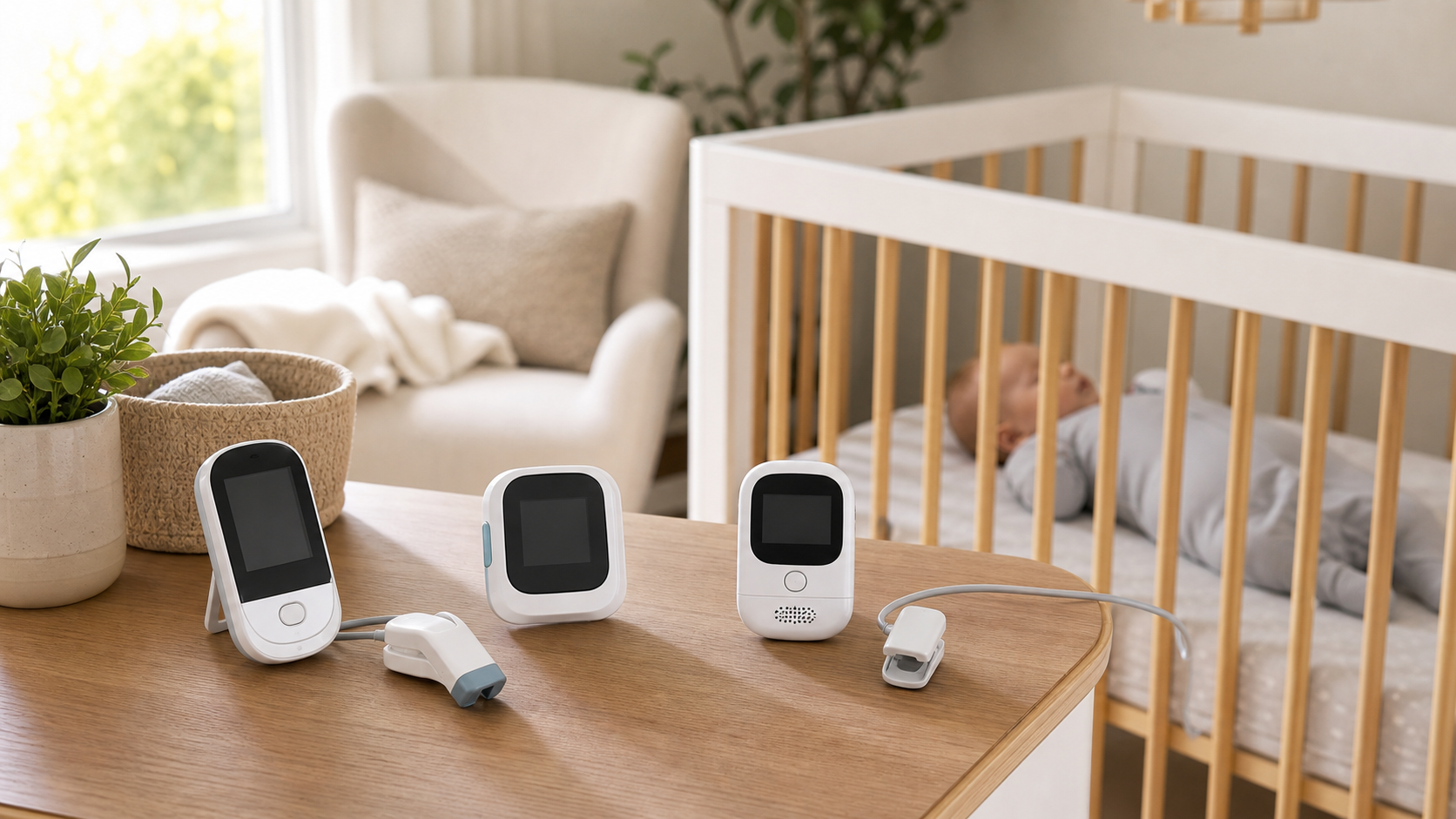
How to weigh sensor type, alert reliability, and wearable vs. mat designs for your baby.
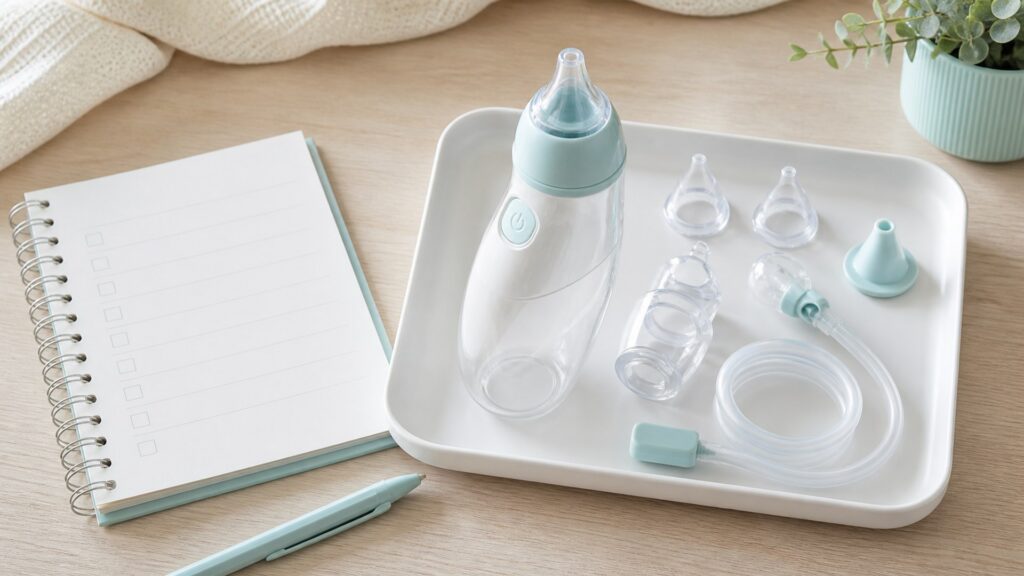
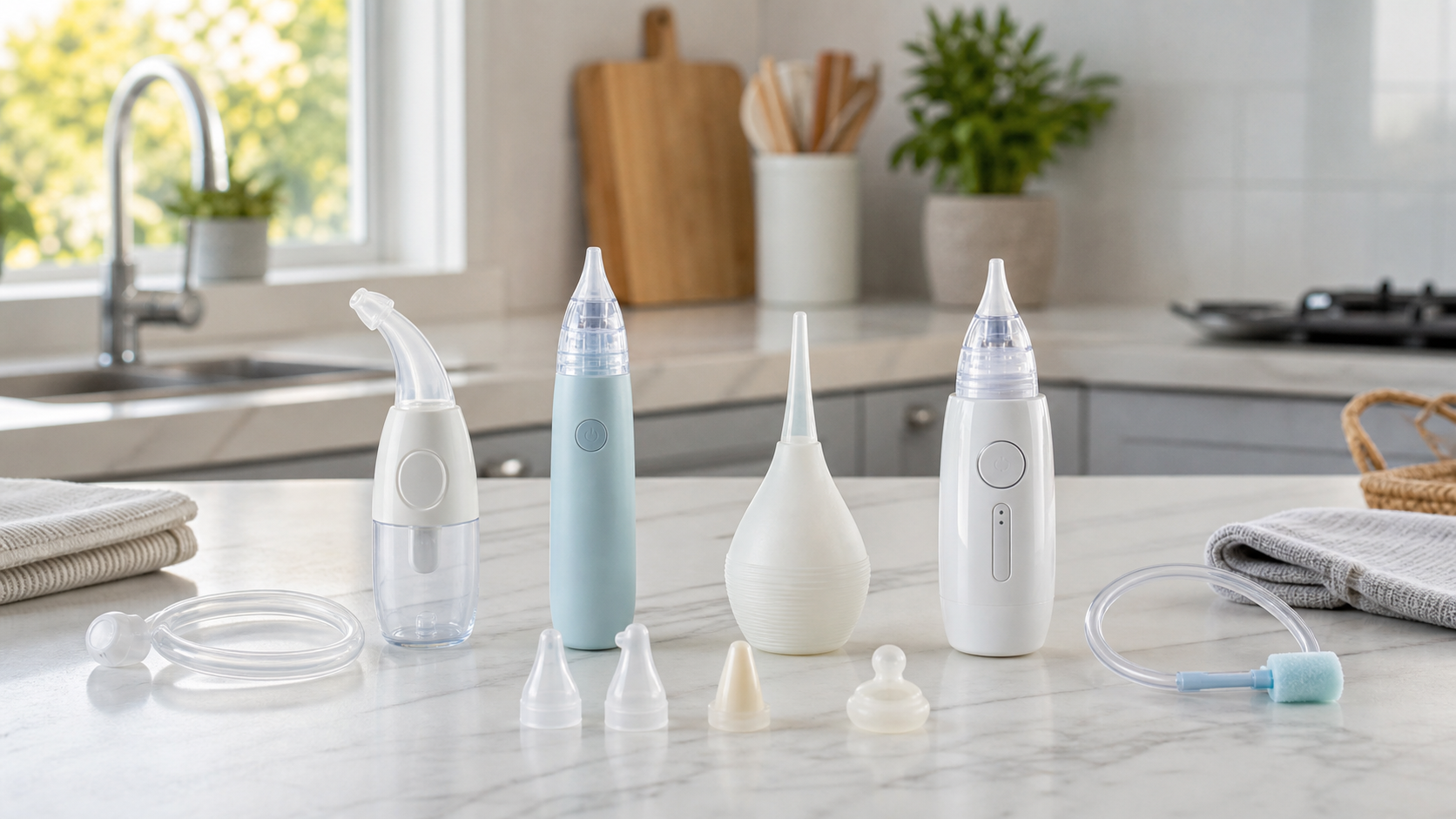
Manual vs. electric, suction strength, and hygiene design — what actually matters at 2 a.m.
How to evaluate accuracy, fit for small feet, and when a pulse oximeter is worth buying.
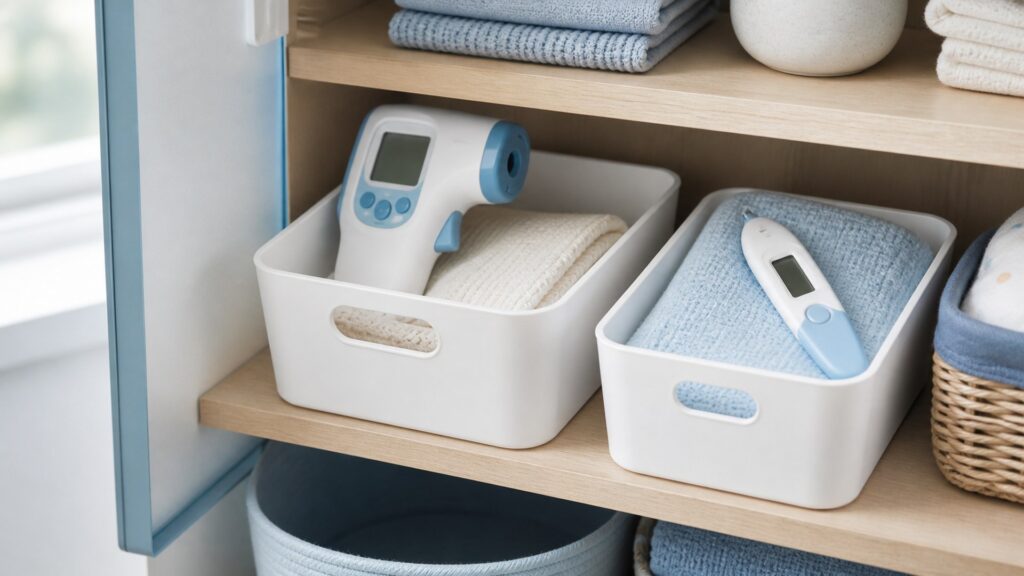
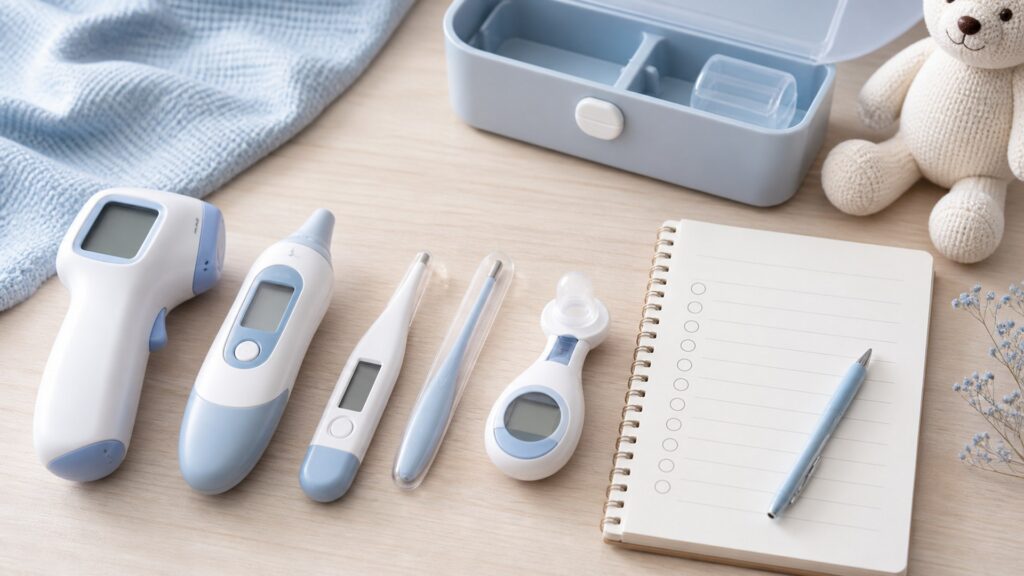
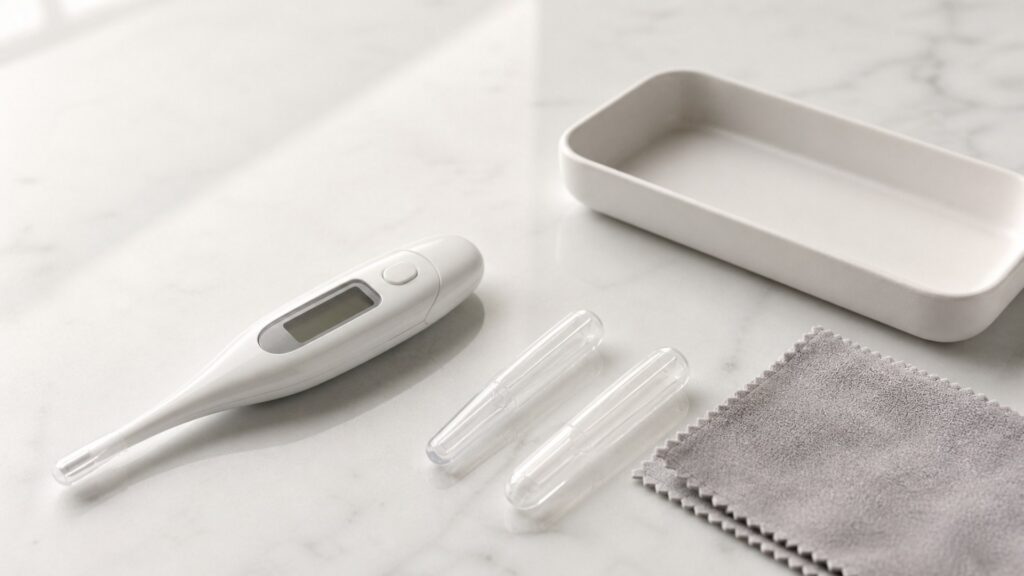
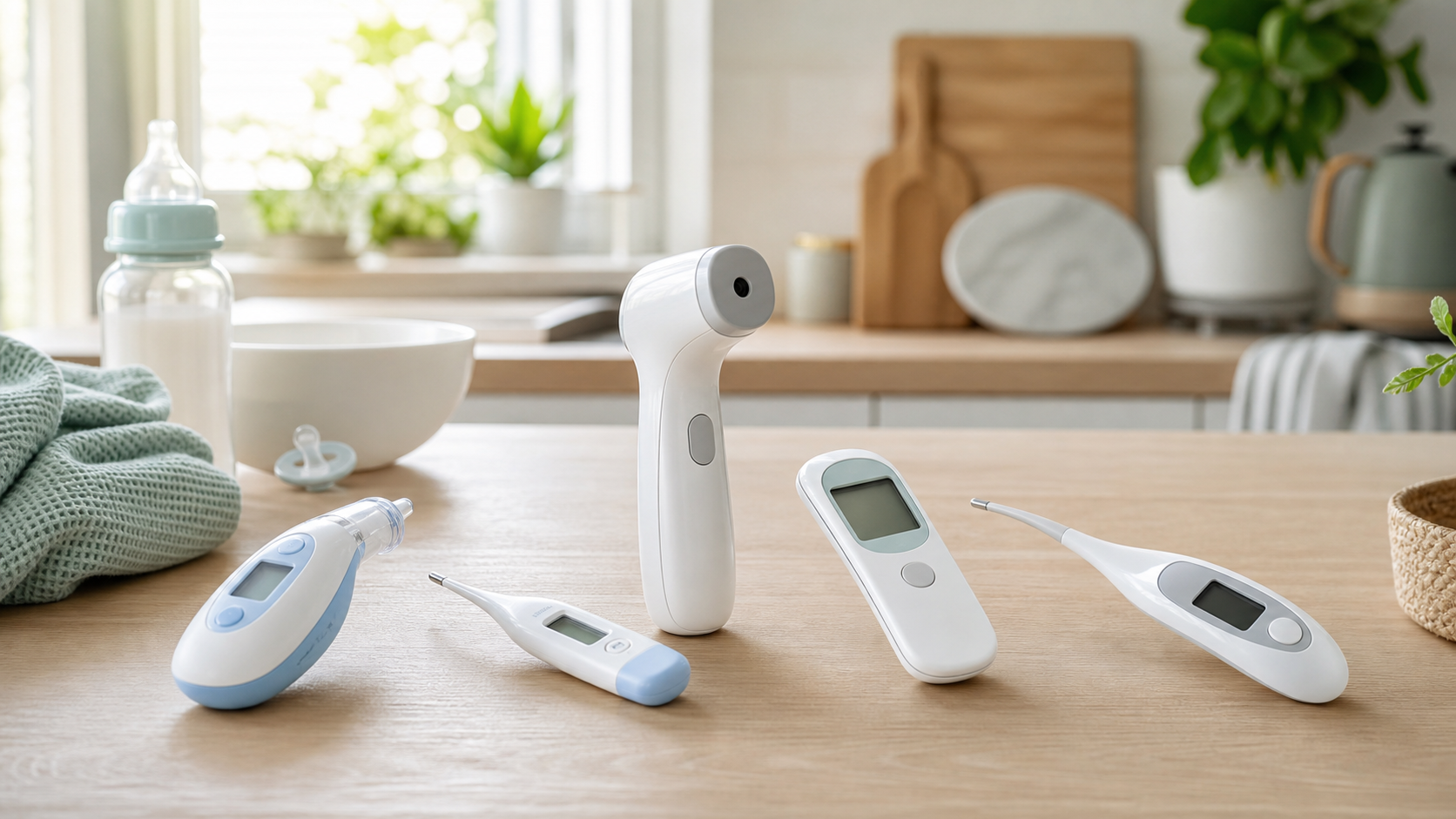
Rectal vs. temporal vs. ear — which method suits your baby's age, tolerance, and your routine.
Trust
We build buying guides to reduce confusion — clear decision frameworks, plain-English specs, and practical trade-offs so you choose the right baby health devices for your needs (not just the one with the loudest marketing).
Every guide starts with what you’re doing — your needs, frequency, and constraints — then maps that to the features and baby health devices type that actually fits.
We translate the specs that matter into what they mean in real use — so you can ignore noise and focus on the few details that affect your decision.
We update guides when new generations launch, options shift, or pricing changes — keeping recommendations aligned with what you can actually buy right now.
Next Steps
Use these buying frameworks to pick the right baby health devices type and setup—then jump to our top picks, narrow options with comparisons, or validate your choice with hands-on reviews.
Choose a retailer
Prices checked regularly. We may earn a commission at no cost to you.