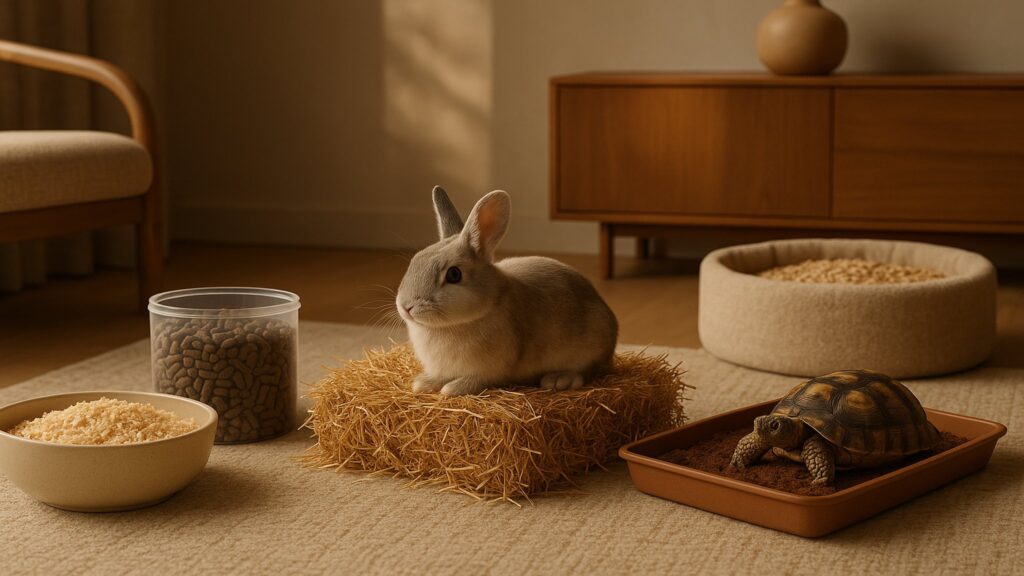
Finding the right substrate is one of the most critical decisions for your reptile or amphibian's health, comfort, and habitat realism. This hub covers bioactive mixes, coconut fiber, bark, and sand substrates with honest reviews, side-by-side comparisons, and expert buying guidance. Whether you're setting up a desert vivarium or a tropical bioactive enclosure, we help you choose with confidence.
Start Here
Browse by substrate type below or jump straight to reviews, comparisons, and buying guides for the bedding that fits your setup.
Jump straight to our strongest substrates & bedding recommendations and best overall picks.
Browse the main kinds of substrates & bedding to find the right fit for your needs.
See how types and top models stack up so you can understand tradeoffs before choosing.
Learn what matters most before you buy.
Featured
Our top picks highlight the best-performing substrates across moisture retention, safety, and species compatibility. These are the options our reviewers consistently recommend for common reptile and amphibian setups.
Start with the substrates & bedding category that matches your needs. Each type has its own hub with Top 10 lists, reviews, comparisons, and buying guides.
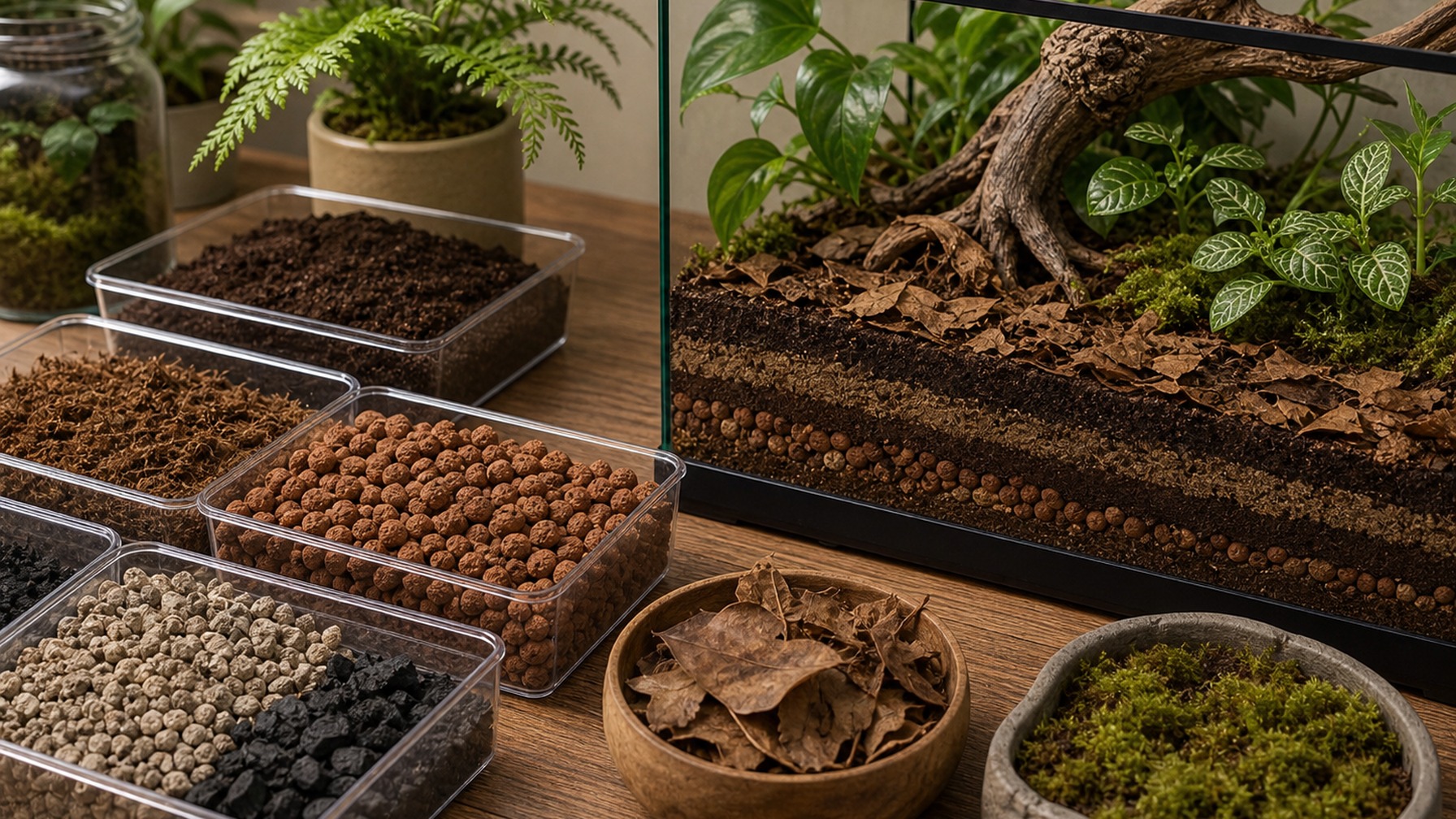
Bioactive substrates support beneficial microfauna, live plants, and natural waste cycling to create self-sustaining, enriching enclosures for reptiles and amphibians.
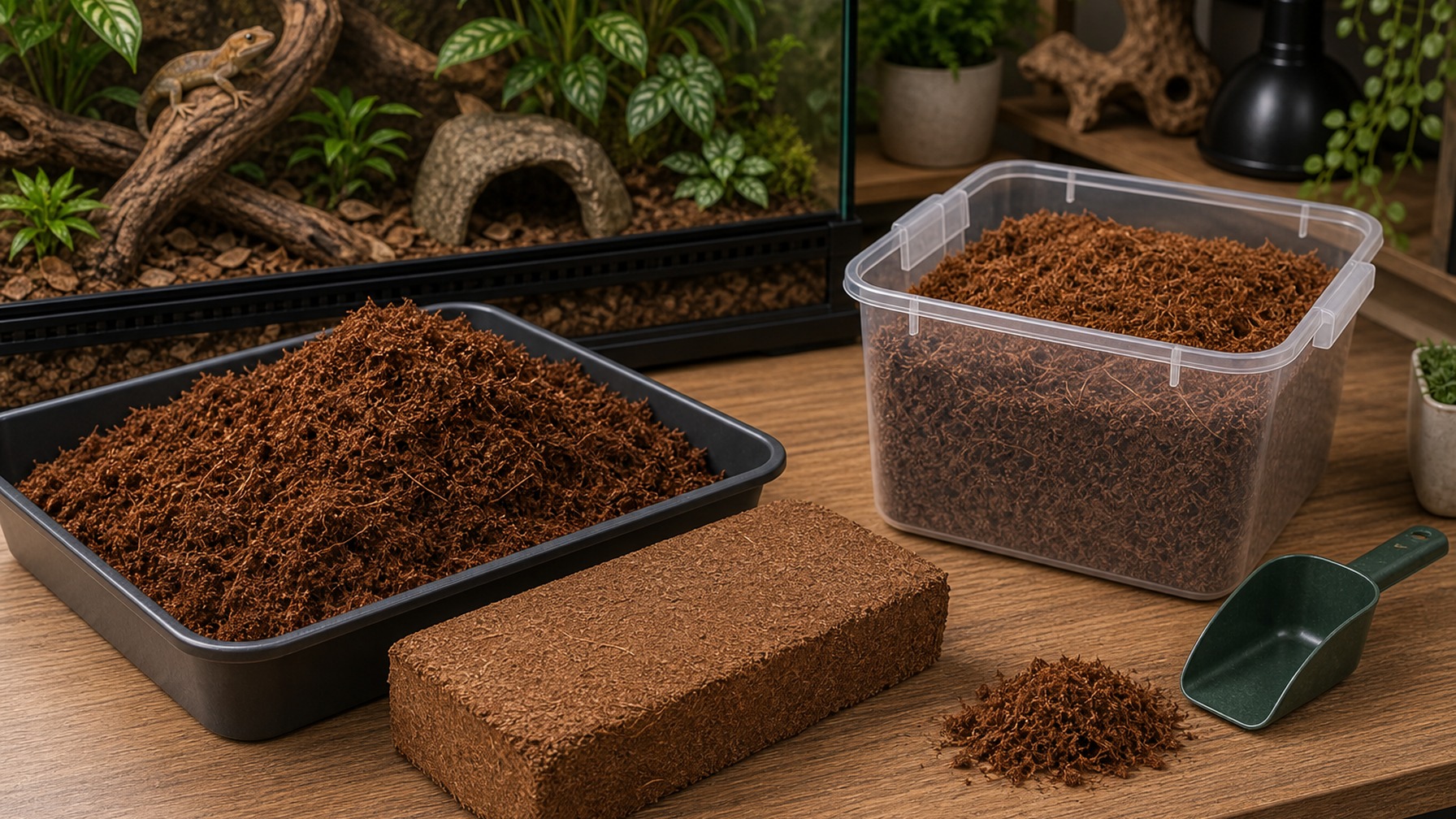
Coconut fiber substrate excels at retaining moisture, suppressing odors, and providing a soft, naturalistic burrowing medium for tropical and semi-arid species alike.
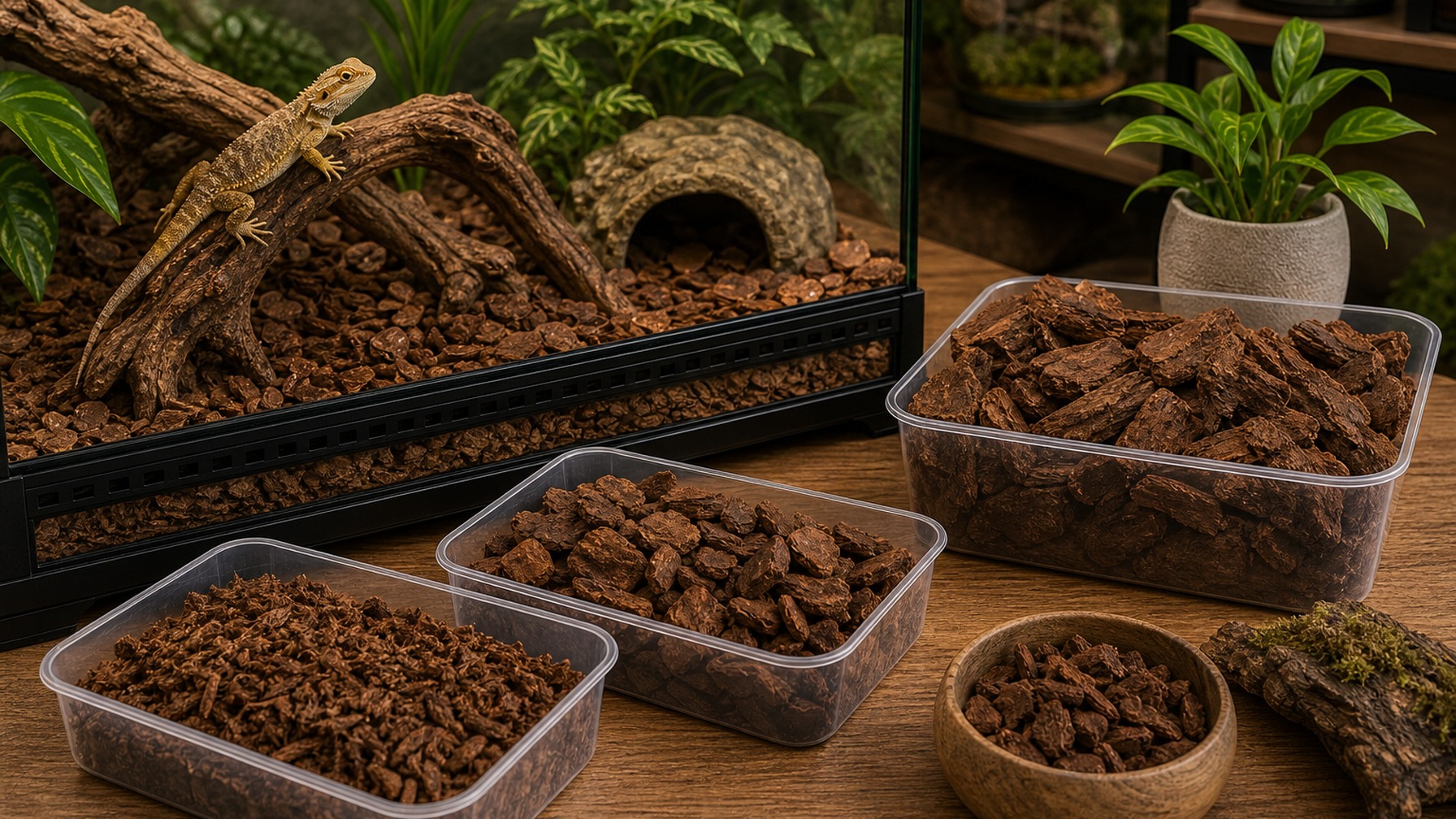
Reptile bark substrate mimics forest floor conditions, offering excellent humidity regulation and a naturalistic aesthetic for snakes, geckos, and other woodland species.
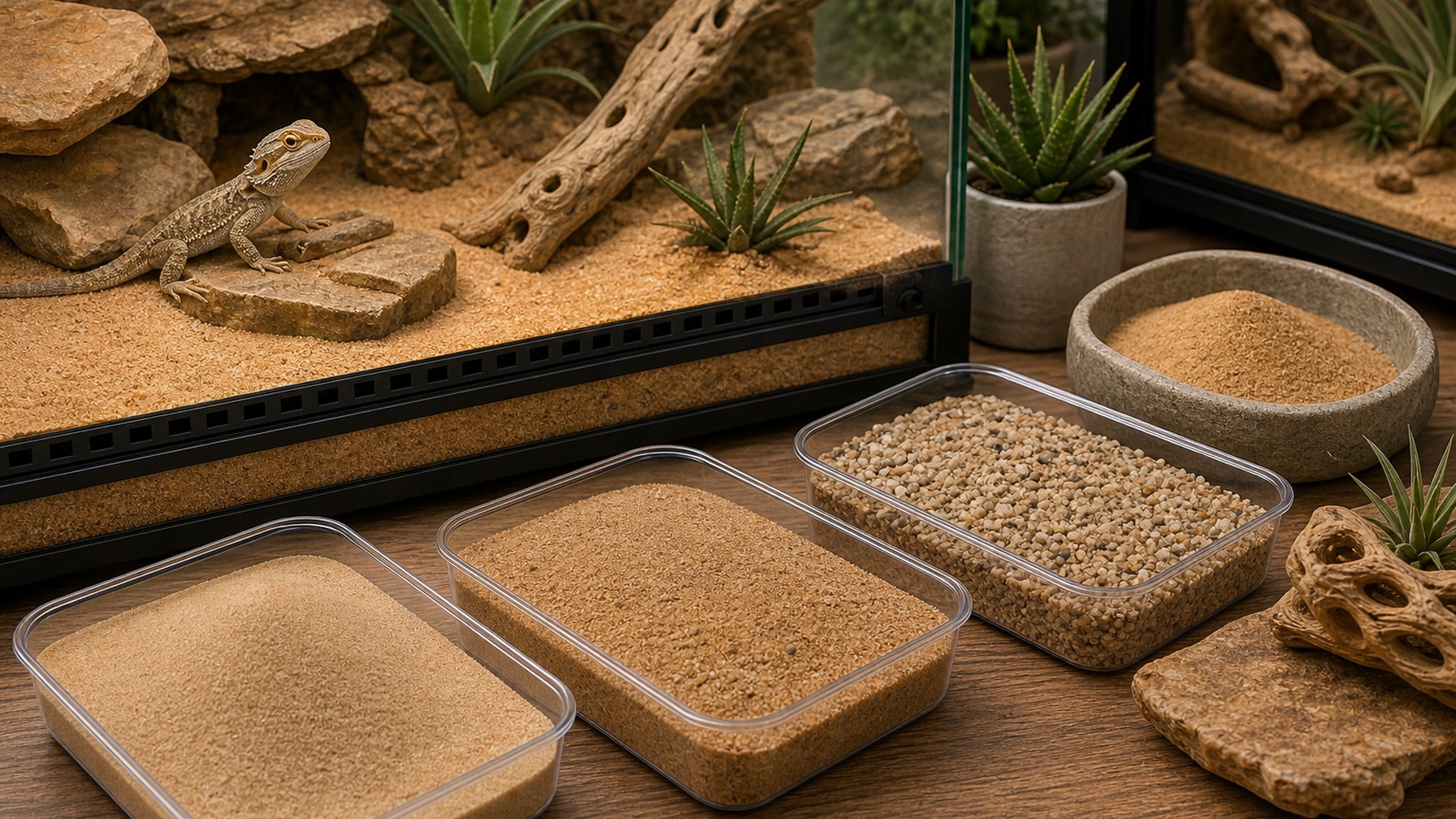
Sand substrate replicates dry, desert environments for species like bearded dragons and uromastyx, but requires careful selection to minimize impaction and respiratory risks.
Fresh Drops
Each review tests real-world performance across odor control, dust levels, moisture retention, and how well the substrate supports animal behavior and health.
Side-by-side
Our comparisons pit leading substrates head-to-head on particle size, humidity impact, digestibility risk, and value per liter so you can zero in on the right pick.
Smart Decisions
Our buying guides walk you through the key factors—species requirements, enclosure size, humidity needs, bioactive compatibility, and impaction risk—before you spend a penny.
Our Process
Review Streets uses structured analysis and AI-assisted research to evaluate substrates & bedding across performance, usability, and value. We combine manufacturer specifications, verified third-party testing data, professional feedback, and real customer experiences to surface meaningful differences between products.
Our system compares products side-by-side using normalized specifications, expert reviews, and aggregated user feedback to identify strengths, limitations, and best-fit use cases — delivering clear, practical guidance to help you choose the right substrates & bedding for your needs.
Understand First
Explainers break down confusing concepts like bioactive cycling, cation exchange capacity, substrate layering, and the difference between loose-fill and solid-mat options.
Browse by format
Prefer a specific format? Jump straight to it.
Choose a retailer
Prices checked regularly. We may earn a commission at no cost to you.