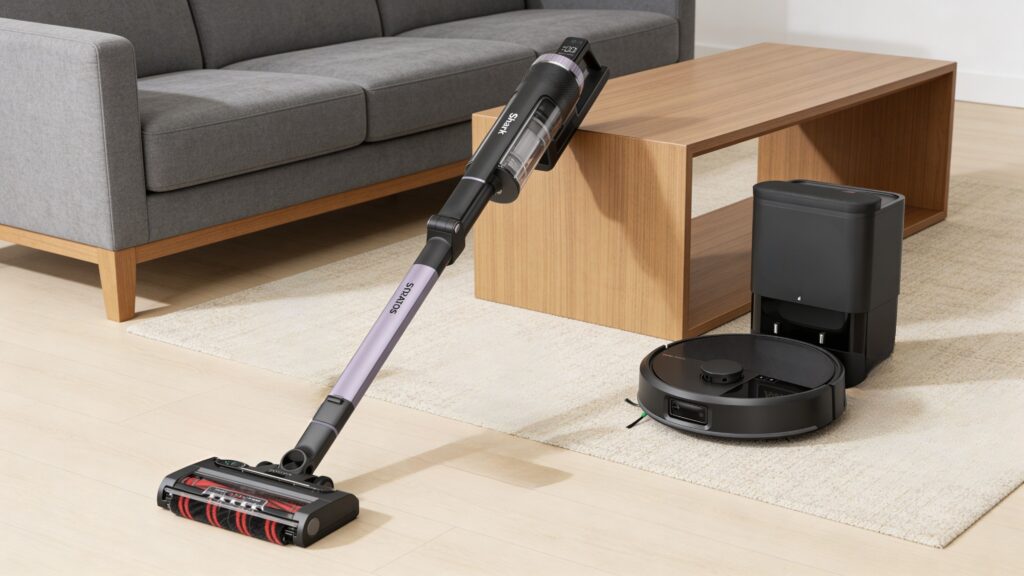
Robot Vacuums vs Traditional Vacuums – Which Cleaning Approach Is Better

Robot vacuums and traditional vacuums represent two very different cleaning approaches. This comparison examines convenience, cleaning performance, cost, and real-world practicality to help determine which method fits different households.

By: Review Streets Research Lab
Updated: April 13, 2026
Approx. 10–12 min read
Robot Vacuums vs Traditional Vacuums Cleaning Comparison

Head-to-head

Robot Vacuums vs Traditional Vacuums – Which Cleaning Approach Is Better?

A clean A/B view of what matters in real homes: automated upkeep, deep-clean ability, edge and carpet performance, maintenance demands, and the long-term tradeoffs between convenience and hands-on control.
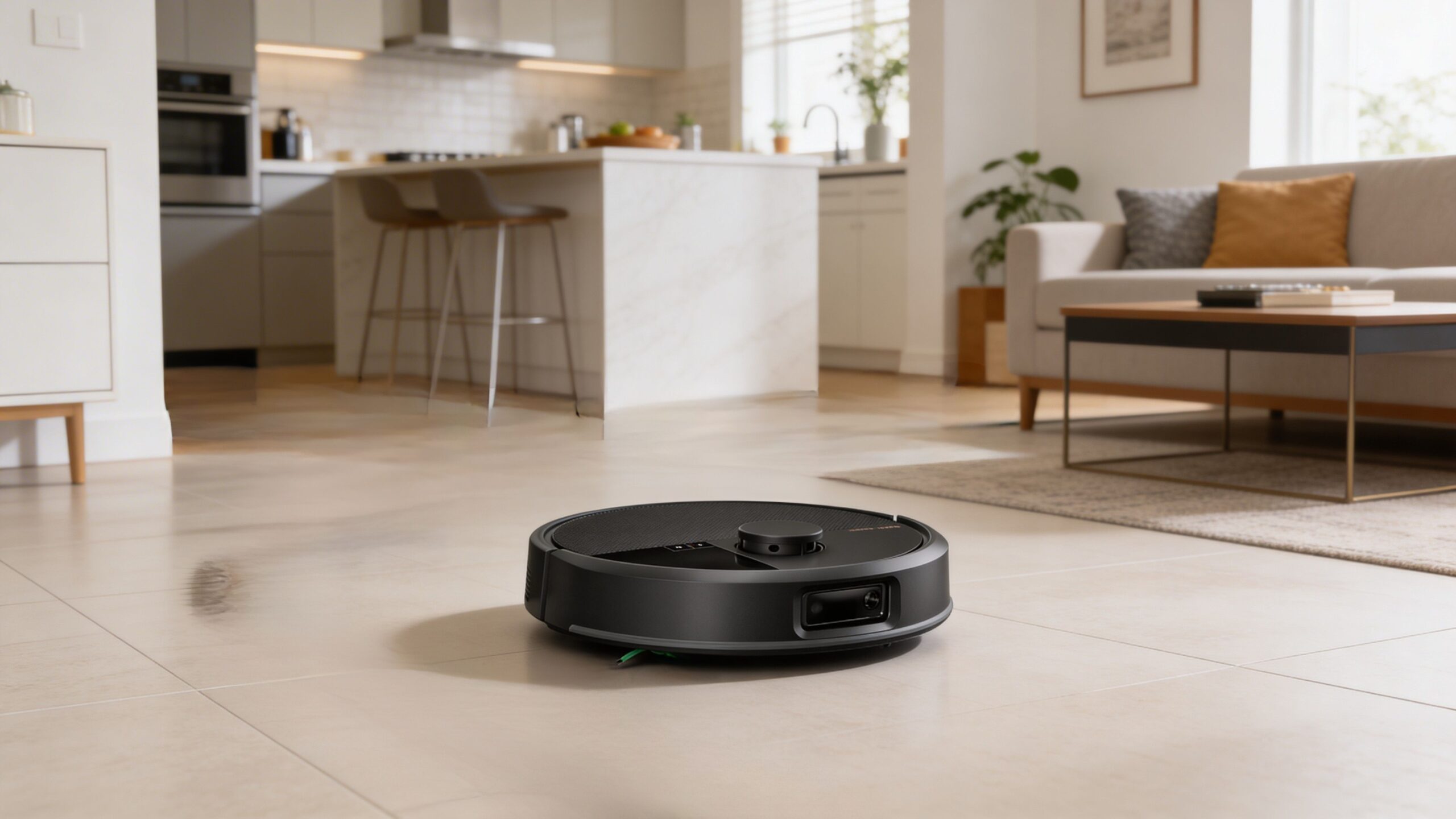
iRobot Roomba j9+ robot vacuum

Robot Vacuums

A premium robot vacuum built for automated daily floor care, especially in homes that benefit from scheduled cleaning, app control, and less manual vacuuming between full cleanups.

Score 8.8 Best for automated upkeep Battery self-charging dock Why buy hands-off daily cleaning
  • Strong fit for routine dust, pet hair, and crumb control on hard floors and open living areas
  • Reduces how often you need to pull out a full-size vacuum for everyday maintenance
  • Still works best as a convenience tool rather than a total replacement for deep manual cleaning
VS
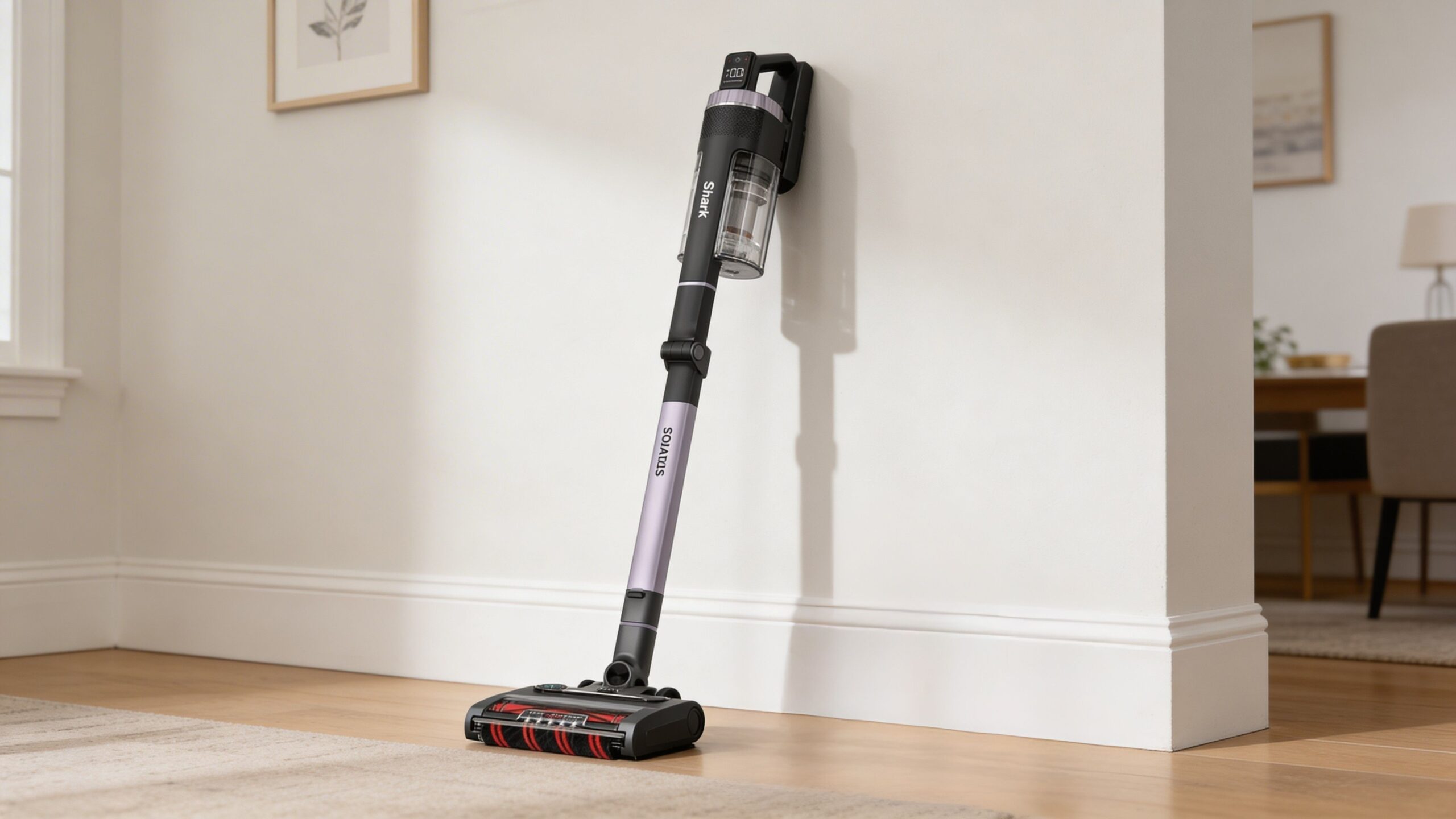
Shark Stratos cordless vacuum

Traditional Vacuums

A traditional cordless vacuum that gives you direct control for carpets, edges, upholstery, and quick response to bigger messes when convenience still matters but cleaning force matters more.

Score 9.1 Best for full-home deep cleaning Battery cordless removable pack Why buy stronger manual control
  • Better choice for carpets, corners, furniture, and heavier debris that needs immediate pickup
  • More versatile when one vacuum needs to handle mixed flooring and above-floor cleaning
  • Takes more user effort, but it is more complete as an all-around vacuuming tool
Cleaning performance
Strong for maintenance
Better deep-clean results
Traditional Vacuums
Convenience & automation
Schedule-and-forget ease
Manual every session
Robot Vacuums
Edges, stairs & spot messes
More limited reach
More precise and flexible
Traditional Vacuums
Hands-on effort
Low daily effort
Higher user involvement
Robot Vacuums
Whole-home versatility
Best in open-floor routines
Handles more surfaces and tasks
Traditional Vacuums
Real-world context
This comparison reflects a synthesis of professional reviews, manufacturer data, long-term user feedback, and use-case patterns to highlight how each vacuum style typically performs in everyday homes.

Robot Vacuums — Why people choose them

  • They keep visible dust and pet hair under control without requiring a full manual session every day
  • They are especially appealing for busy homes where convenience and consistency matter more than maximum raw cleaning power
  • Premium models bring smarter navigation and fewer interruptions than older robot-vac expectations

Traditional Vacuums — Why people choose them

  • They provide stronger all-around cleaning for carpets, edges, upholstery, and sudden messes (especially when deeper pickup matters)
  • They work better as a primary vacuum when one machine needs to handle most cleaning jobs in the house
  • Modern cordless designs keep the manual approach more convenient without giving up direct control
Verdict: Choose Traditional Vacuums if you want the better all-around cleaning approach, stronger real-world performance on carpets and edges, and a more complete tool for mixed-floor homes. Choose Robot Vacuums if your priority is daily automation, lower hands-on effort, and keeping routine debris under control between deeper manual cleanings.
Read FAQs

Deep dive

What actually matters in this matchup

On paper, both cleaning approaches can keep floors looking better, but the real differences show up in how they fit into everyday life. This comparison focuses on how much effort each approach removes from your routine, how well it handles bigger or more stubborn messes, how it performs across different floor types and edges, and what ownership actually feels like over time.

For daily upkeep: the key question is whether you want cleaning to happen automatically in the background or whether you prefer to vacuum on your own schedule with more direct control over the result.

For deeper cleaning: the gap usually appears around carpets, corners, stairs, furniture edges, and heavier debris, where a traditional vacuum tends to feel more complete and less dependent on multiple passes.

For long-term ownership: robot vacuums often return value through convenience and consistency, while traditional vacuums usually justify themselves through broader versatility, faster response to messes, and fewer limits when the cleaning job gets more demanding.

Methodology

How we evaluated these vacuum cleaning approaches

Our evaluation focused on everyday cleaning scenarios that highlight meaningful differences between automated robot vacuums and traditional cordless vacuums, rather than relying on marketing claims or isolated specifications. Each product type is assessed using real household tasks to understand how it actually performs during routine cleaning, quick mess response, and deeper floor care.

Tasks: routine debris pickup on hard floors, pet hair removal, mixed-floor cleaning transitions, edge and corner cleaning, quick-response cleanup for spills or tracked-in dirt, and extended cleaning sessions to observe consistency and usability.

What we scored: real-world cleaning effectiveness, consistency across surfaces, ease of use during normal household routines, reliability signals from build quality and navigation behavior, and overall ownership practicality.

How results are interpreted: outcomes are assessed using a context-aware evaluation approach that considers how different households clean. Factors such as convenience, control, coverage, and versatility are weighed based on how they affect day-to-day cleaning routines.

What we ignored: manufacturer suction claims, isolated laboratory numbers, or features that do not consistently translate into repeatable performance during real household cleaning.

FAQ

Robot Vacuums vs Traditional Vacuums: Common questions

Can a robot vacuum fully replace a traditional vacuum?
In many homes, a robot vacuum works best as a supplement rather than a full replacement. It can keep floors tidy through frequent automated cleaning, but traditional vacuums usually handle deeper carpet cleaning, stairs, and furniture edges more effectively.
Are robot vacuums strong enough for pet hair?
Robot vacuums can manage daily pet hair maintenance well, especially on hard floors and low-pile carpets. However, homes with heavy shedding or thicker carpets often still rely on a traditional vacuum periodically for more thorough removal.
Do traditional vacuums clean carpets better?
Traditional vacuums typically provide stronger carpet cleaning because they allow direct control, larger brush rolls, and more focused suction where needed. This becomes more noticeable in high-traffic areas or when deeper debris is embedded in carpet fibers.
Which type of vacuum is easier to maintain?
Maintenance varies by design, but robot vacuums often require more frequent small tasks such as emptying dust bins, clearing brushes, and managing obstacles. Traditional vacuums usually involve less frequent maintenance, though they still require filter and brush upkeep over time.

Key Takeaways

  • Robot vacuums emphasize convenience and consistency, keeping floors maintained with minimal effort but relying on regular runs rather than single deep-clean sessions.
  • Traditional vacuums offer stronger direct cleaning control, which tends to matter more for carpets, edges, furniture, and heavier debris.
  • Automation reduces daily cleaning effort, but it also introduces workflow considerations such as scheduling runs, clearing obstacles, and occasional navigation interruptions.
  • Manual vacuums typically deliver broader versatility across surfaces and tasks, making them easier to rely on as a single all-purpose cleaning tool.
  • Homes with pets, thicker carpets, or frequent high-debris messes often benefit from the deeper pickup of a traditional vacuum, even if a robot model handles daily upkeep.
  • The most practical long-term setup in many households combines both approaches: automated maintenance for routine debris and a traditional vacuum for targeted, deeper cleaning.

Verdict

Choosing the Right Vacuum for How You Actually Clean

In this matchup, the decision comes down to whether you value automated daily maintenance or the flexibility and cleaning force of a traditional vacuum. Both approaches can improve floor care, but they solve different problems in a household cleaning routine.

Recommended for Most Homes

Traditional Vacuums

A traditional cordless vacuum remains the more complete cleaning solution for mixed floors, carpets, edges, and sudden messes.

  • Handles carpets, corners, and furniture areas more effectively
  • Provides direct control for quick cleanups and heavier debris
  • Works as a single all-purpose vacuum across most household tasks

Also consider

Jump to the Head-to-Head

Tip: Many households get the best results by combining both approaches—using a robot vacuum for routine upkeep and a traditional vacuum for deeper or targeted cleaning.

Where to Buy

We prioritize reputable sellers, easy returns, and reliable availability.

Price checks happen regularly. Some links may earn a commission—never affects rankings.

Accessories You’ll Want

  • Replacement filters (help maintain airflow, pickup performance, and cleaner exhaust over time)
  • Extra brush rolls or side brushes (useful for pet hair, worn bristles, and keeping robot vacuums cleaning consistently)
  • Floor-safe cleaning solution or mop pads (worth having if your robot vacuum includes mopping or hybrid floor-care features)
  • Crevice and upholstery tools (practical add-ons for traditional vacuums when cleaning stairs, furniture edges, and tight spots)
  • Boundary strips or no-go setup accessories (helpful for robot vacuums in homes with cords, pet bowls, or problem areas you want avoided)

Tip: Before buying extras, check which parts are model-specific—filters, brushes, batteries, pads, and attachments are not always interchangeable across vacuum types or brands.