
Rollators Buying Guide for Comfort and Fit
Comfort and fit decide whether a rollator gets used correctly after the first few days. Handle height, grip shape, seat position, backrest contact, and stride clearance can change posture more than shoppers expect.
This guide focuses on the body-contact parts of a rollator: where the hands land, how the user stands inside the mobility frame, whether the seat supports a real rest, and how small fit issues show up during repeated use.
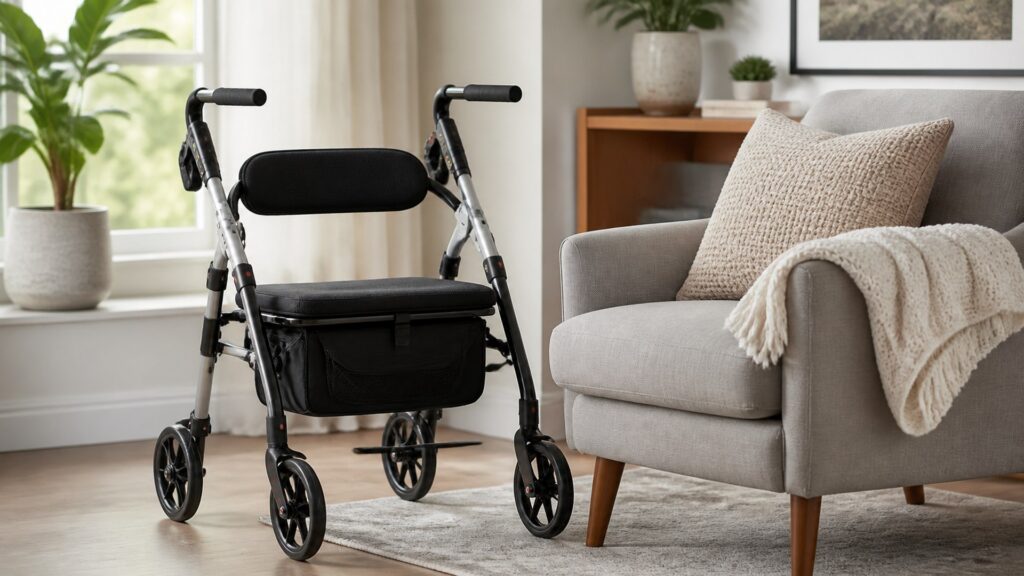
Buying framework
Fit the rollator where the body meets the mobility frame
For comfort fit, start with handle reach, seat height, grip feel, back body support, and stride room in the user's actual fit context. The strongest comfort fit choice makes those steady handling, posture, and rest decisions repeatable.
Comfort Fit stopping: Brake handles for comfort fit use should feel natural before add-ons enter the comparison.
Comfort Fit posture: Handle position for comfort fit decisions must body support upright movement without chasing the mobility frame.
Comfort Fit sitting: Seat use in a comfort fit fit choice depends on locked brakes and manageable standing height.
Comfort Fit route: The comfort fit route decides which rooms, vehicles, thresholds, or parking spaces become limiting.
Who this is for
Rollator users focused on handle reach, seat height, grip feel, back body support, and stride room
These profiles separate the real situations behind the title angle.
Longer outing user: Choose grips and posture that still feel controlled after repeated stops.
Rest-break user: Treat the seat like a functional chair with brakes, height, and backrest position all checked.
Hand-sensitive user: Look for grip shape and brake reach that do not require awkward squeezing.
Posture watcher: Avoid frames that make the user chase the rollator or lean into the handles.
What to pay attention to
Rollator specs for comfort-focused rollator users
Use the comfort fit specifications as practical fit clues. The comfort fit numbers should explain the exact steady handling problem, not decorate the listing.
steady handling
Brakes, handles, and wheels must suit the fit context.
Fit
Seat, width, and parking dimensions need confirmation.
Handle range: The adjustment window should allow relaxed shoulders and a mild elbow bend.
Grip diameter: A grip that is too thick, narrow, slick, or angled can change hand pressure quickly.
Seat-to-floor height: The seat should body support sitting and standing without forcing a drop or high perch.
Backrest placement: The strap or pad should meet the user comfortably after the brakes are locked.
Walking clearance: The mobility frame should allow normal steps without kicking the axle or rear wheels.
Avoid these traps
Common mistakes for comfort-focused rollator users
These comfort fit errors usually appear after fit choice, when the rollator meets the comfort shopper's real rooms, routes, and routines.
Calling padding comfort: Soft touch points help less than correct handle height and steady brake access.
Ignoring standing posture: A comfortable seat does not compensate for a mobility frame that encourages leaning while walking.
Buying by seat width only: Seat height and ability to rise matter as much as the horizontal measurement.
Forgetting brake reach: A hand-friendly grip still fails if the parking lock is awkward to engage.
Decision clinical input
Narrow the choice around handle reach, seat height, grip feel, back body support, and stride room
Use the first likely comfort fit failure point as the deciding factor. The comfort fit shortlist should shrink around the condition most likely to make this aid hard to use.
If handle range fails: In comfort fit shopping, this weakness should remove the fit candidate before softer preferences are considered.
If grip diameter feels wrong: Treat this as a core comfort fit steady handling issue, not as a small comfort complaint.
If seat-to-floor height is borderline: Choose a rollator that makes this comfort fit requirement easy to repeat during normal use.
If comfort fit health questions are bigger than the product: Get qualified clinical input before using this fit choice to solve fall risk, surgery recovery, or uncertain weight-bearing limits.
Ownership & compatibility
Keep the rollator aligned with handle reach, seat height, grip feel, back body support, and stride room
After fit choice, small comfort fit checks protect the fit and steady handling that justified this specific fit candidate.
Comfort Fit brake action: Confirm comfort fit squeeze and parking functions before sitting or longer outings.
Comfort Fit wheel care: Remove grit or hair before comfort fit steering begins to drift.
Comfort Fit parking care: Keep the folded comfort fit setup from stressing cables, baskets, or latches.
FAQ
Questions buyers ask about rollators and handle reach, seat height, grip feel, back body support, and stride room
These comfort fit answers address buying concerns without replacing professional assessment.
How does handle range affect the choice?
Why does grip diameter matter?
Should I test seat-to-floor height?
What about backrest placement?
Is walking clearance a deal breaker?
Are four-wheel rollators always better?
Can a rollator replace another mobility aid?
What should I inspect after buying?
When should I ask a professional?
Bottom line
Choose the rollator that proves itself in handle reach, seat height, grip feel, back body support, and stride room
For comfort-focused rollator users, the best rollator makes comfort fit use feel controlled, measurable, and repeatable. Extras come after the core comfort fit fit and steady handling checks make sense.
Start with steady handling: Comfort Fit stopping and steering should feel settled first.
Confirm fit: Comfort Fit measurements must work for the user and the places involved.
Respect limits: Comfort Fit clinical uncertainty should outweigh product appeal.
Reading Shortcuts
comfort-fit checkpoints.
Decision Reminders
Before choosing: comfort-fit.
- Control: Confirm rollator control in use.
- Fit: Measure body contact points.
- Surfaces: Check the expected floors.
- Wear: Inspect replaceable parts.
- Storage: Park it without clutter.
- Guidance: Ask about clinical limits.
Glossary Snippets
rollator terms for comfort-fit.
When to Use a Top 10 Review
Ranked picks after comfort-fit.
- Shortlist: Compare after fit decisions.
- Filter: Use comfort-fit priorities.
- Complaints: Watch repeated fit issues.
- Upkeep: Check replacement details.
For comfort-fit finalists, use Comparison next.
When to Use a Comparison
Compare close rollator options.
- Fit: Check measurements side by side.
- Control: Compare brakes and contact.
- Storage: Match the real location.
- Care: Review wear and cleaning.
For broad comfort-fit shopping, start with Top 10.