
Running Gear Buying Guide: How to Choose the Right One
Running gear should begin with the runner, route, surface, weather, and frequency, not with a shopping list. Shoes need enough room, secure hold, and compatibility with the runner's current mileage. Socks, waistbands, seams, lights, reflective details, pockets, and layers matter because repeated motion exposes small mistakes quickly.
Build the kit in order: footwear fit and rotation first, then socks and chafing control, then apparel for temperature, rain, sun, and visibility, then storage for phone, keys, identification, and route needs. Check surfaces, traffic, lighting, dogs, weather changes, and replacement signals. The right choice is the one that stays comfortable, visible, clean, and predictable across normal runs.
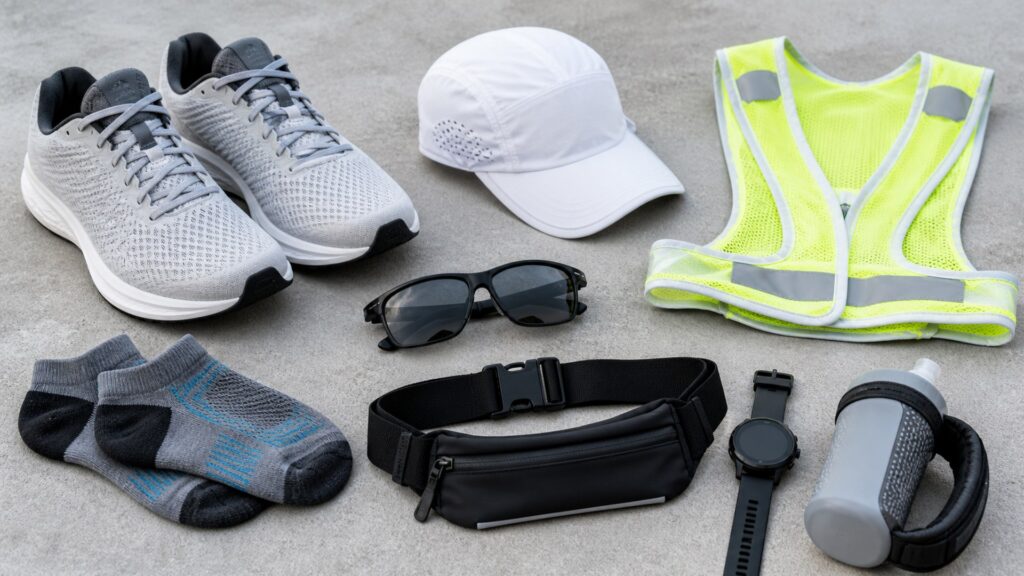
Buying framework
Map the run before the kit
A dependable kit matches footwear, clothing, storage, visibility, route surface, and safety to the actual runs being repeated.
Define the normal run: Record distance, pace range, surface, elevation, traffic, lighting, weather, and whether the runner leaves from home, work, gym, or a parked vehicle.
Fit shoes with running socks: Try shoes with the socks intended for running and check heel hold, midfoot security, toe room, width, lacing comfort, and downhill or late-run swelling.
Decide whether rotation helps: A rotation can give wet shoes time to dry, separate easy and faster sessions, or reduce panic when one pair wears out. It should not hide poor fit.
Map chafing and friction points: Check toes, heel collar, arch, waistband, thighs, underarms, sports-bra band, pack edges, phone pocket, and seams under motion and sweat.
Match gear to the route risk: Choose visibility, identification, phone storage, lighting, weather layers, and carry needs after reviewing traffic, crossings, surface condition, remoteness, and time of day.
Who this is for
Fit gear to the running setting
Road, trail, treadmill, mixed-surface, and urban runners place different demands on footwear, apparel, safety, and storage.
Road runner: Prioritize shoe fit on pavement, visible apparel, lighting for low light, secure phone and key storage, and socks that prevent recurring hot spots on consistent surfaces.
Trail runner: Check outsole grip, rock protection, debris management, ankle and sock interface, weather shell storage, route communication, and visibility at trailheads or road crossings.
Treadmill runner: Footwear still needs fit and ventilation, while apparel should manage sweat indoors. Storage may be minimal, but towel placement and shoe drying matter after repeated sessions.
Mixed-surface runner: Choose shoes and socks that tolerate pavement, gravel, track, and packed dirt without rubbing. Visibility and storage should work when the route changes mid-run.
Urban errand runner: Look at stoplights, crowded sidewalks, pockets, card storage, reflective details, low-profile layers, and shoes comfortable enough for standing before or after the run.
Specs that matter
Turn specs into running consequences
Use product details only when they affect fit, friction, weather response, visibility, storage, surface confidence, or replacement timing.
Shoe length, width, and volume: Length is not the whole fit. Check width, instep volume, toe splay, heel hold, and lace pressure during a short jog, downhill movement, and a late-day try-on.
Cushion, stability, and transition feel: Compare how the shoe feels at easy pace, turns, and tired steps. Do not buy a category label if the shoe creates rubbing, wobble, or awkward landing.
Outsole and surface match: Smooth road soles, treadmill use, gravel, wet pavement, snow, and trails need different traction and debris behavior. The route surface should guide outsole choice.
Socks and blister control: Choose sock height, seam placement, fabric, cushion, toe-box interaction, and drying speed with the actual shoe. A perfect shoe can still fail with the wrong sock.
Apparel and chafing details: Check seam placement, waistband grip, liner fit, pocket bounce, zipper guards, bra support, fabric wetness, and anti-chafe planning for the longest repeated run.
Weather and visibility: Match layers, hat, gloves, sun coverage, rain shell, reflectivity, and lights to the expected conditions. Visibility should work from the directions drivers or other users approach.
Storage and safety access: Phone, keys, ID, medication if relevant, payment, small light, or transit card need secure locations. Access should not require stopping in an unsafe place or unloading clothing.
Avoid these traps
Common running-gear mistakes
Most bad purchases come from testing shoes too briefly, ignoring socks, underestimating weather, or carrying essentials poorly.
Buying shoes for standing comfort only: A soft step in a store may not show heel slip, toe pressure, hot spots, or instability during running. Always include movement and the intended sock.
Replacing shoes only after pain appears: Track mileage, outsole wear, midsole feel, upper tears, recurring hot spots, and uneven compression. Pain should not be the first replacement signal.
Ignoring socks until blisters happen: Cotton, bulky seams, wrong height, or poor drying can create friction. Treat socks as part of shoe fit rather than a separate afterthought.
Wearing dark gear in low light: Reflective strips in one direction may not be enough. Consider approach angles, lighting, weather, route crossings, and whether a lamp or brighter layer is needed.
Carrying a phone loosely: A bouncing phone changes gait, pulls waistbands, irritates skin, and may be hard to reach. Use storage that stays secure without blocking arm swing.
Decision path
Buy in the order the route proves
Build from footwear fit through friction, weather, visibility, storage, and route safety before adding specialized items.
Run the shoe-fit sequence: Try the shoe with running socks, lace normally, jog, turn, descend if possible, and check heel, midfoot, toe, width, and pressure after several minutes.
Audit the repeated route: Note pavement, trails, lighting, crossings, shoulder width, dogs, weather exposure, water access, restrooms, and places where phone or ID access matters.
Dress for the worst normal condition: Choose layers for the coldest, hottest, wettest, or darkest conditions the runner truly plans to use. Skip gear for imagined conditions that will be avoided.
Pack the essentials: Place phone, keys, ID, payment, medication if needed, light, and small fuel or water only when the route calls for them. Test bounce and retrieval.
Review after five runs: Look for rubbing, sock wear, shoe pressure, wet drying time, pocket bounce, visibility gaps, odor, and replacement signals before buying duplicates.
Care and replacement
Maintain comfort after the run
Shoes, socks, apparel, lights, and storage systems need cleaning, drying, inspection, and timely replacement.
Dry shoes deliberately: Remove insoles if instructed, loosen laces, avoid damaging heat, and let air reach wet interiors. A rotation helps only if both pairs remain appropriate.
Inspect footwear signals: Watch outsole smoothing, midsole creasing, tilted wear, compressed cushioning, torn uppers, heel-lining holes, lace damage, and recurring discomfort tied to one pair.
Wash friction-prone apparel: Follow care labels for socks, shorts, tights, bras, shirts, shells, and reflective pieces. Residue, stretched elastic, and rough seams can create chafing.
Maintain lights and visibility: Charge batteries, inspect clips, clean lenses, replace dim units, and confirm reflective details still face traffic or path users after layering changes.
Update the route kit: As routes, seasons, run time, or storage needs change, retest phone carry, weather layers, ID, payment, hydration, and surface-specific footwear.
FAQ
Running Gear FAQ
These answers help runners choose gear without turning every option into a performance promise.
How should running shoes fit?
Do runners need more than one shoe pair?
When should running shoes be replaced?
What socks are best for running?
How can chafing be reduced?
What matters for running in low light?
What should runners carry?
Are trail shoes necessary for trails?
How should running gear be cleaned?
Final check
Choose for repeated miles
The final kit should fit the runner, suit the route, prevent avoidable friction, stay visible, and show clear replacement cues.
Fit footwear first: Shoes and socks set the foundation for comfort.
Dress for conditions: Layers, sun coverage, rain, and visibility follow the actual route.
Carry deliberately: Storage should hold essentials without bounce or blocked access.
Retest with use: Inspect wear, chafing, drying, lighting, and route changes regularly.
Reading Shortcuts
Narrow running gear by the route and the shoe fit before buying extras.
Decision Reminders
Small running details become big over miles.
- Fit: Heel hold, width, toe room, and lace comfort come first.
- Friction: Socks, seams, waistbands, and pockets need motion checks.
- Route: Surface, traffic, lighting, and weather define safety gear.
- Wear: Replace shoes, socks, lights, and apparel when signals appear.
Glossary Snippets
Running terms used here.
When a Top 10 Helps
Use rankings only after the runner knows the route, fit, and season.
- Fit filter: Remove shoes, socks, and apparel that rub, slip, pinch, or bounce.
- Route filter: Rank survivors by surface match, visibility, storage, care, and wear signals.
A ranking cannot replace trying shoes with running socks or checking the actual route.
When a Comparison Helps
Compare finalists on the same route, surface, socks, weather layer, storage load, and low-light plan.
- During the run: Compare fit, chafing, bounce, heat, visibility, pocket access, and confidence on surfaces.
- After the run: Compare drying, washing, odor, wear, light charging, and replacement cues.
Choose the gear that stays predictable after the fifth ordinary run, not only the first try-on.