
The SawStop PCS31230 is a cabinet table saw built around precision, power, and a well-known safety system. This review examines how it performs in real workshop conditions, where its strengths stand out, and where tradeoffs in cost, setup, and space may influence whether it fits your specific needs.
SawStop PCS31230 Table Saw Review: Performance, Pros, and Cons
By: Review Streets Research Lab
Updated: April 14, 2026
Approx. 8–10 min read
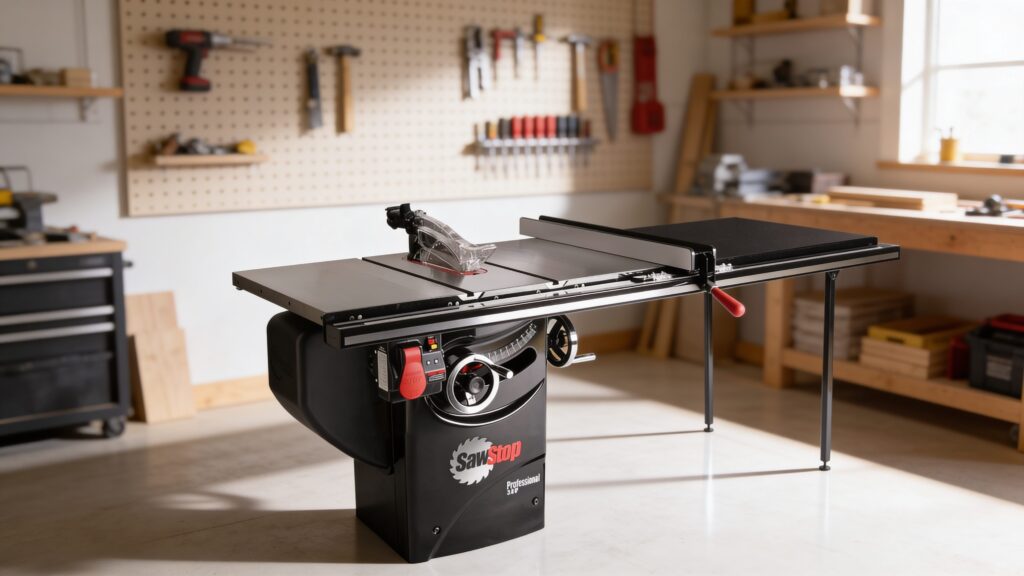
Quick Summary
The SawStop PCS31230 delivers the steady, refined performance expected from a premium cabinet table saw, with a confidence-inspiring cut feel that suits demanding furniture work, cabinetry, and repeat shop use. Its standout safety system adds meaningful peace of mind, though its higher cost and more permanent shop footprint make it a better fit for committed workshop setups than flexible, budget-minded buying.
9.2
Score
Best for: Precision shop work
Pros & Cons
SawStop PCS31230: what we liked (and what we didn’t)
A quick look at the biggest strengths and tradeoffs based on performance, handling, and everyday usability.
Pros
- Confidence-Inspiring Safety: The brake system adds a meaningful layer of protection for routine shop work and higher-focus cuts.
- Refined Cut Feel: It delivers smooth, controlled cutting that suits precision ripping, joinery prep, and finish-oriented projects.
- Stable Work Platform: The cabinet-saw format helps the saw feel planted during longer sessions and while handling larger stock.
- Strong Workshop Fit: It suits furniture building, cabinetry, and repeat use where consistency matters more than portability.
- Premium Build Impression: The overall design suggests long-term shop use with a solid, dependable feel in daily workflow.
Cons
- Premium Price: The safety-focused design and cabinet-saw positioning put it well above many capable alternatives.
- Large Footprint: It is better suited to dedicated workshop space than smaller garages or flexible work areas.
- Less Portable: This is not a practical choice for users who need to move a saw between locations or store it often.
- More Than Needed: For occasional DIY cuts and light weekend tasks, its size and cost can be hard to justify.
Specs
SawStop PCS31230 key specifications
These are the core specs and practical details most buyers compare across premium cabinet table saws.
| Spec | SawStop PCS31230 |
|---|---|
| Type | Cabinet table saw with safety brake system |
| Platform | SawStop Professional Cabinet Saw (PCS series) |
| Voltage | 230V (typical cabinet saw configuration) |
| Speed | Single-speed operation (approx. 4,000 RPM blade speed) |
| Chuck | N/A (arbor-mounted 10" blade) |
| Torque | High torque output for thick hardwoods (motor-rated) |
| Length | Full cabinet footprint; approx. 30" deep (without extension) |
| Weight | Heavy stationary unit; typically 400+ lbs installed |
| Clutch settings | N/A (direct drive cutting system) |
| LED light | No integrated work light |
| Included | Fence system, riving knife, blade guard, brake cartridge (varies by package) |
| Best use | Precision ripping, cabinetry, furniture building, dedicated shop use |
| Warranty | SawStop limited warranty (varies by region and configuration) |
Performance
How the SawStop PCS31230 performs
We evaluated cut feel, stability, control, and everyday usability across typical shop tasks to understand how this cabinet table saw performs in real-world woodworking and long-session workshop use.
Cut Quality
It delivers smooth, confidence-inspiring cuts that suit finish-focused ripping and repeatable shop work.
Power Under Load
It stays composed through thicker stock and longer sessions without feeling strained in normal workshop use.
Control & Handling
The overall feel is steady and predictable, helping cuts feel more deliberate and less hurried.
Workflow & Setup
Once in place, it supports a smooth workshop rhythm, though it is clearly built for dedicated space rather than flexible setups.
Noise & Refinement
Operational feel is solid and controlled, though it still carries the expected presence of a full-size cabinet saw.
Overall Performance
A highly capable cabinet saw for precise, repeat-use workshop cutting, with safety and stability as major strengths.
Testing note: Performance observations are based on real-world cutting, setup, and day-to-day workshop use impressions across common woodworking tasks and repeat-use scenarios.
Build Quality
Build quality & durability
The SawStop PCS31230 gives the impression of a serious workshop tool built around stability and long-term confidence. Its overall structure feels substantial and deliberate, with the kind of planted presence that supports precise work and reduces the sense of flex or drift during everyday use.
Key touchpoints—fence controls, adjustment wheels, table surfaces, and safety-related interfaces—feel solid and purposeful rather than light-duty. Movements tend to feel controlled and repeatable, which helps the saw come across as more predictable in setup and more reassuring during fine adjustment work.
In regular shop use, the cabinet-style construction suggests strong long-term durability for repeated cutting sessions, routine adjustments, and the general wear that comes with a busy workspace. It feels like a tool meant to stay accurate and dependable with normal ownership care, rather than one that needs constant babying.
That rugged, confidence-inspiring build comes with the usual tradeoff: this is a large, heavy saw intended for a dedicated space, not frequent moving or compact storage. For buyers who value permanence, solidity, and workshop stability over portability, that tradeoff will likely feel appropriate.
Setup & Maintenance
Setup, daily use, and upkeep
The SawStop PCS31230 benefits from careful initial setup and a few steady habits in daily use. Most of the improvement comes from keeping the blade, fence, and work support aligned to the task so cuts start cleaner, track straighter, and feel more controlled throughout longer shop sessions.
Best setup for common tasks
- Sheet Goods: Use stable outfeed and side support so larger panels stay flat and move through the cut without tipping.
- Rip Cuts: Set the fence carefully and confirm stock is fully supported before starting to keep the cut line consistent from front to back.
- Crosscuts: Use a miter gauge or dedicated sled rather than guiding material against the fence alone for better control.
- Fine Finish Work: Start with a clean, sharp blade and check alignment before the session so edges come off the saw with less cleanup.
What to do for smoother starts
- Support The Stock: Begin only when the material is balanced and fully under control to avoid a rushed or uneven entry.
- Feed Steadily: Use a calm, even feed rate so the cut stays cleaner and the saw feels settled through the pass.
- Check The Fence: Reconfirm fence position before important cuts to reduce small setup errors that compound over a project.
Maintenance (simple but important)
- Top Surface Care: Keep the table clean and protected so stock slides smoothly and surface corrosion stays less likely.
- Dust Control: Clear sawdust from cabinet and adjustment areas regularly to keep movement smooth and visibility better.
- Blade Condition: Replace or clean blades when cuts begin to feel slower, rougher, or more demanding than usual.
- Brake Readiness: Inspect the safety system and related components during routine checks so the saw stays ready for normal operation.
Tip: Keep material flat to the table, maintain firm control with both hands where appropriate, and feed at a steady pace without forcing the cut. That approach improves accuracy, helps prevent binding, and keeps the saw feeling predictable through the full pass.
Real-World Use
Where the SawStop PCS31230 fits best
On paper, the SawStop PCS31230 is a premium cabinet table saw. In real projects, it stands out where stability, precision, and consistent control matter more than mobility or compact storage.
Furniture and cabinetry work
Well suited for repeatable cuts and fine detail work, where a steady platform and predictable control help maintain alignment across multiple pieces and longer sessions.
Dedicated workshop projects
In a fixed shop environment, it supports a smooth workflow with fewer interruptions, making it easier to move between tasks without constantly resetting or repositioning the saw.
High-volume cutting sessions
It handles longer cutting sessions with a composed feel, helping reduce small inconsistencies over time and maintaining confidence when working through larger material batches.
Where it’s less ideal
For users who need portability, quick storage, or occasional setup in shared spaces, its size and fixed nature can feel limiting compared to smaller, jobsite-oriented table saws.
Value
Is the SawStop PCS31230 worth it?
The SawStop PCS31230 makes the most sense when it will be used as a serious workshop centerpiece for precision work, repeat cutting, and long-term ownership. If table saw use is occasional, space is limited, or portability matters, a less expensive saw can be the more practical choice.
Price-to-performance takeaway
You are paying for premium cabinet-saw stability, refined day-to-day cut confidence, and the added ownership value of SawStop’s safety-focused design. The value shows up more clearly over time in dedicated shop use than in light, occasional projects, especially when comparing full packages, fence options, and extension-table configurations.
Tip: Compare the complete configured price rather than the base saw alone. Fence choice, table size, and other included components can change the real value more than the headline starting price.
FAQ
SawStop PCS31230 FAQ
Quick answers to the most common questions about the SawStop PCS31230—shop fit, use cases, and what to expect in real-world ownership.
Is the SawStop PCS31230 a cabinet table saw?
Yes. The PCS31230 is part of SawStop’s Professional Cabinet Saw line, which is built for stationary shop use with a heavier, more stable cabinet-style design.
Does it include SawStop’s safety brake system?
Yes. A major reason buyers consider this model is the integrated safety brake system, which is designed to add an extra layer of protection during table saw use.
Who is the PCS31230 best for?
It is best suited to dedicated workshop use where precision, repeatability, and long-term stability matter more than portability. It fits especially well with cabinetry, furniture work, and regular shop projects.
Is it too much saw for occasional DIY use?
It can be. If table saw use is occasional or limited to smaller weekend tasks, its cost, size, and fixed-shop design may be more than many buyers realistically need.
Can it work in a smaller garage shop?
It can, but space planning matters. This is a full-size cabinet saw, so infeed, outfeed, and side clearance are just as important as the saw’s own footprint.
What should I compare when buying a configuration?
Look beyond the base model and compare fence setup, table size, extension options, and included accessories. Those details often affect real-world value more than the headline model name alone.
What are the main tradeoffs?
The main tradeoffs are price, weight, and permanence. It offers a more premium, confidence-focused ownership experience, but it is far less convenient to move, store, or justify for light-duty use.
Alternatives
Best alternatives to the SawStop PCS31230
If the SawStop PCS31230’s cabinet-saw stability and safety focus don’t fully match your needs, these alternatives offer different tradeoffs in price, portability, and overall shop flexibility.
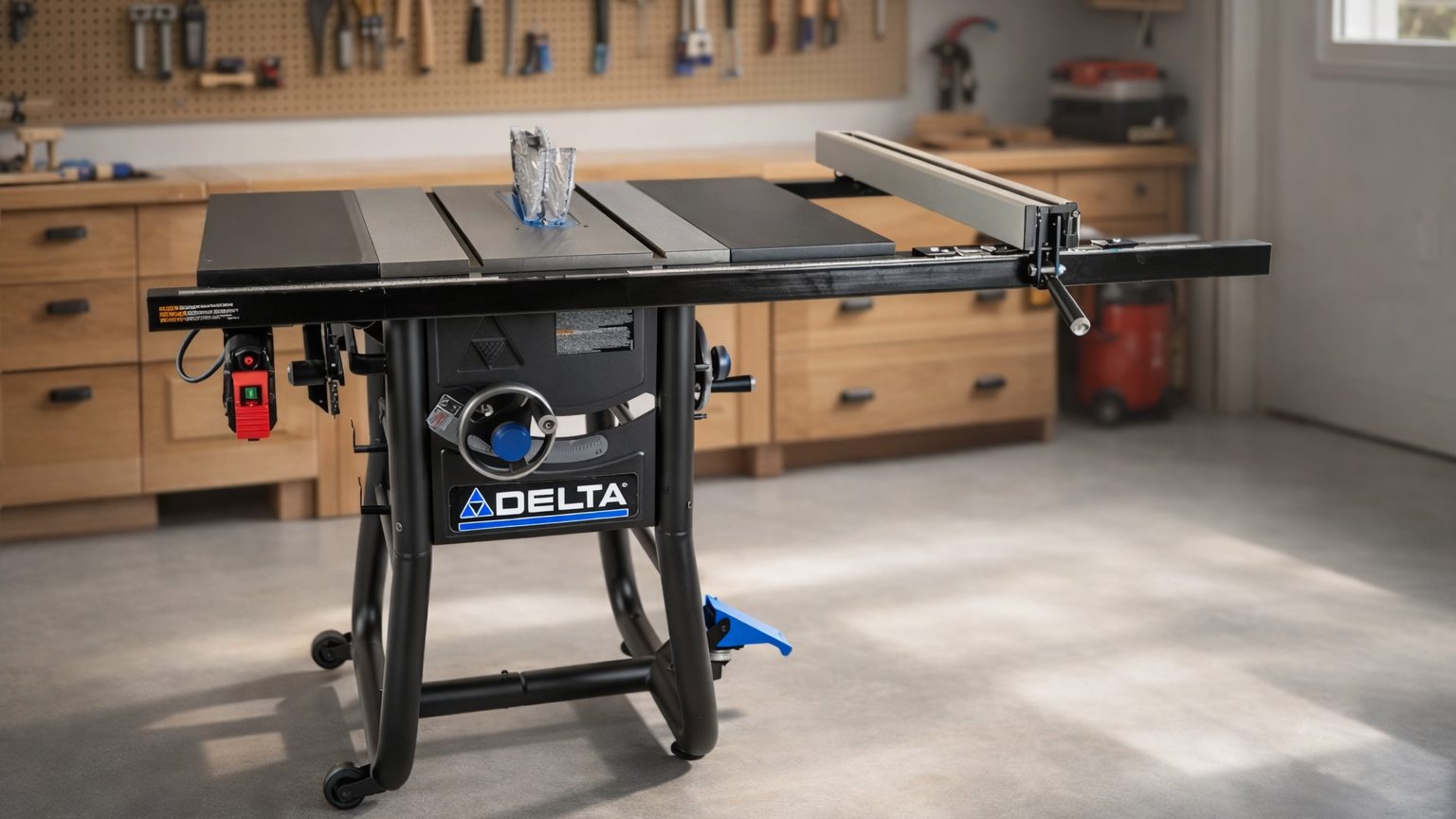
Delta 36-725T2
Best value
A more budget-friendly option that still offers solid cutting capability for general shop work. It trades the premium build and safety system for a lower entry cost, making it easier to justify for lighter or occasional use.
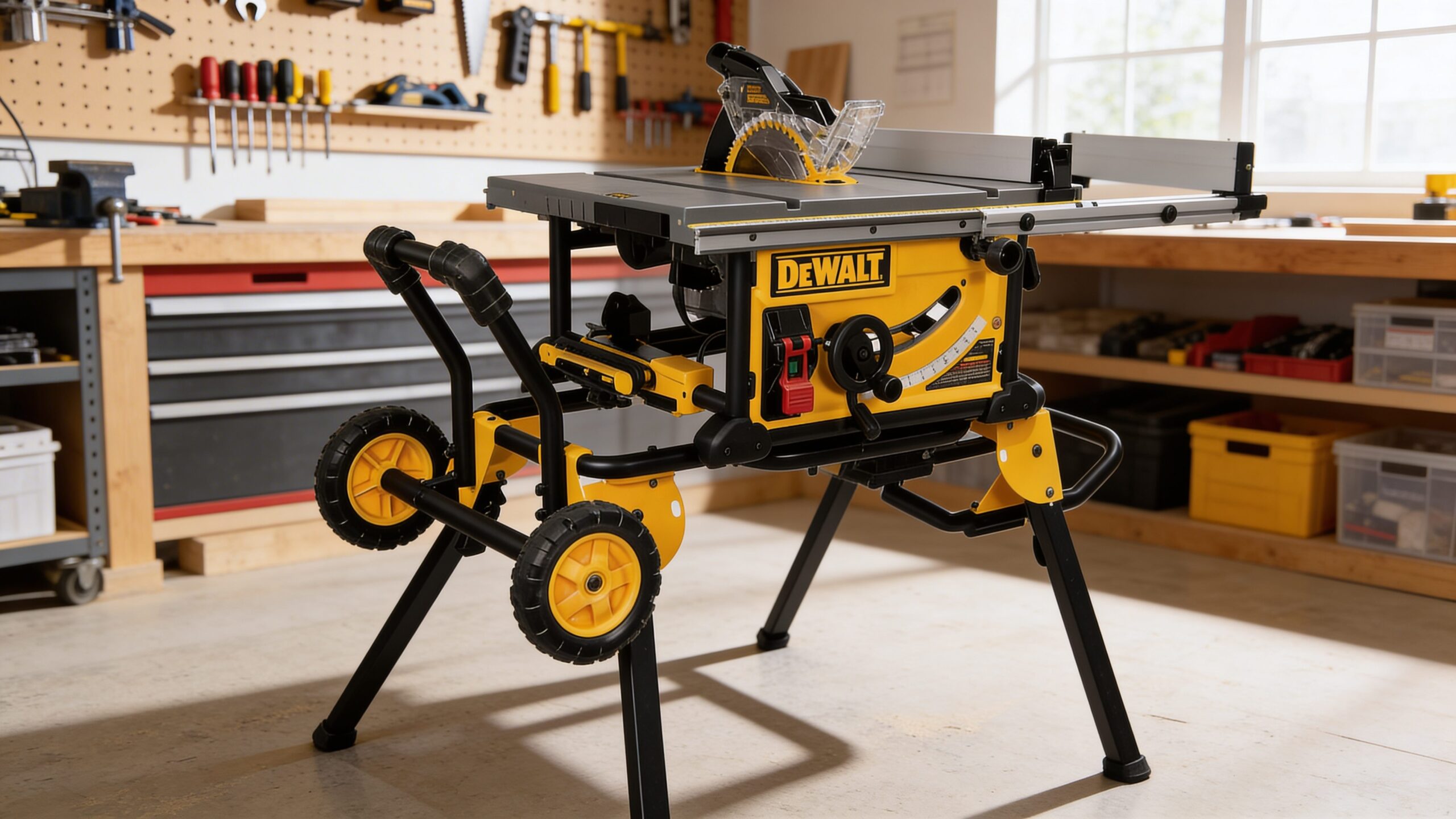
DeWalt DWE7491RS
Portable option
A jobsite-style table saw that prioritizes mobility and quick setup. It is a better fit for shared spaces or projects that require moving the saw, even though it gives up some of the stability and refinement of a cabinet model.
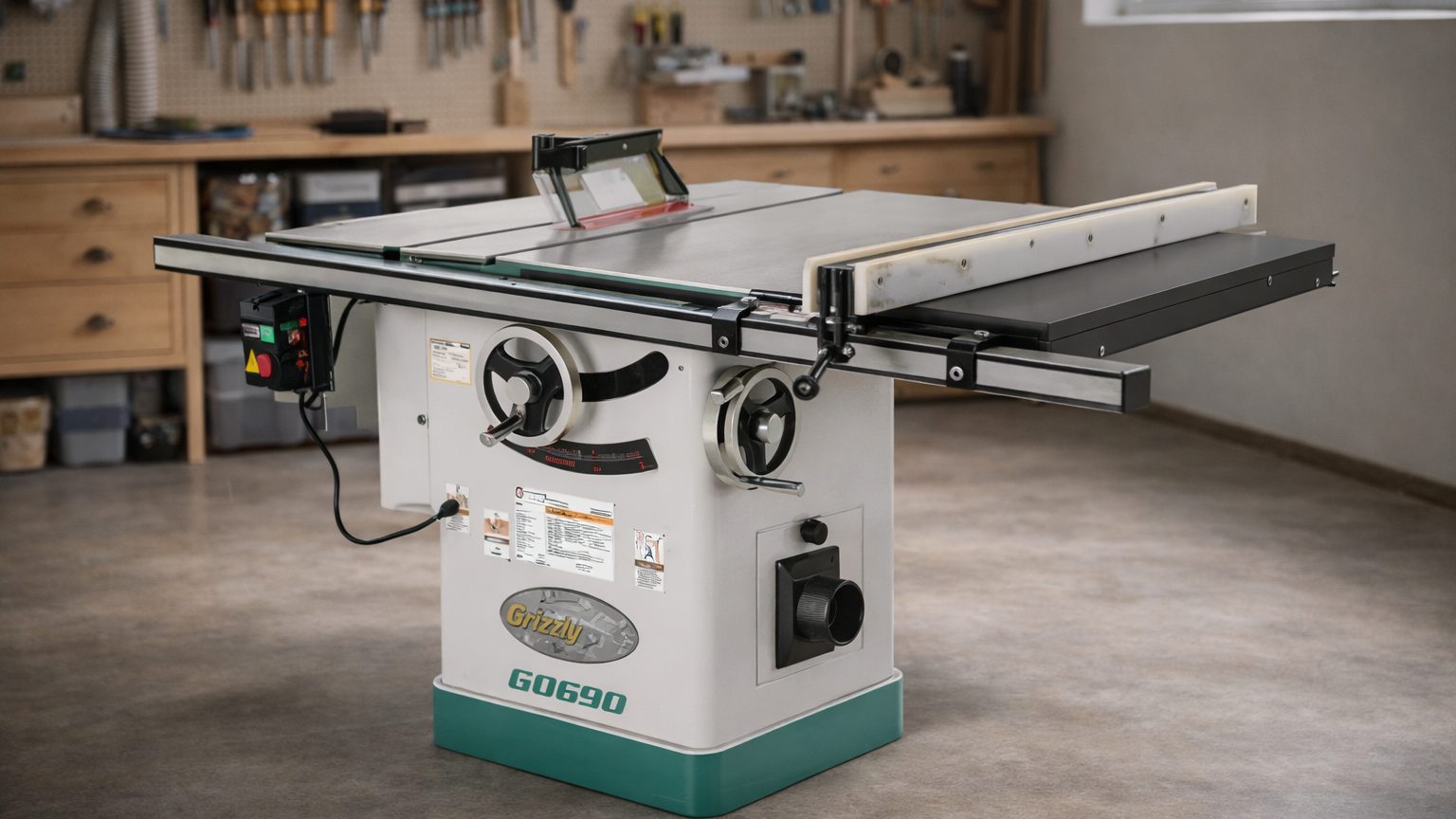
Grizzly G0690
Cabinet value
A traditional cabinet saw that focuses on raw cutting capability and shop stability at a lower price point. It offers a similar stationary experience but without the added safety system, making it a tradeoff between cost and protection features.
Sources
Sources & reference notes
Specifications, configuration details, and general product positioning referenced in this review were verified using publicly available manufacturer information and current product listings. Where package contents or setup options vary, those differences should be checked against the specific configuration being considered.
- SawStop product documentation and published specifications for the SawStop PCS31230 Professional Cabinet Saw.
- SawStop configuration and accessory information relevant to fence, table, and safety-system setup options.
- Retail product listings used to confirm current naming, SKU variations, and included package components.
Where to Buy
SawStop PCS31230
Professional Cabinet Table Saw
Typical price range: $3,000–$4,500
Pricing varies by retailer and table, fence, and package configuration.
Check Current PriceReview Snapshot
SawStop PCS31230
9.2
Precision + safety focus
Best for dedicated shop work where cut confidence and long-term stability matter more than portability or lower upfront cost.
- Performance: Smooth, steady cutting that suits repeat precision work
- Handling: Very stable in use, but built for fixed-shop placement
- Value: Makes more sense for frequent use than occasional weekend cuts
Top 10 List
See the best table saws right now
Want the broader picture? Our Top 10 breaks down the best table saws by performance, value, and real-world shop use.
View the Top 10Compare Models
Compare this table saw head-to-head
See how the SawStop PCS31230 stacks up against other top table saws across cut quality, shop fit, and overall value.
View ComparisonsAccessories You’ll Want
- Quality rip blade (helps deliver cleaner long cuts with less effort through sheet goods and hardwoods)
- Crosscut sled or miter gauge upgrade (improves control and repeatability for square, accurate crosscuts)
- Outfeed support (makes larger panels and longer boards easier to manage safely through the full cut)
- Push block or push stick set (adds better hand positioning and more controlled feed on narrower stock)
- Dust collection hookup (reduces mess around the saw and helps keep visibility and cleanup more manageable)
Tip: Blade choice, work supports, and dust collection have a bigger day-to-day effect than many buyers expect—choose accessories that match the kind of cutting you actually do most often.