This is a research-based review using product documentation, pricing notes, support information, and competitive context; no hands-on benchmark testing was supplied.
Core Results
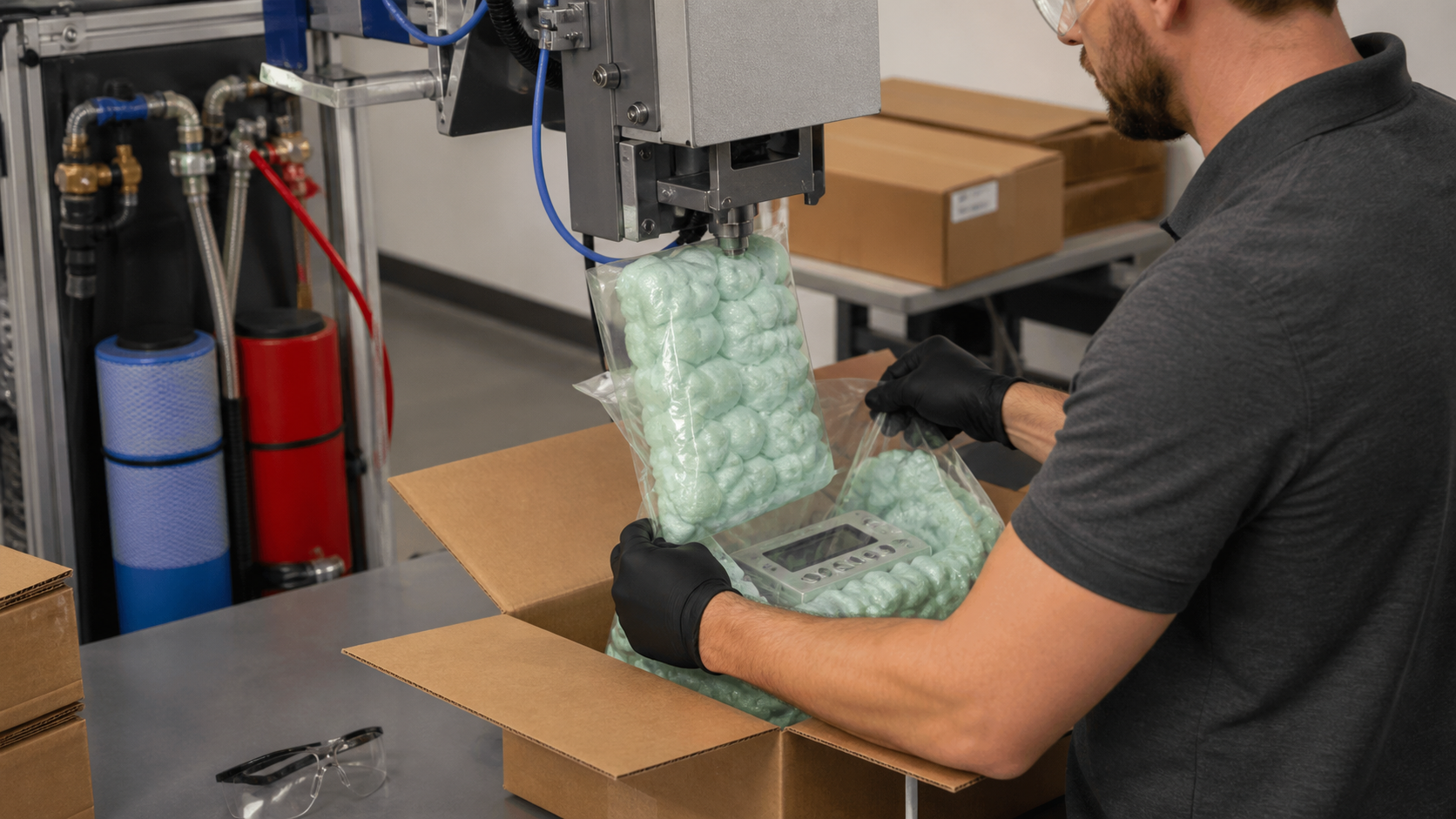
Sealed Air Instapak 901 performs best where strong custom protection; adjustable output; high-throughput fit; consistent foam cushions. The buyer benefit is clearest when this directly supports the main packing machines job; the tradeoff is chemical/consumable dependency; facility power/safety requirements; quote-based pricing.
Pricing And Value
Official pricing not captured. Foam systems are typically quote/distributor sold with consumable supply requirements This makes value strongest for manufacturers and fulfillment operations shipping fragile, heavy, irregular, or high-value items needing molded foam protection, while buyers should compare total cost, add-ons, renewal or contract terms, and support expectations.
Setup And Onboarding
Assess product fragility, packaging method, chemical storage/handling, power, operator training, ventilation/safety, and consumable supply The main setup risk is assuming purchase is the same as correct configuration; buyers should confirm data, integrations, permissions, and handoffs before launch.
Daily Use
Load containers, dispense foam into bags/tubes/cartons, protect product, monitor output, maintain machine and safety procedures In practice, Sealed Air Instapak 901 is more useful when routine tasks stay inside the documented workflow without extra manual reconciliation.
Reporting And Controls
Not verified Chemical handling, operator safety, power requirements, and facility safety are central Buyers with stricter oversight, compliance, or integration needs should verify those details before committing.
Competitive Fit
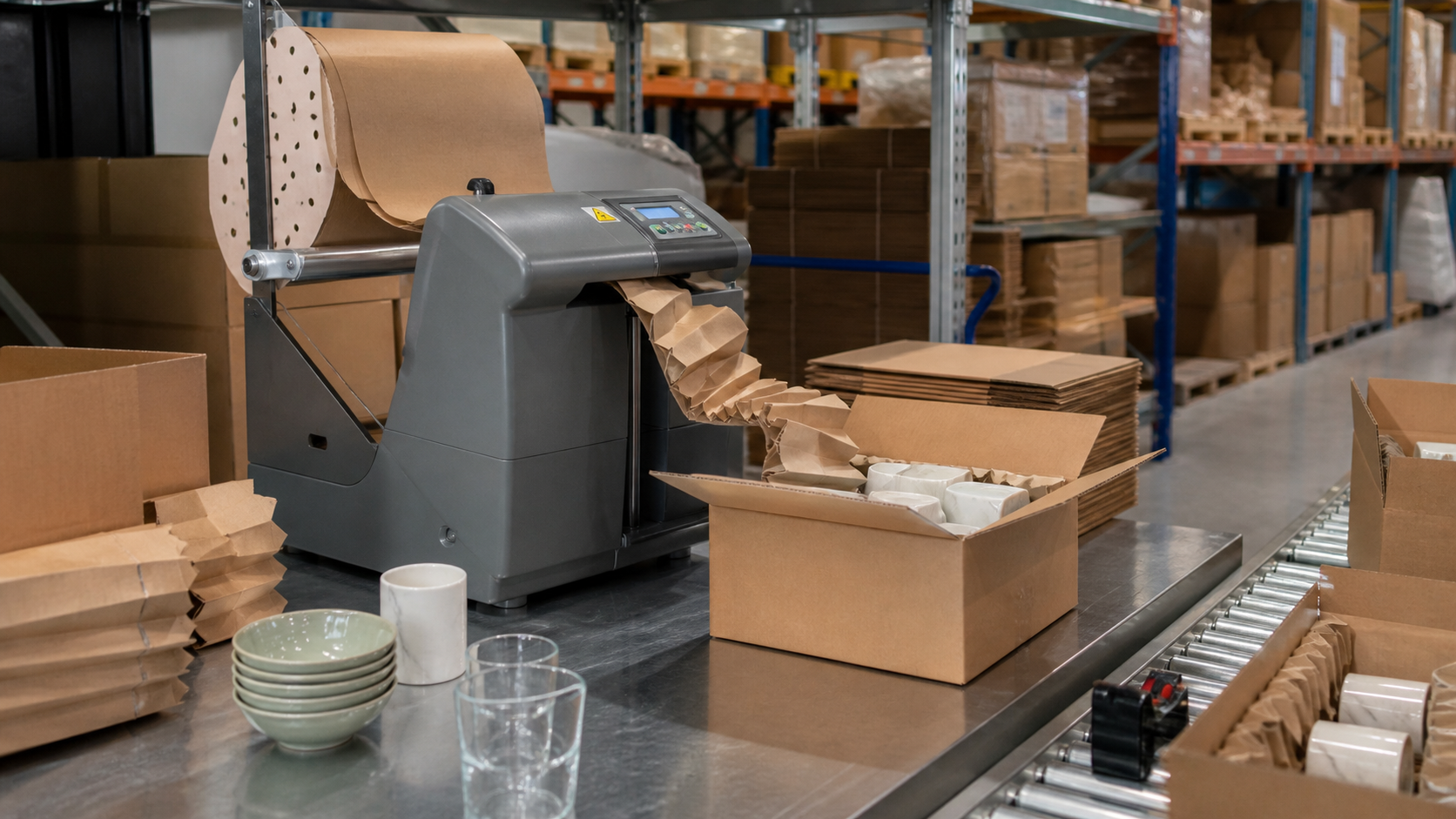
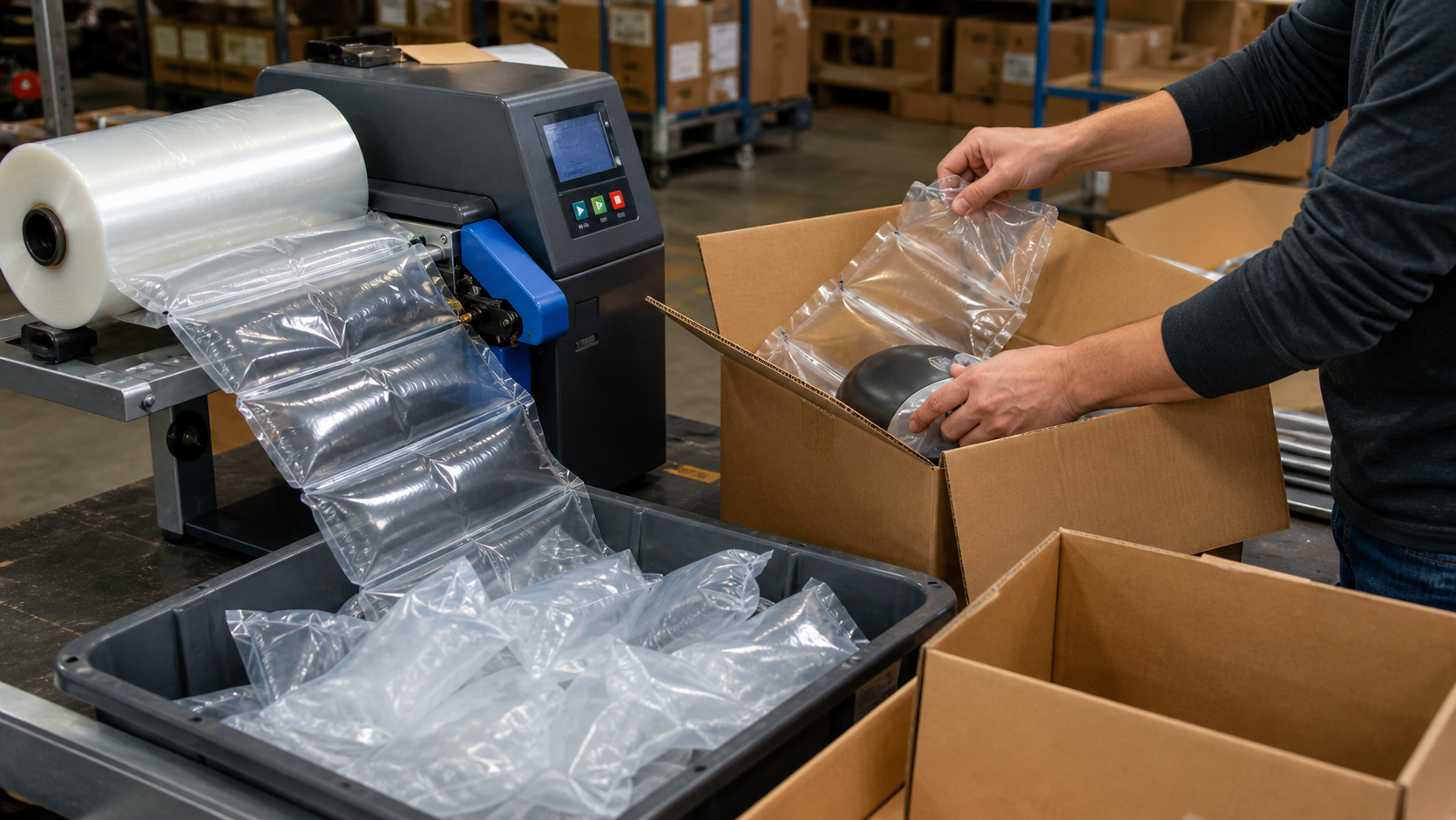
Competes with other foam-in-place systems and paper/molded packaging alternatives Choose an alternative when that competitor solves the main limitation more directly.