
Shaving & Hair Removal Products Buying Guide for Sensitive Skin
Hair-removal products do fundamentally different jobs. A razor cuts at the surface, an electric shaver shields cutters behind a foil or head, a depilatory uses a timed chemical formula, while wax and epilators pull hair from the root. Sensitive-skin choices prioritize fewer passes, controlled pressure, fragrance and active exposure, label-directed patch testing where applicable, moderate temperatures, and simple aftercare.
Choose by body area, current hair length, acceptable contact, discomfort, desired interval, and the preparation you will actually repeat. Read every label for permitted areas, timing, testing, temperature, and stopping instructions. Persistent reactions or damaged skin are not problems to solve by escalating the method.
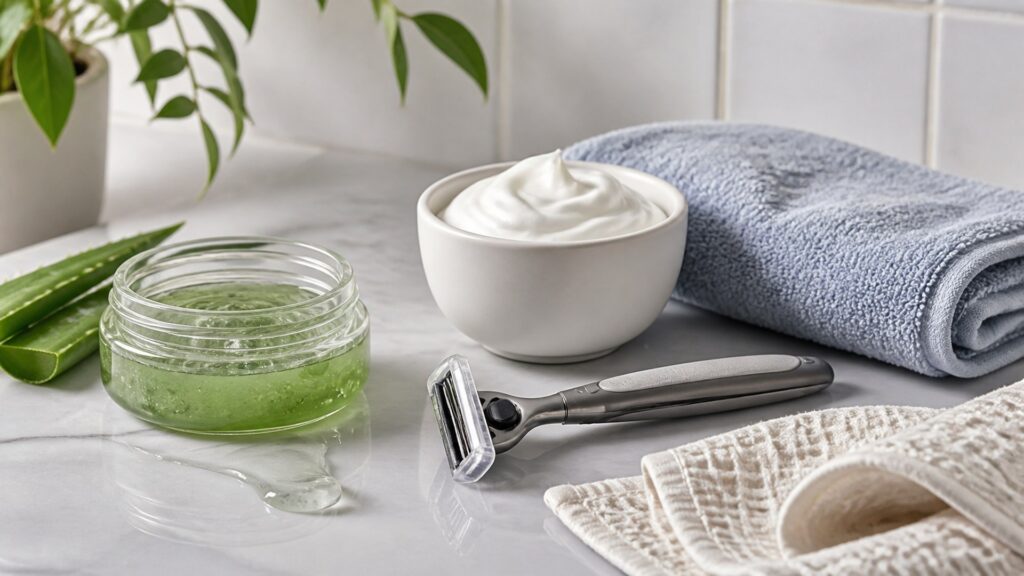
Buying framework
Reduce avoidable contact before seeking closeness
Sensitive-skin selection starts by limiting friction, heat, repeated passes, and unnecessary formula exposure while respecting every label.
Begin with intact skin: Postpone use on irritated, sunburned, broken, or recently reacted areas and follow product warnings.
Minimize the contact load: Compare blade exposure, foil pressure, adhesive pull, tweezing, fragrance, and depilatory actives rather than relying on a sensitive label.
Plan one controlled pass: Use manageable sections, suitable hair length, lubrication where directed, and light handling to reduce repeated work.
Control temperature: Avoid unnecessarily hot water, overheated wax, or hot tools against freshly treated skin; follow each product temperature direction.
Prepare a stopping rule: Patch test when the label directs and stop for burning, swelling, blistering, or persistent irritation.
Who this is for
Identify what triggers the difficult response
Sensitivity may follow friction, fragrance, actives, heat, or repeated root pulling, so the useful method depends on the pattern.
The friction-reactive shaver: Favor a sound blade or guarded electric head, ample directed lubrication, light pressure, and few passes.
The fragrance-avoiding user: Inspect full ingredient and fragrance labeling rather than assuming every sensitive-skin package is fragrance-free.
The depilatory-considering user: Needs an area-permitted formula, exact patch-test and timing compliance, and immediate removal if directed by the label.
The heat-reactive wax user: Prioritize controlled warming, small sections, and temperature checks, or choose a non-heated method if appropriate.
The recurrent-reaction user: Should stop experimenting through active irritation and seek professional assessment when symptoms persist, recur, or become severe.
What to pay attention to
Every specification changes exposure
For sensitive skin, examine how the design limits friction, pressure, heat, chemical contact, and repeat passes.
Contact and reaction controls
Limit friction, heat, and active exposure at the working surface.
Label discipline and recovery
Compare testing, timing, stopping, cleanup, and aftercare requirements.
Blade and guard condition: Sharp, undamaged working surfaces and stable guards support controlled strokes; worn cartridges can encourage pressure and repetition.
Electric-head contour: Flexible foils, guarded cutters, trimmer caps, and reachable controls affect pressure and repeated contact on curves.
Lubrication and fragrance disclosure: Compare glide format, ingredient list, fragrance labeling, rinse behavior, and compatibility with the selected device.
Depilatory timing controls: A clear timer window, area restrictions, patch-test directions, removal method, and repeat interval are non-negotiable.
Wax temperature control: Thermostatic warming, readable settings, mixing, and label-directed temperature testing help avoid uncontrolled heat.
Aftercare simplicity: Favor a routine that removes residue gently and avoids stacking unnecessary fragranced or active products immediately afterward.
Avoid these traps
Sensitive skin does not reward escalation
More pressure, passes, heat, or active exposure can magnify a reaction without improving control.
Trusting the front label alone: Sensitive does not define one universal formula; inspect fragrance, actives, directions, and body-area permission.
Shaving repeatedly for extra closeness: Repeated strokes add friction. Improve preparation and blade condition, use light pressure, and accept a less aggressive finish when needed.
Skipping a directed patch test: Prior tolerance to another product does not replace the current label procedure or waiting period.
Applying wax too hot: Temperature sensation is not an efficacy test; follow warming and checking instructions exactly.
Layering strong aftercare: Stacking fragrance, exfoliants, or multiple active products after removal can complicate exposure and reaction tracking.
Decision guidance
Choose the lowest workable exposure
Start with the method that meets the grooming need while keeping the known trigger—friction, formula, heat, or pulling—most controllable.
If blades trigger friction: Consider a guarded electric shaver or trimmer and accept less closeness, while keeping heads clean and pressure light.
If manual shaving remains preferable: Use a sound blade, directed lubrication, short strokes, and few passes; avoid repeatedly revisiting the same area.
If considering a depilatory: Select only an area-permitted product, inspect fragrance and actives, and follow patch-test, timing, removal, and repeat-use directions.
If considering wax or epilation: Weigh longer intervals against pulling, heat, and repeated tweezing; use correct hair length and small controlled sections.
If reactions continue: Stop the method and seek qualified evaluation for persistent, severe, spreading, or recurrent symptoms rather than rotating stronger products.
Ownership & compatibility
Prevent wear from adding friction
Sensitive-skin routines depend on clean, undamaged working surfaces and simple, traceable product exposure.
Replace worn cutters: Retire dull cartridges, damaged foils, rough guards, and malfunctioning epilator heads before they encourage pressure or extra passes.
Keep residue controlled: Clean and dry tools exactly as directed so hair, wax, or formula buildup does not alter contact.
Track opened formulas: Record opening or expiry information where relevant and stop using products whose condition or packaging has changed.
Keep aftercare restrained: Store a simple, tolerated post-removal option and introduce no unnecessary fragranced or active layers while skin is reacting.
FAQ
Hair-removal product questions
These answers clarify contact, timing, testing, and method limits.
Which hair-removal method lasts the longest?
Is an electric shaver gentler than a razor?
How long should hair be before waxing?
Can depilatory cream stay on longer for coarse hair?
How many razor passes should I make?
Should wax feel very hot during application?
What does a depilatory patch test show?
How should hair-removal tools be cleaned?
When does irritation need professional attention?
Bottom line
Select the method by contact and repeatability
The best route fits the body area, starting hair, acceptable exposure, desired interval, and realistic cleanup. Product directions set the boundary.
Choose the mechanism: Compare cutting, guarded cutting, chemical action, waxing, and epilation.
Respect the area: Use only products and attachments permitted for that location.
Control exposure: Limit pressure, passes, heat, and timing according to directions.
Watch the response: Stop and escalate persistent or severe reactions appropriately.
Reading Shortcuts
Navigate the decisions behind friction, exposure, and reaction control for sensitive skin.
Decision Reminders
Keep the shortlist tied to real use.
- Role: Give every purchase a defined job.
- Method: Compare how contact and handling differ.
- Limits: Respect labels, scope, and escalation boundaries.
- Upkeep: Include cleaning, replacement, and supply.
Glossary Snippets
Useful terms for this decision.
When to Use a Top 10 Review
Use rankings after the method and constraints are settled.
- Need defined: Remove candidates without a clear role.
- Method chosen: Compare only relevant formats.
- Limits checked: Verify directions and compatibility.
- Finalists ready: Inspect the decisive differences.
A focused Comparison can separate close finalists.
When to Use a Comparison
Compare finalists by consequences, not feature count.
- Contact differs: Compare the working method.
- Burden differs: Count preparation and cleanup.
- Controls differ: Evaluate repeatability.
- Upkeep differs: Price ongoing ownership.
Use a Top 10 after defining the exact format.