Sidewinder and worm drive circular saws differ in motor layout, torque delivery, weight, and handling. This comparison examines real-world performance, control, and use cases to clarify tradeoffs and inform selection.

Reviews You Can Trust
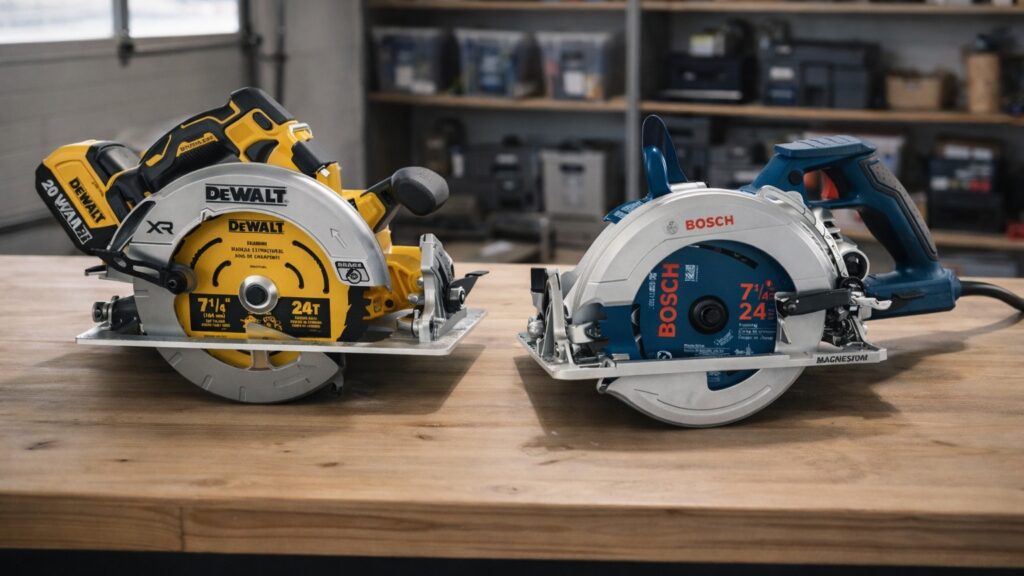
Head-to-head
Sidewinder Circular Saws vs Worm Drive Circular Saws: Key Differences Explained
A clean A/B view of what matters in real cutting work: power delivery, handling across long sessions, visibility at the cut line, weight, and the tradeoffs that shape which saw fits the job.
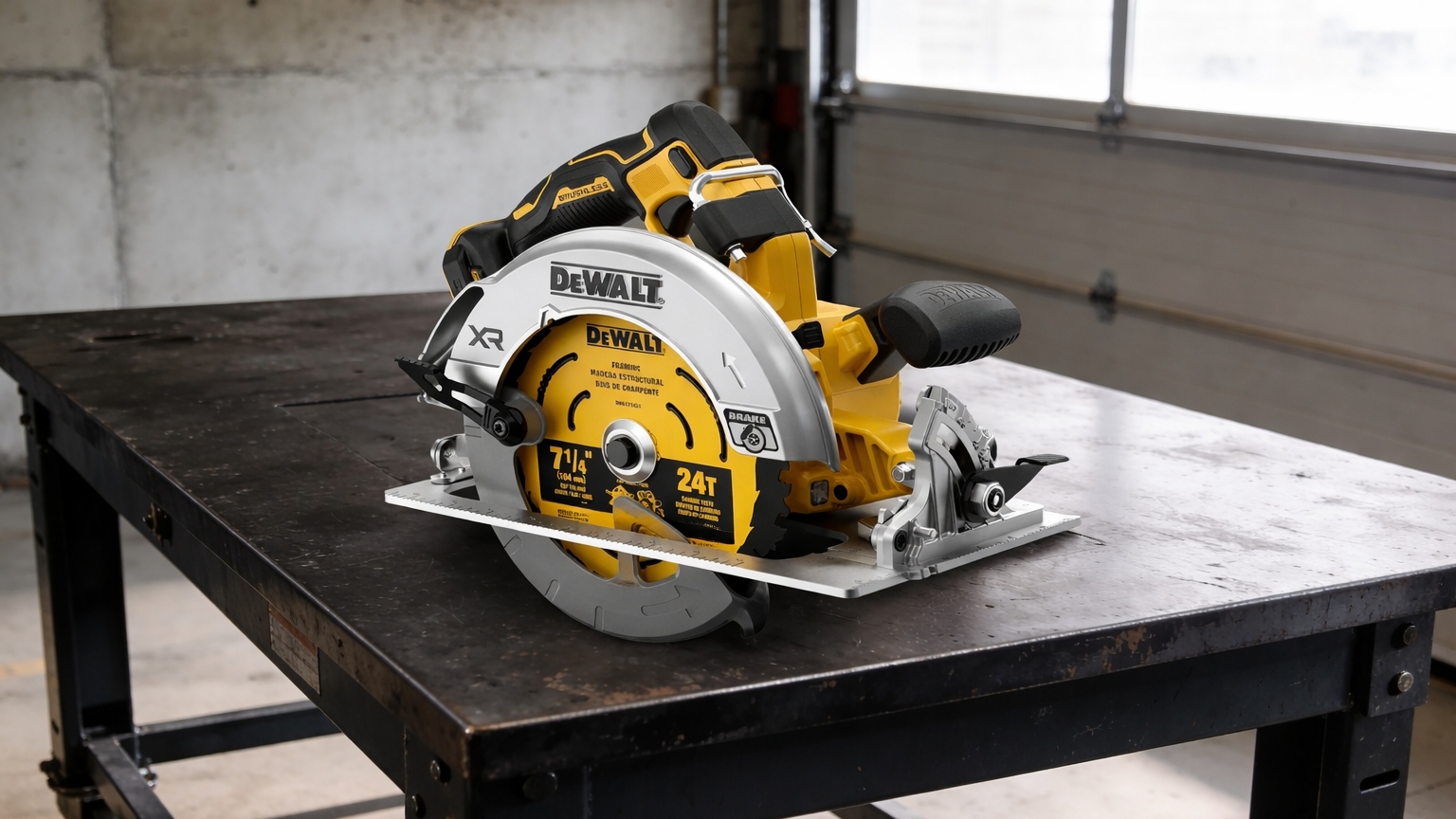
Sidewinder circular saw
A lighter, more compact layout that suits general framing, remodeling, and mixed jobsite work. It usually feels easier to carry, easier to reposition, and simpler for most users to manage all day.
- Usually easier to carry up ladders, across jobsites, and through repeated setup changes
- Compact motor layout helps it feel more approachable for general carpentry and remodeling
- Common pick when versatility, lower fatigue, and broad model availability matter most
VS
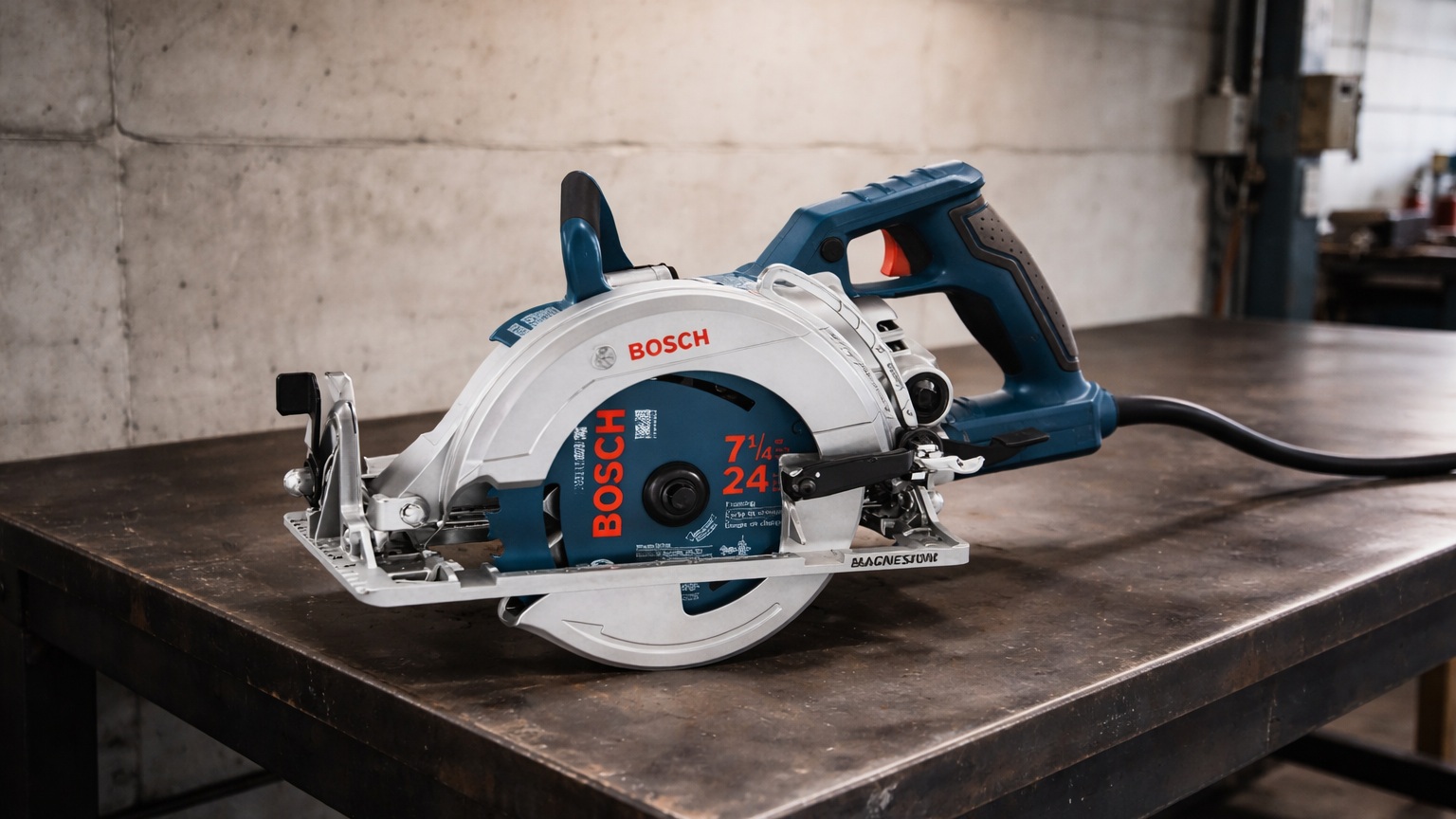
Worm drive circular saw
A heavier, rear-motor design built around high torque and a planted feel in demanding cuts. It tends to appeal most when framing pace, long rips, and push-through confidence matter more than portability.
- Typically feels stronger and more settled when pushing through dense stock or extended rips
- Left-blade orientation is preferred by many right-handed users for line visibility
- Tradeoff is added weight and bulk compared with a typical sidewinder layout
Power under load
Strong for most routine cuts
More torque-focused feel
Worm Drive
Control & clutch consistency
Easy to manage and reposition
Very planted in straight cuts
Tie
Ergonomics (feel + fatigue)
Lighter, easier all-day
Heavier, more demanding
Sidewinder
Value (typical kit pricing)
Usually lower buy-in
Often costs more
Sidewinder
Battery ecosystem depth
Broader mainstream options
More specialized selection
Sidewinder
Real-world context
This comparison reflects a synthesis of professional reviews, manufacturer data, long-term user feedback, and use-case patterns to highlight how each saw layout typically fits everyday jobsite and workshop work.
Sidewinder — Why people choose it
- Lighter, more compact form makes it easier to carry, store, and use across varied jobs
- Usually the better fit for general carpentry, punch-list work, and mixed homeowner-to-pro use
- Broader range of corded and cordless choices at more approachable price points
Worm Drive — Why people choose it
- High-torque delivery and a long rear-motor layout can feel more confident in heavy framing cuts
- Left-blade visibility appeals to many users who want a clearer view of the cut line during straight passes
- Preferred by crews who prioritize planted feel and pushing power over lower weight
Verdict: Choose Sidewinder if you want the more versatile everyday saw for remodeling, general framing, deck work, and lower-fatigue use across long days. Choose Worm Drive if your work leans harder into framing, long rip cuts, and demanding stock where extra torque feel and cut-line visibility matter more than portability.