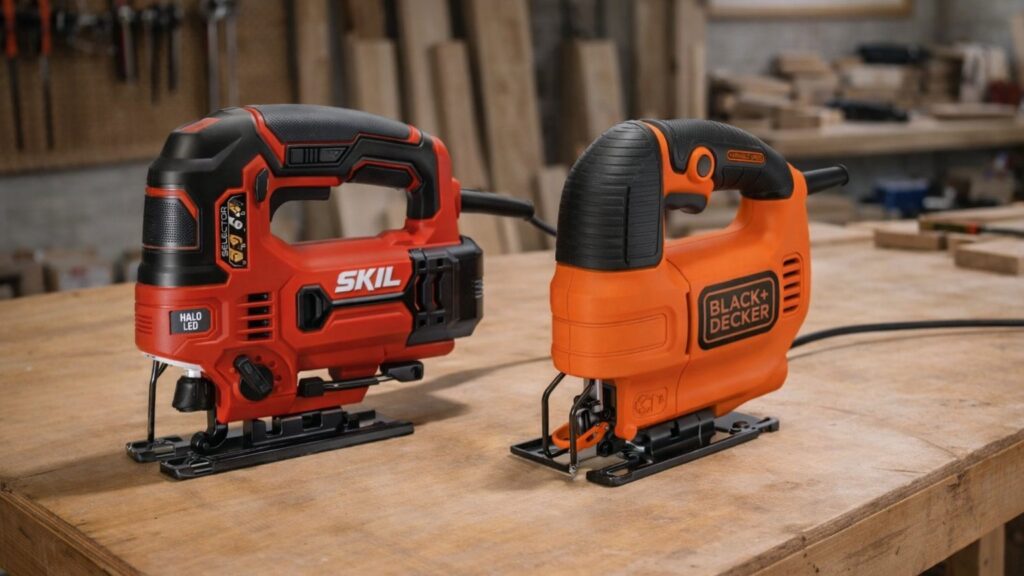
Skil JS314901 vs Black+Decker BDEJS600C: Which Jigsaw Is Better?

This head-to-head comparison of the Skil JS314901 and Black+Decker BDEJS600C examines real-world performance, control, and usability to highlight key differences and tradeoffs that influence everyday cutting tasks and decisions.

By: Review Streets Research Lab
Updated: April 7, 2026
Approx. 10–12 min read
Skil JS314901 vs Black+Decker BDEJS600C: Which Jigsaws Is Better?

Head-to-head

Skil JS314901 vs Black+Decker BDEJS600C: Which Jigsaw Is Better?

A clean A/B view of what matters in a corded jigsaw comparison: cutting control, stability through curves, ease of adjustment, day-to-day handling, and the tradeoffs between stronger execution and budget-friendly simplicity.
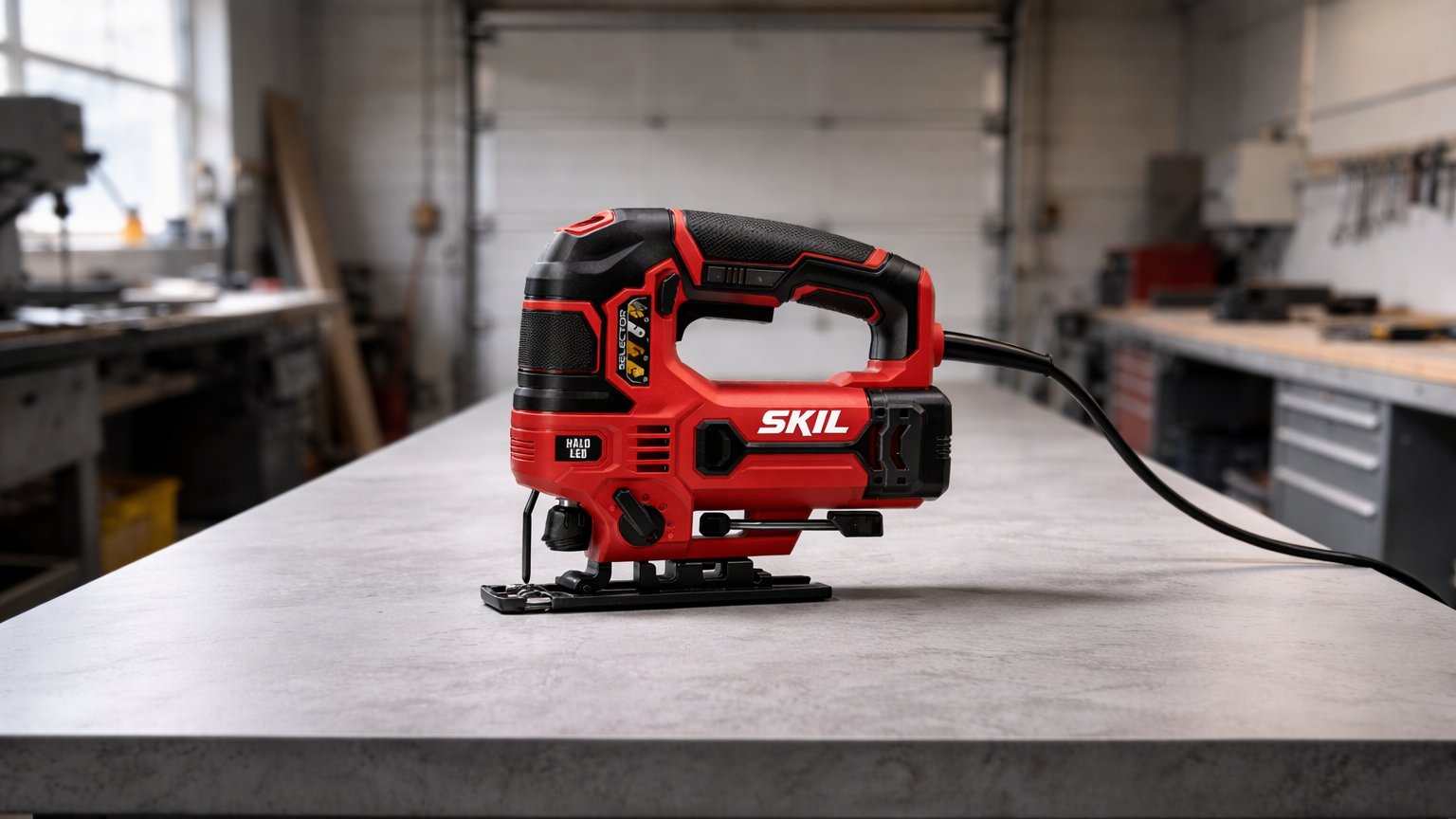
Skil JS314901 corded jigsaw

Skil JS314901 corded jigsaw

A more feature-forward corded jigsaw that feels better suited to frequent workshop use, especially when cleaner control, easier setup changes, and more confident curved cuts matter.

Score 8.3 Best for regular shop projects Battery corded Why buy better control + features
  • Feels more composed when following curved layouts or longer finish cuts
  • Typically the better fit when you want more adjustment flexibility from a budget corded saw
  • Stronger overall choice for users who expect their jigsaw to do more than occasional trim work
VS
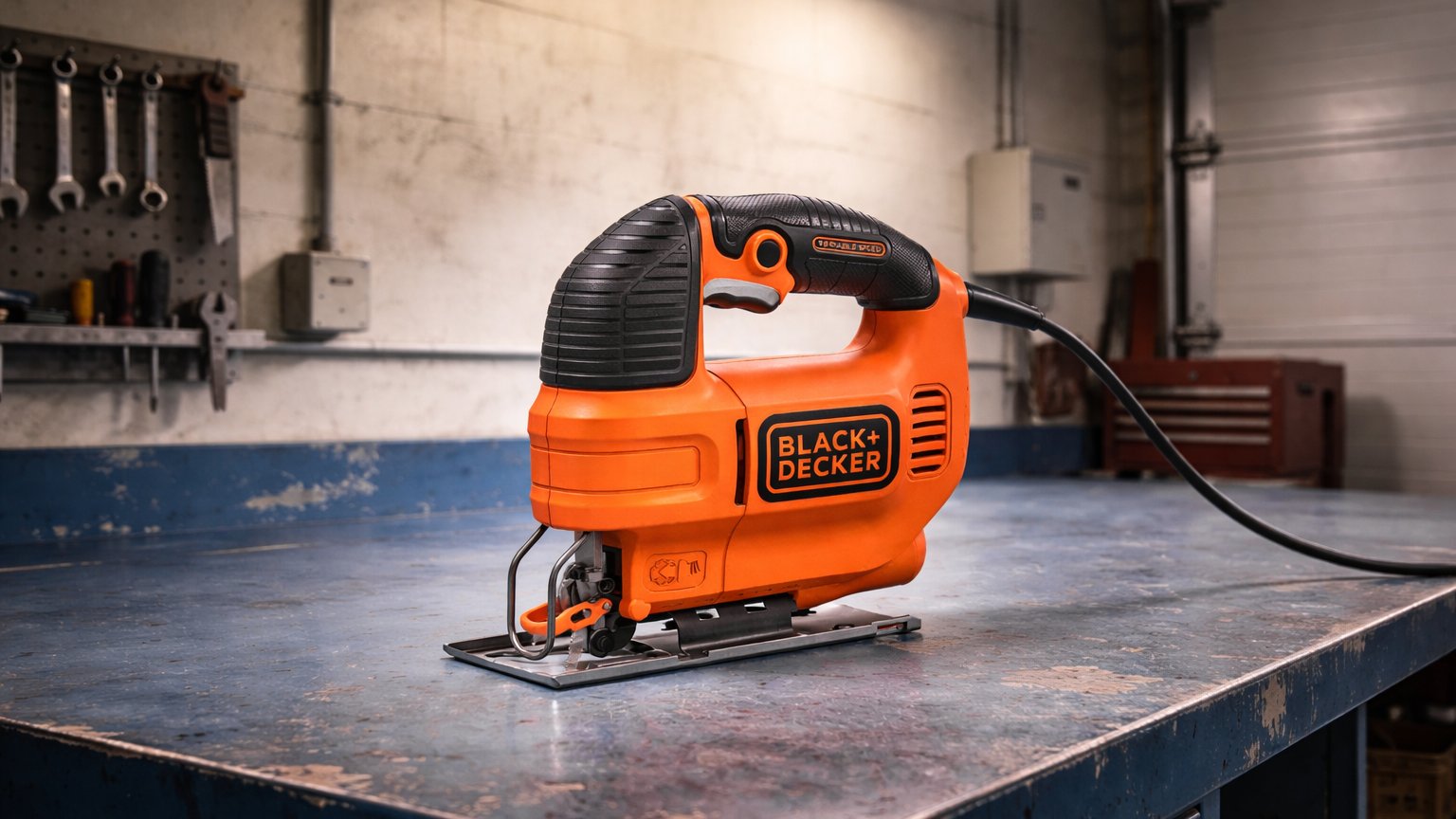
Black+Decker BDEJS600C corded jigsaw

Black+Decker BDEJS600C corded jigsaw

A straightforward, lighter-duty corded option aimed at occasional cutting tasks, small home projects, and buyers who want a familiar entry-level tool without paying for extra refinement.

Score 7.8 Best for lighter-duty use Battery corded Why buy lower entry cost
  • Easy to understand for simple straight cuts, rough fitting, and occasional project work
  • Usually the more budget-friendly path if the saw will not be used often
  • Best suited to lighter materials and less demanding precision expectations
Power under load
More confident through thicker stock
Adequate for lighter-duty cuts
Skil
Control & clutch consistency
Better tracking and adjustment feel
Serviceable, less refined
Skil
Ergonomics (feel + fatigue)
Solid grip, slightly more substantial feel
Lighter, easier for brief tasks
Black+Decker
Value (typical kit pricing)
Better tool for the money
Cheaper upfront buy
Skil
Battery ecosystem depth
Not a platform-driven purchase
Tie
Real-world context
This comparison reflects a synthesis of professional reviews, manufacturer data, long-term user feedback, and use-case patterns to highlight how each jigsaw typically performs in everyday projects.

Skil — Why people choose it

  • More convincing step up for users who want cleaner control and a less entry-level feel
  • Usually the stronger pick for repeated workshop use, tighter curves, and more varied materials
  • Better overall fit when you want one corded jigsaw to cover both routine and slightly more demanding cuts

Black+Decker — Why people choose it

  • Lower-cost option for occasional use (especially when precision demands are modest)
  • Friendly starting point for homeowners and light-duty maintenance work
  • Appealing when simple function and a familiar brand matter more than added refinement
Verdict: Choose Skil JS314901 if you want the better all-around corded jigsaw for more frequent use, more controlled cuts, and fewer compromises in day-to-day handling. Choose Black+Decker BDEJS600C if your priorities are a lower upfront cost, lighter-duty project work, and a simpler saw for occasional cuts rather than regular, more demanding use.
Read FAQs

Deep dive

What actually matters in this matchup

On paper, both jigsaws cover the same basic job, but the meaningful differences show up in how controlled the cut feels, how easy each saw is to guide through curves, and how much confidence they inspire once the material, pace, and expectations become less forgiving.

For cleaner, more deliberate cuts: the more important question is not whether the saw can cut, but how predictable it feels while entering the line, correcting direction, and staying composed through curves, cutouts, and longer visible passes.

For lighter, occasional use: simplicity and lower cost can matter more than refinement, especially when the saw will mainly handle quick trim work, rough fitting, or basic project cuts where ultimate precision is less critical.

For long-term ownership: ease of adjustment, overall fit and finish, and how well the tool supports a wider range of materials and cut types often matter more than headline features, because those differences shape workflow every time the jigsaw comes off the shelf.

Methodology

How we evaluated these jigsaws

Our evaluation focused on real cutting tasks that expose meaningful differences between jigsaws, not spec-sheet claims. Each model was assessed in practical scenarios using a context-aware approach designed to reflect how these tools are actually used in everyday project work.

Tasks: straight cuts in sheet goods, curved cuts in common project materials, controlled plunge and entry work where appropriate, repeated direction changes, and longer passes that reveal stability, tracking, and overall ease of handling.

What we scored: cutting control under use, consistency through different materials, ergonomics, adjustment ease, build confidence, and the ownership value each saw delivers over time.

How results are interpreted: outcomes are evaluated in real-world context, recognizing that the importance of control, comfort, versatility, and value can shift depending on the material, cut type, and how often the jigsaw is used.

What we ignored: advertised specs, isolated lab-style claims, and features that do not clearly translate into repeatable, real-world cutting performance.

FAQ

Skil JS314901 vs Black+Decker BDEJS600C: Common questions

Which jigsaw is better for most homeowners?
For most homeowners, the better choice depends on how often the tool will be used. The Skil generally makes more sense for repeated projects or when cleaner, more controlled cuts matter, while the Black+Decker fits lighter, occasional use where simplicity and lower cost are the priority.
Is there a noticeable difference in cutting control?
Yes, especially during curved cuts or longer passes. The Skil tends to feel more stable and predictable when following a line, while the Black+Decker can feel less refined, which is usually acceptable for rougher or less visible cuts.
Are both saws suitable for thicker materials?
Both can handle common materials, but their comfort level differs as thickness increases. The Skil is generally more confidence-inspiring when pushing through denser stock, while the Black+Decker is better suited to lighter-duty materials and moderate workloads.
Which is easier to use for occasional projects?
The Black+Decker is typically easier for occasional use due to its straightforward operation and lighter feel. It works well when the goal is quick, simple cuts without needing frequent adjustments or fine control.

Key Takeaways

  • The Skil JS314901 leans toward more controlled, repeatable cutting, making it a better fit when accuracy and consistency matter across multiple projects.
  • The Black+Decker BDEJS600C favors simplicity and lower upfront cost, which aligns better with occasional use and less demanding cut quality expectations.
  • Differences in control and stability become more noticeable during curved cuts or longer passes, where small handling advantages affect the final result.
  • For short, infrequent tasks, lighter feel and ease of use can matter more than refinement, while regular use tends to favor tools with better overall composure.
  • Adjustment ease and overall build confidence influence workflow over time, especially when switching between materials or cut types.
  • In practice, the right choice depends less on capability and more on how often the tool is used and how precise the finished cut needs to be.

Verdict

The Better Jigsaw for Most Use Cases

In this comparison, the difference comes down to how much control, consistency, and long-term usability matter versus keeping costs low for occasional tasks. Both tools can complete the job, but they diverge in how confidently they handle it over time.

#1 Winner

Skil JS314901 corded jigsaw

A more capable all-around option that delivers better control, smoother handling, and greater flexibility for repeated or more demanding use.

  • More predictable tracking through curves and longer cuts
  • Better suited to varied materials and more frequent project work
  • Stronger overall sense of control and adjustment flexibility

Runner-up

Jump to the Head-to-Head

Tip: If your projects are occasional and simple, lower cost may matter more; for repeated use or cleaner results, added control becomes more noticeable over time.

Where to Buy

We prioritize reputable sellers, easy returns, and reliable availability.

Price checks happen regularly. Some links may earn a commission—never affects rankings.

Accessories You’ll Want

  • Assorted jigsaw blade set (wood, metal, laminate, and fine-cut blades for handling different materials without forcing one blade to do everything)
  • Splinter guard or zero-clearance insert (helps reduce tear-out and improve cut quality on visible surfaces)
  • Clamps and a stable cutting surface (keeps material from shifting and makes curved or detailed cuts easier to control)
  • Straightedge or cutting guide (useful for cleaner long passes when a jigsaw is doing light straight-cut duty)
  • Safety glasses and dust collection support (important for visibility, cleanup, and safer cutting in sheet goods or treated material)

Tip: Blade choice usually affects cut quality more than small differences between saws, so plan on buying blades for the material and finish quality you actually need.