Smart Home vs Traditional Home Products – What Actually Improves Everyday Living

Smart home devices promise automation and convenience, while traditional home products emphasize simplicity and reliability. This comparison examines how each performs in everyday routines, highlighting practical differences, tradeoffs, and real-world usability.

By: Review Streets Research Lab
Updated: April 13, 2026
Approx. 10–12 min read
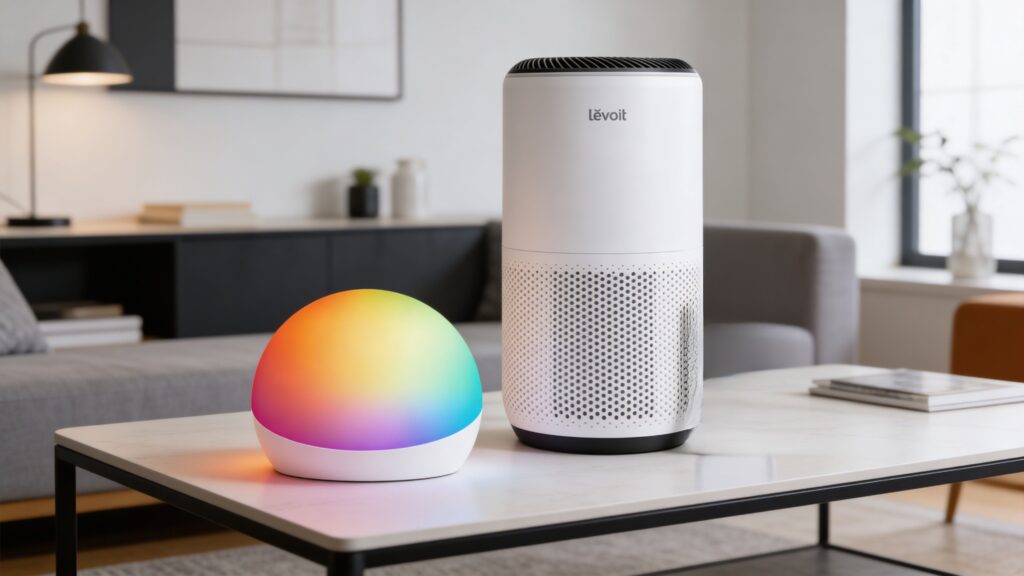
Modern smart home devices like smart thermostats, lighting, and voice assistants displayed alongside traditional home appliances in a stylish contemporary living space

Head-to-head

Smart Home vs Traditional Home Products – What Actually Improves Everyday Living

A clean A/B view of what matters in real homes: convenience in daily routines, learning curve, long-term reliability, practical value, and whether connected features actually improve everyday living.
Smart Home Products

Smart Home Products

Connected products designed to automate daily tasks, add remote control, and build a home that adapts more easily to schedules, habits, and changing routines.

Score 9.0 Best for automation-focused homes Battery connected ecosystem Why buy control + convenience
  • Best when automation solves tasks you would otherwise repeat manually every day
  • Can improve comfort, monitoring, and convenience more noticeably over time than on day one
  • Creates more upside when multiple products work together in the same ecosystem
VS
Traditional Home Products

Traditional Home Products

Conventional home products built around direct use, predictable operation, and immediate practicality without apps, platforms, or extra setup steps.

Score 8.7 Best for simple daily utility Battery standalone use Why buy ease + practicality
  • Usually easier to adopt because the benefit is immediate and does not depend on configuration
  • Stronger fit when reliability, familiarity, and low-friction use matter more than automation
  • Often provides clearer day-one value for households that prefer straightforward functionality
Everyday convenience
Higher once routines are set
Immediate and straightforward
Tie
Ease of adoption
Setup and learning required
Lower friction for most homes
Traditional Home
Automation & remote control
Strong connected advantage
Mostly manual operation
Smart Home
Long-term ecosystem value
Grows with more integrations
Usually product-by-product
Smart Home
Reliability through simplicity
Depends more on setup and compatibility
Fewer moving parts in ownership
Traditional Home
Real-world context
This comparison reflects a synthesis of long-term user feedback, feature design, ownership patterns, and everyday household use to show where smart upgrades and traditional home products each create the most meaningful value.

Smart Home Products — Why people choose them

  • Reduce repeated manual tasks by automating routines that happen throughout the day
  • Offer more control when households want remote access, scheduling, and connected features
  • Become more useful as additional devices, sensors, or assistants are added over time

Traditional Home Products — Why people choose them

  • Deliver practical usefulness without depending on apps, accounts, or compatibility layers (especially appealing for simple routines)
  • Are usually easier to understand, maintain, and use consistently from the start
  • Make sense when buyers want direct function and predictable ownership rather than automation
Verdict: Choose Smart Home Products if you want a home that becomes easier to manage through automation, scheduling, and connected control over time. Choose Traditional Home Products if you value direct usefulness, simpler ownership, and products that improve daily routines without setup or ecosystem commitment. In practice, smart products offer more long-term upside, while traditional products often provide the clearer immediate benefit.
Read FAQs

Deep dive

What actually matters in this matchup

On paper, these products solve very different household problems, which is exactly why this comparison matters. The real question is not which one has more features, but which type of improvement changes everyday living in a meaningful way. This matchup comes down to whether convenience is better delivered through background automation that quietly manages comfort or through a hands-on product that makes daily cooking faster, simpler, and easier to repeat.

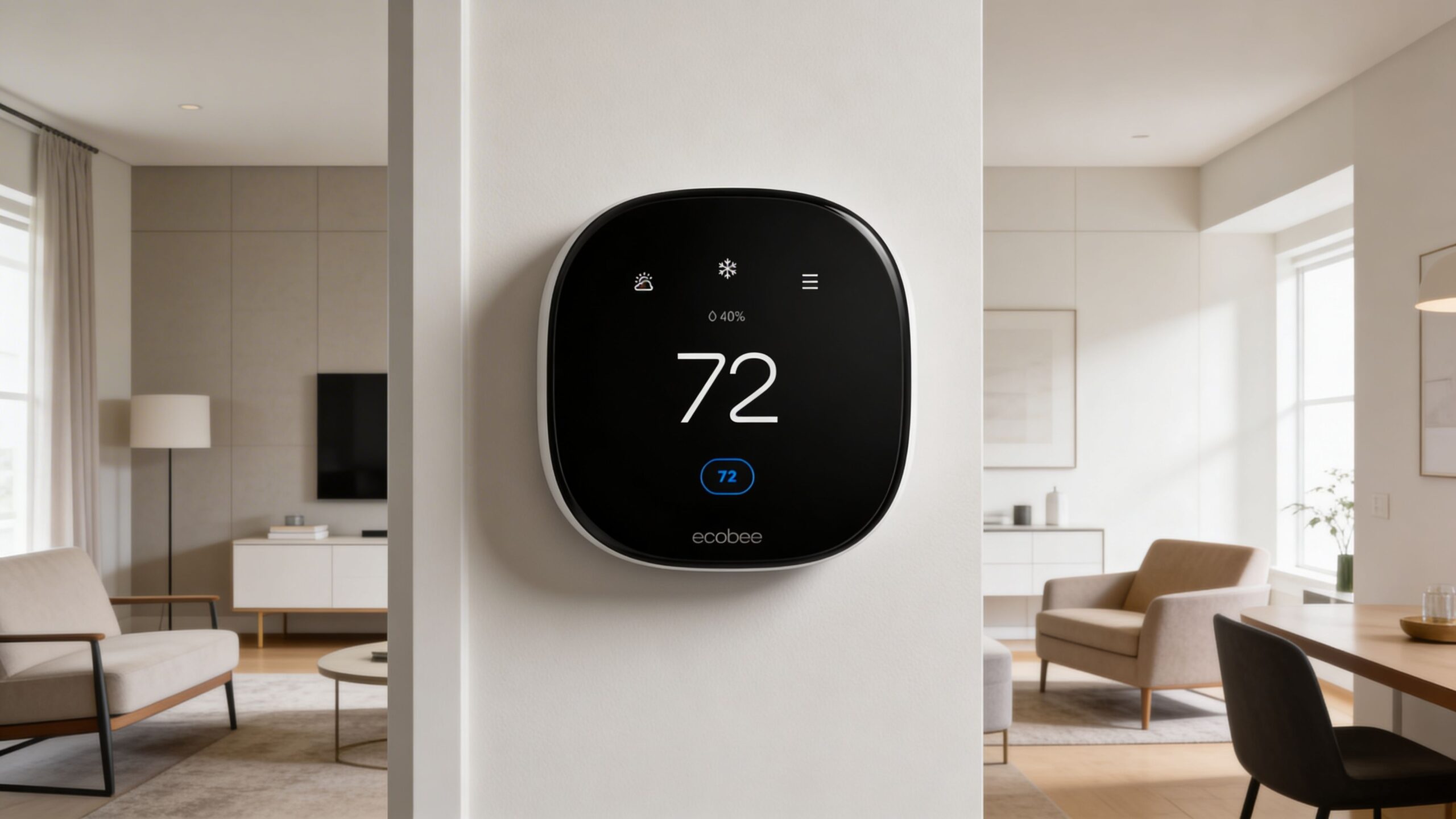
Where the smart option stands out: the thermostat matters most when comfort tends to drift throughout the day, schedules change often, or energy use is something the household actively wants to manage with less manual adjustment.

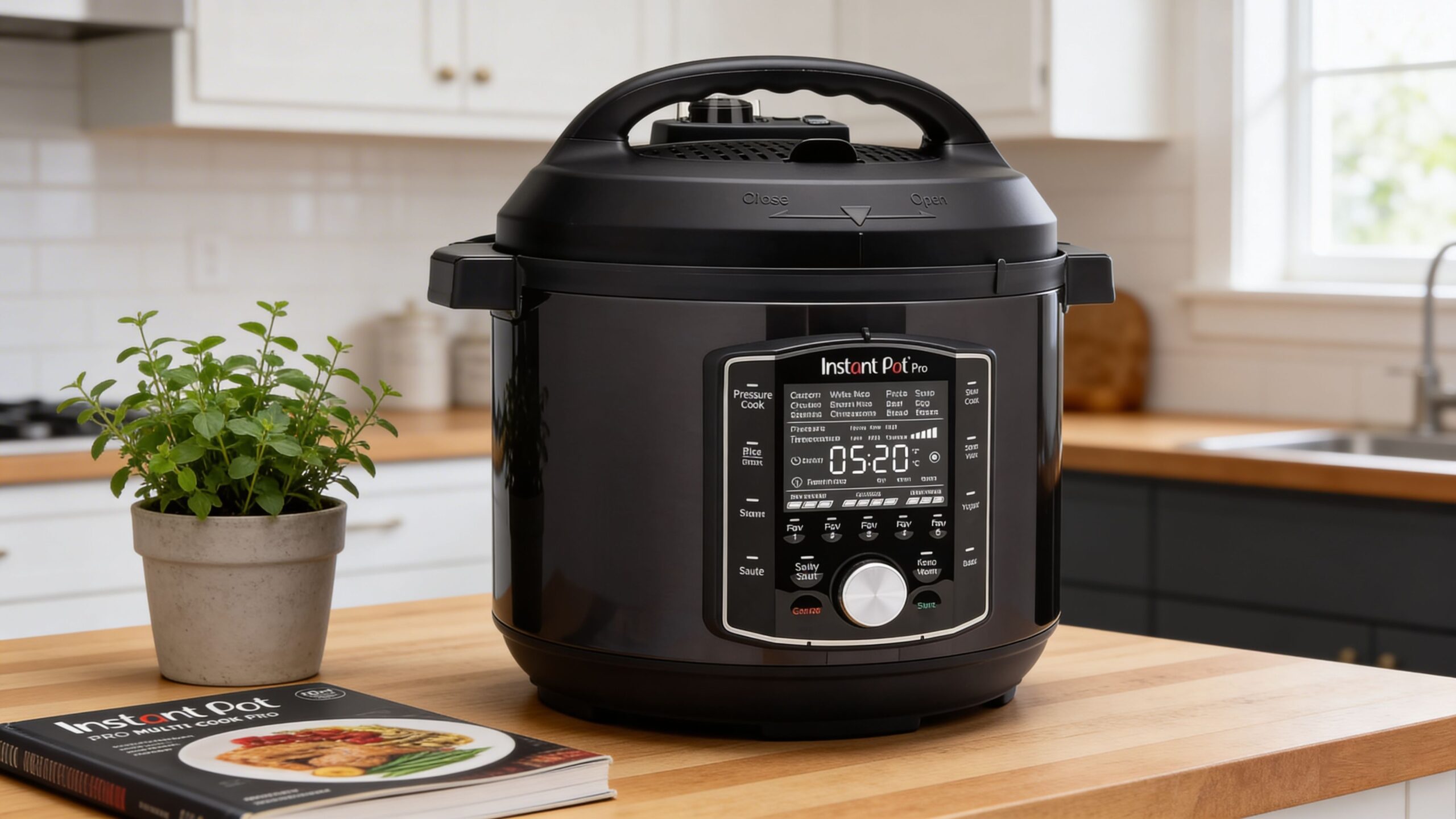
Where the traditional product pulls ahead: the multi-cooker feels more immediate in daily life because the benefit is tangible from the first week, especially when faster meals, fewer steps, and less kitchen clutter have a direct effect on routine.

What ownership looks like over time: one product becomes more valuable as part of a wider connected home, while the other earns its place by being broadly useful on its own, with less setup, less friction, and fewer habits to change.

Methodology

How we evaluated these home products

Our evaluation focused on real household tasks and daily-use patterns that reveal meaningful differences between connected and traditional products, not feature lists alone. Each product was assessed through a context-aware comparison built around how convenience, usability, and long-term value actually show up in everyday living.

Tasks: adjusting indoor comfort across changing schedules, managing routine household decisions remotely or manually, preparing everyday meals, reducing repeated steps, and evaluating how quickly each product improves normal home routines.

What we scored: real-world usefulness, consistency in day-to-day performance, ease of use, build confidence, and the broader ownership value created through either ecosystem flexibility or standalone practicality.

How results are interpreted: outcomes are evaluated relative to actual living patterns, recognizing that automation, simplicity, flexibility, and long-term value do not matter equally in every home or for every type of buyer.

What we ignored: advertised features, isolated claims, and surface-level differences that do not consistently translate into repeatable, noticeable improvements in real-world use.

FAQ

Smart Home vs Traditional Home Products: Common questions

Do smart home products always improve everyday living?
Not necessarily. Smart products tend to deliver the most value when they automate something that would otherwise require frequent manual adjustments, such as managing home temperature. In homes where routines are predictable or preferences rarely change, the improvement may feel more subtle.
When do traditional home products make more sense?
Traditional products often make more sense when the benefit is immediate and tangible, such as saving time during cooking or simplifying daily tasks. They typically require less setup and fewer ecosystem decisions, which can make them easier to adopt quickly.
Is the learning curve different between smart and traditional products?
In most cases, yes. Smart products usually involve app setup, connectivity, and some level of configuration to get the most from automation features. Traditional products tend to focus on direct usability, allowing most users to start using them effectively with minimal adjustment.
Which type of product offers better long-term value?
Long-term value depends on how the product fits into everyday routines. Smart products may gain value as part of a connected home ecosystem, while traditional products often deliver consistent utility on their own without requiring additional platforms or integrations.

Key Takeaways

  • Smart home upgrades like connected thermostats create value gradually by automating routine adjustments, while traditional appliances tend to deliver more immediate, hands-on convenience.
  • The benefit of a smart device depends heavily on whether its automation features are actually used; without schedules or integrations, the advantage over manual control can be modest.
  • Traditional multi-use appliances often feel more universally useful because their impact—faster meals, fewer cooking steps, and simplified routines—is noticeable from the first weeks of ownership.
  • Connected products gain strength when they are part of a broader ecosystem, whereas standalone appliances succeed by solving one everyday task reliably without additional setup.
  • Ease of adoption differs significantly: smart home products typically require setup and learning, while traditional tools focus on direct usability and predictable operation.
  • Choosing between the two approaches often comes down to whether a household values long-term automation and connected control or prefers straightforward tools that simplify daily tasks immediately.

Verdict

Which Type of Home Product Improves Everyday Living Most?

In this comparison, the difference comes down to how convenience is delivered. One product improves the home gradually through automation and connected control, while the other provides immediate, practical value through everyday functionality that simplifies routine tasks.

#1 Winner

Smart Home Products

The stronger choice for households looking to improve comfort and efficiency over time through automation and connected home control.

  • Reduces manual temperature adjustments through schedules and automation
  • Offers greater long-term value when integrated into a broader smart home ecosystem
  • Helps maintain more consistent comfort across changing daily routines

Runner-up

Jump to the Head-to-Head

Tip: Smart home upgrades tend to deliver the most value when their automation features are actively used, while traditional appliances succeed by providing immediate, repeatable usefulness.

Where to Buy

We prioritize reputable sellers, easy returns, and reliable availability.

Price checks happen regularly. Some links may earn a commission—never affects rankings.

Accessories You’ll Want

  • Smart room sensor (helps a thermostat respond better to the rooms you actually use most)
  • C-wire adapter or installation kit (useful for older homes where smart thermostat wiring may need a simple compatibility fix)
  • Silicone sealing rings (a practical replacement for pressure cookers that helps control odor transfer and keeps performance consistent)
  • Extra inner pot (makes meal prep, batch cooking, and quick cleanup easier when using a multi-cooker regularly)
  • Appliance surge protector (adds a layer of protection for frequently used electronics and kitchen gear)

Tip: Buy accessories that match how you plan to live with the product long term—smart home gear benefits from compatibility, while cooking appliances benefit from replaceable parts and easy upkeep.