Smart Lighting vs Traditional Lighting – Which Is the Better Upgrade

Smart lighting and traditional lighting take very different approaches to illuminating a home. This comparison examines control, installation, cost, energy efficiency, and everyday usability to help clarify the practical differences.

By: Review Streets Research Lab
Updated: April 13, 2026
Approx. 10–12 min read
Smart Lighting vs Traditional Lighting – Which Is the Better Upgrade

Head-to-head

Smart Lighting vs Traditional Lighting – Which Is the Better Upgrade

A clean A/B view of what matters in real homes: control, installation effort, daily convenience, long-term energy use, upgrade flexibility, and the practical tradeoffs between connected lighting and a standard switch-based setup.
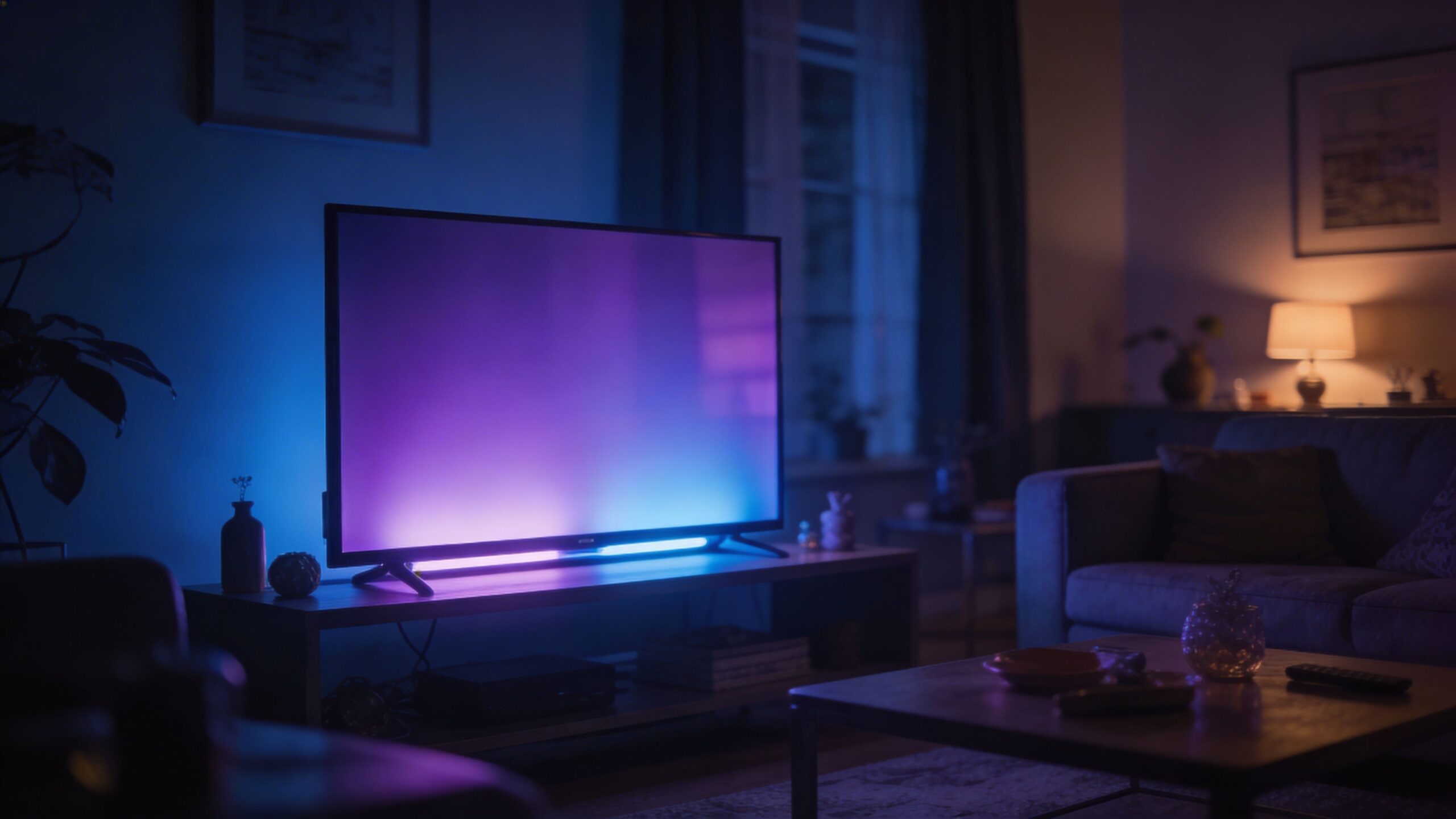
Philips Hue White and Color Starter Kit smart lighting system

Smart Lighting System

A feature-rich smart lighting setup built for households that want scenes, scheduling, voice control, and room-by-room customization rather than simple on-off illumination.

Score 9.0 Best for connected home control Platform Hue ecosystem Why buy automation + scene depth
  • Lets you dim, change color, automate routines, and control multiple rooms without rewiring most homes
  • Especially useful when convenience, ambiance, and app or voice control matter as much as basic light output
  • Higher upfront cost makes the most sense when you plan to expand into a broader smart home setup
VS
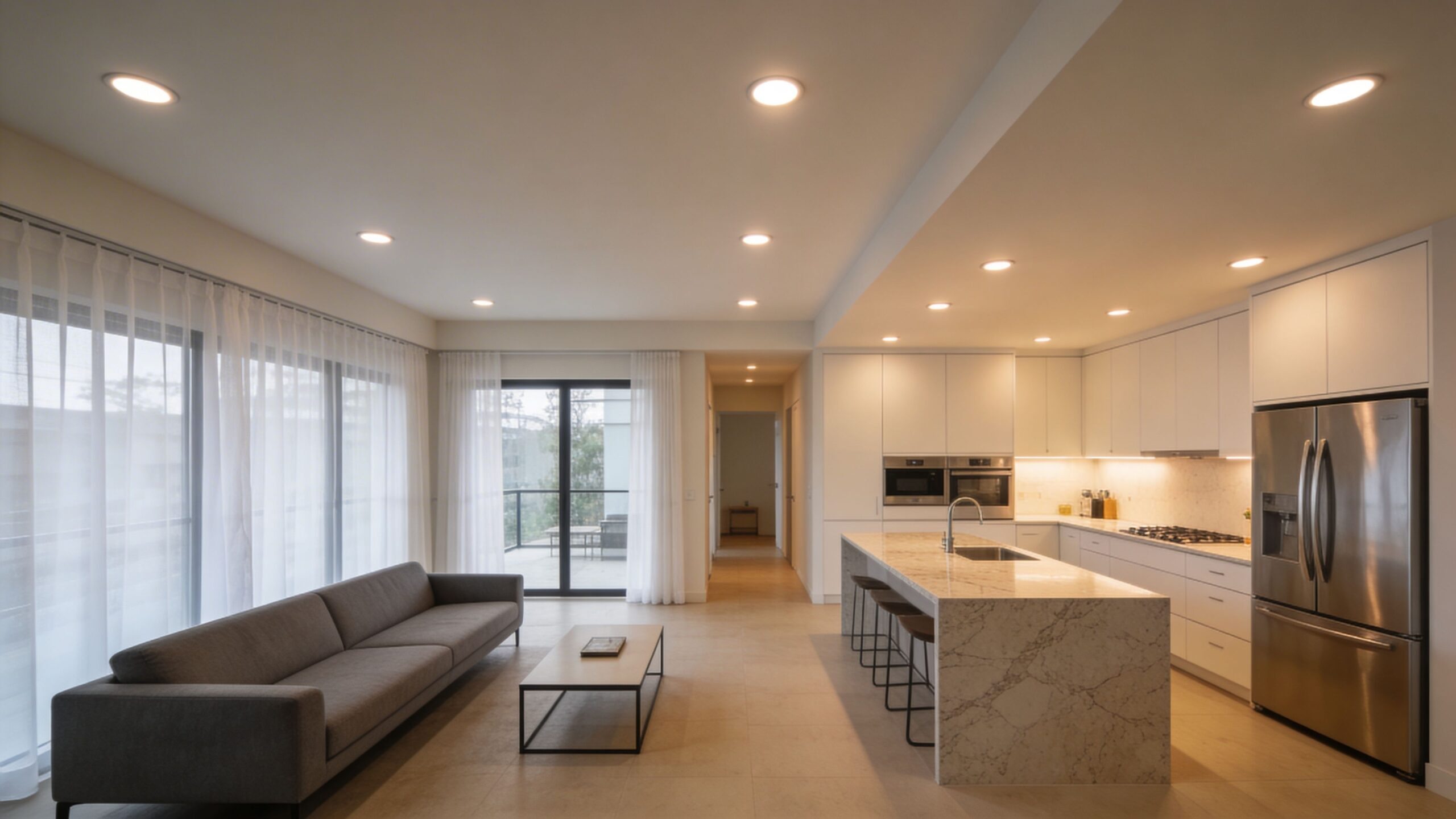
Traditional home lighting setup

Traditional Home Lighting Setup

A straightforward lighting approach that keeps installation simple, costs down, and everyday operation familiar for households that do not need app-based features.

Score 8.3 Best for simple low-cost upgrades Platform standard fixtures Why buy lower cost + simplicity
  • Usually the easier choice when you want dependable lighting without hubs, apps, or setup time
  • Works well for rental properties, budget-conscious updates, and rooms where automation adds little value
  • Keeps replacement costs lower and avoids compatibility concerns across brands and platforms
Control & automation
App, voice, schedules, scenes
Manual switch control
Smart Lighting
Ease of installation
Requires setup and hub in some systems
Plug-and-play fixtures and bulbs
Traditional Lighting
Customization & ambiance
Color scenes, dimming, room automation
Limited to bulb brightness and fixture design
Smart Lighting
Upfront cost
Higher starter kit investment
Lower initial cost for bulbs and fixtures
Traditional Lighting
Smart-home ecosystem integration
Works with assistants, sensors, and routines
Standalone lighting only
Smart Lighting
Real-world context
This comparison reflects a synthesis of professional reviews, manufacturer data, long-term user feedback, and use-case patterns to highlight how each lighting approach typically performs in everyday homes.

Smart Lighting — Why people choose it

  • Better for schedules, scenes, voice assistants, and room-by-room control that standard bulbs cannot match
  • Convenient for automated evening lighting, vacation modes, and app-based adjustments from anywhere
  • Strong long-term fit when building a broader connected home system

Traditional Lighting — Why people choose it

  • Lower buy-in cost and simpler replacement path (especially for larger homes)
  • No apps, hubs, or connectivity issues to manage
  • Reliable lighting for rooms where automation provides little practical benefit
Verdict: Choose Smart Lighting if you want automation, remote control, and flexible scenes that adapt to daily routines. Choose Traditional Lighting if your priority is lower cost, simple installation, and dependable lighting without the complexity of connected systems.
Read FAQs

Deep dive

What actually matters in this matchup

On paper, both lighting approaches cover the same basic job, but the meaningful differences show up in how they fit into everyday routines. This comparison focuses on what changes once the lights are installed: how much control you really gain, how much setup you are willing to manage, how the system fits the rest of the home, and whether the added flexibility translates into value you will actually use.

For everyday convenience: smart lighting changes the experience more than the brightness itself, since scheduling, dimming, scenes, and remote access can make a home feel easier to manage, while traditional lighting keeps the experience simple and familiar with almost no learning curve.

For ownership over time: the real question is not just bulb cost, but whether added control justifies added complexity. Smart lighting can become more useful as more rooms, routines, and connected devices are added, while traditional lighting stays easier to replace, maintain, and standardize across a larger home.

For room-by-room priorities: smart lighting tends to matter most in living rooms, bedrooms, and spaces where ambiance or automation changes daily use, while traditional lighting often makes more sense in utility spaces, guest rooms, rentals, or anywhere dependable light matters more than personalization.

Methodology

How we evaluated smart lighting vs traditional lighting

Our evaluation focused on everyday lighting scenarios that reveal meaningful differences between connected smart lighting systems and conventional lighting setups. Instead of relying on spec sheets or marketing claims, we examined how each approach performs in real home environments where convenience, reliability, and long-term ownership matter most.

Tasks: everyday lighting routines such as turning lights on and off throughout the day, adjusting brightness for different activities, scheduling lighting around daily routines, and managing multiple rooms to evaluate convenience, responsiveness, and overall usability.

What we scored: real-world control flexibility, consistency of operation, ease of setup, integration with other devices or fixtures, reliability of everyday use, and how well each lighting approach supports long-term home ownership or upgrades.

How results are interpreted: outcomes are assessed using a context-aware evaluation approach, recognizing that the importance of automation, simplicity, energy efficiency, and customization can vary depending on the home, the number of rooms involved, and how frequently lighting is adjusted throughout the day.

What we ignored: isolated marketing claims, theoretical brightness or efficiency advantages, and features that do not meaningfully affect everyday lighting experience. The focus stays on practical outcomes such as control flexibility, energy efficiency, and usability in real living spaces. Smart lighting often uses LED technology and automation that can reduce energy use and allow scheduling or remote control, while traditional lighting remains simpler and less expensive to operate and maintain.

FAQ

Smart Lighting vs Traditional Lighting: Common questions

Is smart lighting worth the upgrade over traditional lighting?
Smart lighting tends to be worthwhile when convenience, automation, or customization are priorities. Features like scheduling, dimming, and voice control can noticeably change daily routines. Traditional lighting remains the simpler and more cost-effective option when dependable illumination is the only goal.
Do smart lights require complicated installation?
In most homes, installation involves replacing standard bulbs and connecting them through an app or hub, which usually takes only a few minutes per room. The setup process can be more involved when adding multiple lights or integrating with other smart devices. Traditional lighting avoids this step entirely since it works immediately with existing switches.
Can smart lighting reduce energy use compared to traditional lighting?
Many smart lighting systems use efficient LED technology and allow scheduling or automatic shutoff, which can reduce unnecessary usage. However, energy savings often depend more on how lights are used than on the technology itself. Traditional LED bulbs can achieve similar efficiency without the added connectivity features.
When does traditional lighting make more sense?
Traditional lighting is often the better fit for utility spaces, rental properties, or homes where simplicity and lower upfront cost matter most. It avoids app setup, connectivity considerations, and compatibility questions. In rooms where lighting rarely changes, the added flexibility of smart systems may not provide meaningful value.

Key Takeaways

  • Smart lighting changes how lighting is used day to day by adding automation, remote control, and customizable scenes, while traditional lighting focuses on simple, dependable operation.
  • The real trade-off is convenience versus simplicity—smart systems add flexibility and features, while traditional setups keep installation, troubleshooting, and replacement straightforward.
  • Smart lighting tends to deliver the most value in living areas, bedrooms, and spaces where schedules, ambiance, or automation meaningfully affect daily routines.
  • Traditional lighting remains practical for utility rooms, rentals, and homes where consistent illumination matters more than customization or app-based control.
  • Ownership experience differs over time: smart lighting rewards buyers building a connected home ecosystem, while traditional lighting keeps long-term costs and maintenance simpler.
  • For many homes, a mixed approach often makes sense—using smart lighting where convenience matters most and traditional lighting where reliability and simplicity are the priority.

Verdict

The Better Lighting Upgrade for Most Homes

In a true head-to-head, the stronger choice is the option that improves daily living in a noticeable way while still making sense over time. In this matchup, the decision comes down to whether added control and automation will genuinely improve the way the home is used.

#1 Winner

Smart Lighting

The better overall upgrade when convenience, flexibility, and long-term smart-home integration matter more than the lowest upfront cost.

  • Offers scheduling, dimming, and remote control that can change everyday routines
  • Adapts better to multi-room use, evening ambiance, and automation-focused households
  • Provides more long-term flexibility if the home will keep adding connected devices

Runner-up

Jump to the Head-to-Head

Tip: In rooms where lighting rarely changes, simplicity can matter more than added features.

Where to Buy

We prioritize reputable sellers, easy returns, and reliable availability.

Price checks happen regularly. Some links may earn a commission—never affects rankings.

Accessories You’ll Want

  • Smart dimmer switch or compatible wall control (useful for keeping app-based lighting convenient for everyone in the home)
  • Extra smart bulbs (helpful when expanding the same lighting setup into nearby rooms or matching scenes across the house)
  • Motion sensor or occupancy sensor (adds hands-free convenience in hallways, bathrooms, entryways, and utility spaces)
  • Spare standard LED bulbs (practical for traditional fixtures, secondary rooms, and quick low-cost replacements)
  • Smart plug or timer (an easy add-on for lamps and small lighting zones without replacing every fixture or bulb)

Tip: Before buying extras, check compatibility across bulbs, switches, apps, and voice platforms—lighting is easier to live with when the whole setup works together.