This is a research-based review using product documentation, pricing notes, support information, and competitive context; no hands-on benchmark testing was supplied.
Core Results
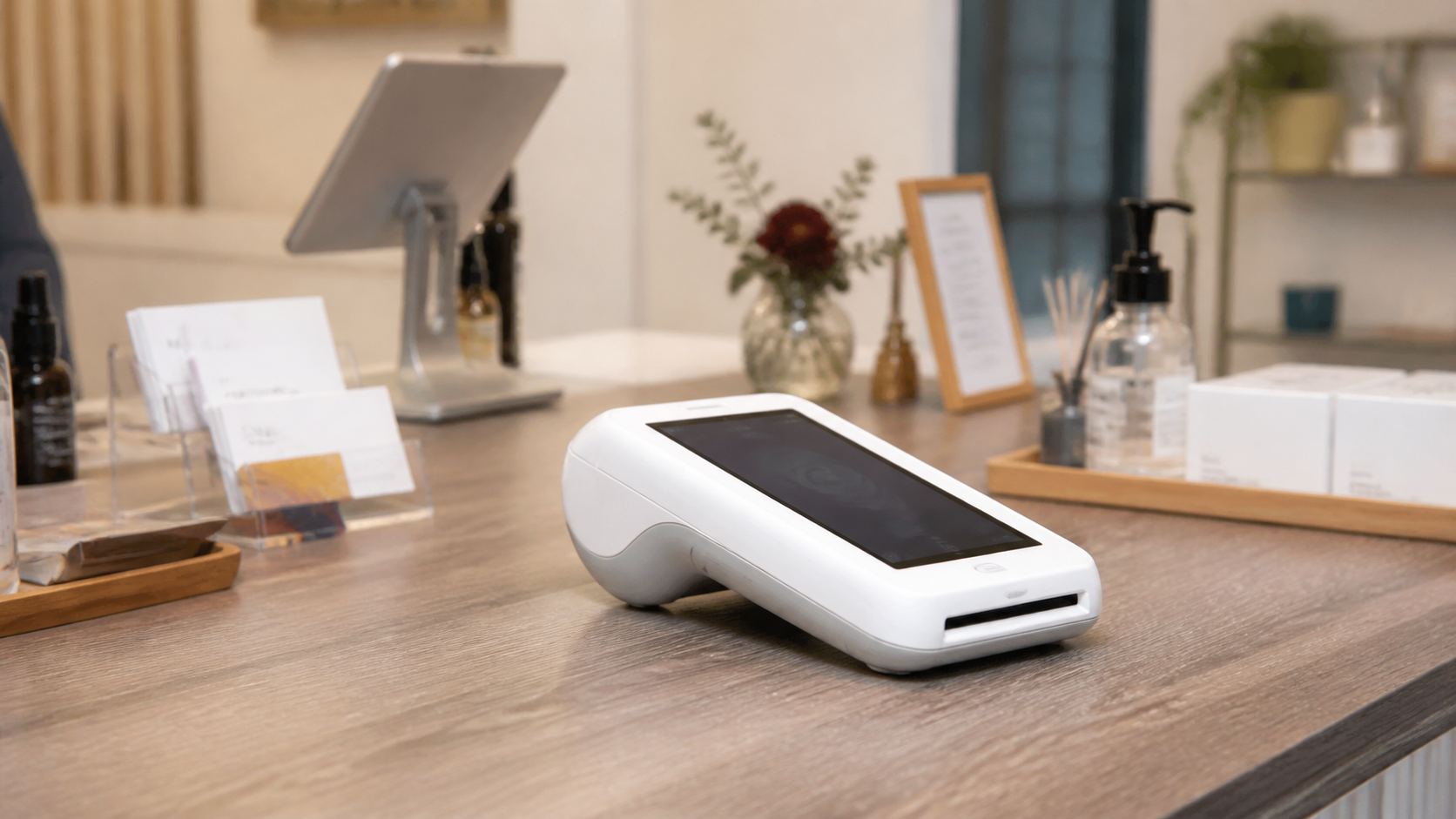
SumUp Plus performs best where portable; simple setup; good for small/mobile sellers; likely low operating complexity. The buyer benefit is clearest when this directly supports the main wireless pos systems job; the tradeoff is current pricing not verified; limited full-POS depth; availability/features may vary by country.
Pricing And Value
Exact current SumUp Plus hardware price and processing rates were not reverified. Buyers should verify device price, card-present rate, online/payment-link fees if relevant, monthly fees, and current availability in the US This makes value strongest for mobile sellers, pop-ups, market vendors, solo service providers, and small merchants that need simple wireless card acceptance, while buyers should compare total cost, add-ons, renewal or contract terms, and support expectations.
Setup And Onboarding
Setup includes account creation, reader purchase, mobile app pairing, payment test, receipts, taxes/tips if available, and payout/reconciliation setup The main setup risk is assuming purchase is the same as correct configuration; buyers should confirm data, integrations, permissions, and handoffs before launch.
Daily Use
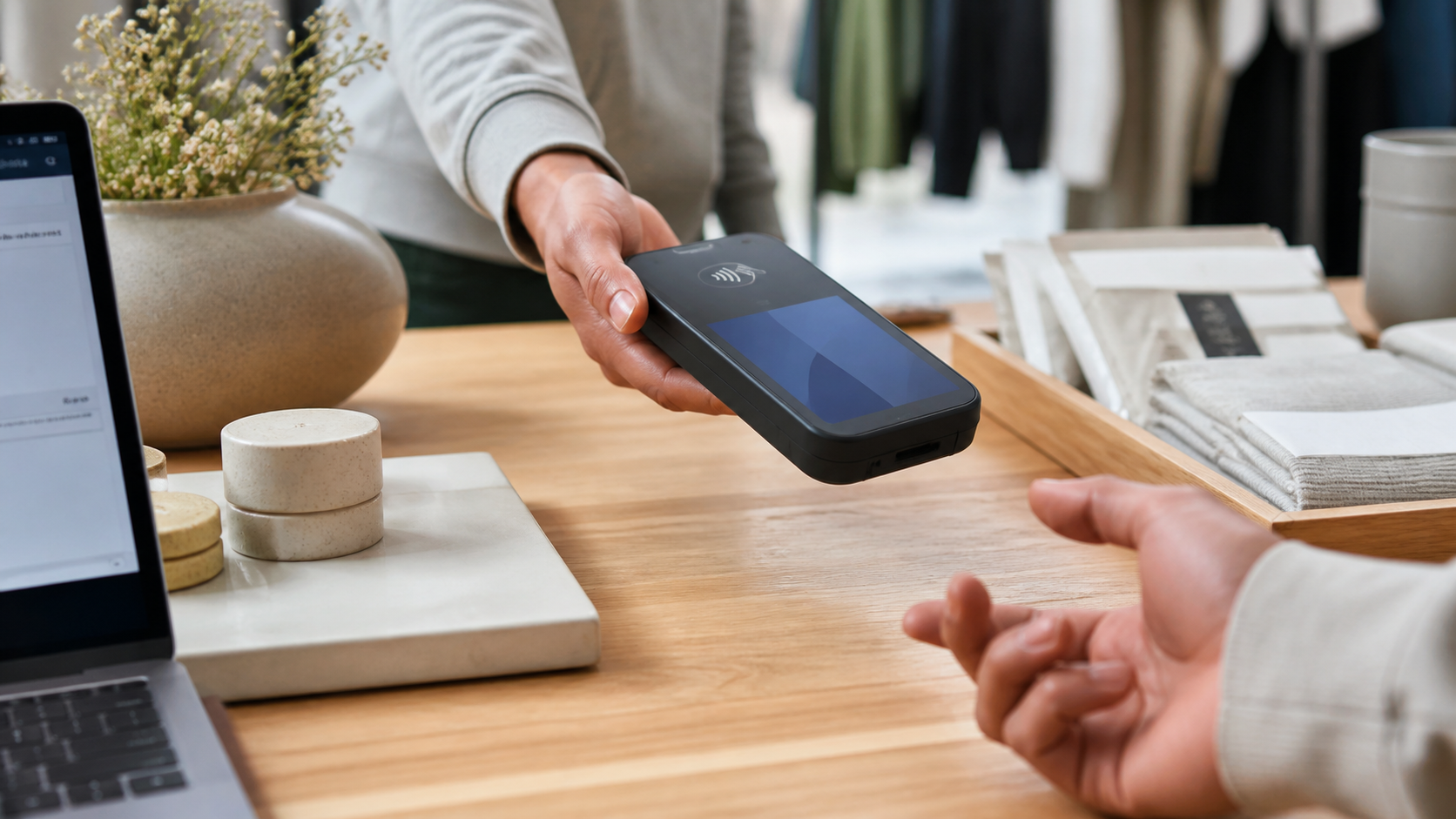
Daily use includes pairing the reader, entering sale amount or item, taking card/contactless payment, sending receipt, and reviewing transactions In practice, SumUp Plus is more useful when routine tasks stay inside the documented workflow without extra manual reconciliation.
Reporting And Controls
Reporting is likely payment-transaction focused rather than full POS analytics Payment security details need direct verification before final claims Buyers with stricter oversight, compliance, or integration needs should verify those details before committing.
Competitive Fit
Competes with Square Reader, PayPal Zettle, Stripe Reader M2, Clover Go, Helcim Smart Terminal, and Shopify POS hardware Choose an alternative when that competitor solves the main limitation more directly.