
Sun Protection Buying Guide: How to Choose the Right One
Sun protection is a system, not a contest for the highest number on a bottle. The first shortlist should cover broad-spectrum protection, workable application, exposure conditions, and a format the user will replenish instead of rationing.
Creams, lotions, sticks, sprays, and tinted formulas solve different handling problems. Their value depends on whether the chosen product can form an even film and be reapplied as its label directs.
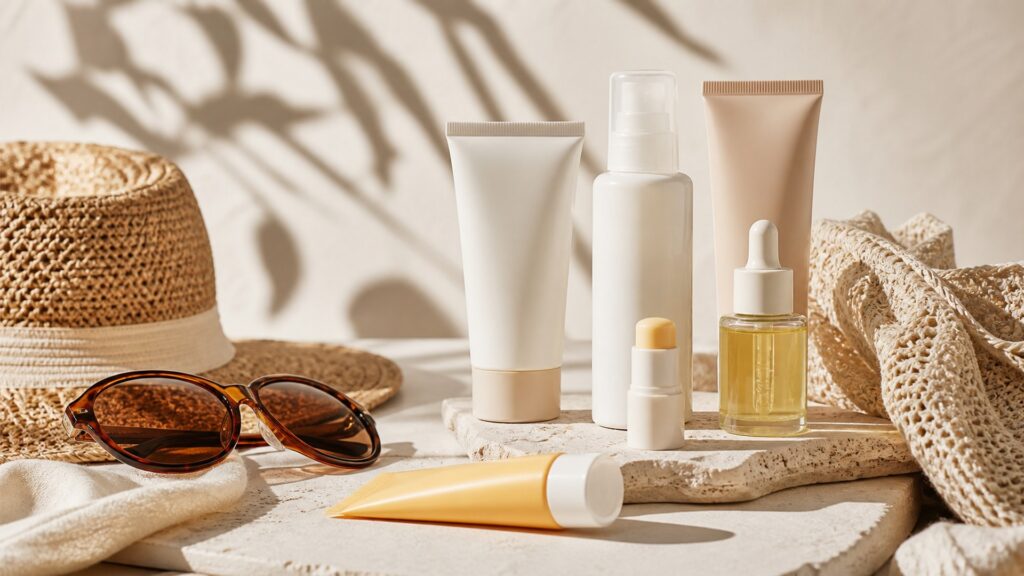
Buying framework
Define the sun protection routine before comparing products
Use the setting, frequency, and skin priorities to narrow sun protection logically.
Start with the use case: Map ordinary exposure, deliberate outdoor time, water, sweat, and reflective settings before selecting a format.
Rank the practical tradeoffs: Require appropriate broad-spectrum and SPF labeling, then read water-resistance and application directions as separate facts.
Check instructions early: Choose a package and finish that make full, repeated coverage realistic for the intended body areas.
Use profiles
Match sun protection to the person and pace
Three shopper profiles expose different priorities for sun protection.
Routine-focused buyer: A mostly indoor commuter needs dependable daily face and exposed-skin coverage without confusing incidental exposure with zero exposure.
Performance-focused buyer: An outdoor athlete should prioritize labeled water resistance, portable reapplication, and a formula that stays usable with sweat.
Occasional or flexible user: A family buyer needs clear directions and age-appropriate choices rather than assuming one product suits every person.
Specifications
Read the specifications through a sun protection lens
Translate technical language into visible routine benefits.
Handling lens
Estimate applications per container instead of comparing shelf price alone.
Ownership lens
Practice coverage on ears, hairline, neck, hands, and other routinely missed areas.
Broad-Spectrum Labeling: SPF addresses labeled protection against sunburn-causing radiation under test conditions.
Labeled Spf: Broad-spectrum labeling indicates protection across relevant ultraviolet wavelengths.
Water-Resistance Duration: Water-resistance duration states a tested condition, not waterproof performance.
Finish And Wearability: Vehicle and applicator determine how easily missed areas and adequate quantity can be managed.
Reapplication Practicality: Package capacity should be judged against real coverage and reapplication demand.
Common mistakes
Avoid shortcuts that undermine sun protection
A good purchase can still disappoint when selection or use is based on the wrong assumption.
Buying from one metric: Do not treat makeup SPF values as automatically additive.
Skipping compatibility checks: Avoid calling a sunscreen waterproof when the label gives a water-resistance interval.
Ignoring post-use care: Never let a pleasant format substitute for complete and timely application.
Decision guidance
Choose the simplest option that covers the real need
Use these decision rules to finish a shortlist for sun protection.
Choose the basic format when: Choose lotion or cream when visible, measured coverage is the priority.
Choose the flexible format when: Select a stick for targeted portability only if overlapping passes can create even coverage.
Pause before upgrading when: Use spray only with careful application that follows inhalation, wind, and rubbing directions.
Ownership & compatibility
Plan for clean, repeatable ownership
The best value remains convenient after the first few uses.
Consumables and replacements: Store the container away from excessive heat and inspect its expiration information.
Cleaning and storage: Replace caps promptly so sand, water, or debris does not enter.
Routine compatibility: Plan replenishment before travel or extended outdoor activity begins.
FAQ
Sun Protection Buying Guide: How to Choose the Right One FAQ
Practical answers about choosing and owning sun protection for sun protection.
What matters most when choosing sun protection for sun protection?
Is the most expensive option better for sun protection?
How should I compare two similar sun protection options?
Bottom line
Buy for repeatable sun protection results
A focused shortlist is easier to own and use well.
Prioritize fit: Build the system around exposure rather than packaging trends.
Verify the limits: Make even application and renewal part of the purchase decision.
Count ownership costs: Treat water resistance as a timed label claim, never permanent protection.
Reading Shortcuts
Jump to the key sun protection decisions.
Decision Reminders
Keep these checks beside your shortlist.
- Check broad-spectrum labeling: Follow the label and reapply at the stated intervals, especially after swimming or sweating.
- Check labeled SPF: Use enough product to cover exposed skin rather than relying on a thin cosmetic layer.
- Check water-resistance duration: Combine sunscreen with shade, clothing, and other sun-protective measures.
Glossary Snippets
Plain-language sun protection terms.
When to Use a Top 10 Review
Use a ranked list to identify a manageable set of strong candidates.
- You are still exploring: A ranked list can reveal the main formats and price tiers.
- You want a shortlist: Start broad, then confirm fit with this buying guide.
Have finalists? Use a Comparison.
When to Use a Comparison
Use a direct comparison when only a few candidates remain.
- Features are close: Side-by-side details clarify meaningful differences.
- Prices overlap: Compare ownership value, not only purchase price.
Still exploring? See the Top 10.