SUVs vs Sedans: Key Differences Explained

SUVs and sedans can cover many of the same daily trips, but they package space, efficiency, visibility, handling, and cost very differently. This comparison explains the tradeoffs that matter before you choose a body style.

By: Review Streets Research Lab
Updated: June 19, 2026
Approx. 10-12 min read
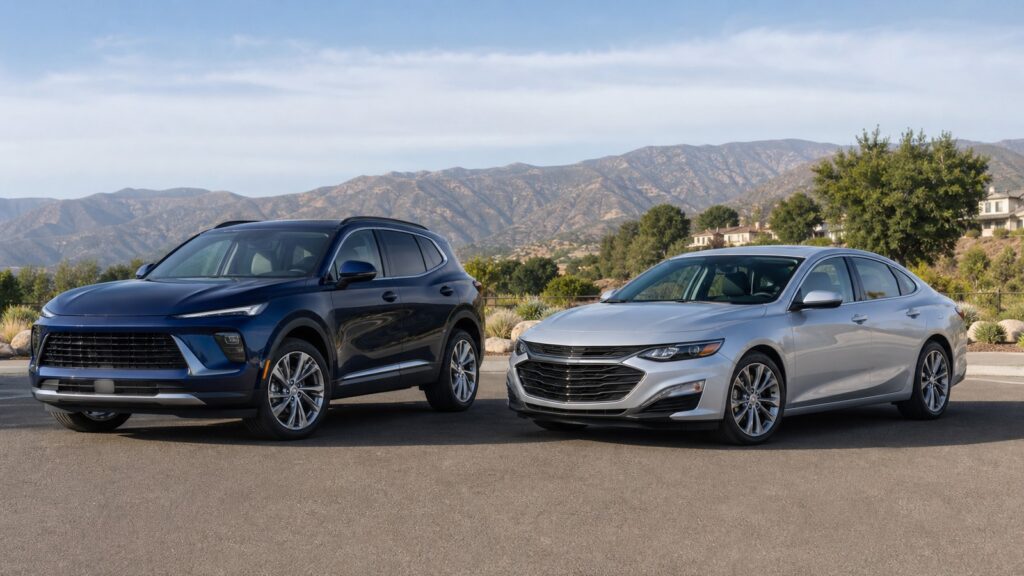
Blue SUV and silver sedan side by side for an SUVs vs sedans comparison

Head-to-head

SUVs vs Sedans

A practical look at how SUVs and sedans differ in passenger space, cargo access, fuel use, driving feel, weather confidence, safety considerations, and total ownership cost.

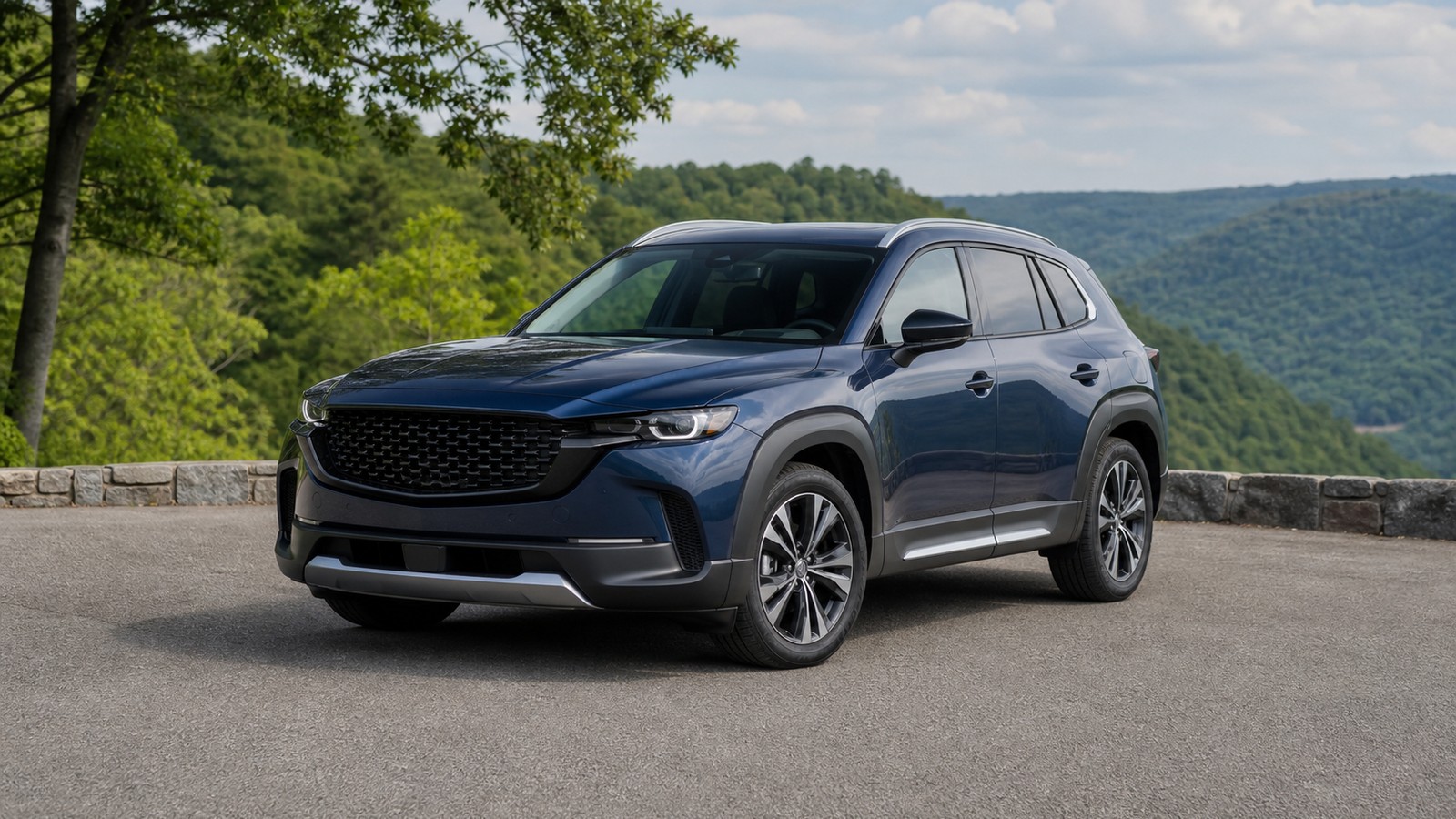
Modern blue midsize SUV representing the SUV vehicle category

SUVs

SUVs prioritize flexible space, easier cargo loading, a taller seating position, and broader capability for families and changing routines.

Score 8.8 Best for space + versatility Driving position higher + upright Why buy cargo + capability
  • More flexible cargo area and hatch access
  • Higher seating position and easier entry for many drivers
  • More ground clearance and wider all-wheel-drive availability
  • Better fit for bulky gear, pets, and changing family needs
VS
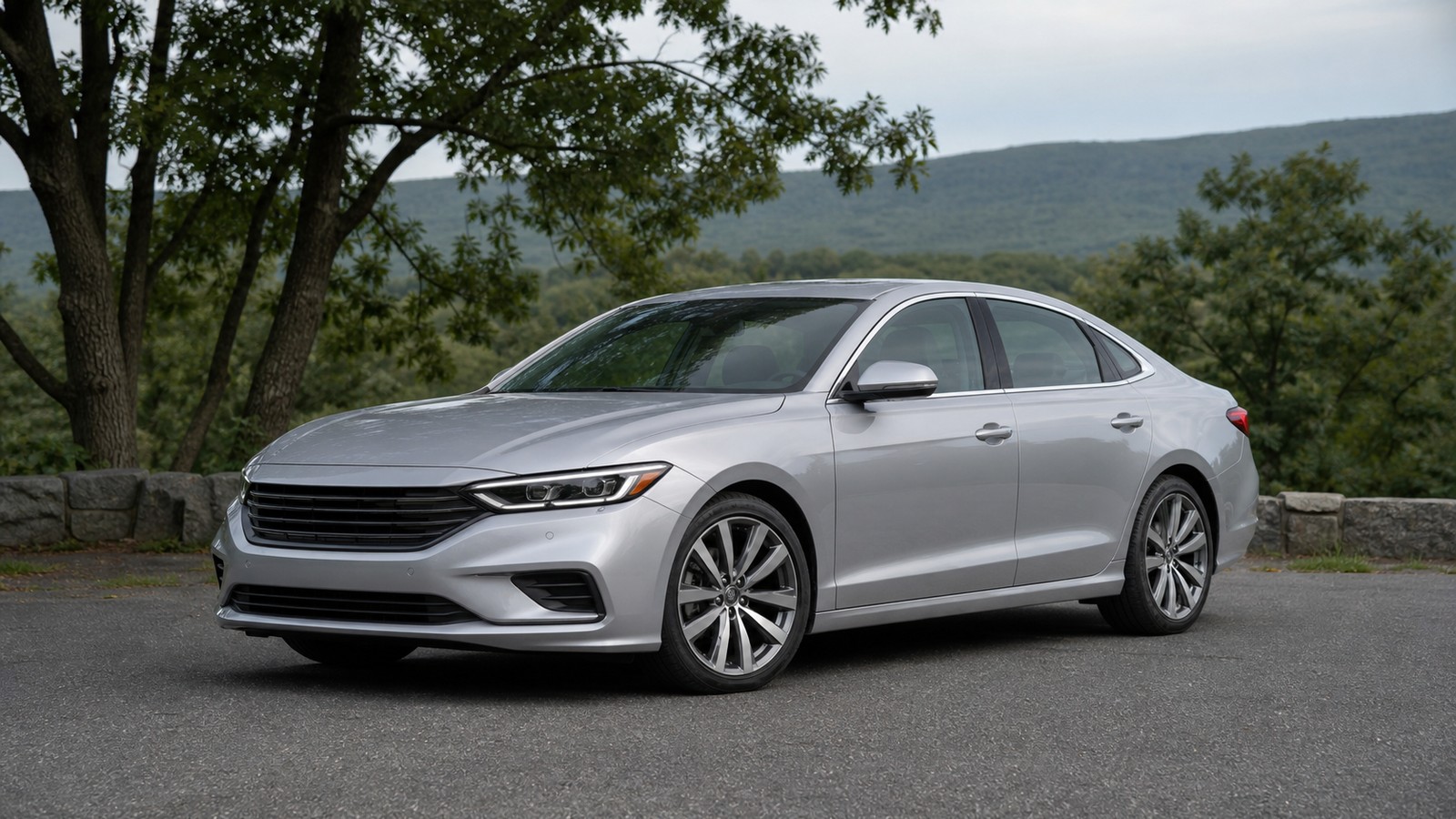
Modern silver four-door sedan representing the sedan vehicle category

Sedans

Sedans prioritize efficiency, stable road manners, easier maneuverability, and strong value for commuters who do not need maximum cargo flexibility.

Score 8.6 Best for commuting + efficiency Driving position lower + planted Why buy value + road manners
  • Usually lighter and more fuel-efficient
  • Lower center of gravity supports responsive handling
  • Often costs less to buy, insure, and equip
  • Trunk keeps valuables separated from the passenger cabin
Cargo flexibility
Wide hatch + folding cabin
Separate secure trunk
SUVs
Fuel economy
Usually uses more fuel
Usually more efficient
Sedans
Handling
Comfortable, more body lean
Lower and more planted
Sedans
Snow and rough roads
More clearance + AWD choice
Capable with proper tires
SUVs
Entry and visibility
Upright access + higher view
Lower step-in + lower sightline
SUVs
Typical ownership cost
Higher purchase and running costs
Often less expensive overall
Sedans
Real-world context
This category comparison reflects vehicle packaging, efficiency patterns, safety guidance, ownership costs, and common use cases. Exact results vary by model, size, drivetrain, tires, and powertrain.

SUVs — Why people choose them

  • More flexible cargo area and hatch access
  • Higher seating position and easier entry for many drivers
  • More ground clearance and wider all-wheel-drive availability

Sedans — Why people choose them

  • Usually lighter and more fuel-efficient
  • Lower center of gravity supports responsive handling
  • Often costs less to buy, insure, and equip
Verdict: Choose SUVs if flexible cargo space, upright access, family utility, and rough-weather capability matter most. Choose sedans if fuel economy, responsive handling, and lower day-to-day costs are the priority.
Read FAQs

Deep dive

What actually matters in this matchup

SUVs and sedans should be compared by real buyer priorities, not only by the loudest specification claim. That balance should guide the shortlist before individual models and trims are compared. Use those priorities to eliminate body styles that conflict with everyday needs.

Passenger and cargo space: SUVs usually provide more upright passenger room, a large rear opening, and folding seats that handle tall or bulky cargo. Sedans offer a separate, secure trunk but less vertical loading space. That flexibility matters most when passengers, pets, and bulky gear travel together.

Fuel economy: Sedans generally use less fuel because they are lower, lighter, and more aerodynamic. Hybrid and electric powertrains narrow the gap, but comparable sedans commonly retain an efficiency advantage. The savings become more noticeable for high-mileage commuters and frequent highway drivers.

Handling and ride: Sedans usually feel more planted through turns and during quick direction changes. SUVs can deliver a comfortable ride and better outward visibility, but their taller bodies may introduce more lean. Test both on familiar roads because seating height changes perceived speed and control.

Weather and road capability: SUVs more often combine all-wheel drive with useful ground clearance for snow, rutted roads, and unpaved access. Tires still matter greatly, and a front-wheel-drive sedan on proper winter tires can be highly capable. Drivers facing steep driveways or poorly maintained roads may value clearance more.

Safety considerations: SUV size and seating height can feel reassuring, while sedans' lower center of gravity reduces rollover tendency. Crash-test results and active-safety equipment should be checked model by model. Vehicle weight, braking distance, visibility, and tire grip also influence real outcomes.

Purchase and ownership cost: Sedans are often less expensive to buy and operate. SUVs may carry higher prices, larger tires, greater fuel use, and potentially higher insurance costs, but their added utility can replace the need for a larger vehicle. Get insurance estimates before buying because premiums can change the value equation.

Methodology

How we evaluated the matchup

The goal is to compare practical ownership fit, not crown a winner from one isolated claim.

Scope: We analyzed the body styles as broad categories rather than treating every SUV or sedan as identical. Vehicle size, powertrain, tires, drivetrain, and trim can materially change the outcome. Comparisons should therefore stay within similar price, size, and intended-use classes.

What we compared: We examined usable passenger and cargo space, entry and loading height, visibility, efficiency, maneuverability, ride and handling, weather capability, safety design, purchase price, and recurring costs. We also considered how those differences affect errands, commuting, and family routines.

How results are interpreted: We weighted practical fit more heavily than marketing labels. A compact crossover may behave more like a hatchback, while a large luxury sedan can cost and consume more than a small SUV. The best choice is the one that removes friction from normal ownership.

What buyers should verify: We did not claim hands-on testing of every vehicle. Compare current EPA estimates, IIHS and NHTSA results, insurance quotes, tire costs, and test-drive impressions for the exact models on your shortlist. This approach keeps broad body-style conclusions from overriding important model-specific differences.

FAQ

SUVs vs Sedans: common questions

Are SUVs safer than sedans?
Not automatically. Larger SUVs may offer a size advantage in some crashes, while sedans generally have a lower rollover tendency. Compare independent crash-test results, braking performance, visibility, and active-safety features for the exact models. No body style compensates for weak crash performance in a specific model.
Which is cheaper to own, an SUV or a sedan?
A comparable sedan is often cheaper because it may have a lower purchase price, better fuel economy, smaller tires, and lower insurance costs. Actual expenses depend on model, powertrain, location, and driving history. Maintenance history can outweigh category averages when comparing used vehicles of different ages.
Do SUVs always have more passenger room?
No. SUVs usually offer more upright packaging and cargo height, but a well-designed midsize sedan can provide excellent legroom. Compare measurements and sit in both rows instead of relying only on exterior size. Headroom, seat shape, and door openings can matter more than published volume.
Which body style is better for snow?
SUVs often have more ground clearance and available all-wheel drive, which helps in deep snow. Quality winter tires are crucial, and a sedan with the right tires can outperform an SUV wearing unsuitable all-season tires. Practice braking and turning in winter conditions before assuming drivetrain solves everything.
Are sedans more fuel-efficient?
Usually, yes. Their lower weight and smaller frontal area generally reduce fuel consumption at city and highway speeds. Powertrain choice can outweigh body style, especially when comparing hybrids and electric vehicles. Compare official ratings for equivalent engines, drivetrains, and equipment levels whenever possible.
Which is easier to park?
Sedans are often lower and narrower, but their separate trunk can make total length deceptive. Compact SUVs may be shorter overall and offer better outward visibility. Cameras, sensors, and turning radius matter model by model. Bring your usual passengers because visibility and comfort judgments vary considerably by driver.
Should families automatically choose an SUV?
Not necessarily. SUVs make strollers, pets, and bulky cargo easier to manage, but many sedans comfortably handle small families while costing less to run. Choose around the largest routine load, not an occasional edge case. Child seats and strollers should be physically tested before making the final decision.
What should I test during a test drive?
Check entry and exit, child-seat access, rear visibility, cargo loading height, seat comfort, road noise, braking feel, tight-turn maneuverability, and whether the vehicle remains comfortable on the roads you use most. Measure your routine cargo and passenger needs before choosing either body style.

Key Takeaways

  • SUVs are the stronger all-around choice when cargo flexibility, upright access, family use, and rough-weather versatility carry the most weight.
  • Sedans remain the smarter fit for many commuters because they typically combine better efficiency, predictable handling, and lower ownership costs.
  • Body style alone does not determine safety; compare crash tests, driver-assistance equipment, tires, braking, and visibility for each exact model.
  • A compact SUV can be easier to park than a long sedan, while a roomy sedan can out-seat a small crossover. Compare dimensions rather than labels.
  • Choose for your normal week. Renting or borrowing extra capacity occasionally can cost less than operating a larger vehicle every day.

Verdict

Which Body Style Is Better for Most Buyers?

The right answer depends on whether everyday versatility or efficiency and road manners matter more. For the broadest range of household needs, SUVs take the overall edge.

#1 Winner

SUVs

SUVs prioritize flexible space, easier cargo loading, a taller seating position, and broader capability for families and changing routines.

  • More flexible cargo area and hatch access
  • Higher seating position and easier entry for many drivers
  • More ground clearance and wider all-wheel-drive availability

Sedans: Best for Efficiency and Road Manners

Jump to the Head-to-Head

Tip: Buy for the trips and loads you handle every week, not the rare situation that might happen once a year.

Where to Buy

Compare local inventory, total out-the-door pricing, warranties, and independent inspections before choosing a vehicle.

Listings and prices change regularly. Retailer availability does not affect the editorial verdict.

Accessories You’ll Want

  • All-weather floor liners (protect the footwells from mud, snow, spills, and road salt; buy the exact fit for your vehicle)
  • Portable tire inflator and pressure gauge (helps maintain correct pressure for safer handling, even tire wear, and better efficiency)
  • Emergency roadside kit (adds warning lights, basic first-aid supplies, jumper cables, and essential tools for unexpected stops)
  • Cargo organizer or trunk bins (keeps groceries, emergency supplies, charging cables, and loose gear from sliding around)
  • Vehicle-specific sunshade and phone mount (improves everyday comfort and navigation without blocking visibility or controls)

Tip: choose accessories made for the exact year, make, model, and trim so they fit securely and do not interfere with airbags or controls.