
The Complete Guide to Buying Home Products
Home products span a wide range of tools, appliances, and everyday essentials that support cooking, cleaning, maintenance, organization, and comfort. While many of these items appear straightforward, selecting the right product often involves evaluating durability, materials, performance requirements, and compatibility with the space in which it will be used. Differences in design, construction, and intended function can significantly influence long-term reliability and practicality within a household environment.
This guide provides a structured framework for understanding how home products are categorized and what criteria matter most when evaluating them. It explains common terminology, functional tradeoffs, material considerations, and usage scenarios that shape purchasing decisions. By the end, readers will have a clearer understanding of how to assess product quality, match features to real household needs, and approach home product purchases with a more informed and systematic perspective.
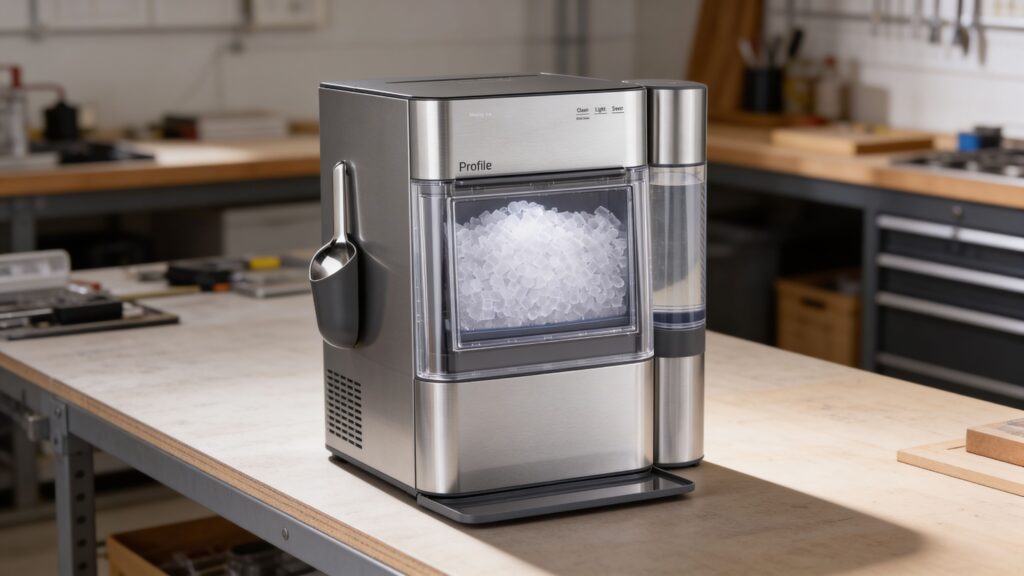
Buying framework
How to think about buying home products
Home products cover a wide range of tools, appliances, and everyday items used for maintenance, organization, cleaning, cooking, and comfort. While many options appear similar at first glance, meaningful differences often emerge in durability, usability, compatibility with your space, and how well the product supports long-term household routines. This framework helps clarify what factors matter most before evaluating specific options.
Start with the real use case: Consider where and how the product will actually be used in your home. Frequency of use, available space, and the type of tasks involved often determine which features matter most.
Design influences everyday usability: Size, layout, controls, and accessibility shape how naturally a product fits into daily routines. Small ergonomic differences often become more noticeable over time.
Materials and construction affect longevity: The type of materials, internal components, and assembly quality often determine how a product performs after months or years of normal household use.
Compatibility with your environment matters: Consider storage space, power requirements, ventilation, and how the product integrates with existing tools or systems already in your home.
Simplicity often supports consistency: Products that are easy to operate, maintain, and store tend to become part of everyday routines, while complex designs may be used less frequently despite similar capabilities.
Who this is for
Choose home products that match how your household actually functions
The right home products depend on how frequently they are used, the type of household tasks they support, and the environment in which they operate. Kitchens, storage areas, workshops, and living spaces place different demands on everyday tools and appliances. These profiles help clarify which priorities tend to matter most for different living patterns and household routines.
Everyday households: focus on products used regularly for cleaning, food preparation, organization, and general upkeep. Priorities typically include intuitive controls, manageable size, and reliable day-to-day performance. What matters most is how easily the product fits into routine household tasks without requiring extra setup or effort.
Frequent home projects: involve recurring activities such as organizing spaces, small repairs, seasonal setup, or hobby work areas. Durability, comfortable handling, and consistent performance across longer sessions tend to become more important. Products that remain easy to manage during extended use usually support these households better.
Space-conscious homes: apartments, smaller houses, and multi-use rooms require products that store easily and adapt to limited layouts. Compact footprints, simple storage solutions, and multipurpose functionality often become the key priorities. What matters most is efficiency without adding clutter or complexity to the space.
High-activity households: homes with frequent cooking, cleaning, organizing, and daily movement place heavier demands on everyday equipment. Durability, easy maintenance, and dependable performance over repeated use tend to stand out. Products that remain consistent under regular activity often prove most practical in these environments.
Long-term home setups: households planning stable living arrangements often focus on products expected to serve for many years. Build quality, materials, and compatibility with existing systems or spaces become more relevant over time. What matters most is selecting items that integrate naturally into the home and continue supporting routine tasks well into the future.
What to pay attention to
Which home product specifications actually matter
Product listings often highlight many specifications, but only a few meaningfully shape how a product performs in everyday household use. Some details influence how comfortable and intuitive the product feels during routine tasks, while others determine whether it can handle the workload and environment where it will be used.
Specs that affect feel
Ergonomics, layout, and handling characteristics influence how naturally a product fits into daily routines.
Specs that affect capability
Capacity, compatibility, and sustained operation determine whether a product can support the intended workload.
Ergonomics and layout: Handle shape, control placement, and overall balance influence how comfortable a product feels during repeated tasks. Designs that support natural hand positions and easy visibility often reduce fatigue during everyday use.
Physical size and storage footprint: Dimensions matter both during use and when storing the product. Larger designs may offer additional capacity but can be harder to store or maneuver in smaller spaces.
Material construction: The type of materials used in housing, moving components, and contact surfaces often determines how the product holds up to routine wear and cleaning over time.
Capacity and sustained operation: Many products perform well for short tasks but behave differently during extended use. Capacity limits, ventilation, or duty cycles can affect how comfortably the product supports longer sessions.
Compatibility with your home setup: Power requirements, installation space, and integration with other household tools or systems influence how easily a product fits into an existing environment.
Often overstated specifications: Marketing often emphasizes headline numbers or isolated performance claims. These figures rarely reflect how a product feels during daily tasks or how consistently it performs over time.
Avoid these traps
Common mistakes people make when buying home products
Many disappointing purchases happen not because a product fails outright, but because expectations don’t match how the item will actually be used in a home. Everyday tasks, storage space, and usage frequency all shape how well a product fits into daily routines. Recognizing these common missteps helps set clearer expectations before making a decision.
Focusing on headline specifications: Many buyers gravitate toward the most prominent numbers on a product page, assuming they directly translate into better performance. In practice, everyday usability, layout, and ergonomics often shape satisfaction more than a single standout specification.
Choosing for occasional tasks instead of routine use: It’s easy to prioritize features meant for rare scenarios while overlooking how the product will be used most days. Over time, designs that support common tasks comfortably tend to feel far more practical.
Overlooking physical size and storage needs: A product may function well in isolation but still become inconvenient if it occupies too much space or is difficult to store. Considering how it fits within existing cabinets, shelves, or work areas prevents everyday friction.
Assuming similar products behave the same: Items that appear nearly identical can vary meaningfully in layout, materials, and internal design. Small differences in construction or ergonomics often become noticeable only after repeated use.
Ignoring maintenance and long-term care: Some products require regular cleaning, occasional adjustments, or simple upkeep to perform consistently. Understanding these routines ahead of time can prevent frustration later.
Letting marketing claims shape expectations: Promotional descriptions often emphasize isolated features or dramatic performance claims. Evaluating how a product fits real household routines usually provides a clearer picture than headline messaging alone.
Decision guidance
Which type of home product setup fits your household
The right home products depend less on feature lists and more on how often they are used and where they operate within your living space. Matching product capability to daily routines usually leads to better long-term satisfaction than choosing based on occasional or extreme scenarios.
Choose compact, simple designs if: your household tasks are routine and happen in tighter spaces such as kitchens, closets, apartments, or shared rooms. Smaller products are easier to maneuver, store, and integrate into everyday workflows. If most tasks are short and frequent, comfort and accessibility typically matter more than maximum capacity.
Choose larger-capacity designs if: the product will support extended tasks or serve multiple people in the household. Higher capacity can reduce interruptions and better handle longer sessions, but it often comes with added size and weight. The tradeoff is usually between storage convenience and sustained workload capability.
If your home has limited storage: prioritize products that balance capability with compact dimensions. Multi-use items or designs that store easily tend to integrate better into smaller homes, apartments, or shared living areas where space constraints shape everyday decisions.
If the product will see frequent daily use: focus on ergonomics, intuitive controls, and consistent operation during repeated tasks. Products that feel comfortable and predictable over time tend to support daily routines better than those optimized only for occasional heavy use.
When this category may not be the right solution: some household tasks are better handled by specialized tools or simpler alternatives designed for a specific job. If the product would only be used for one narrow task, a dedicated tool or accessory designed for that activity may fit the workload more naturally.
Ownership & compatibility
What you’re really buying into long term
Home products are rarely isolated purchases. Long-term satisfaction usually depends on how easily the item integrates into your household workflow, how maintainable it is over time, and whether replacement parts or compatible accessories remain available as needs evolve.
Consumables and replacement parts: Many home products rely on filters, seals, blades, containers, or other wear items that need occasional replacement. Products with easily available parts and straightforward replacement procedures tend to remain usable much longer.
Compatibility with existing tools and systems: Some household products integrate with accessories, attachments, or shared components already in your home. Choosing items that work with what you already use can reduce friction and simplify everyday tasks.
Maintenance and serviceability: Regular cleaning, occasional adjustments, or part replacements are part of long-term ownership for many products. Designs that allow easy access to components usually make routine maintenance far less frustrating.
Workflow and storage considerations: Charging routines, storage location, and how quickly a product can be set up all influence whether it becomes part of daily habits. Items that store neatly and are ready to use quickly often see more consistent use.
Long-term replacement cycles: Over months and years, parts that wear out or components that degrade may need replacement. Understanding which pieces are designed to be replaced—and how often—helps set realistic expectations for long-term ownership.
FAQ
Home products buying guide FAQ
Quick answers to the questions people most often ask when choosing everyday home products, focused on practical use and long-term ownership rather than spec-sheet claims.
How do I know which home products are worth prioritizing first?
What matters more: features or everyday usability?
How important are product specifications?
Should I choose larger or more compact designs?
Is it better to buy multipurpose products or specialized tools?
How much maintenance should I expect?
Do accessories and attachments really matter?
What everyday factors make a product feel easier to use?
How long should most home products last?
Bottom line
The simplest way to choose the right home products
Most home products can handle basic household tasks. The right choice is usually the one that fits your daily routines, your available space, and the way the product will actually be used over time.
If your tasks are quick and frequent: choose products that are comfortable to handle, easy to store, and simple to set up. Designs that feel intuitive during everyday use tend to stay in regular rotation.
If you expect longer sessions or heavier workloads: prioritize durability, capacity, and consistent performance during extended use. Larger or more capable designs can reduce interruptions when tasks run longer.
If space and maneuverability matter: compact products often integrate better into smaller homes, apartments, and multi-use rooms. The tradeoff is usually between storage convenience and maximum capacity.
If long-term ownership matters: consider how easily the product fits into your workflow, how simple it is to maintain, and whether replacement parts or accessories remain accessible over time.
Final check: think about the task you’ll perform most often, the space where it will happen, and how frequently you’ll use the product. If it feels comfortable and practical in that everyday scenario, it will usually remain the right choice long after the initial purchase.
Reading Shortcuts
Jump to the sections that matter most when choosing the right home products.
Decision Reminders
A quick checklist before you commit to a home product.
- Prioritize everyday tasks: choose products that handle the work you do most often, not the occasional heavy job.
- Comfort shapes long-term satisfaction: ergonomics, size, and intuitive controls influence how naturally a product fits into daily routines.
- Consider where it will live: storage space, countertop area, and accessibility often matter as much as the product’s core capability.
- Plan for maintenance and replacements: filters, accessories, and wear components can influence long-term ownership and convenience.
- Think about workflow friction: setup time, cleaning effort, and storage steps determine whether a product gets used regularly.
- Look past headline specifications: real satisfaction usually comes from balanced design and usability rather than the biggest advertised numbers.
Glossary Snippets
Quick translations for the terms that confuse buyers most.
When to Use a Top 10 Review
If you want a structured shortlist, this format helps you scan the strongest options quickly.
- You’re exploring the category for the first time: A Top 10 overview helps you see the range of designs, capabilities, and use cases in one place.
- You want a quick shortlist: The format highlights standout options across different needs so you can narrow the field before researching further.
- You’re comparing “best for” scenarios: Rankings such as Best Overall, Best for Small Spaces, or Best for Heavy Use help clarify which type fits specific situations.
- You want context before deep comparisons: A Top 10 list provides the landscape of choices so later head-to-head comparisons are easier to interpret.
Already narrowed it to a few options? A Comparison usually makes the final decision faster than reading multiple full reviews.
When to Use a Comparison
Best when you’ve narrowed the field and want the clearest tradeoffs between specific options.
- You’re down to 2–3 finalists: side-by-side tradeoffs are easier to evaluate than reading multiple full pages.
- You want a clearer decision lens: Comparisons help separate differences in feel, capability, and long-term ownership.
- You want a winner by category: the format helps clarify which option leads in specific areas without losing the broader context.
- You need the fastest final call: a Comparison works best once discovery is done and the shortlist already exists.
Still exploring? Start with a Top 10 to identify the right product type before moving into a head-to-head comparison.