Toast POS Review for Full Service Restaurant POS

This Toast POS Review for Full Service Restaurant POS looks at Toast POS through practical full service restaurant pos decisions: what it does well, where it falls short, how setup and value compare, and which tradeoffs matter most for buyers weighing it against nearby alternatives.

By: Review Streets Research Lab
Updated: October 7, 2026
Approx. 8-10 min read
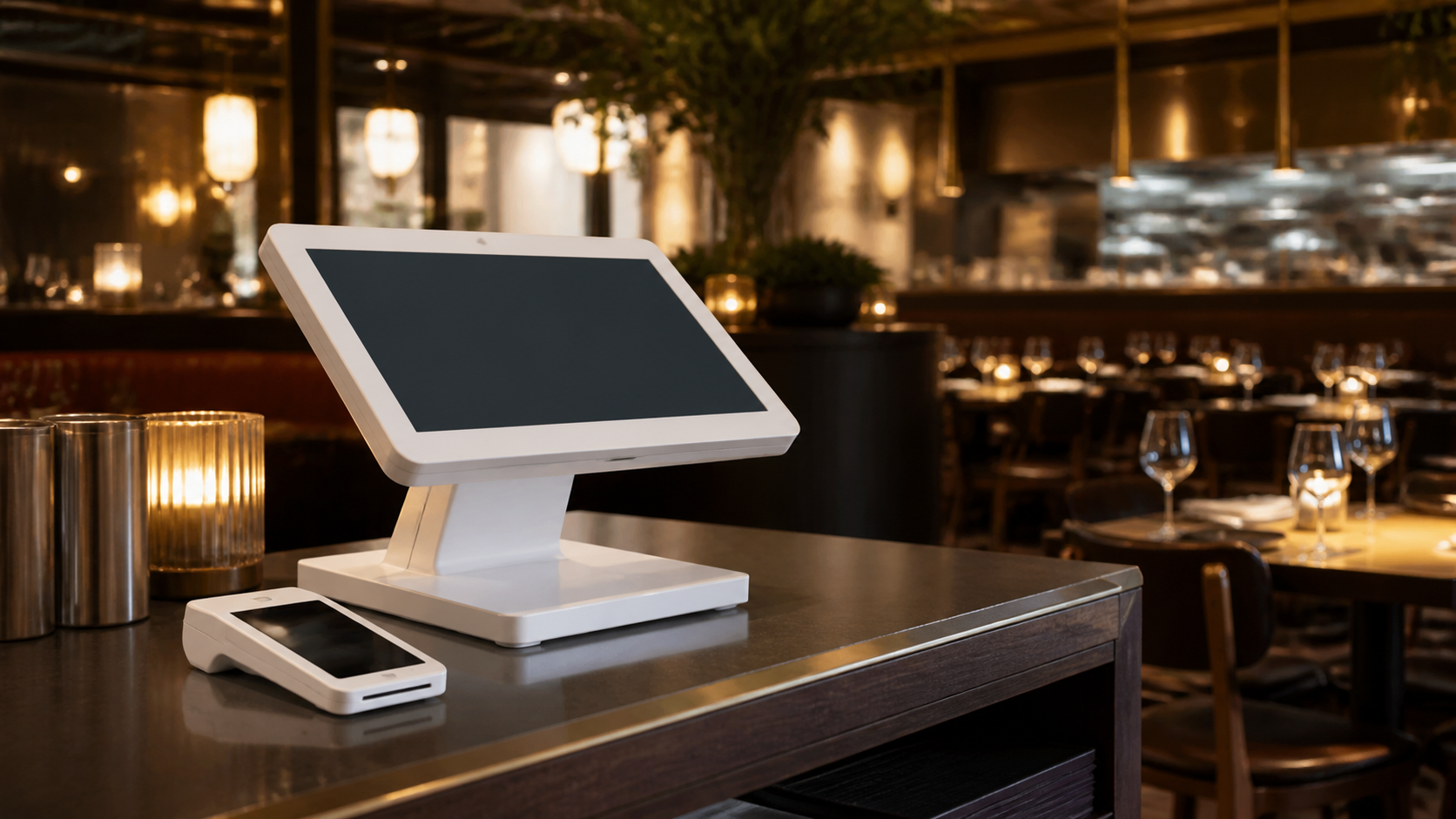
Ultra photorealistic POS hero image for Toast POS Review for Full Service Restaurant POS

Quick Summary

Toast POS is a practical full service restaurant pos option with a clear buyer fit. It stands out for restaurant-native platform current public pricing hardware support ecosystem strong, but buyers should weigh add-ons and hardware raise total cost payment ecosystem lock-in. Shortlist it when real-world use, setup effort, budget, and support expectations line up.

8.6
Score
Best for: Focused POS fit

Pros & Cons

Toast POS strengths and limitations

These points focus on product-specific buying tradeoffs, not review-method language.

Pros

  • Restaurant-native platform; current public pricing; hardware/support ecosystem; strong add-on breadth

Cons

  • Add-ons and hardware raise total cost; payment ecosystem lock-in; may be heavy for simple restaurants

Review Snapshot

Toast POS key details

These details affect price, setup, daily use, support expectations, and shortlist fit.

DetailToast POS
ProductToast POS
CompanyToast
CategoryFull Service Restaurant POS
Product typeFull Service Restaurant POS
Primary useFull-service restaurants that want a restaurant-native platform with hardware, payments, support, and optional back-office tools under one vendor
PricingToast official pricing page, last updated August 20, 2026, lists Starter Kit starting at $0/month, Point of Sale starting at $69/month, Build Your Own custom pricing, and POS plus Payroll starting at $69/month plus $9 per employee per month. Pricing applies to new customers and single locations only, and additional devices have additional charges
Plans / modelsKey options include Starter Kit, Point of Sale, Build Your Own, and POS plus Payroll bundle. Add-ons may include payroll, scheduling, inventory, benefits, loyalty, gift cards, marketing, and other restaurant tools depending on plan
Key strengthRestaurant-native platform; current public pricing; hardware/support ecosystem; strong add-on breadth
Main limitationAdd-ons and hardware raise total cost; payment ecosystem lock-in; may be heavy for simple restaurants
SupportOfficial pricing page lists 24/7/365 customer care and installation/network configuration as part of the platform context
Review score8.6 / 10

Performance

How Toast POS performs in real use

This is a research-based review using product documentation, pricing notes, support information, and competitive context; no hands-on benchmark testing was supplied.

Core Results

Toast POS performs best where restaurant-native platform; current public pricing; hardware/support ecosystem; strong add-on breadth. The buyer benefit is clearest when this directly supports the main full service restaurant pos job; the tradeoff is add-ons and hardware raise total cost; payment ecosystem lock-in; may be heavy for simple restaurants.

Pricing And Value

Toast official pricing page, last updated August 20, 2026, lists Starter Kit starting at $0/month, Point of Sale starting at $69/month, Build Your Own custom pricing, and POS plus Payroll starting at $69/month plus $9 per employee per month. Pricing applies to new customers and single locations only, and additional devices have additional charges This makes value strongest for full-service restaurants that want a restaurant-native platform with hardware, payments, support, and optional back-office tools under one vendor, while buyers should compare total cost, add-ons, renewal or contract terms, and support expectations.

Setup And Onboarding

Toast pricing page references installation and network configuration. Setup should include hardware, menu, table layout, payments, staff, KDS, handhelds, payroll/scheduling if used, and reporting The main setup risk is assuming purchase is the same as correct configuration; buyers should confirm data, integrations, permissions, and handoffs before launch.

Daily Use

Daily workflow includes table/order management, server ordering, kitchen routing, payment closeout, guest CRM, staff workflows, manager reporting, and payroll/scheduling if bundled In practice, Toast POS is more useful when routine tasks stay inside the documented workflow without extra manual reconciliation.

Reporting And Controls

Toast includes Insights and Feedback and broader reporting/management features. Review should focus on how managers use analytics for service, menu, guests, and labor Not independently verified beyond payment-platform context. Avoid unsupported security claims Buyers with stricter oversight, compliance, or integration needs should verify those details before committing.

Competitive Fit

Toast competes with Square for Restaurants, TouchBistro, SpotOn, Clover, CAKE, Revel, and Lightspeed Restaurant. Choose an alternative when that competitor solves the main limitation more directly.

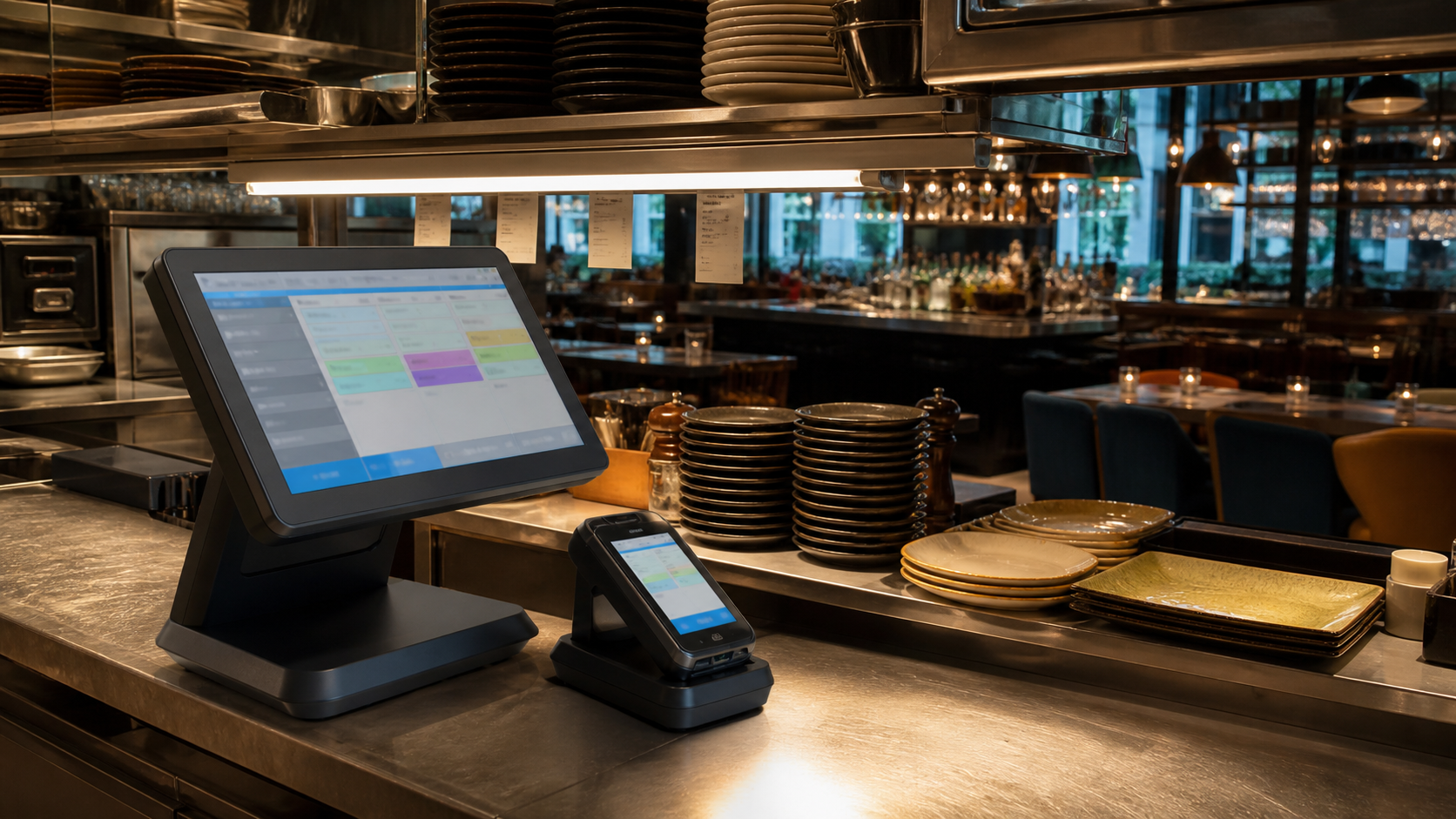
Score note: Score high for restaurant fit, support, and platform breadth. Score carefully on pricing because total cost depends on devices, add-ons, and payment terms

Product Experience

What daily ownership looks like

Daily workflow includes table/order management, server ordering, kitchen routing, payment closeout, guest CRM, staff workflows, manager reporting, and payroll/scheduling if bundled

Buyer implication: Toast ecosystem includes POS, payments, payroll, scheduling, inventory, benefits, loyalty, gift cards, marketing, Guest CRM, Insights and Feedback, installation, and support

Setup & Onboarding

What to confirm before launching Toast POS

The setup question is whether the buyer can configure the product correctly, not just whether sign-up is simple.

  • Toast pricing page references installation and network configuration. Setup should include hardware, menu, table layout, payments, staff, KDS, handhelds, payroll/scheduling if used, and reporting
  • Key options include Starter Kit, Point of Sale, Build Your Own, and POS plus Payroll bundle. Add-ons may include payroll, scheduling, inventory, benefits, loyalty, gift cards, marketing, and other restaurant tools depending on plan
  • Toast ecosystem includes POS, payments, payroll, scheduling, inventory, benefits, loyalty, gift cards, marketing, Guest CRM, Insights and Feedback, installation, and support
  • Official pricing page lists 24/7/365 customer care and installation/network configuration as part of the platform context

Real-World Use

Where Toast POS fits best

Strong Fit

Toast POS makes sense for Full-service restaurants that want a restaurant-native platform with hardware, payments, support, and optional back-office tools under one vendor because restaurant-native platform; current public pricing; hardware/support ecosystem; strong add-on breadth.

Poor Fit

Choose another option if restaurants that want payment processor independence, very lightweight setup, or a minimal public-cost package with few add-ons. The main risk is add-ons and hardware raise total cost; payment ecosystem lock-in; may be heavy for simple restaurants.

Value

Is Toast POS worth it?

Strong value for: Toast’s value is strongest when a full-service restaurant uses the broader platform.

Weak value for: Restaurants that want payment processor independence, very lightweight setup, or a minimal public-cost package with few add-ons

Value judgment

Toast’s value is strongest when a full-service restaurant uses the broader platform. It can be expensive or restrictive for restaurants that only need basic POS and payments

Price context: Toast official pricing page, last updated August 20, 2026, lists Starter Kit starting at $0/month, Point of Sale starting at $69/month, Build Your Own custom pricing, and POS plus Payroll starting at $69/month plus $9 per employee per month. Pricing applies to new customers and single locations only, and additional devices have additional charges

FAQ

Toast POS FAQ

Short answers to practical buyer questions about fit, cost, setup, limitations, and alternatives.

Who is Toast POS best for?

Toast POS is a strong full-service restaurant platform for operators that want one connected system, but buyers should model devices, processing, payroll, and add-ons before judging affordability

What is the biggest reason to choose Toast POS?

Restaurant-native platform; current public pricing; hardware/support ecosystem; strong add-on breadth

What is the biggest drawback of Toast POS?

Add-ons and hardware raise total cost; payment ecosystem lock-in; may be heavy for simple restaurants

How should buyers think about Toast POS pricing?

Toast official pricing page, last updated August 20, 2026, lists Starter Kit starting at $0/month, Point of Sale starting at $69/month, Build Your Own custom pricing, and POS plus Payroll starting at $69/month plus $9 per employee per month. Pricing applies to new customers and single locations only, and additional devices have additional charges

What should be checked before setup?

Toast pricing page references installation and network configuration. Setup should include hardware, menu, table layout, payments, staff, KDS, handhelds, payroll/scheduling if used, and reporting

How does Toast POS fit daily use?

Daily workflow includes table/order management, server ordering, kitchen routing, payment closeout, guest CRM, staff workflows, manager reporting, and payroll/scheduling if bundled

Who should avoid Toast POS?

Restaurants that want payment processor independence, very lightweight setup, or a minimal public-cost package with few add-ons

Does Toast POS deserve its Review Streets score?

Score high for restaurant fit, support, and platform breadth. Score carefully on pricing because total cost depends on devices, add-ons, and payment terms

Alternatives

Best alternatives to Toast POS

Choose an alternative when it solves Toast POS's main limitation more directly, offers clearer value, or better matches the buyer's operating model.

Ultra photorealistic POS alternative image for Clover POS Review for Full Service Restaurant POS

Clover POS

Compact Table Payment Control

Choose Clover POS instead if its pricing, support, feature depth, or workflow fit better addresses the tradeoff that makes Toast POS less ideal.

Compare

Ultra photorealistic POS alternative image for TouchBistro Review for Full Service Restaurant POS

TouchBistro

Dining-Room Check Flow

Choose TouchBistro instead if its pricing, support, feature depth, or workflow fit better addresses the tradeoff that makes Toast POS less ideal.

Compare

Ultra photorealistic POS alternative image for Lightspeed Restaurant Review for Full Service Restaurant POS

Lightspeed Restaurant

Menu And Section Oversight

Choose Lightspeed Restaurant instead if its pricing, support, feature depth, or workflow fit better addresses the tradeoff that makes Toast POS less ideal.

Compare

Sources

Toast POS sources and reference notes

The review uses product documentation, pricing context where available, support resources, and competitive research.

  • Sources checked: August 24, 2026
  • Toast Pricing: 2026 pricing update, Starter Kit, Point of Sale, Build Your Own, payroll bundle, support/installation/add-on context
  • Toast POS: restaurant POS platform context

Where to Buy

Toast POS

Pricing note: Toast official pricing page, last updated August 20, 2026, lists Starter Kit starting at $0/month, Point of Sale starting at $69/month, Build Your Own custom pricing, and POS plus Payroll starting at $69/month plus $9 per employee per month. Pricing applies to new customers and single locations only, and additional devices have additional charges

Best fit: Full-service restaurants that want a restaurant-native platform with hardware, payments, support, and optional back-office tools under one vendor

Check Current Price

Review Snapshot

Toast POS Snapshot

8.6Full Service Restaurant POS

Best for: Full-service restaurants that want a restaurant-native platform with hardware, payments, support, and optional back-office tools under one vendor

  • Restaurant-native platform; current public pricing; hardware/support ecosystem; strong add-on breadth
  • Add-ons and hardware raise total cost; payment ecosystem lock-in; may be heavy for simple restaurants
  • Toast official pricing page, last updated August 20, 2026, lists Starter Kit starting at $0/month, Point of Sale starting at $69/month, Build Your Own custom pricing, and POS plus Payroll starting at $69/month plus $9 per employee per month. Pricing applies to new customers and single locations only, and additional devices have additional charges

Top 10 List

See the best Full Service Restaurant POS right now

Compare the strongest options in this POS category before deciding whether Toast POS is the right fit.

View the Top 10

Compare Models

Compare this POS head-to-head

See how Toast POS stacks up against nearby systems for restaurant-native handheld ordering and kitchen handoff, pricing, hardware, and daily workflow.

View Comparisons

Setup Checks You'll Want

  • Key options include Starter Kit, Point of Sale, Build Your Own, and POS plus Payroll bundle. Add-ons may include payroll, scheduling, inventory, benefits, loyalty, gift cards, marketing, and other restaurant tools depending on plan
  • Toast pricing page references installation and network configuration. Setup should include hardware, menu, table layout, payments, staff, KDS, handhelds, payroll/scheduling if used, and reporting
  • Toast ecosystem includes POS, payments, payroll, scheduling, inventory, benefits, loyalty, gift cards, marketing, Guest CRM, Insights and Feedback, installation, and support
  • Official pricing page lists 24/7/365 customer care and installation/network configuration as part of the platform context

Tip: Confirm the plan, setup data, integrations, and support path before rollout.