This is a research-based review using product documentation, pricing notes, support information, and competitive context; no hands-on benchmark testing was supplied.
Core Results
Toggl Track is strongest when easy timers; clean reporting; good for agencies/remote teams; less invasive than monitoring tools. That matters most for buyers whose main remote employee time tracking software requirement depends on that capability, while pricing needs direct confirmation; depends on user discipline; not a surveillance tool remains the main caution
Pricing And Value
pricing needs direct confirmation Buyers should verify free plan, Starter/Premium/Enterprise-style tiers, per-user pricing, reports, billable rates, approvals, project estimates, and admin controls Value is strongest for remote teams, agencies, consultants, freelancers, and organizations that want simple time tracking with reports; buyers should compare plan scope, add-ons, contract terms, support level, and renewal exposure before treating the headline price as total cost
Setup And Onboarding
Setup includes workspace, users, projects, clients, tags, billable rates, reminders, reports, integrations, and permissions Buyers should confirm required data, integrations, permissions, training, and launch support before rollout
Daily Use
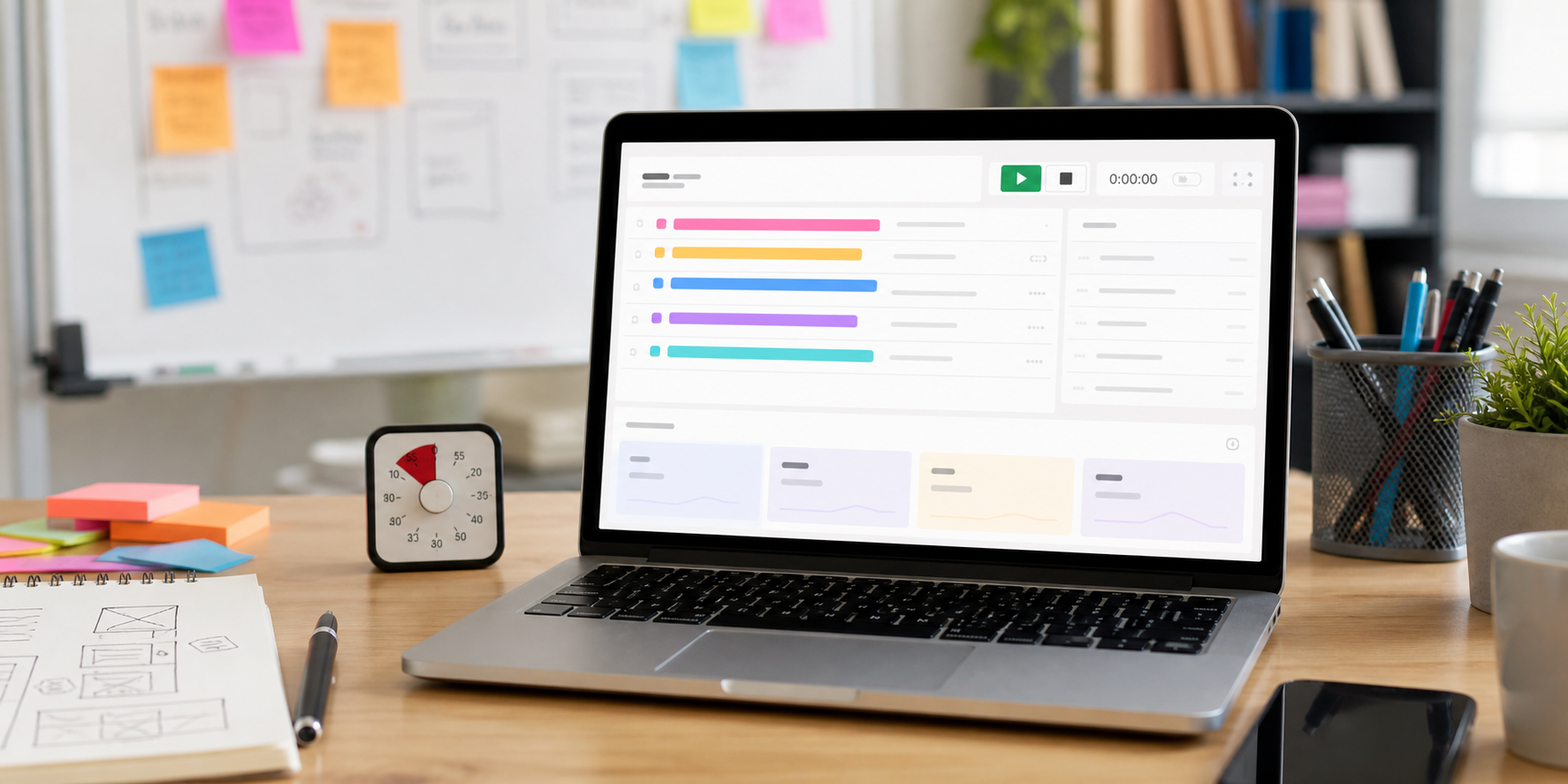
Users start/stop timers or enter time; managers review project, client, billable, and team reports The product is more convincing when routine tasks can stay inside the normal process without repeated manual reconciliation
Reporting And Controls
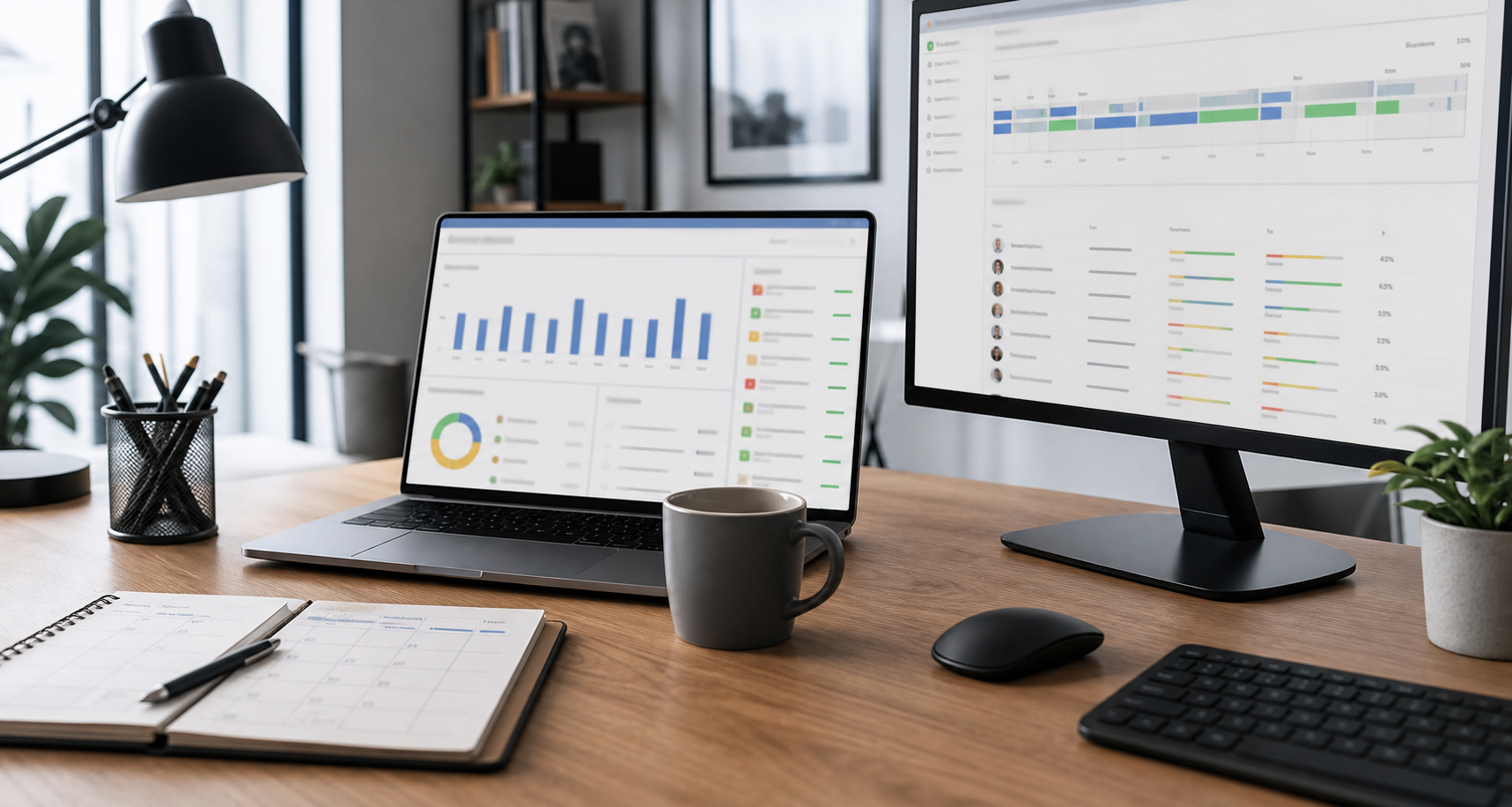
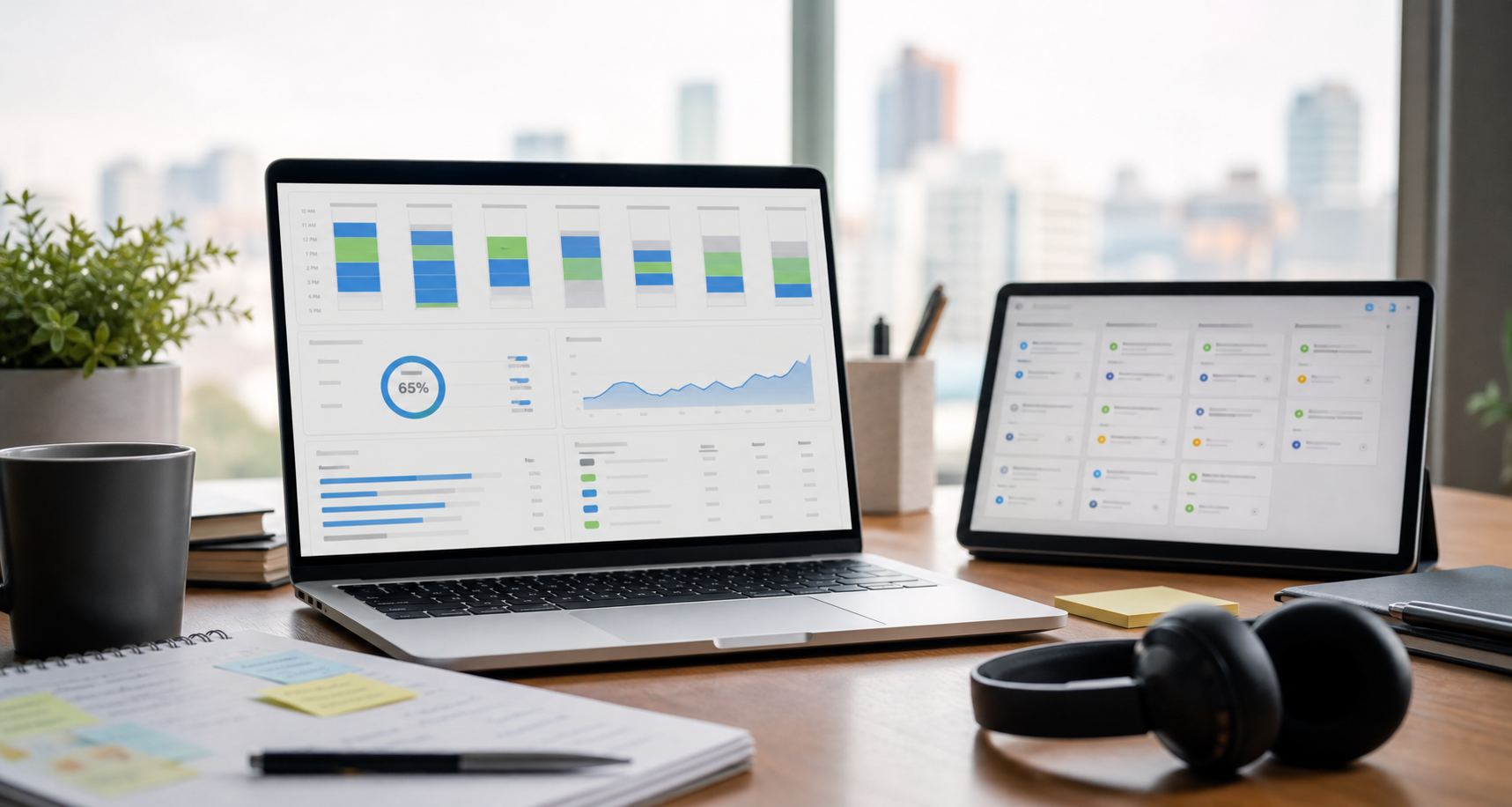
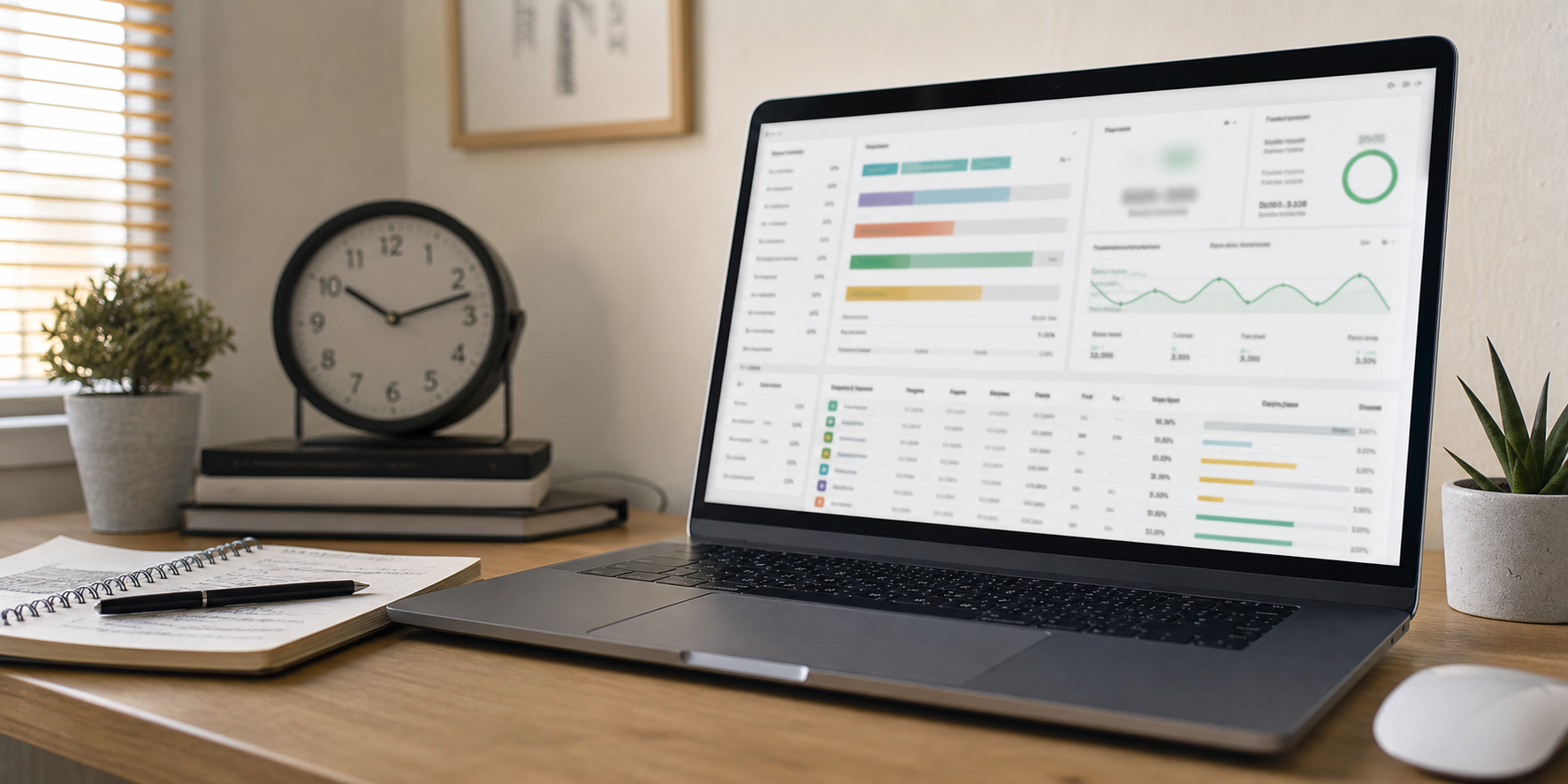
Reporting focuses on time by project, client, user, tag, billable status, and team utilization Security and privacy controls should be verified, especially for team data and enterprise use Teams with stricter oversight or compliance needs should verify those controls before purchase
Competitive Position
Competes with TimeCamp, Clockify, Harvest, Everhour, Timely, Hubstaff, QuickBooks Time, and ClickUp A rival may be better when it addresses the main caution more directly