
Travel Accessories Buying Guide: How to Choose the Right One
Your travel bag can look just like the one beside it, even with a carrier label already attached. A splash of color gives you something familiar to look for. When someone else needs to read the owner’s details, shop for a luggage tag with an information card and check what’s visible while closed.
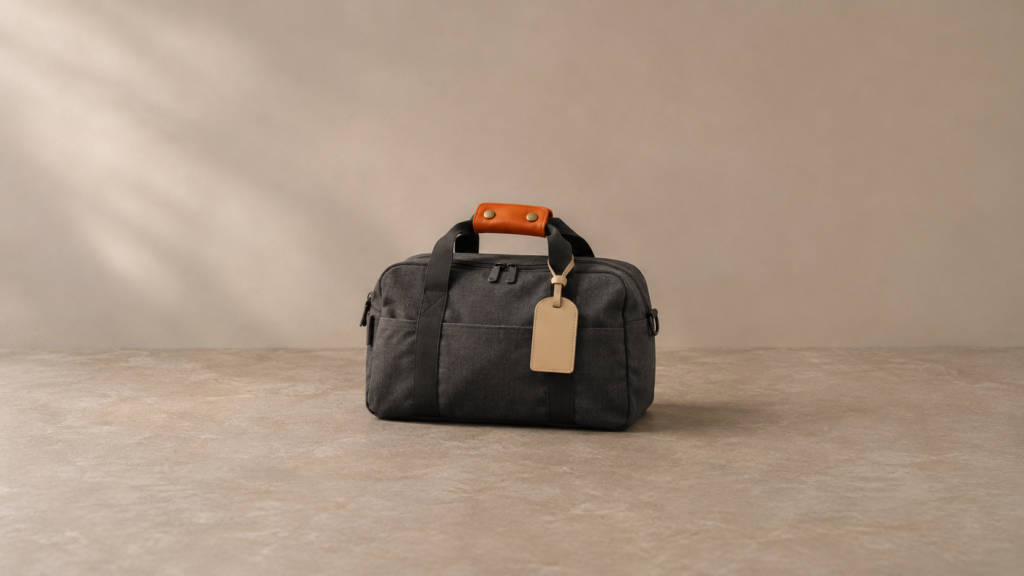
Buying framework
Start with who needs to identify the bag
A familiar bag can be easy for you to recognize and still give another person little to go on. Picture the moment when someone needs to identify it.
Name the task in plain language: Finish the sentence ‘I need someone to…’ with a specific action, such as picking out the bag by sight or reading the owner’s name.
Think about what you already recognize: When you know the bag’s shape and fabric, a color on the handle gives you one more feature to look for among similar bags.
Give the other reader something specific: If someone needs to identify the owner in words, decide which detail they’ll need. A name can be enough for a person checking whose bag is whose.
Start with the bag as it is: Treat the existing carrier label as part of the bag you’re shopping for. Look at what someone could recognize or read before you picture an extra accessory.
Keep an identifier that does the job: A bag with a distinctive handle may already be easy for you to pick out. If an existing personal tag supplies the owner details you need, that job is already covered too.
Who this is for
How you and others identify your bag
Think about the people who actually handle the bag. Someone picking it out of a row may need a different feature from someone reading the tag up close.
You’re collecting a bag you know: At a pickup point with several similar bags, you’re looking for a cue you can remember. A colored handle wrap makes sense if that extra cue is all you need.
A companion needs to read your name: If someone in your group is sorting bags by name, look for a tag that shows the name while closed. They can read the relevant line without handling the cover.
A reader needs contact details on occasion: You might want the name to show during an ordinary handoff and the other contact fields available when needed. A covered card suits that arrangement if the reader can open that particular design.
You need a color cue and an owner card: You might spot the bag yourself and sometimes have someone else read the owner’s details. A colored card tag is worth considering when its color is distinct where it will hang and its card is readable as needed.
You want a different set of details on display: If you want a covered name or a phone number readable at a glance, look for a design that expressly offers that display. The example with a visible name and covered phone field fits a different arrangement.
What to pay attention to
Features that change what you can see or read
For a wrap, pay attention to the part of the bag it makes easier to recognize. For a card tag, look at the information available while closed and what the reader does to reach the rest.
Color cue and where it attaches
Judge the wrap as a patch of color on a particular handle. Its position helps determine whether it’s in view when you look for the bag.
Owner information and how it is read
Look at the closed face and the inside card separately. They tell you what’s available right away and what the reader can see after opening the tag.
Wrap color: Red and saffron are examples of bright colors offered on a snap-on wrap. Judge the color alongside the fabric and trim where you’d put it.
Snap closure: The example wrap is designed to snap onto a carry handle. Look for fit guidance for the part of the handle you have in mind.
Marker placement: Picture the bag from the side you normally see first at pickup. A wrap at a point that the bag itself obscures from that view would give you little to look for.
Inside information card: The example tag has an information card inside. That gives you a place for owner details when those details need to travel with the bag.
Name visible when closed: On this tag, the owner’s name is the only information visible in the closed position. That suits a handoff where the name is the detail someone needs first.
Access to the other fields: With this tag, the reader removes the strap and swivels the tag to see the address, phone and email fields. Factor in that extra handling if someone needs those details.
Avoid these traps
Mistakes that lead to the wrong marker or tag
A product can be described as a bag identifier for either of two reasons. A few details about the exact design can settle which job it’s equipped to do.
Shopping by the word ‘identification’: That word can refer to finding a familiar bag by sight. If you need written owner information, look for an explicit description of an information card.
Picking a color from a swatch alone: A bright color can still blend into trim in a similar shade. Use the part of the bag beside the proposed marker as your reference.
Reading ‘covered’ as a description of every line: The example tag covers some fields and leaves the name readable. Look at the closed view for the exact tag you’re considering so you know which lines the cover includes.
Overlooking the person who needs to open the tag: Say you expect someone to call the number on the card while you’re standing apart from the bag. Decide whether that person is meant to handle the tag or needs the number available from the outside.
Taking a product photo as proof of fit: A photo can show where the accessory sits on the bag in the picture. Use the mounting guidance and your own handle to judge whether you have a suitable spot.
Shopping as if the carrier label were coming off: A mounting spot may look convenient until you account for the space already occupied. Work out where the personal accessory would go with the carrier label in place.
Decision guidance
One bag, two reasons to buy
Imagine collecting your bag when several others look similar. Then consider what you’d buy for the very same bag if it needed to carry written owner information.
Picture the bag at pickup: Say you have a plain dark travel bag with a carry handle and a carrier label already attached. There are similar bags nearby, and you’ll keep that label in place throughout.
To pick out the bag by sight: A red snap-on handle wrap is a candidate. Its job here is to give you a patch of color to look for, provided the handle is suitable and the planned spot is in view.
To provide an owner identification card: Now suppose the bag needs to carry written owner details. Shop for a strapped tag with an inside information card so the bag itself carries the information someone needs to read.
Choose what the reader can see right away: The example tag makes sense if you want the name readable right away and the remaining fields covered. If the reader needs those fields, make room for them to handle the tag and open it.
Use one accessory when both jobs line up: The tag in this example also comes in bright colors. It could serve both needs if its color stands out in the planned position and its closed display and access suit the person reading it.
Ownership & compatibility
Plan how the accessory will sit and be used
Work from the actual attachment point on your bag. For a tag, also think through how the person reading the card will reach the relevant fields.
Inspect the carry handle before choosing a wrap: Look at the patch of handle where you expect the snaps to close and where your hand normally goes. Use the wrap’s attachment instructions to assess the space you have.
Find installation guidance for the exact tag: The example tag uses a strap. Get the instructions for that tag so you can judge the attachment point on your bag before buying.
Decide which details belong on the card: Think about what you want another person to be able to read and when. A name can settle whose bag is on the bench, while a phone number serves a different purpose.
Picture the closed tag beside the carrier label: Look at the space each piece would occupy in your planned setup. Leave enough room for the carrier label and the part of the personal tag you want someone to see.
Allow room to handle the tag: On the example tag, the strap comes off before the tag swivels to show the covered fields. Think about the space the reader will have to do that, with the carrier label clear.
FAQ
Questions about markers and owner tags
Use these answers to settle details about color, the information card or where an accessory could go.
Is a marker worth buying if my bag already stands out?
How should I judge a wrap color in an online listing?
Can an information tag do the job of a color marker?
What does an inside information card give me?
Can someone read the name without opening the example tag?
What does swiveling the example tag reveal?
What if I want the name covered too?
What if the tag listing leaves the strap installation unclear?
Can I add a personal accessory beside my carrier label?
Readiness check
What to confirm before you buy
Use the actual bag and the exact accessory listing for the final check. Each feature you pay for should serve a job you can name.
The missing job: Put it in a few words you can shop by, such as ‘spot the bag’ or ‘show the owner’s name.’
The useful color: Choose a color you can pick out on the actual bag from the side you expect to see first.
The actual card: When the bag needs to carry owner details, look for a tag that specifies a place for those details.
The right display: Buy a covered design only if both the visible fields and the steps to reach the others suit the reader.
Space beside the carrier label: Confirm you have a suitable mounting point with the carrier label in place. If your existing setup already does the job, keep it.
Reading shortcuts
Use these links to decide what someone needs to see or read on your bag.
Decision reminders
Keep these details handy when you open a product listing.
- Intended reader: Name the person who needs to recognize the bag or read the tag.
- Carrier label: Give the label already on the bag enough room to stay visible.
- Card: Look for a stated place to write the owner details.
- Closed view: Identify the field or fields visible from the outside.
- Opening action: Allow for the steps the reader needs to reach the covered fields.
- Mounting point: Compare the fastener with the point you plan to use.
Bag identification terms
These terms describe what you can see, write on or handle.
When a Top 10 list helps
Use a list to gather candidates once you know which job the accessory needs to do.
- Choose a starting form: Look for a handle marker, a tag with a card or a colored tag with a card.
- Picture the mounted accessory: Look for options you could position where someone can spot the color or read the face.
- Set an access requirement: Shortlist only card tags with a closed display and opening action that suit the reader.
- Narrow by attachment: Use the installation guidance to rule out options with an unsuitable mounting point.
Use a comparison to see how competing options trade off color placement, closed display and access to the card.
When to use a comparison
Use a side-by-side comparison once you have a few options and need to decide which design suits the bag and the intended reader.
- Job at a glance: Identify what each option gives you to spot or read.
- Owner details: Look at which details are available on the card and which show while closed.
- Fastener: Compare how each option is meant to attach at the spot you have in mind.
- Access: Weigh the steps each design requires when more information is needed.
Look through a Top 10 list for handle wraps or card-bearing tags when you still need options for either job.