
Walkers Buying Guide for Work, Exercise, and Recovery Routines
Work, exercise, and recovery routines create different walker demands. A workday may involve repeated short trips, exercise may be limited to cleared movement, and recovery may require strict gait or weight-bearing instructions.
This guide separates those settings so the walker is chosen for allowed movement, fatigue, floor transitions, grip pressure, cleaning, and professional boundaries rather than a vague promise of activity.
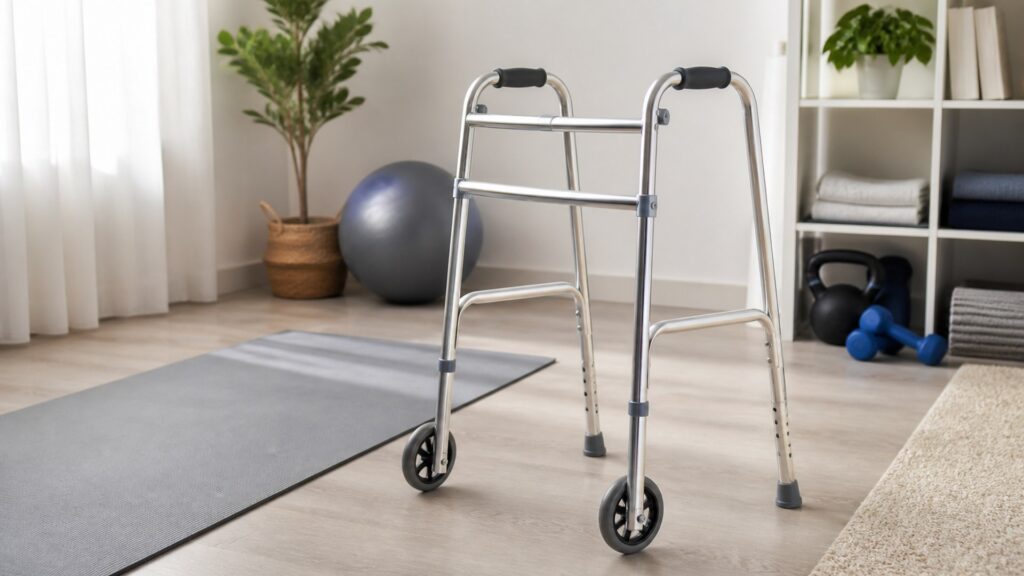
Buying framework
Separate routine demands before choosing a walker
The right walker supports the current routine without turning work errands, exercise-adjacent movement, or recovery therapy into unsupported medical decisions.
Workday repetition: Repeated short trips reward predictable placement, clean grips, and a frame that does not fatigue the hands.
Exercise boundary: A walker can support cleared movement, but it should not define training intensity or therapy progression.
Recovery rules: Weight-bearing limits, gait patterns, and post-surgery precautions should come from qualified instructions.
Surface changes: Parking lots, clinic floors, mats, and home thresholds can each change contact behavior.
Who this is for
Walker users with mixed routines
These profiles keep work, activity, and recovery from being treated as the same buying problem.
Workday mover: Needs repeated placement through predictable routes without hand strain building quickly.
Allowed-activity user: Needs the walker to support permitted movement without implying extra exercise clearance.
Recovery follower: Needs the frame to match instructions for loading, stepping, and fatigue breaks.
Errand planner: Needs folding, tips, and grip comfort that survive transitions outside the home.
What to pay attention to
Routine-specific walker details
For active daily schedules, the relevant specs explain fatigue, control, cleaning, and whether setup survives route changes.
Work Exercise Recovery Contact
For work exercise recovery, contact parts show how this walker grips, slides, rolls, or wears.
Work Exercise Recovery Setup
For work exercise recovery, settings and locks need a clear confirmation routine.
Grip endurance: Handles should stay secure and comfortable during repeated starts rather than one short test.
Frame weight: Lifting demand matters if the user repeats movements all day or loads the walker often.
Contact durability: Tips and glides should tolerate the surfaces in the allowed routine.
Fold reliability: Appointments, commutes, or errands make the latch and reopening check more important.
Cleaning practicality: Grips and feet may need wiping after public spaces, clinic floors, or outdoor grit.
Avoid these traps
Routine-planning mistakes
These mistakes happen when a buyer treats activity goals as product features instead of matching the walker to current instructions.
Buying for future ability: Choose for the user's current cleared routine, not an optimistic later stage.
Equating exercise with speed: A faster-moving walker may conflict with recovery instructions or control needs.
Ignoring cumulative fatigue: A frame that feels fine once can still be tiring across a workday.
Skipping cleaning after public use: Grit, moisture, or sticky grips can change contact and hand confidence.
Decision guidance
Choose by the routine with the strictest limits
Let the most constrained context decide first, whether that is recovery instruction, workplace route, exercise clearance, or fatigue.
If recovery is active: Follow gait and loading instructions before comparing convenience features.
If work trips repeat: Prioritize grip comfort, manageable weight, and predictable stopping.
If exercise is involved: Confirm the allowed movement and avoid treating the walker as training equipment.
If errands add transitions: Compare tips, glides, folding, and cleaning needs for mixed surfaces.
Ownership & compatibility
Maintain the walker through repeated routines
Frequent use makes small issues appear sooner, especially grip wear, contact-part damage, latch looseness, and dirt from public surfaces.
Inspect after longer days: Look for hand discomfort, worn tips, loose glides, or new frame noise.
Clean before storage: Public floors and outdoor grit should not stay on contact parts or handles.
Update when instructions change: A recovery milestone may change the best walker setup or style.
FAQ
Questions buyers ask about walkers buying guide for work, exercise, and recovery routines
These answers focus on the work exercise recovery decisions that affect walker fit, contact, setup, and safe use boundaries.
Can I use a walker at work?
Is a walker exercise equipment?
Which walker is best during recovery?
How does fatigue affect walker choice?
Are front wheels better for active routines?
What should I clean after public use?
Can a walker help with therapy exercises?
What if my routine changes every week?
When should I stop using a routine setup?
Bottom line
Let the strictest routine guide the walker
For work, exercise, and recovery, the right walker supports allowed movement, manages fatigue, handles real surfaces, and stays inside professional safety boundaries.
Start with instructions: Recovery limits override convenience features.
Plan for repetition: Grip comfort and contact wear matter during long days.
Clean and reassess: Public use and changing routines require fresh checks.
Reading Shortcuts
work-exercise-recovery checkpoints.
Decision Reminders
Before choosing: work-exercise-recovery.
- Control: Confirm walker control in use.
- Fit: Measure body contact points.
- Surfaces: Check the expected floors.
- Wear: Inspect replaceable parts.
- Storage: Park it without clutter.
- Guidance: Ask about clinical limits.
Glossary Snippets
walker terms for work-exercise-recovery.
When to Use a Top 10 Review
Ranked picks after work-exercise-recovery.
- Shortlist: Compare after fit decisions.
- Filter: Use work-exercise-recovery priorities.
- Complaints: Watch repeated fit issues.
- Upkeep: Check replacement details.
For work-exercise-recovery finalists, use Comparison next.
When to Use a Comparison
Compare close walker options.
- Fit: Check measurements side by side.
- Control: Compare brakes and contact.
- Storage: Match the real location.
- Care: Review wear and cleaning.
For broad work-exercise-recovery shopping, start with Top 10.