
This Weber Genesis review evaluates how it performs against competing gas grills in real-world cooking scenarios. We focus on heat control, build quality, and day-to-day usability, highlighting where it stands out and where tradeoffs emerge, so you can judge whether it fits your grilling style, space, and long-term expectations.
Weber Genesis Review
By: Review Streets Research Lab
Updated: April 6, 2026
Approx. 8–10 min read
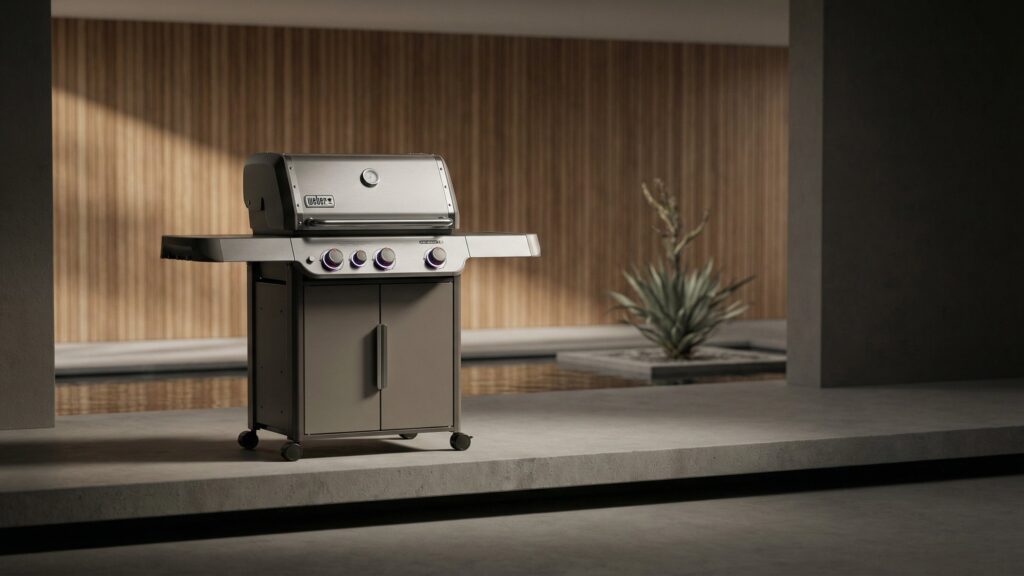
Quick Summary
The Weber Genesis delivers a polished, confidence-inspiring grilling experience with strong everyday usability, even heat management, and a sturdier, more refined feel than many mid-range gas grills. It suits regular backyard cooking especially well, though its higher price and larger footprint may be harder to justify for occasional grilling or tighter patio spaces.
9.1
Score
Best for: Frequent backyard grilling
Pros & Cons
Weber Genesis: what we liked (and what we didn’t)
A quick look at the biggest strengths and tradeoffs based on cooking consistency, day-to-day usability, and long-term ownership feel.
Pros
- Even Heating: Delivers more consistent cooking across the grates than many cheaper gas grills, which helps with timing and fewer surprise hot spots.
- Strong Usability: Feels easy to manage during everyday grilling, with a layout that supports smoother prep, cooking, and cleanup.
- Refined Build: Has a sturdier, more confidence-inspiring feel than many mid-range alternatives, especially in the lid, shelves, and overall fit.
- Good Temperature Control: Makes it easier to hold a target heat level for burgers, chicken, vegetables, and longer weekend cooks.
- Ownership Confidence: Suits frequent use well, with a more polished long-term feel for households that grill regularly through the season.
Cons
- Higher Price: Costs noticeably more than many gas grills that still cover basic backyard cooking needs reasonably well.
- Larger Footprint: Takes up more patio space, which can be a drawback for smaller outdoor areas or tighter storage setups.
- Value Depends: The premium feel is easier to justify for frequent grilling than for occasional use or simple weeknight meals.
- Assembly Time: Setup can take longer and feel more involved than with simpler, lower-priced grills.
Specs
Weber Genesis key specifications
These are the core specs and practical details most buyers compare across premium gas grills.
| Spec | Weber Genesis |
|---|---|
| Type | Freestanding gas grill (liquid propane or natural gas) |
| Platform | Weber Genesis series |
| Voltage | Not applicable (gas-powered; electrical ignition) |
| Speed | Preheat time varies; typically ready within minutes |
| Chuck | Not applicable |
| Torque | Not applicable |
| Length | Approx. full-size footprint; varies by configuration |
| Weight | Heavier build; requires stable placement, not easily portable |
| Clutch settings | Not applicable |
| LED light | Varies by model; some include integrated handle lighting |
| Included | Grill body, grates, side shelves; tank sold separately for propane models |
| Best use | Frequent backyard grilling, family meals, and weekend cookouts |
| Warranty | Weber limited warranty (varies by component) |
Performance
How the Weber Genesis performs
We looked at cooking consistency, heat control, day-to-day usability, and general ownership practicality across typical backyard grilling tasks to understand how this grill performs in normal real-world use.
Heat Consistency
Maintains a more even cooking pattern across the main surface than many lower-priced gas grills.
Preheat Response
Comes up to cooking temperature with good predictability, making weeknight grilling feel straightforward.
Control & Usability
Feels easy to manage during real cooking, with a layout that supports smoother transitions from prep to serving.
Cooking Flexibility
Handles common grill tasks well, from direct high-heat searing to steadier everyday family meals.
Cleanup & Maintenance
Reasonably manageable to clean after regular use, though it still asks for routine upkeep like most full-size gas grills.
Overall Performance
Delivers a polished, dependable grilling experience that feels clearly above average for frequent backyard use.
Testing note: Performance observations are based on typical grilling tasks, repeat-use impressions, and everyday ownership considerations rather than controlled lab-style measurements.
Build Quality
Build quality & durability
The Weber Genesis feels like a grill built for regular use rather than occasional weekends. The overall structure has a sturdier, more settled feel than many mid-range alternatives, and the lid, shelves, and frame give off a stronger sense of long-term ownership confidence.
Key touchpoints—lid handle, control knobs, side shelves, and cooking grates—generally feel solid and well sorted. There is less looseness and flex than on cheaper grills, which helps everyday use feel smoother and more dependable when adjusting heat, moving food, or working across the cooking surface.
In normal backyard use, the Genesis gives the impression that it can handle repeated heat cycles, routine cleaning, and seasonal exposure better than many lighter competitors. It still benefits from regular care and a cover, but it does not feel like a grill that needs to be babied between cooks.
That sturdier construction comes with a tradeoff. The grill is less convenient to move and asks for more permanent patio space than smaller or lighter models, but that added bulk is part of what gives it its more planted, durable feel over time.
Setup & Maintenance
Setup, daily use, and upkeep
The Weber Genesis is straightforward to get going—connect your fuel source, preheat properly, and adjust burner zones based on what you’re cooking. Most of the setup comes down to managing heat and spacing so you get even cooking, fewer flare-ups, and more consistent results across different meals.
Best setup for common tasks
- Quick Weeknight Meals: Preheat all burners, then cook over medium heat for balanced results without constant adjustment.
- High-Heat Searing: Use one or two burners on high and keep food directly over the hottest zone for better browning.
- Indirect Cooking: Turn on outer burners and leave the center off to create a gentler, more controlled cooking area.
- Mixed Cooking Zones: Keep one side hotter and the other cooler so you can move food as needed without overcooking.
What to do for smoother starts
- Preheat Fully: Give the grill enough time to reach temperature so food cooks more evenly from the start.
- Oil The Grates: Lightly coat before cooking to reduce sticking and help with cleaner release.
- Use Clean Surfaces: Start with brushed grates to avoid uneven heating and leftover residue affecting flavor.
Maintenance (simple but important)
- Brush After Use: Clean grates while still warm to prevent buildup from hardening between sessions.
- Empty Grease Tray: Check and clear it regularly to reduce mess and lower the chance of flare-ups.
- Cover The Grill: Use a fitted cover when not in use to protect from weather and extend overall lifespan.
- Check Burners: Occasionally inspect for blockages or uneven flame patterns to keep heating consistent.
Tip: Use controlled heat and avoid constant flipping—let food cook undisturbed for a better sear, then adjust zones as needed to finish without burning.
Real-World Use
Where the Weber Genesis fits best
On paper, the Weber Genesis is a premium gas grill. In real use, it stands out most when consistent heat, reliable control, and a smoother day-to-day cooking experience matter more than compact size or occasional use convenience.
Everyday backyard cooking
Well suited for regular meals throughout the week, where steady heat and predictable results make cooking feel easier and less hands-on compared to more basic grills.
Weekend cookouts
Handles larger batches of food with more confidence, giving you space and control to manage multiple items at once without constantly shifting things around the grill.
Mixed cooking styles
Works well when switching between high-heat searing and gentler cooking, allowing you to move food across zones instead of relying on one consistent temperature.
Where it’s less ideal
If space is limited or grilling is only occasional, a smaller or simpler grill may feel easier to manage. The Genesis is better suited to setups where it can stay in place and be used regularly.
Value
Is the Weber Genesis worth it?
The Weber Genesis makes the most sense when it will be used often enough for its stronger build, steadier heat control, and smoother day-to-day grilling experience to matter. If grilling is occasional or space is limited, a simpler gas grill can cover the basics for less.
Price-to-performance takeaway
You’re paying for a more refined ownership experience, better cooking consistency, and a sturdier long-term feel than many lower-cost alternatives. The value shows up most clearly when the grill becomes a regular part of weeknight meals and weekend cooking rather than an occasional backyard extra.
Tip: Compare the full setup cost, not just the grill itself—fuel type, cover, and any add-ons can change the value picture depending on how often you plan to use it.
FAQ
Weber Genesis FAQ
Quick answers to the most common questions about the Weber Genesis—fuel options, use cases, and what to expect in real-world grilling.
Is the Weber Genesis propane or natural gas?
It’s available in both liquid propane and natural gas versions. You typically choose one at purchase, and switching later may require a conversion kit or a different model.
How big is the Weber Genesis?
It’s a full-size grill with a larger footprint than compact models. It fits well on most patios but can feel bulky in tighter spaces or smaller outdoor setups.
Is it good for everyday grilling?
Yes. It’s well suited for frequent use, with steady heat control and a layout that makes weeknight meals and weekend cooking more predictable and easier to manage.
Who is this grill best for?
It’s best for households that grill regularly and want a more consistent, refined cooking experience rather than a basic entry-level setup.
Is it overkill for occasional use?
If you only grill occasionally, it may be more grill than necessary. Simpler, lower-cost models can handle basic meals without the added size or investment.
What should I consider when choosing between models?
Look at available space, preferred fuel type, and how often you plan to cook. Features like additional burners or storage matter more for frequent use than for occasional grilling.
What are the most common downsides?
The main tradeoffs are higher cost and a larger footprint compared to simpler grills. It’s less convenient to move and may take up more permanent patio space.
Alternatives
Best alternatives to the Weber Genesis
If you like the Weber Genesis but want a different tradeoff—lower cost, a more premium feature set, or a smaller footprint—these are the most relevant alternatives to consider.
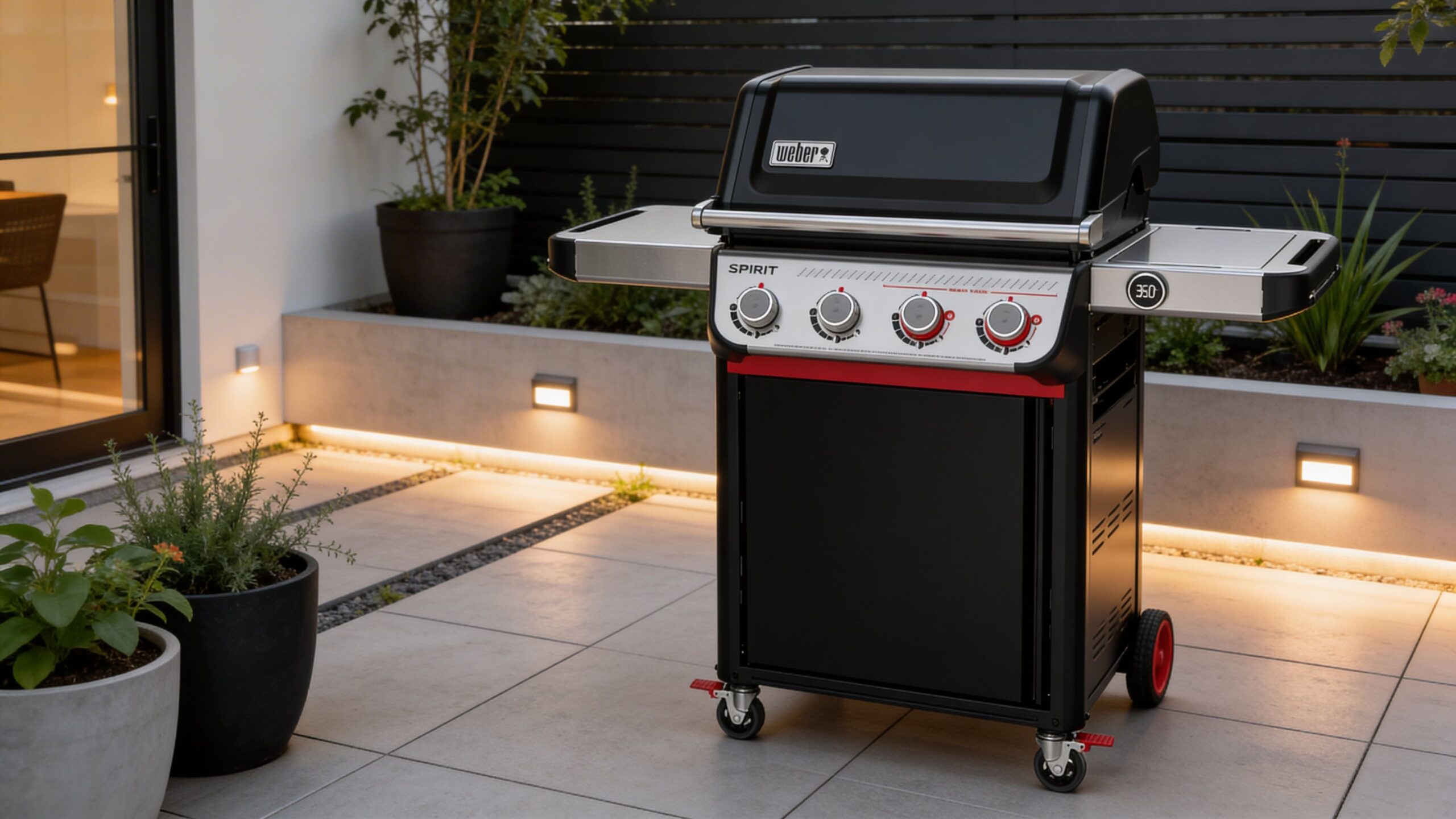
Weber Spirit
Best value
A more affordable Weber option that keeps the brand’s familiar cooking style and general usability, but with a smaller footprint and less premium overall feel.
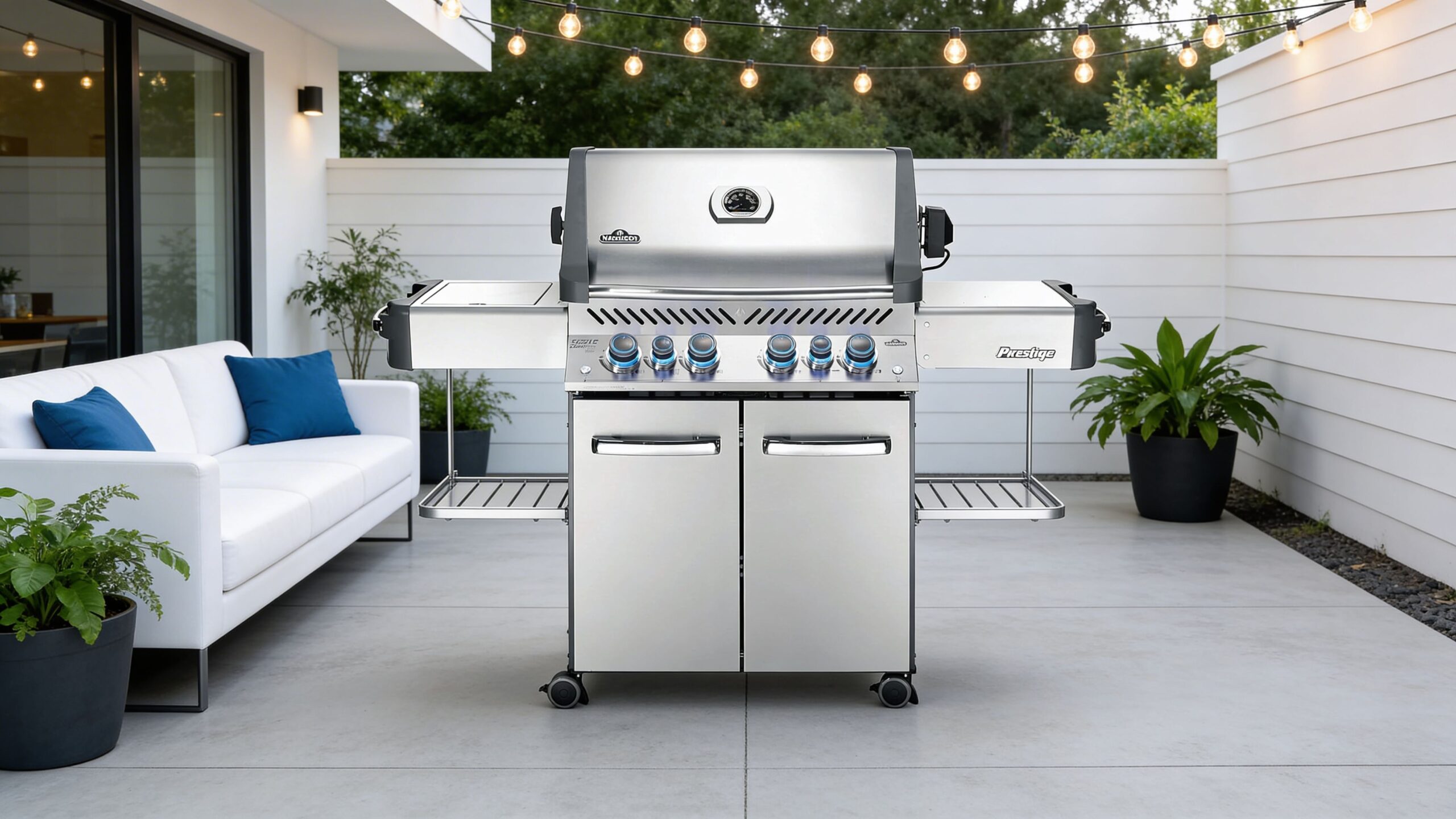
Napoleon Prestige
More premium
A strong alternative for buyers who want a similarly upscale full-size grill but prefer a different feature mix and a slightly different cooking feel at the top end of the category.
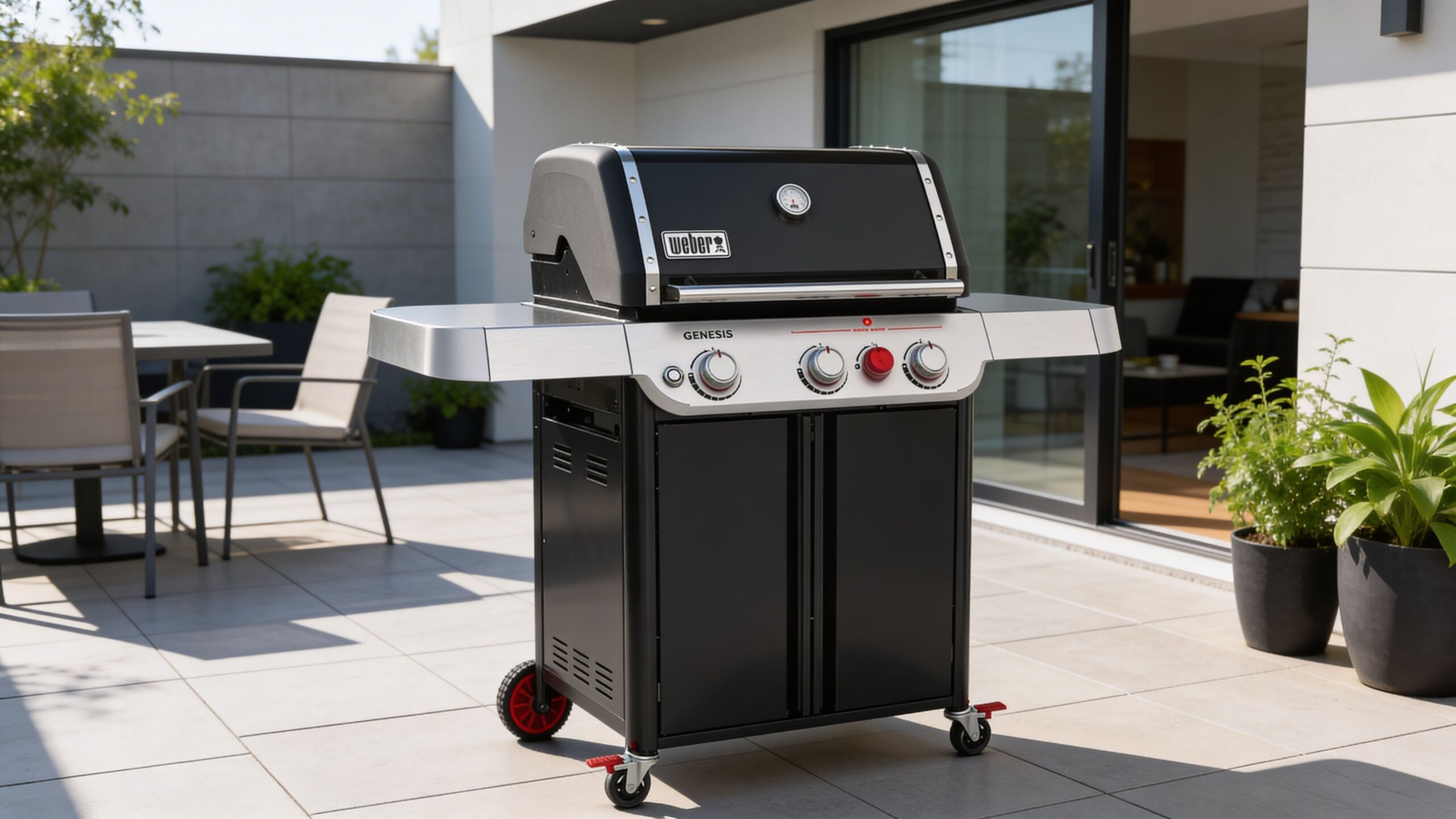
Weber Genesis II
Previous gen
Worth a look if you want a similar Weber ownership experience and full-size cooking format, but are open to an older design profile or a better deal on remaining inventory.
Sources
Sources & reference notes
Specifications and product details referenced in this review were verified using manufacturer information and current product listings. Where configurations vary by model or fuel setup, those differences should be noted directly in the article.
- Weber product documentation and published specifications for the Weber Genesis series.
- Fuel configuration and component information for propane and natural gas model variations where applicable.
- Retail product listings used to confirm current naming, model differences, and included accessories or bundled features.
Where to Buy
Weber Genesis
Gas Grill
Typical price range: $799–$1,799
Pricing varies by retailer, fuel type, size, and included features.
Check Current PriceReview Snapshot
Weber Genesis
9.1
Refined everyday grilling
Best for frequent backyard cooking where steadier heat and a stronger build matter more than saving space or money.
- Performance: Delivers more even, predictable cooking across common grill tasks
- Handling: Easy to manage day to day, but larger than compact grills
- Value: Makes the most sense when it will be used regularly over time
Top 10 List
See the best gas grills right now
Want the full picture? Our Top 10 breaks down the best gas grills by performance, value, and everyday use.
View the Top 10Compare Models
Compare this grill head-to-head
See how the Weber Genesis stacks up against other top gas grills across cooking consistency, usability, and value.
View ComparisonsAccessories You’ll Want
- Grill cover (helps protect the grill from weather and keeps the exterior in better shape between cooks)
- Grill brush or scraper (makes it easier to clear residue after cooking and keep the grates ready for the next session)
- Instant-read thermometer (improves doneness accuracy without relying only on timing or visual guesswork)
- Grill tool set (gives better control when flipping, moving, and serving food across a hot cooking surface)
- Spare drip trays (simplifies cleanup and helps manage grease during regular use)
Tip: Accessory compatibility matters more over time than it seems at first—choose add-ons that fit your grill size and cooking habits so daily use stays simple and consistent.