What Makes Compact SUVs Different from Electric SUVs

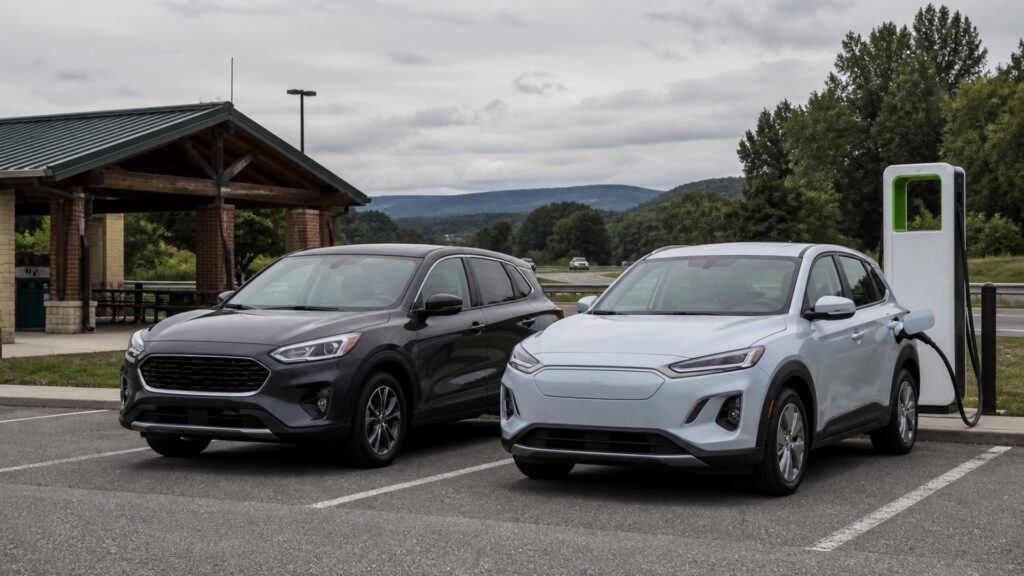
Compact SUVs differ from electric SUVs in what the words describe, not in belonging to two exclusive groups. Compact identifies a size class. Electric identifies propulsion, and a compact electric SUV is both. A clear comparison separates the space a vehicle occupies from the energy system that moves it.

If you mean a compact gasoline SUV versus a battery-electric SUV, compare similar usable capacity first. Then examine refueling or charging, powertrain behavior, packaging, and upkeep. Otherwise, differences caused by a larger body or a different trim can easily be mistaken for differences caused by electric propulsion.

By: Review Streets Research Lab
Updated: October 1, 2026
Explainer · 8-12 min read
compact suvs explainer hero image for Review Streets
What You'll Learn

Read the Vehicle Description in Two Parts

Size and propulsion each explain a different part of ownership.

  • Recognize the overlap between compact and electric categories.
  • Match usable passenger and cargo capacity before comparing energy systems.
  • Separate parking dimensions from charging requirements.
  • Check actual packaging instead of assuming a universal EV layout.
  • Compare service and cost for specific configurations.

Tip: A useful description can be both compact and battery-electric; neither word replaces the other.

Definitions

The Terms That Make the Comparison Clear

These concepts identify the source of a practical difference.

Compact body class

A broad description of a relatively small SUV footprint and packaging.

  • Example: A candidate occupies less garage space than a larger SUV.
  • Check: Measure the exact body, mirrors, and required clearances.
  • Limit: The class does not identify the powertrain.

Battery-electric propulsion

Movement supplied by motors using externally rechargeable battery energy.

  • Example: An SUV replenishes driving energy at compatible charging equipment.
  • Check: Check the charging and trip capabilities of the actual model.
  • Limit: Electric does not specify seat count or exterior dimensions.

Usable packaging

The arrangement of seats, storage, openings, and components within the body.

  • Example: A cargo opening accommodates a bulky item with seats retained.
  • Check: Try the intended passengers and luggage together.
  • Limit: Total volume does not describe every shape or access limitation.

Energy replenishment

The process used to add the external energy required for travel.

  • Example: A gasoline model refuels while a BEV plugs in.
  • Check: Evaluate access, timing, and cost for the required method.
  • Limit: Similar driving range does not imply an identical stopping routine.

Powertrain behavior

How the propulsion and related controls respond in ordinary operation.

  • Example: Electric deceleration settings can feel different from a familiar gasoline vehicle.
  • Check: Assess the exact model’s response and controls.
  • Limit: A powertrain trait does not establish overall handling or comfort.

Maintenance profile

The mix of scheduled care needed by the vehicle’s systems.

  • Example: A BEV omits engine oil changes but retains tire and brake inspections.
  • Check: Read the correct schedule for the configuration.
  • Limit: The absence of an engine does not remove all service or repair needs.

Tip: Ask whether each difference comes from body design, propulsion, equipment, or present condition.

Define a fair comparison

Compare Vehicles That Can Perform the Same Task

Start with required seats, restraint fit, luggage, and parking access. A compact electric SUV may be the closest counterpart to a compact gasoline or hybrid model. If a larger electric vehicle is also considered, acknowledge the size change so its extra room or parking burden is not attributed solely to propulsion.

  • Keep essential passengers and cargo constant.
  • Check actual dimensions and usable space.
  • Identify trim and equipment differences before comparing price.

A three-row electric SUV and a two-row gasoline compact can both be purchase candidates, but their comparison combines size, layout, and powertrain changes. Naming those differences makes the decision easier to interpret.

The energy routine

Charging Changes Where Replenishment Fits into Life

A BEV requires an external charging arrangement, while a gasoline compact uses fuel stops. Compact hybrids add other possibilities, depending on whether they plug in. The practical difference lies in dependable access, the time available, and the routes traveled rather than in the body-size label.

  • Confirm home, workplace, or public charging access where needed.
  • Check compatibility and realistic costs.
  • Plan recurring long trips with suitable stops and alternatives.

A driver who can charge during normal overnight parking may find a BEV convenient. Another driver with uncertain access may prefer a fuel-powered compact even when both vehicles fit the same garage.

The interior layout

Inspect the Space Instead of Predicting It from Propulsion

Battery placement, floor design, wheelbase, and body shape influence an electric SUV’s packaging. Gasoline and hybrid designs have their own component arrangements. None guarantees a particular amount of rear foot room, front storage, or usable cargo shape, even when exterior dimensions are similar.

  • Try the normal front- and rear-seat positions.
  • Check the luggage opening and floor shape.
  • Inspect storage with required seats in use.

Several small storage compartments may be useful for bags but less helpful for one large object. A real loading trial can reveal more than adding their capacities into a single total.

Driving feel

Distinguish Electric Response from the Rest of the Vehicle

Electric propulsion can provide smooth response and offer energy-recovery settings that alter slowing behavior. Steering, ride, visibility, and parking ease still depend on the entire design. Learn the relevant controls rather than assuming every electric candidate behaves alike or every compact feels familiar.

  • Try ordinary starts, safe merging, and low-speed maneuvers.
  • Read the deceleration mode’s stopping and operating limits.
  • Assess control reach and visibility independently of acceleration.

A responsive electric powertrain may make a test drive appealing while the vehicle’s width remains inconvenient at home. Both observations can be true because they concern different characteristics.

Ownership over time

Compare the Service and Cost of the Exact Versions

Battery-electric vehicles remove engine-specific service tasks, while tires, brakes, suspension, and support systems remain. Fuel or electricity prices, purchase terms, insurance, and equipment all affect cost. Use the same mileage and ownership period, and include charging installation or public-charging expenses where relevant.

  • Use vehicle-specific efficiency information.
  • Price the equipment and energy arrangement you will actually use.
  • Review the appropriate maintenance schedule.

A compact BEV may combine manageable size with an attractive energy routine. A different electric SUV may cost more or carry unnecessary bulk. Those outcomes depend on the selected vehicles, not a universal conflict between compact and electric.

Quick Reality Check

What Comes from Size and What Comes from Propulsion?

Keep the two causes visible when assessing an advantage.

Size and body design influence…

Parking footprint, passenger layout, cargo shape, and opening access.

The space required even when the vehicle is carrying little.

Propulsion influences…

Energy storage, charging or refueling, and some driving-control behavior.

Engine-related service tasks and the relevant energy-cost calculation.

Common Myths

Misconceptions About Compact and Electric SUVs

These labels can coexist on the same vehicle.

Does compact mean gasoline-powered?

No. Compact SUVs can use gasoline, hybrid, plug-in hybrid, or battery-electric propulsion.

Does electric always mean a bigger interior?

No. Inspect the actual seats, floor, storage, and openings.

Does quick response mean a vehicle is easy to maneuver?

Not necessarily. Dimensions, sightlines, steering, and access determine that separately.

Does reduced engine maintenance settle ownership cost?

No. Purchase, insurance, energy, ordinary care, and potential repairs all matter.

Tip: Use the actual configuration whenever the decision depends on a precise capability.

FAQ

Questions for Comparing a Compact Gasoline SUV with a BEV

Keep the household task consistent while evaluating the powertrain.

Can I choose a compact and still go electric?

Yes. Compact electric SUVs combine the two characteristics.

What if the candidates are different sizes?

Account for the body and capacity difference separately from propulsion so the comparison remains meaningful.

What charging detail matters first?

Whether you have a dependable compatible place to replenish energy during normal life, followed by support for recurring longer trips.

Which space figure should I trust?

Use specifications as a starting point, then test usable space with the required seats occupied and representative items aboard.

Bottom Line

Compact describes the vehicle’s size; electric describes how it is powered.

Compare actual space, energy access, driving behavior, and upkeep without assigning one label’s characteristics to the other.

Next Steps

Go Deeper or Compare Your Options

Use these Review Streets paths to compare related categories and practical next decisions.

Vehicles

Compare related vehicle choices against the same carrying needs and driving routine.

SUVs

Compare related vehicle choices against the same carrying needs and driving routine.

Compact SUVs

Explore Compact SUVs with your passenger, cargo, and ownership requirements in mind.

Further reading: Battery-electric components; EV ownership considerations; Maintenance differences; Charging options for consumers. Use the owner’s manual for the exact vehicle’s instructions and limits.