What Makes Electric SUVs Different from Compact SUVs

Electric SUVs and compact SUVs describe different characteristics, so they are not opposing vehicle types. Electric identifies a powertrain; compact identifies a size class. A compact electric SUV belongs to both groups. To understand meaningful differences, compare a battery-electric SUV with a similarly sized gasoline or hybrid SUV, then examine any separate size difference.

The powertrain changes energy storage, replenishment, propulsion, and some service tasks. Size changes the body footprint and the passenger-and-cargo arrangement. Keeping those effects separate helps explain what comes from going electric and what comes from choosing a larger or smaller vehicle.

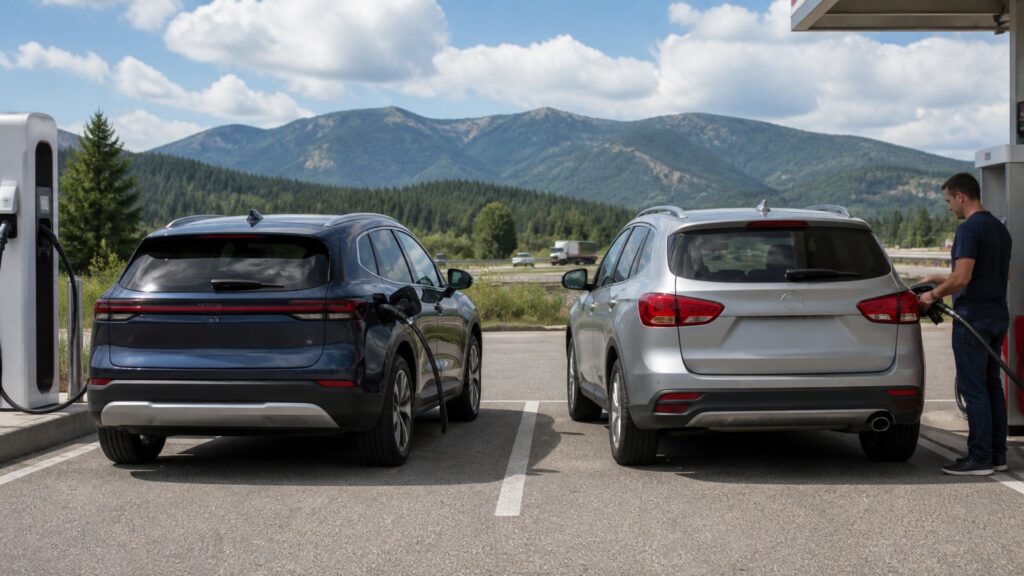
By: Review Streets Research Lab
Updated: September 30, 2026
Explainer · 8-12 min read
electric suvs explainer hero image for Review Streets
What You'll Learn

Separate Powertrain Differences from Body-Size Differences

A fair comparison gives each characteristic its own role.

  • Recognize that compact electric SUVs occupy both categories.
  • Compare similar passenger, cargo, and parking requirements.
  • Distinguish battery energy from fuel storage.
  • Examine charging, driving response, and service separately.
  • Use actual specifications instead of broad packaging assumptions.

Tip: A larger electric SUV’s extra room is not proof that electric propulsion always provides more space.

Definitions

Two Labels and Four Practical Differences

These concepts clarify what is being compared.

Electric propulsion

Driving the vehicle with motors using electrical energy.

  • Example: A battery-electric SUV uses stored battery energy to turn its wheels.
  • Check: Identify the actual motor and battery arrangement.
  • Limit: The propulsion type does not establish vehicle dimensions.

Compact dimensions

A comparatively small SUV body footprint and packaging class.

  • Example: A compact candidate may be easier to accommodate in a narrow parking area.
  • Check: Check exact dimensions and interior usability.
  • Limit: Compact does not identify the fuel or energy source.

Energy storage

The onboard means of holding energy for travel.

  • Example: A BEV stores electrical energy in a traction battery instead of carrying gasoline for an engine.
  • Check: Compare practical range and replenishment for the task.
  • Limit: Storage capacity alone cannot predict every trip’s distance.

Replenishment method

How external energy is added to the vehicle.

  • Example: Charging adds battery energy; refueling adds liquid fuel.
  • Check: Evaluate access and time for the method actually required.
  • Limit: A charging connector does not guarantee the same rate at every station.

Powertrain packaging

The arrangement of propulsion and energy-storage components within the body.

  • Example: A battery location can influence floor or storage layout.
  • Check: Inspect seating and luggage space in the actual model.
  • Limit: Not every electric SUV has a front trunk or flat interior floor.

Service profile

The mix of scheduled care and inspections required by a vehicle’s systems.

  • Example: A BEV omits combustion-engine oil changes but retains tire and brake care.
  • Check: Use the exact maintenance schedule.
  • Limit: Fewer engine tasks do not mean no maintenance.

Tip: Each difference should be tied to the component or dimension that causes it.

The comparison itself

Hold Size Constant When Assessing Propulsion

Compare candidates with similar usable capacity if the aim is to understand electric versus fuel-powered ownership. Otherwise, a difference in seating, parking effort, or cost may come partly from body size. A compact electric SUV can be the clearest counterpart to a compact gasoline or hybrid model.

  • Match required passenger positions and cargo use.
  • Check exterior dimensions rather than class names alone.
  • Identify differences in trim and equipment as well.

Comparing a large three-row EV with a compact two-row gasoline SUV answers a mixed question. It may be a valid purchase shortlist, but its differences cannot all be attributed to the powertrain.

Energy on board

Batteries and Fuel Tanks Support Different Routines

A battery-electric vehicle receives electrical energy from charging and supplies it to motors. A gasoline compact uses fuel in an engine, while a compact hybrid adds electrical assistance or plug-in capability according to its design. The energy source determines the normal replenishment plan, not the body-size label.

  • Confirm whether the candidate is BEV, hybrid, or plug-in hybrid.
  • Check practical energy access near regular parking.
  • Plan long trips using the appropriate energy network.

A compact hybrid that does not plug in cannot substitute for a BEV’s charging routine, and a compact BEV has no gasoline backup. Similar dimensions do not erase those ownership differences.

Inside the body

Inspect Packaging Instead of Assuming Extra Room

Electric layouts can allocate space differently because their components differ from an engine-and-fuel system. Battery location, floor height, wheelbase, and body shape all affect the result. Front storage, rear luggage space, and seating comfort vary, including among vehicles in the same size class.

  • Try the seating position and rear foot space.
  • Measure the luggage opening and usable floor area.
  • Keep required seats occupied during comparisons.

One candidate may offer several smaller storage areas while another has a more useful single cargo bay. A bulky mobility aid or stroller can make that shape difference more important than total volume.

Behind the wheel

Separate Motor Response from Vehicle Bulk

Electric motors can provide smooth, readily available driving force, and energy-recovery settings can alter deceleration. Those traits are distinct from how a large body fits a street or parking space. Steering feel, ride, visibility, and braking controls still depend on the model and configuration.

  • Evaluate ordinary accelerator and brake inputs.
  • Learn the selected deceleration mode and its limits.
  • Test parking and low-speed visibility independently.

An electric SUV can feel responsive while still being awkward in a tight garage. A pleasant powertrain response does not cancel a physical size constraint.

Living with the choice

Compare Energy and Service Without Losing the Whole Cost

Battery-electric propulsion removes combustion-engine service tasks, while tires, conventional brakes, suspension, and other systems remain. Charging cost depends on the locations and prices used. Compare purchase, insurance, maintenance, and energy over the same period rather than using one favorable expense as the verdict.

  • Use realistic home and public charging prices.
  • Request service and insurance information for actual candidates.
  • Include any charging installation and recurring inconvenience.

A compact electric model may suit a driver’s space and cost needs simultaneously. Another electric candidate may be larger or more expensive without delivering useful added capacity. Those are vehicle-specific outcomes, not contradictions in the electric label.

Quick Reality Check

Which Differences Come from Which Choice?

This distinction keeps the explanation accurate.

Powertrain can change…

Energy storage, charging or fueling, propulsion response, and engine-related service.

The component layout and some available storage arrangements.

Body size and design can change…

Parking footprint, access, seating layout, and usable luggage space.

How much vehicle must be accommodated even on lightly loaded trips.

Common Myths

Misconceptions About Electric and Compact Categories

Avoid assigning a size-class trait to every electric vehicle.

Are compact SUVs always gasoline-powered?

No. Compact models can use gasoline, hybrid, plug-in hybrid, or battery-electric powertrains.

Does every electric SUV have more interior space?

No. Packaging varies; inspect the actual seating and storage areas.

Does instant response mean the vehicle is easy to park?

No. Propulsion response and physical maneuvering space are separate concerns.

Does a BEV remove every maintenance expense?

No. It changes the service profile while retaining ordinary vehicle care and possible repairs.

Tip: Ask whether a claimed advantage comes from propulsion, body dimensions, equipment, or a particular design.

FAQ

Questions for a Clear Comparison

Use the same practical task before comparing specifications.

What is the most direct comparison?

A compact BEV and similarly suitable compact gasoline or hybrid models can help isolate powertrain differences.

Can I still compare different sizes?

Yes, if both are real candidates, but recognize that size and propulsion are changing together.

Which interior figure matters most?

The usable space with the required people aboard, including the shape and access needed for your actual cargo.

What does electric tell me about towing?

It does not establish a rating. Check the exact vehicle’s capability, equipment, load accounting, and trip energy plan.

Bottom Line

Electric and compact are overlapping labels, not direct opposites.

Compare powertrain behavior and energy needs separately from dimensions, then judge the actual vehicles against the same household task.

Next Steps

Go Deeper or Compare Your Options

Use these Review Streets paths to compare related categories and practical next decisions.

Vehicles

Compare related vehicle choices against the same carrying needs and driving routine.

SUVs

Compare related vehicle choices against the same carrying needs and driving routine.

Electric SUVs

Explore Electric SUVs with your passenger, cargo, and ownership requirements in mind.

Further reading: Electric-vehicle components; Hybrid powertrain basics; EV maintenance comparison; EV benefits and considerations. Use the owner’s manual for the exact vehicle’s instructions and limits.