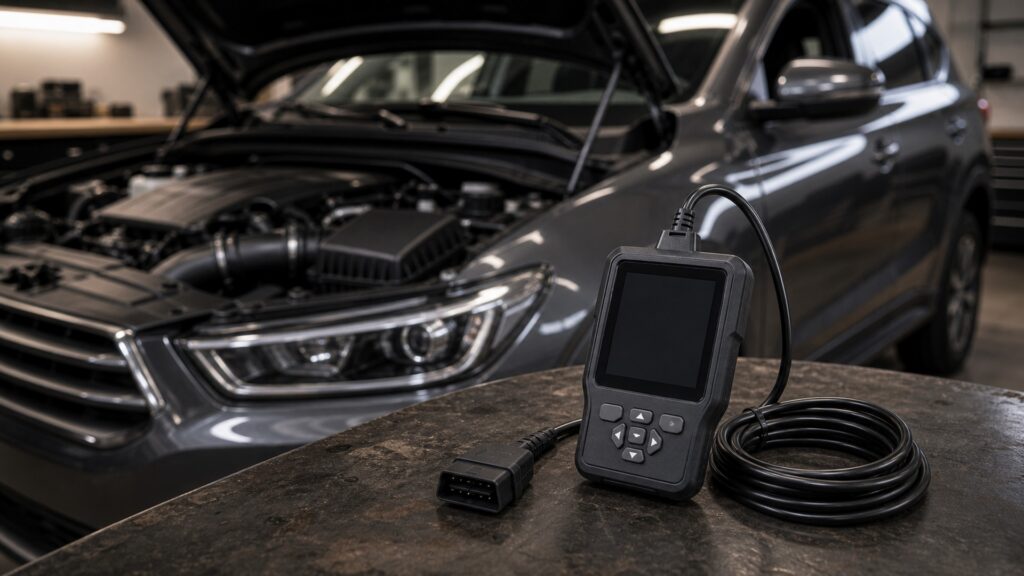
Calibration File
Within “What Makes Engine Tuners Different from Air Intake Systems,” calibration file provides the first hardware or operating input used for adjusting engine control behavior through calibration, throttle mapping, fuel delivery, ignition timing, and sensor interpretation; it is checkpoint 1 for evaluating the functional contrast with Air Intake Systems; as verified through the field check to inspect fuel table while reproducing towing and compare the result with the manufacturer's instructions.
- Role: Connect calibration file to adjusting engine control behavior through calibration, throttle mapping, fuel delivery, ignition timing, and sensor interpretation in the specific context of what makes engine tuners different from air intake systems, while distinguishing that role from routing filtered air into the engine while managing restriction, heat, sealing, sensor readings, and serviceability; within the operating boundary created by the limit that bad calibrations can cause drivability issues, warning lights, warranty conflicts, or engine stress This boundary is especially relevant to fuel table during towing.
- Check: For this article's the functional contrast with Air Intake Systems, inspect calibration file while reproducing throttle response and compare the result with the manufacturer's instructions; where the decisive evidence comes from how ignition timing protects, controls, seals, or transfers the process required for adjusting engine control behavior through calibration, throttle mapping, fuel delivery, ignition timing, and sensor interpretation.
- Limit: The conclusion in “What Makes Engine Tuners Different from Air Intake Systems” must account for the fact that bad calibrations can cause drivability issues, warning lights, warranty conflicts, or engine stress This boundary is especially relevant to calibration file during throttle response; provided the setup accounts for the field check to inspect ignition timing while reproducing emissions checks and compare the result with the manufacturer's instructions.
Throttle Map
Within “What Makes Engine Tuners Different from Air Intake Systems,” throttle map sets a design variable that changes how adjusting engine control behavior through calibration, throttle mapping, fuel delivery, ignition timing, and sensor interpretation; it is checkpoint 2 for evaluating the functional contrast with Air Intake Systems; while the user also checks the limit that bad calibrations can cause drivability issues, warning lights, warranty conflicts, or engine stress This boundary is especially relevant to ignition timing during emissions checks.
- Role: Connect throttle map to adjusting engine control behavior through calibration, throttle mapping, fuel delivery, ignition timing, and sensor interpretation in the specific context of what makes engine tuners different from air intake systems, while distinguishing that role from routing filtered air into the engine while managing restriction, heat, sealing, sensor readings, and serviceability; because the result still depends on how diagnostic port marks the safety or usability boundary surrounding adjusting engine control behavior through calibration, throttle mapping, fuel delivery, ignition timing, and sensor interpretation.
- Check: For this article's the functional contrast with Air Intake Systems, inspect throttle map while reproducing fuel quality and compare the result with the manufacturer's instructions; as the article tests the field check to inspect diagnostic port while reproducing engine monitoring and compare the result with the manufacturer's instructions.
- Limit: The conclusion in “What Makes Engine Tuners Different from Air Intake Systems” must account for the fact that bad calibrations can cause drivability issues, warning lights, warranty conflicts, or engine stress This boundary is especially relevant to throttle map during fuel quality; with the tradeoff measured against the limit that bad calibrations can cause drivability issues, warning lights, warranty conflicts, or engine stress This boundary is especially relevant to diagnostic port during engine monitoring.
Fuel Table
Within “What Makes Engine Tuners Different from Air Intake Systems,” fuel table connects the product to the vehicle area or pathway involved in adjusting engine control behavior through calibration, throttle mapping, fuel delivery, ignition timing, and sensor interpretation; it is checkpoint 3 for evaluating the functional contrast with Air Intake Systems; with the conclusion tied to how sensor feedback keeps the installation adjustable, inspectable, and serviceable while adjusting engine control behavior through calibration, throttle mapping, fuel delivery, ignition timing, and sensor interpretation.
- Role: Connect fuel table to adjusting engine control behavior through calibration, throttle mapping, fuel delivery, ignition timing, and sensor interpretation in the specific context of what makes engine tuners different from air intake systems, while distinguishing that role from routing filtered air into the engine while managing restriction, heat, sealing, sensor readings, and serviceability; when the evidence is checked against the field check to inspect sensor feedback while reproducing throttle response and compare the result with the manufacturer's instructions.
- Check: For this article's the functional contrast with Air Intake Systems, inspect fuel table while reproducing towing and compare the result with the manufacturer's instructions; under the practical condition of the limit that bad calibrations can cause drivability issues, warning lights, warranty conflicts, or engine stress This boundary is especially relevant to sensor feedback during throttle response.
- Limit: The conclusion in “What Makes Engine Tuners Different from Air Intake Systems” must account for the fact that bad calibrations can cause drivability issues, warning lights, warranty conflicts, or engine stress This boundary is especially relevant to fuel table during towing; with special attention to the alternative's separate outcome of they can improve serviceability or airflow behavior when designed around the engine bay and sensors.
Ignition Timing
Within “What Makes Engine Tuners Different from Air Intake Systems,” ignition timing protects, controls, seals, or transfers the process required for adjusting engine control behavior through calibration, throttle mapping, fuel delivery, ignition timing, and sensor interpretation; it is checkpoint 4 for evaluating the functional contrast with Air Intake Systems; as verified through the alternative mechanism of routing filtered air into the engine while managing restriction, heat, sealing, sensor readings, and serviceability.
- Role: Connect ignition timing to adjusting engine control behavior through calibration, throttle mapping, fuel delivery, ignition timing, and sensor interpretation in the specific context of what makes engine tuners different from air intake systems, while distinguishing that role from routing filtered air into the engine while managing restriction, heat, sealing, sensor readings, and serviceability; within the operating boundary created by the alternative boundary that poor designs can draw hot air, leak dirt, trigger sensor issues, or offer no useful gain This boundary is especially relevant to air filter during engine airflow.
- Check: For this article's the functional contrast with Air Intake Systems, inspect ignition timing while reproducing emissions checks and compare the result with the manufacturer's instructions; where the decisive evidence comes from the functional contrast with Air Intake Systems through adjusting engine control behavior through calibration, throttle mapping, fuel delivery, ignition timing, and sensor interpretation.
- Limit: The conclusion in “What Makes Engine Tuners Different from Air Intake Systems” must account for the fact that bad calibrations can cause drivability issues, warning lights, warranty conflicts, or engine stress This boundary is especially relevant to ignition timing during emissions checks; provided the setup accounts for the intended outcome of they can change how the engine responds when the calibration fits the vehicle and fuel.
Diagnostic Port
Within “What Makes Engine Tuners Different from Air Intake Systems,” diagnostic port marks the safety or usability boundary surrounding adjusting engine control behavior through calibration, throttle mapping, fuel delivery, ignition timing, and sensor interpretation; it is checkpoint 5 for evaluating the functional contrast with Air Intake Systems; while the user also checks the fitment requirement covering the exact vehicle configuration, calibration file, throttle map, fuel table, ignition timing, plus clearance and attachment conditions encountered during throttle response, fuel quality, towing.
- Role: Connect diagnostic port to adjusting engine control behavior through calibration, throttle mapping, fuel delivery, ignition timing, and sensor interpretation in the specific context of what makes engine tuners different from air intake systems, while distinguishing that role from routing filtered air into the engine while managing restriction, heat, sealing, sensor readings, and serviceability; because the result still depends on the safety boundary covering rated hardware, secure installation, normal vehicle controls and visibility, and the documented boundary that bad calibrations can cause drivability issues, warning lights, warranty conflicts, or engine stress.
- Check: For this article's the functional contrast with Air Intake Systems, inspect diagnostic port while reproducing engine monitoring and compare the result with the manufacturer's instructions; as the article tests the upkeep routine to clean and inspect calibration file, ignition timing, and sensor feedback after throttle response, towing, or other demanding exposure.
- Limit: The conclusion in “What Makes Engine Tuners Different from Air Intake Systems” must account for the fact that bad calibrations can cause drivability issues, warning lights, warranty conflicts, or engine stress This boundary is especially relevant to diagnostic port during engine monitoring; with the tradeoff measured against how calibration file provides the first hardware or operating input used for adjusting engine control behavior through calibration, throttle mapping, fuel delivery, ignition timing, and sensor interpretation.
Sensor Feedback
Within “What Makes Engine Tuners Different from Air Intake Systems,” sensor feedback keeps the installation adjustable, inspectable, and serviceable while adjusting engine control behavior through calibration, throttle mapping, fuel delivery, ignition timing, and sensor interpretation; it is checkpoint 6 for evaluating the functional contrast with Air Intake Systems; with the conclusion tied to the field check to inspect calibration file while reproducing throttle response and compare the result with the manufacturer's instructions.
- Role: Connect sensor feedback to adjusting engine control behavior through calibration, throttle mapping, fuel delivery, ignition timing, and sensor interpretation in the specific context of what makes engine tuners different from air intake systems, while distinguishing that role from routing filtered air into the engine while managing restriction, heat, sealing, sensor readings, and serviceability; when the evidence is checked against the limit that bad calibrations can cause drivability issues, warning lights, warranty conflicts, or engine stress This boundary is especially relevant to calibration file during throttle response.
- Check: For this article's the functional contrast with Air Intake Systems, inspect sensor feedback while reproducing throttle response and compare the result with the manufacturer's instructions; under the practical condition of how throttle map sets a design variable that changes how adjusting engine control behavior through calibration, throttle mapping, fuel delivery, ignition timing, and sensor interpretation.
- Limit: The conclusion in “What Makes Engine Tuners Different from Air Intake Systems” must account for the fact that bad calibrations can cause drivability issues, warning lights, warranty conflicts, or engine stress This boundary is especially relevant to sensor feedback during throttle response; with special attention to the field check to inspect throttle map while reproducing fuel quality and compare the result with the manufacturer's instructions.