What Makes Midsize SUVs Different from Compact SUVs

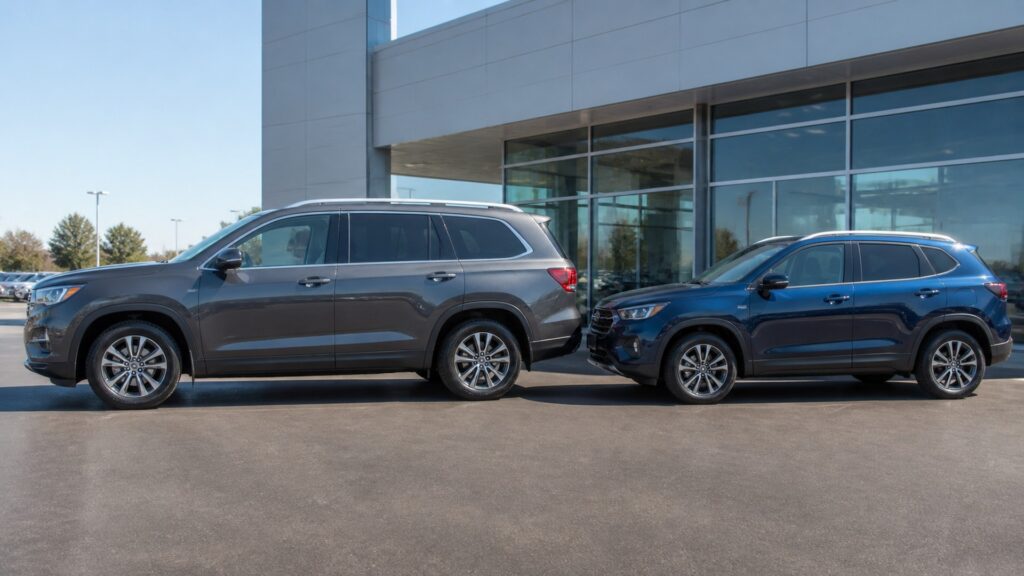
Midsize SUVs generally provide a larger cabin and a larger road footprint than compact SUVs, but the difference is not simply an extra row of seats. Some midsize models devote their space to two roomy rows and cargo; others fit a third row into the same general size category. Compact SUVs usually prioritize a smaller package that is easier to place in everyday parking spaces.

The useful comparison is how each vehicle divides its dimensions among people, luggage, and mechanical components. Two SUVs with different size labels can overlap in rear-seat comfort or usable cargo room. Measure the areas you need rather than assuming every midsize model is more spacious in every direction.

By: Review Streets Research Lab
Updated: September 30, 2026
Explainer · 8-12 min read
midsize suvs explainer hero image for Review Streets
What You'll Learn

Where the Extra Size Goes

Understand the physical and practical differences before deciding whether you need them.

  • Compare cabin layout, not just seat count.
  • Separate cargo volume from loading convenience.
  • Check exterior dimensions and maneuvering space.
  • Compare powertrains and capacity independently of size labels.
  • Evaluate the same trip in both vehicles.

Tip: Set the front seats for their regular occupants before comparing rear-seat room.

Definitions

Dimensions and Limits Behind the Size Labels

These terms describe different aspects of an SUV’s packaging.

Passenger packaging

The arrangement of seats, footwells, doors, and interior surfaces around the people aboard.

  • Example: A compact has generous second-row legroom but a narrower center seat.
  • Check: Try the complete passenger arrangement in each candidate.
  • Limit: One published dimension cannot describe overall comfort.

Exterior footprint

The length and width occupied by the vehicle, with additional clearance needed to use it.

  • Example: A midsize SUV needs more room beside a wall for a passenger to open the door.
  • Check: Measure the actual parking space and relevant vehicle dimensions.
  • Limit: A vehicle can fit between lines and still be awkward to enter.

Wheelbase

The distance between the front and rear axles. It helps shape interior packaging and vehicle behavior.

  • Example: A longer wheelbase creates different opportunities for seat placement.
  • Check: Compare the exact models, including any body-length variants.
  • Limit: Extra wheelbase does not translate directly into extra legroom.

Seats-up cargo volume

Luggage capacity with the specified rear seats upright. It is the relevant starting point when those seats carry people.

  • Example: Weekend bags fit behind the occupied second row.
  • Check: Check which row and seating position the quoted figure uses.
  • Limit: A volume figure does not show whether a stroller passes through the opening.

Load allowance

The permitted weight of occupants and carried items for the specific vehicle, subject to its instructions and limits.

  • Example: People and luggage use the same available carrying allowance.
  • Check: Use the vehicle’s loading label and account for added equipment.
  • Limit: A bigger cabin does not automatically mean more permissible weight.

Powertrain configuration

The particular engine or motor system, transmission where used, and driven-wheel arrangement.

  • Example: A hybrid compact and a gasoline midsize have different energy use.
  • Check: Compare the versions you would buy.
  • Limit: Size alone does not identify fuel economy or towing capability.

Tip: Match the measurement to the question: room, weight, and capability are not interchangeable.

Cabin layout

Midsize Space Can Support Different Seating Priorities

Many compact SUVs organize the cabin around two rows. Midsize models offer more variation, including two-row designs and vehicles with a third row. A third row adds seating options but occupies space that might otherwise hold luggage or allow a different second-row arrangement.

  • Check the exact seat count and bench or captain’s-chair layout.
  • Try every regularly occupied position with the front seats set normally.
  • Assess access to the rearmost seats rather than counting them from outside.

A two-row midsize can suit a household wanting luggage room without extra seats. A three-row model serves another need. The size label does not tell you which arrangement is present.

Cargo geometry

The Shape of the Space Can Matter More Than Its Total

A longer cargo floor can hold an item that will not fit in a shorter vehicle, even when published volumes are close. Conversely, a sloping roof or narrow opening can make some apparently large cargo areas less useful for tall or bulky objects.

  • Compare the floor with all needed seats upright.
  • Check width between wheel housings and clearance at the hatch.
  • Try the item that is hardest to carry, not just several small bags.

For example, a folded wheelchair or dog crate may be limited by height and opening shape. A larger total volume elsewhere in the cabin does not solve that particular constraint.

Road footprint

Extra Interior Opportunity Comes with Exterior Dimensions

A compact SUV can offer a useful cabin in a relatively manageable body. A midsize may ask for more garage length, door clearance, or room during a turn. Mirrors, pillars, cameras, and steering characteristics affect how easily the driver judges the package.

  • Check garage fit with doors and liftgate in use.
  • Try permitted parking maneuvers during the test drive.
  • Compare sight lines from your normal driving position.

A difference that seems small on a specification sheet can be noticeable in a narrow driveway used twice a day. Measure the place where the vehicle will live.

Mechanical choices

Larger Does Not Specify the Engine, Drivetrain, or Rating

Both size categories include different powertrains and driveline arrangements. Extra power, all-wheel drive, or towing equipment may be available in a particular configuration, but none follows automatically from moving to midsize.

  • Check fuel-economy estimates for the exact powertrain.
  • Verify towing and loading limits if they matter to the purchase.
  • Assess response and ride on representative roads.

Compare the actual candidates rather than an efficient compact against a midsize specification you would never buy. A fair comparison holds your carrying requirements constant while checking the available configurations.

Daily implications

Use One Passenger-and-Luggage List for Both Vehicles

The clearest way to understand the difference is to repeat the same tasks: seat the passengers, load the bags, park, and unload. This shows whether additional size creates a benefit in your circumstances or mostly adds unused space.

  • List your normal occupants and your demanding regular cargo load.
  • Try that arrangement in each vehicle without folding seats you need.
  • Compare ownership quotes and the effort of daily use afterward.

If both vehicles handle that trip well, a midsize is not automatically an upgrade. If the compact falls short in a specific area, verify that the midsize improves that exact area.

Quick Reality Check

What the Size Difference Usually Means in Practice

Treat these as reasons to inspect individual models, not guarantees.

Compact SUVs often appeal when…

A two-row arrangement meets the household’s needs.

A manageable exterior package matters in daily parking and access.

Midsize SUVs deserve attention when…

A different rear-seat layout or more usable luggage space solves a measured constraint.

An additional row or suitable mechanical configuration is regularly useful.

Common Myths

Misconceptions About Compact and Midsize SUVs

Category names can conceal differences within each group.

Every midsize has three rows

Some midsize SUVs use two rows. Confirm the layout rather than inferring it from the category.

Every compact is cramped

Interior packaging varies. A compact can offer adequate room for a particular household even if it is smaller outside.

The bigger cargo number always wins

Check the seating configuration and the shape of the opening. Space measured with seats folded may not describe your trip.

Midsize automatically means more capability

Powertrain, equipment, and manufacturer ratings establish capability. Exterior size does not replace those checks.

Tip: Use the category to organize a shortlist, then use the vehicle to answer the question.

FAQ

Questions About Compact and Midsize SUV Differences

Practical answers for comparing the two sizes.

Is there one dimension that separates the categories?

Consumer size labels are not a substitute for actual specifications. Compare length, width, cabin layout, and usable space for the models in question.

Can a compact have more useful cargo space?

For a particular item or seating arrangement, yes. Shape, floor layout, and the position of occupied seats determine usable space.

Will a midsize ride more comfortably?

Not necessarily. Suspension tuning, seats, tires, and wheel choices matter. Test the actual version.

What is the best comparison to make first?

Try the required passengers and luggage together. That reveals whether the extra size produces a benefit before you compare costs.

Bottom Line

Midsize SUVs differ from compacts mainly in the packaging choices their larger dimensions make possible.

Those choices can add useful seating or cargo room, but the benefit depends on the exact layout. Compare the complete trip and the everyday footprint.

Next Steps

Go Deeper or Compare Your Options

Use these Review Streets paths to compare related categories and practical next decisions.

Vehicles

Compare related vehicle choices against the same carrying needs and driving routine.

SUVs

Compare related vehicle choices against the same carrying needs and driving routine.

Midsize SUVs

Explore Midsize SUVs with your passenger, cargo, and ownership requirements in mind.

Further reading: EPA: comparing vehicle fuel economy; NHTSA: vehicle loading information; Ford: towing configuration guidance. Use the owner’s manual for the exact vehicle’s instructions and limits.