What Makes Midsize SUVs Different from Full Size SUVs

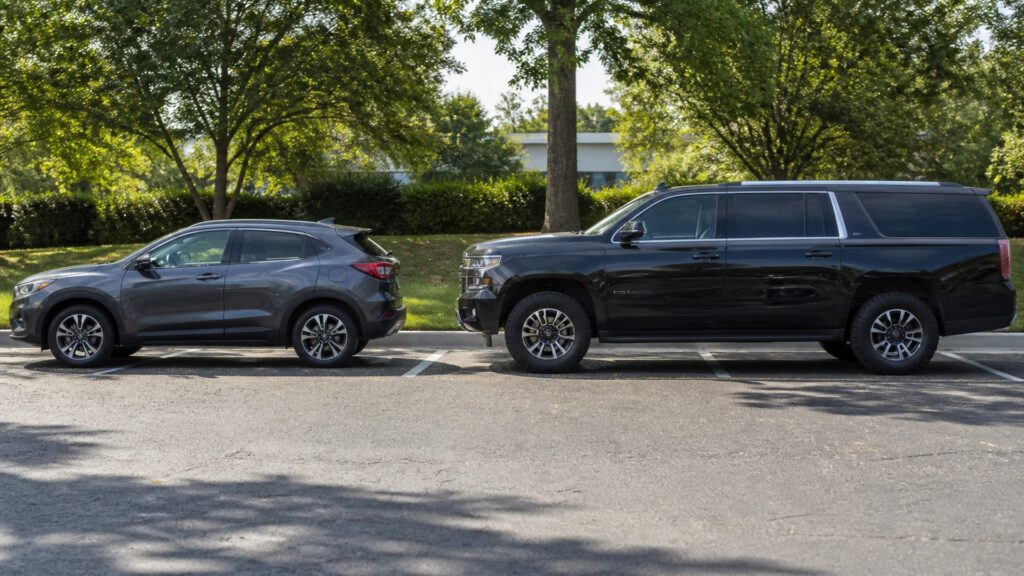
Midsize and full-size SUVs differ most usefully in how much space and capability they provide while carrying a real load. A full-size model may offer a more usable third row, more luggage room behind it, or a stronger towing configuration. A midsize SUV often asks less of the parking space and can be sufficient when most trips use only two rows.

These are size categories, not guarantees of construction, seating, or performance. Compare exact models and configurations: an extended-length full-size SUV is a different packaging proposition from a shorter version, and a two-row midsize serves different priorities from a three-row midsize.

By: Review Streets Research Lab
Updated: September 30, 2026
Explainer · 8-12 min read
midsize suvs explainer hero image for Review Streets
What You'll Learn

The Practical Differences Between Midsize and Full-Size SUVs

Look beyond overall size to the places where extra dimensions create a useful benefit.

  • Compare third-row comfort and luggage room at the same time.
  • Understand why size does not identify the chassis design.
  • Check payload separately from trailer capacity.
  • Measure the parking and access compromises.
  • Choose capacity you use often enough to justify carrying it every day.

Tip: Compare both SUVs with the same passenger count and luggage list.

Definitions

Measurements That Make the Size Comparison Meaningful

Each measurement answers a different question about daily use.

Overall length

The vehicle’s front-to-rear exterior dimension. It affects parking fit but does not identify how the cabin is arranged.

  • Example: A longer SUV extends beyond a short garage bay.
  • Check: Allow room for the garage door and an open liftgate.
  • Limit: More length does not all become passenger room.

Wheelbase

The distance between the front and rear axle centers. It influences packaging and vehicle behavior along with many other design choices.

  • Example: An extended version has a different axle spacing and cabin arrangement.
  • Check: Compare published dimensions for the actual version.
  • Limit: Wheelbase alone cannot predict ride comfort or turning ability.

Cargo behind the third row

Luggage space remaining when all three rows are upright. It is important for trips using every row.

  • Example: Six occupants travel with their weekend bags.
  • Check: Load the intended bags without folding an occupied seat.
  • Limit: Maximum seats-folded volume describes a different use case.

Unibody construction

A structure in which the body and its supporting shell act together rather than sitting on a separate full frame.

  • Example: A crossover combines passenger packaging and structural load paths in one body shell.
  • Check: Identify the construction of the model being compared.
  • Limit: Unibody does not automatically mean weak towing capability.

Body-on-frame construction

A layout that mounts the body on a separate structural frame. It is common among traditional large SUVs but is not defined by size alone.

  • Example: A truck-related SUV uses a separate frame beneath its cabin.
  • Check: Check specifications instead of inferring construction from appearance.
  • Limit: A frame does not guarantee a better ride, more usable cargo room, or a specific rating.

Available load allowance

The remaining permitted weight for the people and items carried in the particular vehicle.

  • Example: Passengers and bags consume capacity before a trailer is attached.
  • Check: Read the loading label and account for the planned trip.
  • Limit: Room for more seats does not mean every seat can be occupied alongside any cargo load.

Tip: A useful comparison keeps passenger space, cargo volume, and weight limits distinct.

Passenger packaging

The Biggest Difference May Be Behind the Second Row

For households regularly using a third row, the relevant upgrade is a seat people can occupy comfortably and reach without awkward rearrangement. Full-size SUVs may offer an advantage here, but floor height, cushion shape, and second-row position can matter as much as a published legroom number.

  • Have the intended passengers sit in all occupied rows together.
  • Try entry and exit with the normal second-row arrangement.
  • Check whether luggage still fits with the third row upright.

A family carrying adults in the back every week has a different requirement from one adding children for an occasional short journey. Neither case is settled by the number of seat belts alone.

Luggage space

Extra Length Is Valuable When Seats Stay Occupied

A full-size SUV, particularly an extended-length version, may retain useful luggage depth behind its rearmost seats. That can be the decisive advantage over a midsize model. If your regular trips use two rows, however, a midsize SUV may already carry the same bags comfortably.

  • Compare the space behind the last occupied row.
  • Check hatch shape and floor width with bulky items.
  • Consider loading height and reach, not just volume.

For example, a folded third row may accommodate sports equipment beautifully but cannot help on the day those seats are needed. Evaluate the demanding trip as one complete arrangement.

Capability

Construction and Tow Ratings Need Their Own Comparison

Many traditional full-size SUVs use truck-related architecture, while many midsize crossovers use unibody construction. Exceptions matter. The towing and load limits depend on the exact vehicle, its equipment, and manufacturer instructions, rather than on a construction label by itself.

  • Confirm the powertrain and any required towing package.
  • Check the loaded trailer and the weight carried by the SUV.
  • Review hitch, axle, and combined-weight limits where applicable.

Choose on the verified configuration you can buy. The highest number in a model’s advertising may apply to a different version from the one on the lot.

Daily footprint

The Larger SUV Has to Fit More Than the Highway

Width, length, turning clearance, and step-in height become noticeable in garages and crowded parking areas. Cameras can assist positioning, but they do not widen a bay or make a heavy door easier to open beside another car.

  • Measure width including mirrors where relevant.
  • Try normal parking maneuvers on a permitted test route.
  • Check access for passengers with limited mobility.

Compare both vehicles in the places you use most often. A size advantage on a yearly holiday may be less valuable than straightforward access at home every morning.

Ownership choice

Pay for the Difference You Will Actually Use

Fuel consumption, tire costs, insurance, purchase price, and ride quality vary by model and powertrain. Do not assume a fixed ownership penalty from the category name. Obtain quotes and compare the exact versions, then connect the additional cost to a concrete benefit.

  • Use model-specific fuel-economy estimates and your annual mileage.
  • Price replacement tires and insurance for each candidate.
  • Test ride comfort on representative roads.

If both vehicles meet your normal passenger and cargo needs, the midsize may be easier to live with. If full occupancy repeatedly overwhelms the midsize, the additional space may earn its cost.

Quick Reality Check

Where Each Size Makes the Stronger Case

The useful distinction is the trip each vehicle can complete comfortably.

Midsize SUVs make sense when…

Two rows cover most travel and occasional extra seating is enough.

The actual cabin works while parking space and maneuverability remain priorities.

Full-size SUVs merit consideration when…

Frequent third-row use must leave substantial luggage room.

A verified larger-vehicle configuration meets a towing or load requirement that shortlisted midsize models cannot.

Common Myths

Misconceptions About Midsize Versus Full-Size SUVs

Segment labels are a starting point, not a specification sheet.

Full-size always means body-on-frame

That association is common, but the size description and construction method are separate characteristics. Check the vehicle.

Three rows provide the same usefulness in either size

Seat comfort, access, and luggage room can differ substantially even when advertised seating counts match.

A bigger SUV is automatically safer in every way

Size and weight influence crashes, but they do not replace model-specific crashworthiness, avoidance performance, visibility, and proper use.

Midsize is always cheaper to run

Powertrain, tires, insurance, and driving patterns affect costs. Compare the versions you would actually buy.

Tip: Make a shortlist by size, then decide by measured fit and verified capability.

FAQ

Questions About Choosing an SUV Size

Answers for comparing space without overbuying.

Is full-size worthwhile for occasional third-row use?

It may be, but test a midsize first. If the occasional passengers and bags fit, a larger daily footprint may not bring enough benefit.

Does a longer wheelbase always give a smoother ride?

No. Suspension, tires, seats, and tuning also matter. Compare ride comfort directly rather than treating one dimension as a promise.

Which figure matters most for family holidays?

Cargo space behind the seats you need is particularly useful, alongside passenger comfort and loading limits. Maximum cargo volume can hide the real constraint.

Should I choose a full-size SUV just for towing?

Only if the specific vehicle meets the complete towing requirement and suits the rest of your use. Verify ratings and equipment before choosing the category.

Bottom Line

Full-size SUVs earn their extra bulk when they provide passenger, luggage, or verified towing capacity that a midsize cannot deliver.

If the midsize already handles the complete trip, judge whether any remaining benefit justifies the larger footprint and model-specific ownership costs.

Next Steps

Go Deeper or Compare Your Options

Use these Review Streets paths to compare related categories and practical next decisions.

Midsize SUVs

Explore midsize models with your passenger, cargo, and ownership requirements in mind.

SUVs

Compare the wider SUV category if another size or configuration may suit the task.

Vehicles

Consider other vehicle types when an SUV does not meet the full travel requirement.

Further reading: Ford: towing configuration and ratings; EPA: fuel-economy comparison labels; IIHS: vehicle size and weight. Use the owner’s manual for the exact vehicle’s instructions and limits.