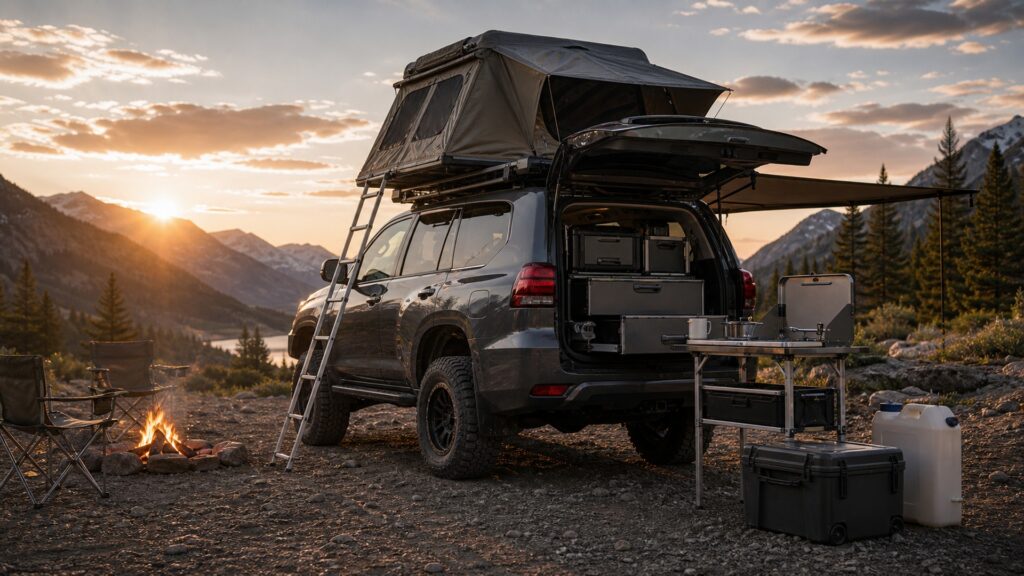
Roof Tent
Within “What Makes Overlanding Gear Different from Off-Road Accessories,” roof tent provides the first hardware or operating input used for supporting self-sufficient vehicle travel with storage, shelter, power, water, cooking, and camp organization; it is checkpoint 1 for evaluating the functional contrast with Off-Road Accessories; as verified through how mounting rail keeps the installation adjustable, inspectable, and serviceable while supporting self-sufficient vehicle travel with storage, shelter, power, water, cooking, and camp organization.
- Role: Connect roof tent to supporting self-sufficient vehicle travel with storage, shelter, power, water, cooking, and camp organization in the specific context of what makes overlanding gear different from off-road accessories, while distinguishing that role from supporting traction, recovery, storage, protection, lighting, and preparedness away from paved roads; within the operating boundary created by the field check to inspect mounting rail while reproducing remote camping and compare the result with the manufacturer's instructions.
- Check: For this article's the functional contrast with Off-Road Accessories, inspect roof tent while reproducing remote camping and compare the result with the manufacturer's instructions; where the decisive evidence comes from the limit that extra gear can add weight, setup time, wind noise, cost, and packing complexity This boundary is especially relevant to mounting rail during remote camping.
- Limit: The conclusion in “What Makes Overlanding Gear Different from Off-Road Accessories” must account for the fact that extra gear can add weight, setup time, wind noise, cost, and packing complexity This boundary is especially relevant to roof tent during remote camping; provided the setup accounts for the alternative's separate outcome of they can improve preparedness when terrain, traction, storage, and recovery needs become unpredictable.
Storage Drawer
Within “What Makes Overlanding Gear Different from Off-Road Accessories,” storage drawer sets a design variable that changes how supporting self-sufficient vehicle travel with storage, shelter, power, water, cooking, and camp organization; it is checkpoint 2 for evaluating the functional contrast with Off-Road Accessories; while the user also checks the alternative mechanism of supporting traction, recovery, storage, protection, lighting, and preparedness away from paved roads.
- Role: Connect storage drawer to supporting self-sufficient vehicle travel with storage, shelter, power, water, cooking, and camp organization in the specific context of what makes overlanding gear different from off-road accessories, while distinguishing that role from supporting traction, recovery, storage, protection, lighting, and preparedness away from paved roads; because the result still depends on the alternative boundary that extra gear adds weight, complexity, noise, and failure points if it lacks a clear purpose This boundary is especially relevant to recovery gear during rocky trails.
- Check: For this article's the functional contrast with Off-Road Accessories, inspect storage drawer while reproducing multi-day travel and compare the result with the manufacturer's instructions; as the article tests the functional contrast with Off-Road Accessories through supporting self-sufficient vehicle travel with storage, shelter, power, water, cooking, and camp organization.
- Limit: The conclusion in “What Makes Overlanding Gear Different from Off-Road Accessories” must account for the fact that extra gear can add weight, setup time, wind noise, cost, and packing complexity This boundary is especially relevant to storage drawer during multi-day travel; with the tradeoff measured against the intended outcome of it can make long vehicle-based trips more organized, comfortable, and self-contained.
Portable Power
Within “What Makes Overlanding Gear Different from Off-Road Accessories,” portable power connects the product to the vehicle area or pathway involved in supporting self-sufficient vehicle travel with storage, shelter, power, water, cooking, and camp organization; it is checkpoint 3 for evaluating the functional contrast with Off-Road Accessories; with the conclusion tied to the fitment requirement covering the exact vehicle configuration, roof tent, storage drawer, portable power, water storage, plus clearance and attachment conditions encountered during remote camping, multi-day travel, bad weather.
- Role: Connect portable power to supporting self-sufficient vehicle travel with storage, shelter, power, water, cooking, and camp organization in the specific context of what makes overlanding gear different from off-road accessories, while distinguishing that role from supporting traction, recovery, storage, protection, lighting, and preparedness away from paved roads; when the evidence is checked against the safety boundary covering rated hardware, secure installation, normal vehicle controls and visibility, and the documented boundary that extra gear can add weight, setup time, wind noise, cost, and packing complexity.
- Check: For this article's the functional contrast with Off-Road Accessories, inspect portable power while reproducing bad weather and compare the result with the manufacturer's instructions; under the practical condition of the upkeep routine to clean and inspect roof tent, water storage, and mounting rail after remote camping, bad weather, or other demanding exposure.
- Limit: The conclusion in “What Makes Overlanding Gear Different from Off-Road Accessories” must account for the fact that extra gear can add weight, setup time, wind noise, cost, and packing complexity This boundary is especially relevant to portable power during bad weather; with special attention to how roof tent provides the first hardware or operating input used for supporting self-sufficient vehicle travel with storage, shelter, power, water, cooking, and camp organization.
Water Storage
Within “What Makes Overlanding Gear Different from Off-Road Accessories,” water storage protects, controls, seals, or transfers the process required for supporting self-sufficient vehicle travel with storage, shelter, power, water, cooking, and camp organization; it is checkpoint 4 for evaluating the functional contrast with Off-Road Accessories; as verified through the field check to inspect roof tent while reproducing remote camping and compare the result with the manufacturer's instructions.
- Role: Connect water storage to supporting self-sufficient vehicle travel with storage, shelter, power, water, cooking, and camp organization in the specific context of what makes overlanding gear different from off-road accessories, while distinguishing that role from supporting traction, recovery, storage, protection, lighting, and preparedness away from paved roads; within the operating boundary created by the limit that extra gear can add weight, setup time, wind noise, cost, and packing complexity This boundary is especially relevant to roof tent during remote camping.
- Check: For this article's the functional contrast with Off-Road Accessories, inspect water storage while reproducing limited cargo space and compare the result with the manufacturer's instructions; where the decisive evidence comes from how storage drawer sets a design variable that changes how supporting self-sufficient vehicle travel with storage, shelter, power, water, cooking, and camp organization.
- Limit: The conclusion in “What Makes Overlanding Gear Different from Off-Road Accessories” must account for the fact that extra gear can add weight, setup time, wind noise, cost, and packing complexity This boundary is especially relevant to water storage during limited cargo space; provided the setup accounts for the field check to inspect storage drawer while reproducing multi-day travel and compare the result with the manufacturer's instructions.
Camp Kitchen
Within “What Makes Overlanding Gear Different from Off-Road Accessories,” camp kitchen marks the safety or usability boundary surrounding supporting self-sufficient vehicle travel with storage, shelter, power, water, cooking, and camp organization; it is checkpoint 5 for evaluating the functional contrast with Off-Road Accessories; while the user also checks the limit that extra gear can add weight, setup time, wind noise, cost, and packing complexity This boundary is especially relevant to storage drawer during multi-day travel.
- Role: Connect camp kitchen to supporting self-sufficient vehicle travel with storage, shelter, power, water, cooking, and camp organization in the specific context of what makes overlanding gear different from off-road accessories, while distinguishing that role from supporting traction, recovery, storage, protection, lighting, and preparedness away from paved roads; because the result still depends on how portable power connects the product to the vehicle area or pathway involved in supporting self-sufficient vehicle travel with storage, shelter, power, water, cooking, and camp organization.
- Check: For this article's the functional contrast with Off-Road Accessories, inspect camp kitchen while reproducing camp setup and compare the result with the manufacturer's instructions; as the article tests the field check to inspect portable power while reproducing bad weather and compare the result with the manufacturer's instructions.
- Limit: The conclusion in “What Makes Overlanding Gear Different from Off-Road Accessories” must account for the fact that extra gear can add weight, setup time, wind noise, cost, and packing complexity This boundary is especially relevant to camp kitchen during camp setup; with the tradeoff measured against the limit that extra gear can add weight, setup time, wind noise, cost, and packing complexity This boundary is especially relevant to portable power during bad weather.
Mounting Rail
Within “What Makes Overlanding Gear Different from Off-Road Accessories,” mounting rail keeps the installation adjustable, inspectable, and serviceable while supporting self-sufficient vehicle travel with storage, shelter, power, water, cooking, and camp organization; it is checkpoint 6 for evaluating the functional contrast with Off-Road Accessories; with the conclusion tied to how water storage protects, controls, seals, or transfers the process required for supporting self-sufficient vehicle travel with storage, shelter, power, water, cooking, and camp organization.
- Role: Connect mounting rail to supporting self-sufficient vehicle travel with storage, shelter, power, water, cooking, and camp organization in the specific context of what makes overlanding gear different from off-road accessories, while distinguishing that role from supporting traction, recovery, storage, protection, lighting, and preparedness away from paved roads; when the evidence is checked against the field check to inspect water storage while reproducing limited cargo space and compare the result with the manufacturer's instructions.
- Check: For this article's the functional contrast with Off-Road Accessories, inspect mounting rail while reproducing remote camping and compare the result with the manufacturer's instructions; under the practical condition of the limit that extra gear can add weight, setup time, wind noise, cost, and packing complexity This boundary is especially relevant to water storage during limited cargo space.
- Limit: The conclusion in “What Makes Overlanding Gear Different from Off-Road Accessories” must account for the fact that extra gear can add weight, setup time, wind noise, cost, and packing complexity This boundary is especially relevant to mounting rail during remote camping; with special attention to how camp kitchen marks the safety or usability boundary surrounding supporting self-sufficient vehicle travel with storage, shelter, power, water, cooking, and camp organization.