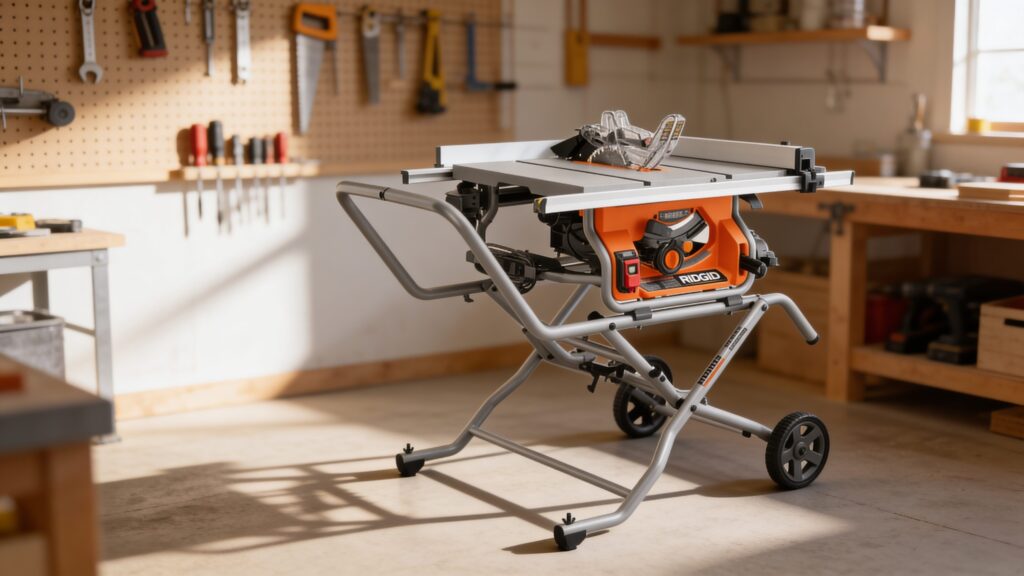
Table saws and miter saws are often grouped together because both use circular blades, yet they operate on fundamentally different cutting systems. The distinction lies in how material and blade interact: one centers on guiding stock across a fixed blade, while the other brings a moving blade down onto stationary material. This difference in motion, support, and control creates confusion when identifying their roles within a workshop environment.
This explainer breaks down the mechanical structure, cutting orientation, and material handling of each tool. It outlines how blade position, fence systems, and movement paths define their function. By the end, the reader will understand the core design principles that separate these saw types and how each system is built to perform specific categories of cuts within woodworking workflows.