When Body Treatments Make Sense in a Beauty Routine

A topical body treatment makes sense when it has a job you care about and fits the routine you already have. Consider the change you’d actually welcome, how your skin is doing now and what using the product would ask of you. If the effort outweighs the appeal, leave the step out.

By: Review Streets Research Lab
Updated: November 24, 2026
Explainer · 11–13 min read
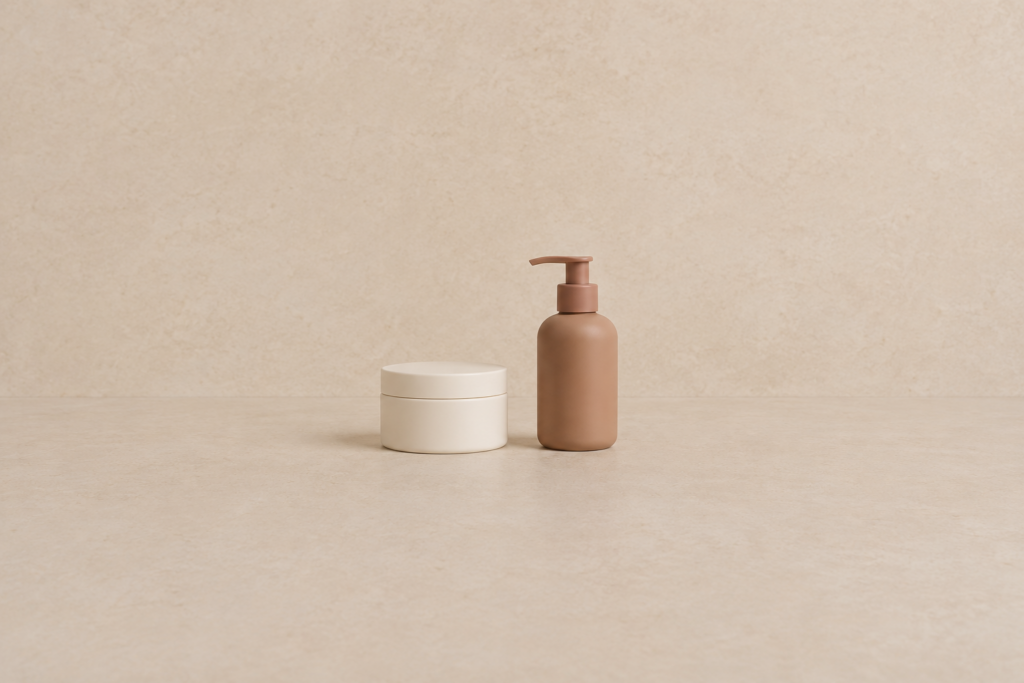
An unmarked cream jar and clay-colored pump bottle on a pale stone counter.
Routine fit

What you’ll learn

Adding a product and finding a place for it are two different decisions. This explainer starts with the job you want done and follows it into an ordinary week.

  • Set an appearance goal you could describe in a sentence.
  • Read a promise about appearance at the scale it’s made.
  • See where an alpha hydroxy acid (AHA) sun warning enters the decision.
  • Understand why the condition of the area matters for exfoliation.
  • Recognize when a step you already have could cover the job.
  • Translate a label into the commitment you’d have to make.
  • Decide what would make the change worth keeping up.

Tip: Describe what bothers you in your own words before borrowing the words on the bottle.

Vocabulary

What the terms mean here

Some of these words describe what you can see. Others tell you what kind of step a product would be.

Topical cosmetic body treatment

A cosmetic product you apply to body skin for a specific change in appearance.

  • Amount of skin: The job you have in mind could be as local as the look of one patch of skin.
  • One possible aim: A cosmetic claim can concern how the skin looks.
  • U.S. boundary: The U.S. Food and Drug Administration (FDA) says claims about treating disease or changing the body’s structure or function can bring a product under drug rules.

Exfoliation

Removing dead cells from the skin surface.

  • Physical exfoliation: A scrub uses friction to lift away those cells.
  • Chemical exfoliation: A chemical exfoliant uses ingredients to help remove those cells from the surface.
  • Place in a routine: The American Academy of Dermatology (AAD) treats at-home exfoliation as optional.

Stretch mark

A scar that can form when skin stretches or shrinks quickly.

  • Shape: It can look like a narrow band.
  • Visibility: Its color can fade with time.
  • Persistence: The scar itself remains.

Cellulite

Visible dimpling of the skin.

  • What you see: The AAD illustrates it with dimples on a thigh.
  • What it describes: The term describes the dimpled look. The AAD distinguishes it from body fat itself.
  • A cosmetic goal: Someone who wants a cosmetic change might simply want the dips to be less visible.

Firming claim

Here, wording about skin looking firmer.

  • Target: One cream’s wording is specific to skin that looks thin and crepey, or finely crinkled.
  • Scope of the wording: The wording describes a visible effect and leaves open how it would be achieved.
  • Why it matters: A stated aim helps you decide whether the product is even relevant to what you want.

Rinse-off product

A product whose directions say to wash it away.

  • Where to tell: CeraVe’s SA Body Wash is one example.
  • Time in the routine: If you already use a body wash, that time is spoken for. A different wash could take its place.
  • Possible second job: A rinse-off wash can also be marketed for exfoliation.

Tip: Keep two ideas apart as you read. The appearance goal tells you why you might want a product. The directions help you picture where it would go in your day.

The goal

Name the change you want

Interest in a body treatment is easier to act on once you can name the feature you’d like to look different and where it is. That gives the extra step a job you can describe before you buy anything.

  • Start with an area and an ordinary description, such as wanting the skin on your shins to look a little less rough.
  • Removing dead cells from the surface is one reason to consider exfoliation for rough-looking texture. Whether you’d notice a difference on your shins is a separate question.
  • The AAD says some creams and lotions may make cellulite less noticeable.
  • Wanting skin to look firmer is one aim. Wanting a stretch mark to draw less attention is another.
  • If there’s nothing you’d particularly like to change, you already have a reason to pass on an extra cosmetic step.

A modest goal can still be a good reason. It just has to be a difference you would actually care to see.

The calendar

Give the warning a place on your calendar

A label warning can affect your plans well beyond the time it takes to apply a product. Look at what you already have coming up before you decide whether to start.

  • The FDA says certain topical AHA cosmetics may increase sun sensitivity and the chance of sunburn.
  • The FDA’s recommended alert calls for sunscreen, protective clothing and less sun exposure. A lunch hour on an outdoor terrace feels like a routine detail until it’s the same patch of skin you’d have to think about covering.
  • If your upcoming plans leave little room to follow the warning, waiting before you start is a practical option. The goal can wait with the product.

It’s possible to want the very same change next week and reach a different answer about adding the step.

The area

Account for the skin that’s there today

Look at the area you’re thinking about treating as it is now. The appeal of smoother-looking skin says little about whether exfoliating that spot is a good idea today.

  • The AAD advises skipping exfoliation over sunburn, open cuts or wounds.
  • If a retinol product already leaves that area sensitive or prone to peeling, the AAD cautions that adding exfoliation there can worsen dryness or lead to breakouts.
  • The AAD also notes that a scrub can be too irritating for some people with dry or sensitive skin.

A spot can still be the one you’d like to look smoother even when you decide to leave it alone today.

The existing routine

See whether a step already has the job

Picture what you already reach for after turning on the shower or stepping out of it. A product can fit into one of those moments, or it can ask you to make another one.

  • CeraVe’s U.S. SA Body Wash for Rough & Bumpy Skin is a rinse-off wash the company markets for both cleansing and exfoliating rough-looking skin.
  • Palmer’s positions its U.S. Cocoa Butter Formula Massage Lotion as a replacement for regular moisturizer and markets it for the appearance of stretch marks.
  • If you like the wash you use now, ask whether the new one could do the washing you want done as well as take on your texture goal. If you’d reach for the old wash anyway, count the treatment as an extra step.

A swap is one thing to picture. A new task is another. Ask which one you would actually be taking on.

The value over time

Weigh what you get against what it takes

Once a product is in your routine, you can weigh it as something you live with. The question is whether the difference you notice is worth what it takes to keep the step in your day.

  • For instance, Amlactin’s U.S. directions for Crepe Firming Cream specify one or two applications per day, or use as a physician directs. That’s a commitment you can picture alongside the other things you already do on a workday.
  • For example, you might like the feel of putting on a cream. That’s a benefit you can value on its own. It answers a different question from whether the look of your skin has changed.
  • If the step still feels like a chore and you’re struggling to name what you get out of it, leaving it out is a decision you can make on those terms.

You can decide whether an optional cosmetic is worth your time without settling what caused every change you see in the mirror.

Routine decisions

Two reasons to leave the bottle out

In these hypothetical examples, one reader’s plans get in the way. The other reader realizes the advertised goal was never theirs.

Hypothetical example 1. A week spent outside

Imagine Maya has a week of outdoor sports camp coming up and wants the skin on her lower legs to look smoother. The cream she’s considering is Amlactin Crepe Firming Cream, which carries an AHA sunburn alert.

Maya plans to wear shorts and spend her breaks by the field. She could rethink those plans, but she’d rather keep them. She leaves the cream out that week because starting now would ask more of her than she wants to take on.

Hypothetical example 2. A goal that came from the label

Imagine Sam rarely thinks about the stretch marks on their hips. They come across Palmer’s Cocoa Butter Formula Massage Lotion, which the company markets for the appearance of stretch marks. It makes Sam wonder whether that’s something they ought to be doing.

Sam thinks about how much a visible change would matter and realizes the answer is very little. They keep doing what they already do. In their case, the decision is about what they want from the routine in the first place.

Claims and expectations

Five assumptions to question

A few conclusions can sound like natural next steps from familiar words on a bottle. Here’s where those conclusions go beyond what the wording or evidence supports.

Does firming cream tighten what’s underneath the skin?

Amlactin describes its Crepe Firming Cream in terms of how crepey skin looks. An appearance claim like that leaves any change to the underlying structures unestablished.

Can a stretch-mark cream erase the scar?

The AAD says stretch marks can become less visible. The scar itself is permanent, so erasure is outside that expectation.

If I’m happy with my moisturizer, is a cocoa butter prevention study a reason to switch for a mark I already have?

A 2008 randomized, double-blind trial in Lebanon compared a specific cocoa butter lotion with a placebo lotion in pregnant participants who hadn’t previously given birth. It looked for new marks after delivery, so it leaves open whether the lotion would change a mark you already have. Before you replace a moisturizer you like, ask what visible change would make the swap worthwhile.

Is a hypoallergenic label enough reason to add a body treatment?

The FDA says a cosmetic labeled hypoallergenic can still cause an allergic reaction. Ask what appearance goal you’d give the product before you let that claim sway you.

Does redness after exfoliating mean it worked?

The AAD lists redness and irritation as possible effects of over-exfoliating. Redness by itself gives you no evidence of the cosmetic change you wanted.

Tip: When a promise sounds bigger than the change you’d actually want, bring the decision back to that smaller goal.

Follow-up questions

Questions that can change the decision

Sometimes the whole decision turns on a detail, such as when you plan to be outdoors or what’s on the bottle you already have.

Is an older stretch mark a good reason to add a cream?

The AAD says creams, lotions and gels seem to have little effect on mature stretch marks. If the only change you’d value is a big one, that’s a reason to keep the routine simple.

If a stretch mark is already fading, is that a reason to add a lotion?

The AAD says stretch marks can fade over time. If the change you’re already seeing is enough for you, leaving your routine as it is makes sense.

Does an AHA sun warning matter after I stop using the product?

It can. The FDA says certain topical AHA cosmetics may raise sun sensitivity during use and for up to a week afterward. Stopping just before an outdoor event can still leave the alert relevant.

Is a small-area test worth doing if I’m still unsure I want the treatment?

The AAD says a small-area trial can help flag a possible skin reaction before wider use. If you’re still deciding whether you care about the advertised change, settle that first.

What if I get an unexpected rash or burning from a cosmetic?

The FDA advises stopping use and contacting a healthcare provider after an unexpected reaction. Put the decision about keeping the step aside while you deal with what happened to your skin.

What about stretch-mark products during pregnancy or breastfeeding?

The AAD advises speaking with a doctor before treating stretch marks while pregnant or breastfeeding.

What if an online ingredient list and the bottle disagree?

CeraVe’s U.S. site says its ingredient lists are updated and points readers to the product package for the current list. For that wash, the label in your hand is the relevant reference.

What if a treatment for one spot would crowd out a step I already like?

The FDA advises following the label’s directions and warnings. Picture fitting the treatment in on a busy day while following those instructions. If it would take time from a step you’d rather keep, that’s a reason to leave it out.

Tip: The detail that decides the question may be in the directions or warnings, even if the promise on the front is what caught your eye.

Bottom line

A body treatment earns its place by doing a job you want done. Be specific enough that you can picture the difference, then decide whether that difference would be enough to make a new commitment worthwhile.

Think about the next time you’d reach for the bottle. If you can say what makes that moment worth it, you have a reason to keep the step. If all you can picture is another thing to remember, leaving it out can be the better fit.

Related reading

Explore the Body Treatments archives

If you’ve decided there’s a role to fill, choose the kind of reading that fits your next question.