
Strong Fit
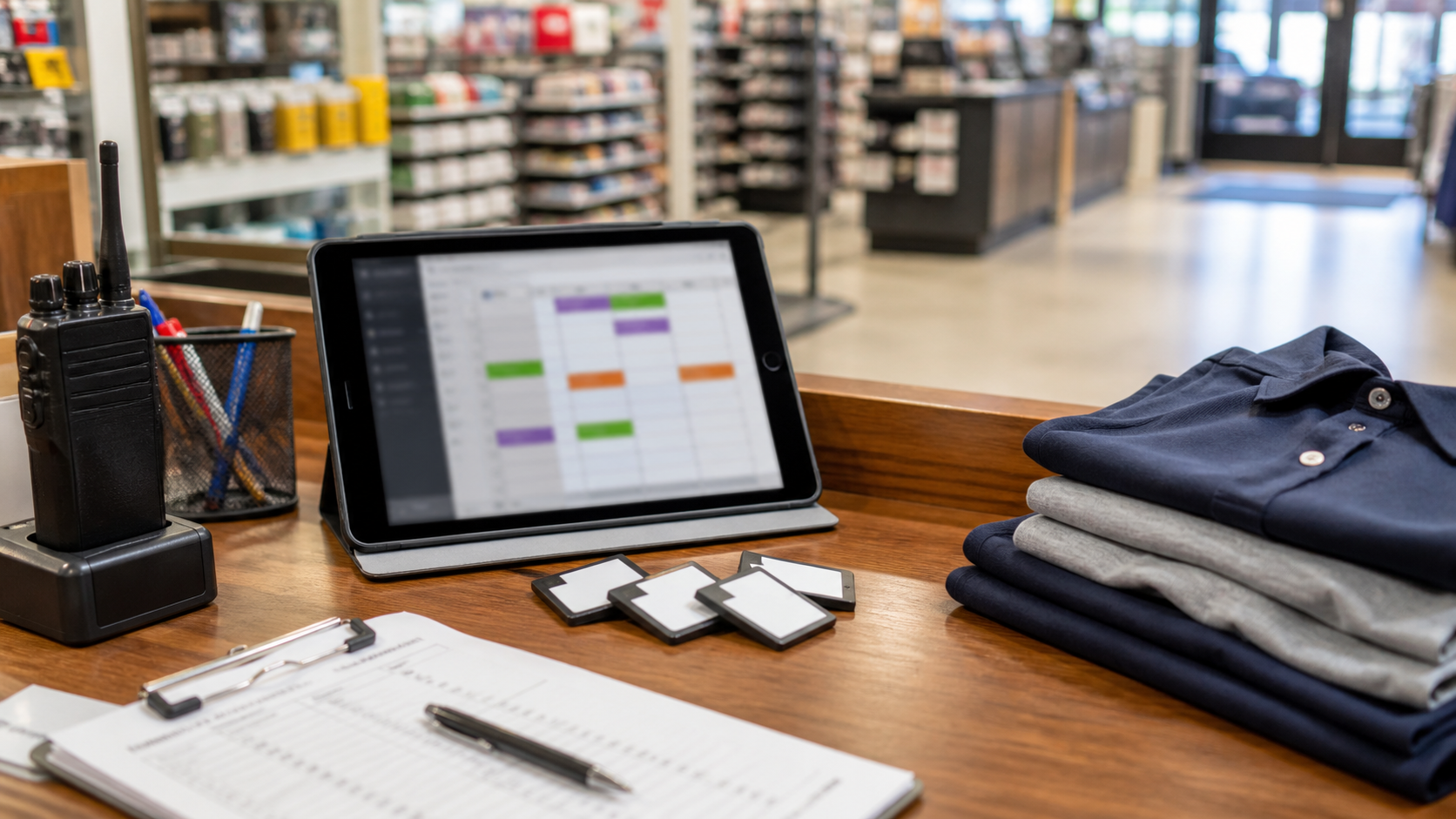
When I Work makes sense for Restaurants, retail, healthcare, hospitality, gyms, events, and other shift-based teams because scheduling focus; mobile shift communication; time clock/attendance; hourly team fit.
This When I Work Review: Performance, Pros, and Cons examines how When I Work compares for real-world employee time tracking software use, including strengths, limitations, setup expectations, value, and buyer tradeoffs. It focuses on practical differences and decision context rather than treating the product as a one-size-fits-all recommendation.
Quick Summary
When I Work is a practical employee time tracking software option with a clear buyer fit. It stands out for scheduling focus mobile shift communication time clock attendance hourly, but buyers should weigh current pricing should be confirmed payroll HR depth needs. Shortlist it when real-world use, setup effort, budget, and support expectations line up.
Pros & Cons
These points focus on product-specific buying tradeoffs, not review-method language.
Review Snapshot
These details affect price, setup, daily use, support expectations, and shortlist fit.
| Detail | When I Work |
|---|---|
| Product | When I Work |
| Company | When I Work |
| Category | Employee Time Tracking Software |
| Product type | Employee Time Tracking Software |
| Primary use | Restaurants, retail, healthcare, hospitality, gyms, events, and other shift-based teams |
| Pricing | Current pricing should be confirmed before purchase. Buyers should verify plan names, per-user or location pricing, scheduling/time clock packaging, team messaging, payroll/integration options, and free trial terms |
| Plans / models | Relevant tiers likely include scheduling, time clock/attendance, messaging, labor controls, integrations, multi-location, and advanced support/admin features |
| Key strength | Scheduling focus; mobile shift communication; time clock/attendance; hourly team fit |
| Main limitation | Current pricing should be confirmed; payroll/HR depth needs checking; not project time tracking |
| Support | Support level should be verified by plan |
| Review score | 8.4 / 10 |
Performance
This is a research-based review using product documentation, pricing notes, support information, and competitive context; no hands-on benchmark testing was supplied.
When I Work performs best where scheduling focus; mobile shift communication; time clock/attendance; hourly team fit. The buyer benefit is clearest when this directly supports the main employee time tracking software job; the tradeoff is current pricing should be confirmed; payroll/HR depth needs checking; not project time tracking.
Current pricing should be confirmed before purchase. Buyers should verify plan names, per-user or location pricing, scheduling/time clock packaging, team messaging, payroll/integration options, and free trial terms This makes value strongest for restaurants, retail, healthcare, hospitality, gyms, events, and other shift-based teams, while buyers should compare total cost, add-ons, renewal or contract terms, and support expectations.
Setup includes locations, positions, employees, availability, schedule templates, shift rules, time clock settings, messaging, and integrations The main setup risk is assuming purchase is the same as correct configuration; buyers should confirm data, integrations, permissions, and handoffs before launch.
Managers build and publish schedules; employees receive notifications, swap shifts, clock in/out, and communicate changes In practice, When I Work is more useful when routine tasks stay inside the documented workflow without extra manual reconciliation.
Reporting should focus on attendance, labor hours, shift coverage, overtime, late clock-ins, and manager approvals Employee data, location/time clock settings, labor rules, and retention should be verified Buyers with stricter oversight, compliance, or integration needs should verify those details before committing.
Competes with Homebase, Deputy, 7shifts, Sling, QuickBooks Time, and scheduling modules inside POS/payroll systems Choose an alternative when that competitor solves the main limitation more directly.
Score note: Score high for scheduling and shift communication; lower for HR/payroll breadth until verified
Product Experience
Managers build and publish schedules; employees receive notifications, swap shifts, clock in/out, and communicate changes
Buyer implication: Integrations should be verified; likely includes payroll, POS, HR, and workforce systems
Setup & Onboarding
The setup question is whether the buyer can configure the product correctly, not just whether sign-up is simple.
Real-World Use
When I Work makes sense for Restaurants, retail, healthcare, hospitality, gyms, events, and other shift-based teams because scheduling focus; mobile shift communication; time clock/attendance; hourly team fit.
Choose another option if project-based remote teams or companies needing employee monitoring/productivity analytics. The main risk is current pricing should be confirmed; payroll/HR depth needs checking; not project time tracking.
Value
Strong value for: When I Work value is strongest when schedule coverage and mobile communication are the main problems
Weak value for: Project-based remote teams or companies needing employee monitoring/productivity analytics
When I Work value is strongest when schedule coverage and mobile communication are the main problems
FAQ
Short answers to practical buyer questions about fit, cost, setup, limitations, and alternatives.
When I Work is best for hourly teams that need easier schedule coverage, shift changes, and mobile staff communication
Scheduling focus; mobile shift communication; time clock/attendance; hourly team fit
Current pricing should be confirmed; payroll/HR depth needs checking; not project time tracking
Current pricing should be confirmed before purchase. Buyers should verify plan names, per-user or location pricing, scheduling/time clock packaging, team messaging, payroll/integration options, and free trial terms
Setup includes locations, positions, employees, availability, schedule templates, shift rules, time clock settings, messaging, and integrations
Managers build and publish schedules; employees receive notifications, swap shifts, clock in/out, and communicate changes
Project-based remote teams or companies needing employee monitoring/productivity analytics
Score high for scheduling and shift communication; lower for HR/payroll breadth until verified
Alternatives
Choose an alternative when it solves When I Work's main limitation more directly, offers clearer value, or better matches the buyer's operating model.
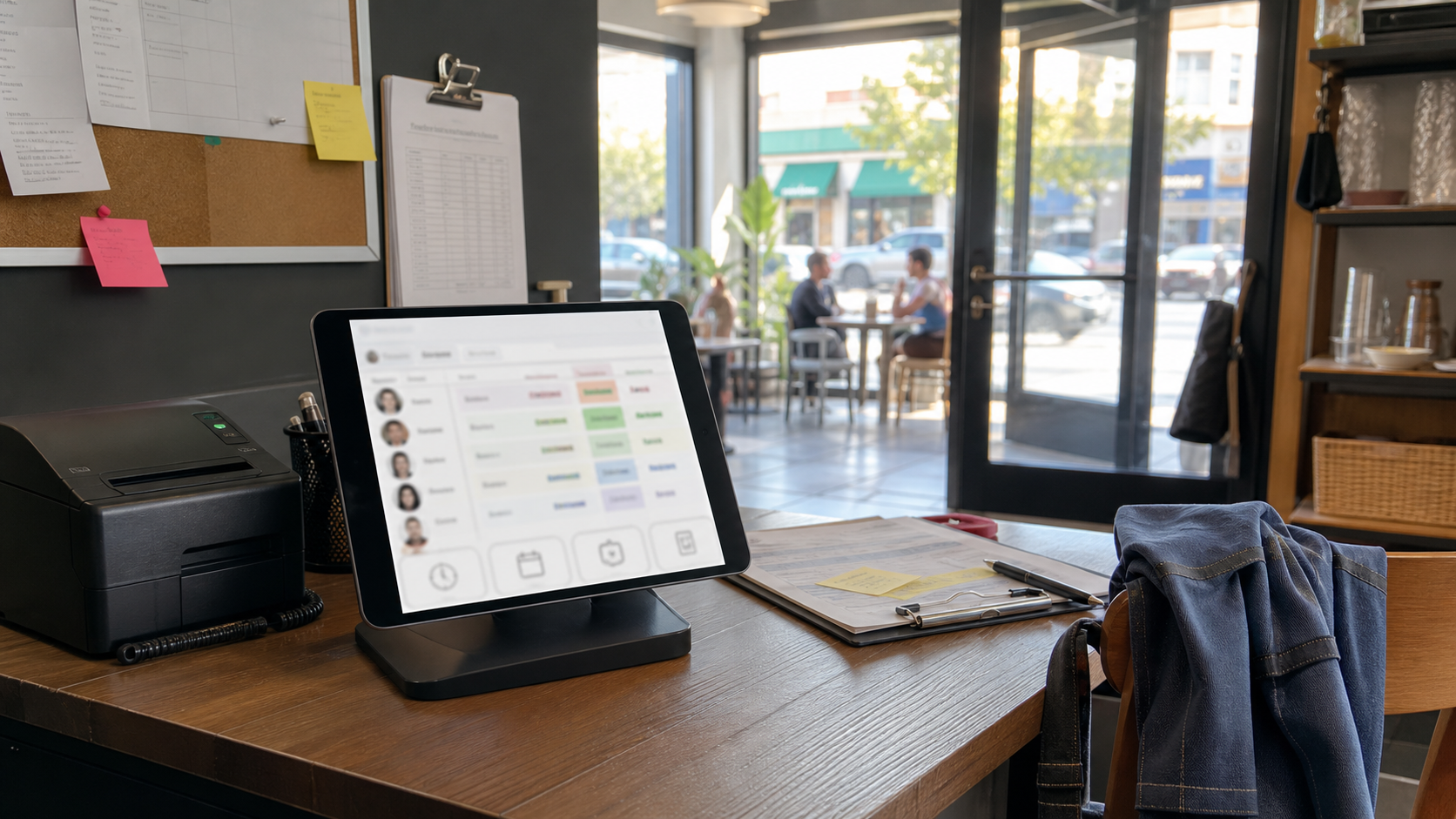
Choose Homebase instead if its pricing, support, feature depth, or workflow fit better addresses the tradeoff that makes When I Work less ideal.
Choose Hubstaff instead if its pricing, support, feature depth, or workflow fit better addresses the tradeoff that makes When I Work less ideal.

Choose TimeCamp instead if its pricing, support, feature depth, or workflow fit better addresses the tradeoff that makes When I Work less ideal.
Sources
The review uses product documentation, pricing context where available, support resources, and competitive research.
Where to Buy
Pricing note: Current pricing should be confirmed before purchase. Buyers should verify plan names, per-user or location pricing, scheduling/time clock packaging, team messaging, payroll/integration options, and free trial terms
Best fit: Restaurants, retail, healthcare, hospitality, gyms, events, and other shift-based teams
Check Current PriceReview Snapshot
Best for: Restaurants, retail, healthcare, hospitality, gyms, events, and other shift-based teams
Top 10 List
Compare the strongest time tracking options before deciding whether When I Work fits your team.
View the Top 10Compare Tools
See how When I Work stacks up for employee scheduling with time clock accountability, approvals, reporting, integrations, and team rollout.
View ComparisonsTip: Confirm the plan, setup data, integrations, and support path before rollout.
Choose a retailer
Prices checked regularly. We may earn a commission at no cost to you.