
When to Use Breathing Trainers Instead of Relaxation Devices

Breathing trainers are most useful when the task is specific: learning or monitoring a breathing pattern through resistance, pacing, volume targets, or feedback. Relaxation devices have a wider purpose and may use sound, light, warmth, vibration, or guided content without directly training respiratory mechanics.

The categories overlap when slow breathing is used for relaxation, yet they should not be treated as interchangeable. The better choice depends on whether the user needs a defined breathing exercise, a general calming environment, or medical assessment for unexplained breathlessness.

By: Review Streets Research Lab
Updated: August 20, 2026
Explainer · 8-12 min read
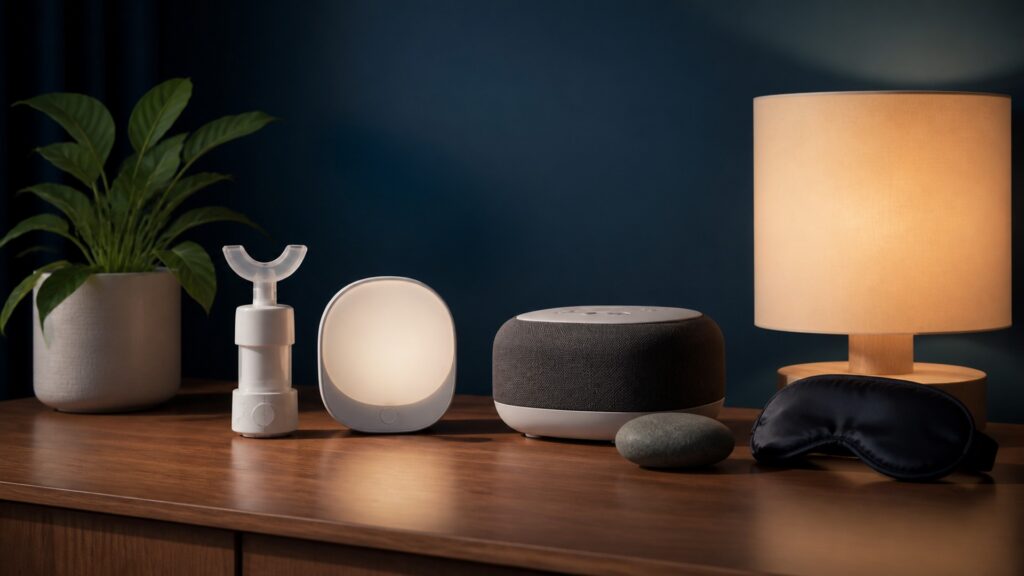
People-free editorial still life illustrating breathing trainers instead of relaxation devices
What You'll Learn

Choose between respiratory practice and general relaxation

Compare the intended input, user effort, feedback, safety limits, and everyday setting before deciding which category fits the immediate goal.

  • Define the exact breathing skill
  • Separate active training from passive sensory support
  • Check resistance and pacing demands
  • Recognize symptoms that need evaluation
  • Plan short repeatable sessions
  • Avoid unsupported respiratory claims

Tip: Read the concept as part of a system, then connect it back to the use case.

Definitions

Six Concepts That Shape This Decision

These definitions connect the main idea to the variables, limits, and practical signals readers need to compare options.

Breathing trainer

A device or program that gives resistance, pacing, volume guidance, or feedback during a deliberate breathing exercise.

  • Its direct job is to shape how the user performs a respiratory task rather than simply create a calming atmosphere.
  • Confirm the intended exercise, required effort, session length, and instructions before use.
  • The term covers different mechanisms that should not be assumed equivalent.

Relaxation device

A product that changes sensory conditions or structures a calming routine through audio, light, heat, vibration, pressure, or guided content.

  • It may reduce distraction or support a wind-down ritual without measuring or loading the respiratory system.
  • Match sensory intensity, timing, and physical placement to the setting and user.
  • Relaxation support does not establish treatment for breathing disease or anxiety.

Inspiratory resistance

A controlled load that makes inhalation require more effort than unassisted breathing.

  • Some trainers use this load to exercise inspiratory muscles under a defined protocol.
  • Resistance should be selected conservatively and adjusted according to instructions and tolerance.
  • More resistance is not automatically more effective and can be inappropriate for some users.

Paced breathing

Breathing timed to a visual, audible, or tactile rhythm, often with a specified inhale-to-exhale pattern.

  • A pace can make a practice repeatable and may help the user notice rushed or irregular breathing.
  • Choose a comfortable rhythm that does not provoke air hunger or lightheadedness.
  • A pacing animation does not measure whether ventilation or gas exchange is adequate.

Respiratory feedback

Information about timing, flow, volume, pressure, or adherence returned during or after an exercise.

  • Feedback can help the learner compare attempts and understand whether technique matches the protocol.
  • Review what is actually sensed and how the result is calculated.
  • A consumer feedback score cannot diagnose lung function or replace clinical testing.

Air hunger

An uncomfortable sense that breathing is insufficient or requires unusual effort.

  • It can occur during an overly demanding exercise but may also signal a condition that should not be self-trained away.
  • Stop the session, recover safely, and seek appropriate help when symptoms are severe, new, or persistent.
  • A relaxation device should never be used to delay urgent evaluation.

Tip: Keep the definitions connected; the strongest answer usually comes from the whole system, not one term.

Decision

Name the direct job before choosing

Use a breathing trainer when a clearly defined exercise is the objective and the user can follow its technique safely. Choose a relaxation device when the goal is to shape the surrounding sensory environment or create a wind-down cue. If the primary problem is unexplained breathing difficulty, neither category is the correct first step.

  • Specify training or relaxation
  • Identify who supplied the protocol
  • Consider the consequence of failure
  • Keep medical symptoms separate

The product should match the task rather than borrow credibility from an adjacent category.

User Effort

Distinguish active work from passive support

Resistance trainers require deliberate respiratory effort, while pacing tools require sustained attention to a rhythm. Many relaxation devices work passively after setup. Fatigue, coordination, age, and comprehension therefore affect category fit, especially when the device is used without direct supervision.

  • Estimate required effort
  • Check whether hands-free use matters
  • Avoid practice during hazardous activities
  • Include rest and recovery

A calming appearance does not mean a breathing exercise is effortless.

Feedback

Understand what the device can observe

A trainer may register pressure, flow, timing, or completed repetitions. A relaxation device may report session time or user-selected mood but often measures no respiratory variable. Buyers should distinguish measured feedback from decorative animations, streaks, and generic progress scores.

  • Name the sensor
  • Check measurement units
  • Look for artifact explanations
  • Ignore unexplained composite scores

Useful feedback describes a defined performance variable and its uncertainty.

Safety

Keep respiratory warning signs outside self-experimentation

Breathing exercises can cause dizziness, tingling, coughing, chest discomfort, or air hunger when the pace or load is unsuitable. A relaxation product can also create hazards through excessive heat, sound, vibration, or distraction. Stop rules should be established before either session begins.

  • Use conservative settings
  • Practice seated when appropriate
  • Stop after concerning symptoms
  • Keep emergency care thresholds clear

No consumer routine should normalize worsening breathlessness or chest symptoms.

Routine

Select the least burdensome effective format

A trainer needs cleaning, repeatable setup, and enough concentration to preserve technique. A relaxation device may fit more naturally into bedtime or break routines, but passive use can become background clutter. Review whether the chosen tool changes the intended behavior after several weeks.

  • Schedule brief defined sessions
  • Clean mouth-contact parts
  • Track practical outcomes
  • Retire tools that add no value

Continued use should be earned by observable usefulness, not a purchase streak.

Quick Reality Check

The categories overlap without becoming substitutes

Slow breathing may be relaxing, and relaxation tools may include breath cues. The decisive distinction is whether the product directly trains a respiratory task or changes the wider sensory setting.

What can be compared

Setup, effort, feedback, comfort, and adherence can be compared during a defined low-risk routine.

A user can observe whether the product makes a selected exercise or relaxation habit easier to repeat.

What remains unresolved

Consumer use cannot establish why breathlessness, panic-like symptoms, poor sleep, or fatigue is occurring.

Neither category guarantees improved lung function, reduced anxiety, or a durable change outside the practiced setting.

Common Myths

Misconceptions That Distort the Decision

Common shortcuts and misunderstandings can make the topic seem simpler than it is.

Myth: every slow-breathing app is a breathing trainer

A pacing display can structure timing, but many apps do not measure flow, pressure, volume, or technique. They may support a breathing routine without providing the loading or respiratory feedback associated with dedicated trainers.

Myth: stronger resistance produces faster improvement

Excessive load can disrupt technique, increase fatigue, and make adherence less likely. Resistance should follow the device instructions and any applicable professional guidance, with progression based on tolerability rather than the highest available setting.

Myth: relaxation devices are risk-free because they are passive

Heat, sound, vibration, electrical condition, entanglement, and distraction can still matter. Passive products also create false reassurance when a person uses them to avoid investigating persistent breathlessness, panic symptoms, or sleep problems.

Myth: dizziness proves the breathing exercise is working

Lightheadedness can reflect an unsuitable pace, excessive ventilation, effort, or another problem. Stop the exercise and recover safely; recurring or severe symptoms should prompt qualified evaluation instead of being treated as a training milestone.

Tip: Treat strong claims as starting points for comparison, not final answers.

FAQ

Questions to Ask Before Choosing

Concise answers to common questions readers may have after the main explanation.

When is a breathing trainer the clearer choice?

Choose it when the intended outcome is a defined respiratory skill, the device's mechanism matches that skill, and the user can follow the technique and stop rules. General relaxation alone does not require respiratory loading.

Can someone use both categories in one routine?

Yes, when each serves a separate role—for example, a brief prescribed breathing exercise followed later by low-volume audio at bedtime. Avoid stacking products when the combined routine causes fatigue, distraction, or confusion.

How should mouth-contact equipment be maintained?

Follow the manufacturer's cleaning, drying, inspection, and replacement instructions. Do not share mouthpieces unless the product is designed and processed for shared use, and stop using cracked, contaminated, or difficult-to-clean components.

What symptoms should not be handled with a relaxation product?

New or severe breathing difficulty, blue or gray coloration, chest pain, fainting, confusion, or rapidly worsening symptoms require urgent attention. A sound machine, vibration pad, or breathing animation must not delay emergency action.

Bottom Line

Use a breathing trainer for a defined respiratory exercise and a relaxation device for broader sensory or routine support. The overlap around slow breathing does not erase differences in effort, feedback, maintenance, and safety.

If the user cannot name the exercise, the measured variable, or the reason for the chosen load, a respiratory trainer may add unnecessary complexity. Persistent symptoms belong in qualified assessment, not repeated consumer experimentation.

Next Steps

Go Deeper or Compare Your Options

Use these Review Streets paths to connect the explainer to related categories, comparisons, and next decisions.

Why Stress Management Matters

Compare stress Management Matters with the principles in this breathing Trainers Instead of Relaxation Devices explainer before choosing a practical next step.

Why Mental Recovery Matters

Use the mental Recovery Matters guide to examine a closely related decision that follows naturally from breathing Trainers Instead of Relaxation Devices.

Why Emotional Wellness Matters

Continue into emotional Wellness Matters for the neighboring mechanism, limitation, or use case most relevant to breathing Trainers Instead of Relaxation Devices.