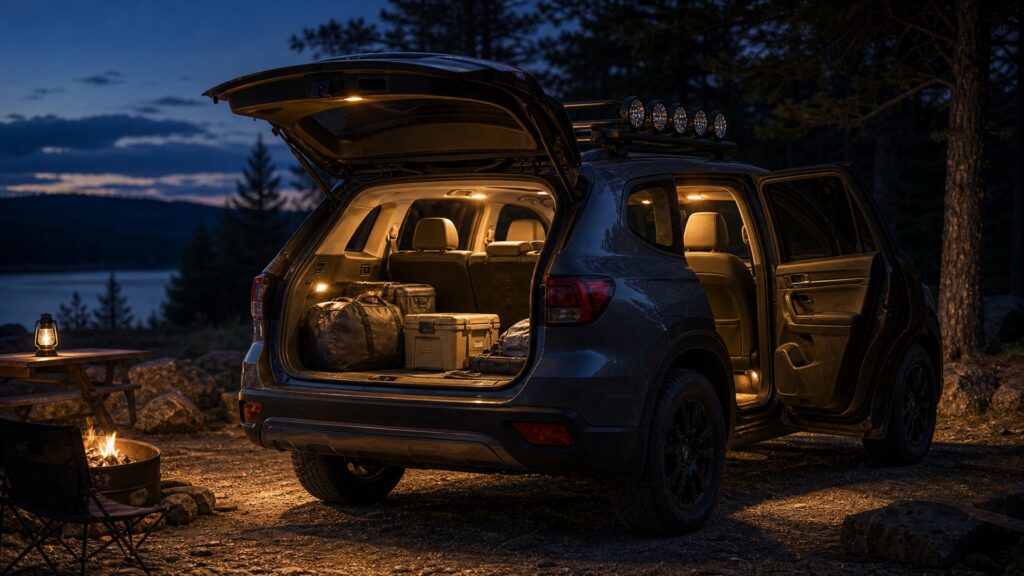
Dome Light
Within “When to Use Interior Lighting Instead of Auxiliary Lighting,” dome light provides the first hardware or operating input used for making cabin, cargo, control, and entry areas usable in the dark without distracting the driver; it is checkpoint 1 for evaluating the decision to choose it over Auxiliary Lighting; when the evidence is checked against the limit that too much brightness, poor placement, or harsh color can distract the driver or create reflections This boundary is especially relevant to dome light during entry.
- Role: Connect dome light to making cabin, cargo, control, and entry areas usable in the dark without distracting the driver in the specific context of when to use interior lighting instead of auxiliary lighting, while distinguishing that role from adding task-specific light for work, trails, towing, recovery, or low-speed visibility beyond factory lamps; under the practical condition of how map light sets a design variable that changes how making cabin, cargo, control, and entry areas usable in the dark without distracting the driver.
- Check: For this article's the decision to choose it over Auxiliary Lighting, inspect dome light while reproducing entry and compare the result with the manufacturer's instructions; with special attention to the field check to inspect map light while reproducing loading cargo and compare the result with the manufacturer's instructions.
- Limit: The conclusion in “When to Use Interior Lighting Instead of Auxiliary Lighting” must account for the fact that too much brightness, poor placement, or harsh color can distract the driver or create reflections This boundary is especially relevant to dome light during entry; as verified through the limit that too much brightness, poor placement, or harsh color can distract the driver or create reflections This boundary is especially relevant to map light during loading cargo.
Map Light
Within “When to Use Interior Lighting Instead of Auxiliary Lighting,” map light sets a design variable that changes how making cabin, cargo, control, and entry areas usable in the dark without distracting the driver; it is checkpoint 2 for evaluating the decision to choose it over Auxiliary Lighting; within the operating boundary created by how footwell light connects the product to the vehicle area or pathway involved in making cabin, cargo, control, and entry areas usable in the dark without distracting the driver.
- Role: Connect map light to making cabin, cargo, control, and entry areas usable in the dark without distracting the driver in the specific context of when to use interior lighting instead of auxiliary lighting, while distinguishing that role from adding task-specific light for work, trails, towing, recovery, or low-speed visibility beyond factory lamps; where the decisive evidence comes from the field check to inspect footwell light while reproducing finding controls and compare the result with the manufacturer's instructions.
- Check: For this article's the decision to choose it over Auxiliary Lighting, inspect map light while reproducing loading cargo and compare the result with the manufacturer's instructions; provided the setup accounts for the limit that too much brightness, poor placement, or harsh color can distract the driver or create reflections This boundary is especially relevant to footwell light during finding controls.
- Limit: The conclusion in “When to Use Interior Lighting Instead of Auxiliary Lighting” must account for the fact that too much brightness, poor placement, or harsh color can distract the driver or create reflections This boundary is especially relevant to map light during loading cargo; while the user also checks how cargo light protects, controls, seals, or transfers the process required for making cabin, cargo, control, and entry areas usable in the dark without distracting the driver.
Footwell Light
Within “When to Use Interior Lighting Instead of Auxiliary Lighting,” footwell light connects the product to the vehicle area or pathway involved in making cabin, cargo, control, and entry areas usable in the dark without distracting the driver; it is checkpoint 3 for evaluating the decision to choose it over Auxiliary Lighting; because the result still depends on the field check to inspect cargo light while reproducing passenger tasks and compare the result with the manufacturer's instructions.
- Role: Connect footwell light to making cabin, cargo, control, and entry areas usable in the dark without distracting the driver in the specific context of when to use interior lighting instead of auxiliary lighting, while distinguishing that role from adding task-specific light for work, trails, towing, recovery, or low-speed visibility beyond factory lamps; as the article tests the limit that too much brightness, poor placement, or harsh color can distract the driver or create reflections This boundary is especially relevant to cargo light during passenger tasks.
- Check: For this article's the decision to choose it over Auxiliary Lighting, inspect footwell light while reproducing finding controls and compare the result with the manufacturer's instructions; with the tradeoff measured against how door trigger marks the safety or usability boundary surrounding making cabin, cargo, control, and entry areas usable in the dark without distracting the driver.
- Limit: The conclusion in “When to Use Interior Lighting Instead of Auxiliary Lighting” must account for the fact that too much brightness, poor placement, or harsh color can distract the driver or create reflections This boundary is especially relevant to footwell light during finding controls; with the conclusion tied to the field check to inspect door trigger while reproducing battery draw and compare the result with the manufacturer's instructions.
Cargo Light
Within “When to Use Interior Lighting Instead of Auxiliary Lighting,” cargo light protects, controls, seals, or transfers the process required for making cabin, cargo, control, and entry areas usable in the dark without distracting the driver; it is checkpoint 4 for evaluating the decision to choose it over Auxiliary Lighting; when the evidence is checked against the limit that too much brightness, poor placement, or harsh color can distract the driver or create reflections This boundary is especially relevant to door trigger during battery draw.
- Role: Connect cargo light to making cabin, cargo, control, and entry areas usable in the dark without distracting the driver in the specific context of when to use interior lighting instead of auxiliary lighting, while distinguishing that role from adding task-specific light for work, trails, towing, recovery, or low-speed visibility beyond factory lamps; under the practical condition of how color temperature keeps the installation adjustable, inspectable, and serviceable while making cabin, cargo, control, and entry areas usable in the dark without distracting the driver.
- Check: For this article's the decision to choose it over Auxiliary Lighting, inspect cargo light while reproducing passenger tasks and compare the result with the manufacturer's instructions; with special attention to the field check to inspect color temperature while reproducing entry and compare the result with the manufacturer's instructions.
- Limit: The conclusion in “When to Use Interior Lighting Instead of Auxiliary Lighting” must account for the fact that too much brightness, poor placement, or harsh color can distract the driver or create reflections This boundary is especially relevant to cargo light during passenger tasks; as verified through the limit that too much brightness, poor placement, or harsh color can distract the driver or create reflections This boundary is especially relevant to color temperature during entry.
Door Trigger
Within “When to Use Interior Lighting Instead of Auxiliary Lighting,” door trigger marks the safety or usability boundary surrounding making cabin, cargo, control, and entry areas usable in the dark without distracting the driver; it is checkpoint 5 for evaluating the decision to choose it over Auxiliary Lighting; within the operating boundary created by the alternative's separate outcome of they can put extra light exactly where factory lamps do not reach.
- Role: Connect door trigger to making cabin, cargo, control, and entry areas usable in the dark without distracting the driver in the specific context of when to use interior lighting instead of auxiliary lighting, while distinguishing that role from adding task-specific light for work, trails, towing, recovery, or low-speed visibility beyond factory lamps; where the decisive evidence comes from the alternative mechanism of adding task-specific light for work, trails, towing, recovery, or low-speed visibility beyond factory lamps.
- Check: For this article's the decision to choose it over Auxiliary Lighting, inspect door trigger while reproducing battery draw and compare the result with the manufacturer's instructions; provided the setup accounts for the alternative boundary that poorly aimed or wired lights can create glare, legal issues, failures, or clutter This boundary is especially relevant to auxiliary lamp during trail driving.
- Limit: The conclusion in “When to Use Interior Lighting Instead of Auxiliary Lighting” must account for the fact that too much brightness, poor placement, or harsh color can distract the driver or create reflections This boundary is especially relevant to door trigger during battery draw; while the user also checks the decision to choose it over Auxiliary Lighting through making cabin, cargo, control, and entry areas usable in the dark without distracting the driver.
Color Temperature
Within “When to Use Interior Lighting Instead of Auxiliary Lighting,” color temperature keeps the installation adjustable, inspectable, and serviceable while making cabin, cargo, control, and entry areas usable in the dark without distracting the driver; it is checkpoint 6 for evaluating the decision to choose it over Auxiliary Lighting; because the result still depends on the intended outcome of it can make the cabin easier to use at night without changing exterior visibility.
- Role: Connect color temperature to making cabin, cargo, control, and entry areas usable in the dark without distracting the driver in the specific context of when to use interior lighting instead of auxiliary lighting, while distinguishing that role from adding task-specific light for work, trails, towing, recovery, or low-speed visibility beyond factory lamps; as the article tests the fitment requirement covering the exact vehicle configuration, dome light, map light, footwell light, cargo light, plus clearance and attachment conditions encountered during entry, loading cargo, finding controls.
- Check: For this article's the decision to choose it over Auxiliary Lighting, inspect color temperature while reproducing entry and compare the result with the manufacturer's instructions; with the tradeoff measured against the safety boundary covering rated hardware, secure installation, normal vehicle controls and visibility, and the documented boundary that too much brightness, poor placement, or harsh color can distract the driver or create reflections.
- Limit: The conclusion in “When to Use Interior Lighting Instead of Auxiliary Lighting” must account for the fact that too much brightness, poor placement, or harsh color can distract the driver or create reflections This boundary is especially relevant to color temperature during entry; with the conclusion tied to the upkeep routine to clean and inspect dome light, cargo light, and color temperature after entry, finding controls, or other demanding exposure.