When to Use Luxury Performance Cars Instead of Off-Road Vehicles

Choose a luxury performance car instead of an off-road vehicle when your necessary routes suit the car and you value its particular combination of road response, cabin comfort, and refinement more than specialized terrain access. Long paved journeys and frequent passenger travel can make that balance useful every week. The decision depends on the actual vehicles, because some off-road vehicles also provide substantial comfort and luxury.

First establish what the journey requires. A route with deep ruts or difficult obstacles may demand clearance and equipment the road-focused car does not have. A maintained road may not. Once access requirements are met, compare the comfort, space, controls, and ownership costs that matter most in ordinary use.

By: Review Streets Research Lab
Updated: October 5, 2026
Explainer · 8-12 min read
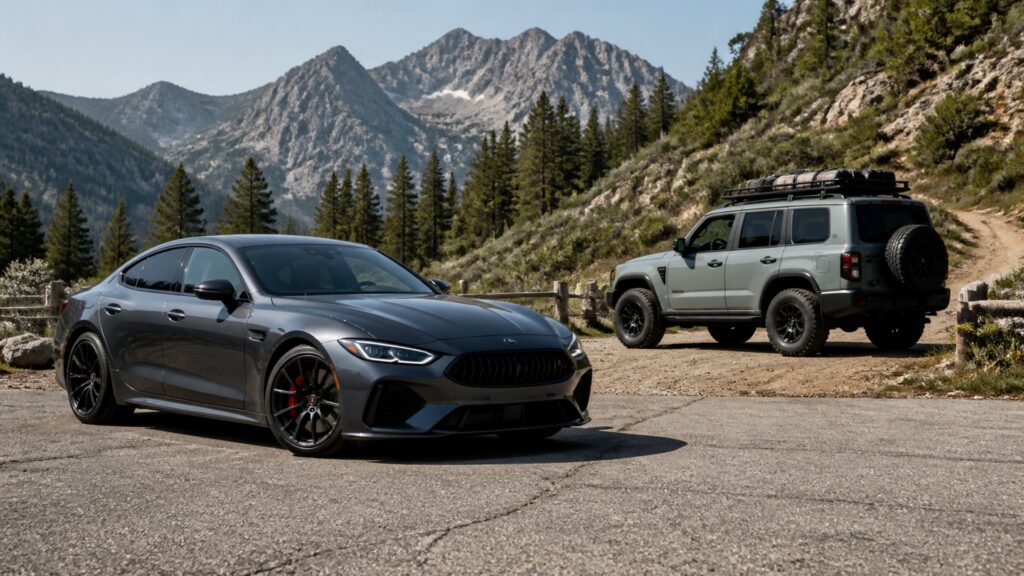
luxury performance cars explainer hero image for Review Streets
What You'll Learn

Choosing for Paved Journeys and Everyday Comfort

Separate essential terrain capability from the road experience you would prefer.

  • Establish the hardest necessary route requirement.
  • Evaluate refinement over representative journeys.
  • Check passengers, luggage, and access needs.
  • Avoid confusing all-wheel drive with complete terrain capability.
  • Weigh occasional exceptions against routine ownership.

Tip: A vehicle is a stronger choice when it meets the required route and improves the journeys you make most often.

Definitions

Six Criteria for the Road-Focused Choice

Each criterion connects equipment or preference to a real travel need.

Required access

The route conditions the vehicle must support to reach necessary destinations.

  • Example: the approach to home or a regular workplace
  • Check: check current conditions and vehicle limits
  • Limit: an optional trip can have different priority from a daily requirement

Refinement

The combined management of noise, vibration, and ride disturbance.

  • Example: a quiet, settled experience on a long paved journey
  • Check: evaluate the actual configuration
  • Limit: a premium badge does not establish personal comfort

Terrain capability

The supported ability to manage particular unpaved conditions through the complete vehicle design.

  • Example: clearance, tires, and drivetrain equipment serving a rough access track
  • Check: identify which capabilities are actually required
  • Limit: all-wheel drive alone is not a complete terrain specification

Accommodation

The usable seating, access, and luggage arrangements for occupants.

  • Example: regular passengers trying the seats and entry
  • Check: test recurring tasks directly
  • Limit: a taller body does not automatically provide the needed space

Seasonal suitability

The match between vehicle equipment and expected road-weather conditions.

  • Example: tires selected for the applicable temperature and surface
  • Check: follow vehicle and tire guidance
  • Limit: off-road styling does not establish winter-road performance

Use frequency

How often a capability or comfort benefit serves the ownership routine.

  • Example: daily highway travel compared with an annual optional excursion
  • Check: separate recurring needs from possible future interests
  • Limit: rare access can still be essential in some situations

Tip: Identify which requirements must be met, then decide which remaining preferences deserve the most weight.

Access first

Confirm That the Road Car Can Reach the Necessary Destinations

Clearance, overhangs, tire suitability, and supported use matter when routes become uneven. Do not decide from the words rural or unpaved alone. The National Park Service distinguishes routes suitable for ordinary vehicles from routes requiring high clearance and four-wheel drive. Conditions can also change. A luxury performance car is a viable choice only if the actual routes stay within its capabilities.

  • Check the necessary route, including its difficult sections.
  • Account for loaded clearance and access ramps.
  • Use current local information for unfamiliar roads.

A paved commute with a maintained gravel entrance presents a different requirement from regular travel over a deeply rutted access track.

Daily experience

Choose Refinement When It Improves Frequent Travel

A road-focused luxury performance car may provide the seat, cabin environment, and chassis response you prefer on regular journeys. Test that benefit rather than assuming it. Off-road vehicles vary in refinement, and luxury performance options can vary in ride and noise. Representative pavement and a realistic length of drive reveal more than a brief acceleration demonstration.

  • Compare seats, noise, and ride together.
  • Use the exact tire and suspension configuration.
  • Include the roads you encounter most often.

A quieter cabin and suitable seating can be valuable on repeated long trips. They are meaningful advantages when demonstrated by the actual car, not merely listed as category expectations.

Practical tasks

Let Passenger and Cargo Needs Shape the Comparison

Door access, seat height, usable luggage space, and parking dimensions can determine whether a preferred vehicle works day to day. Neither a low road car nor a taller terrain vehicle is automatically better for every user. Try the recurring tasks with the people who will use the vehicle, and check its load requirements. Practical suitability belongs beside driving preference in the decision.

  • Test all regularly used seats.
  • Check actual luggage and parking arrangements.
  • Include occupants and cargo in capacity planning.

One driver may prefer lower entry while another finds it difficult. A body style is not a universal answer to comfort or accessibility.

Overlapping features

Separate Luxury, All-Wheel Drive, and Terrain Equipment

These attributes describe different things. A luxury performance car can have all-wheel drive without the geometry or gearing for a demanding trail. A terrain-capable vehicle can also have a refined cabin. Lexus's Overtrail program illustrates that luxury and off-road capability can coexist. Compare the complete specification rather than treating the choice as comfort versus capability in every case.

  • Identify the purpose of each relevant feature.
  • Check geometry separately from drive layout.
  • Allow a suitably equipped luxury off-road vehicle into the comparison.

If demanding access is essential, a vehicle combining comfort and terrain equipment may fit better than either stereotype suggests. If it is unnecessary, road-focused priorities may deserve more weight.

Ownership pattern

Handle Occasional Exceptions Without Losing Sight of the Routine

An infrequent optional terrain trip may be handled by a suitable rental, organized trip, or different destination, subject to the relevant terms. A necessary recurring rough route is different. Compare actual purchase, insurance, energy, tire, and service requirements for the candidates. A luxury performance car is a stronger choice when its routine benefits justify its costs and the capabilities given up are not essential.

  • Use actual ownership figures for the exact vehicles.
  • Distinguish required journeys from optional recreation.
  • Plan appropriate alternatives for exceptional travel.

A weekly long-distance road journey may justify prioritizing refinement, while daily rough access may make terrain hardware decisive despite a preference for the road car.

Quick Reality Check

Let the Required Journey Decide First

Preference becomes useful once essential access and practical needs are satisfied.

Choose luxury road performance when

Necessary routes fit the car and its refinement improves regular travel.

Its passenger arrangements and ownership costs meet your needs.

Retain terrain capability when

Required routes exceed the road car's supported use.

Appropriate alternatives cannot cover that recurring access need.

Common Myths

Misconceptions About Choosing Road Refinement

The actual route and equipment matter more than category assumptions.

Every unpaved road requires a dedicated off-road vehicle

Some maintained routes suit ordinary vehicles; assess the specific conditions.

All-wheel drive makes a road car trail-ready

Clearance, tires, protection, and operating limits still matter.

Off-road vehicles cannot be luxurious

Some designs deliberately combine terrain equipment and cabin refinement.

The most capable vehicle is always the best purchase

Capabilities have different value depending on the journeys and tasks they serve.

Tip: Choose for demonstrated benefits and necessary capabilities, not an imagined universal winner.

FAQ

Questions About Luxury Performance Versus Off-Road Use

A clear decision begins with the route and ends with the ownership routine.

Is occasional gravel travel an automatic reason to reject a road car?

No. Check the specific surface, clearance, tires, and supported use.

Can a luxury performance car meet winter-road needs?

That depends on equipment, tires, conditions, and vehicle guidance. The category alone does not decide.

What if I like an off-road vehicle's comfort?

Include it in the actual comparison. Comfort and terrain capability can coexist.

Should I buy for one optional trip?

Consider frequency and appropriate alternatives alongside the routine use, costs, and importance of that trip.

When should terrain capability remain the priority?

When a necessary recurring route requires it and a suitable alternative is not practical.

Bottom Line

Choose a luxury performance car when it meets essential access needs and its road response, refinement, and accommodation better serve your routine.

Keep terrain capability when it is genuinely required. Compare actual vehicles and acknowledge designs that combine comfort with off-road equipment.

Next Steps

Go Deeper or Compare Your Options

Use these Review Streets paths to compare related categories and practical next decisions.

Vehicles

Explore vehicle choices and travel roles.

Further reading: National Park Service route-planning example; BMW road-performance and comfort example; Lexus luxury off-road example; NHTSA tire suitability guidance.