When to Use Performance Mufflers Instead of Axle-Back Exhaust Systems

Performance Mufflers can look simple from the outside, but the useful result depends on attenuating selected exhaust frequencies through chambers, perforated tubes, packing, and case volume while preserving suitable flow, sound character, clearance, and durability. This row focuses on when performance mufflers is the better choice than the alternative named in the title. The goal is to separate the real mechanism from vague upgrade language.

This explainer walks through the terms, system behavior, tradeoffs, limits, myths, and practical checks that matter when comparing performance mufflers. It is written for readers who want buyer-first context before choosing parts, upgrades, or related vehicle accessories.

By: Review Streets Research Lab
Updated: August 4, 2026
Explainer · 8-12 min read
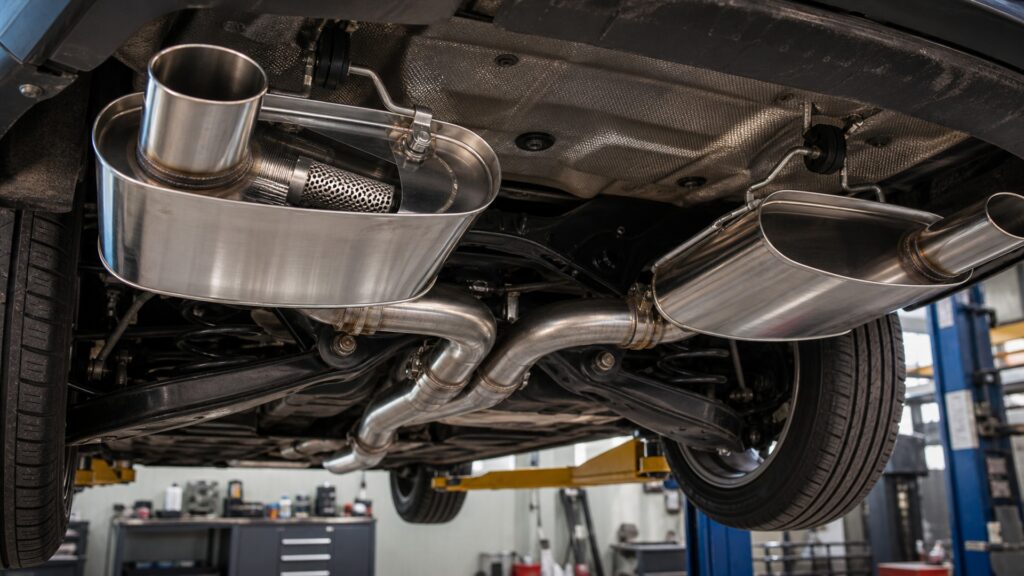
performance mufflers explainer hero image for Review Streets
What You'll Learn

How Performance Mufflers Affects Real Vehicle Use

A practical look at performance mufflers, including what the parts do, why fitment matters, where tradeoffs appear, and how to compare options without overbuying.

  • What performance mufflers means in real vehicle context
  • Which components define how performance mufflers works
  • Why fitment and surrounding factory parts matter
  • Where safety, visibility, access, or reliability limits appear
  • How maintenance affects long-term usefulness
  • Which myths lead buyers toward poor matches
  • How to compare related Review Streets categories

Tip: Read the concept as part of a system, then connect it back to the use case.

Definitions

Key Concepts That Define Performance Mufflers

These definitions connect the main idea to the variables, limits, and practical signals readers need to compare options.

Muffler Shell

The primary component in performance mufflers.

  • Role: Supports attenuating selected exhaust frequencies through chambers, perforated tubes, packing, and case volume while preserving suitable flow, sound character, clearance, and durability
  • Use: Most relevant for exhaust sound tuning
  • Limit: Depends on fitment and installation

Perforated Core Or Chambers

A key design variable that changes how performance mufflers behaves.

  • Role: Shapes the practical result
  • Use: Helps compare options beyond appearance
  • Limit: Can be misread without vehicle context

Acoustic Packing

The vehicle area or pathway that determines compatibility.

  • Role: Connects the accessory to factory parts
  • Use: Important for muffler replacement
  • Limit: Small mismatches can create problems

Inlet And Outlet Necks

The protection, wiring, seal, or control detail that keeps the system reliable.

  • Role: Reduces failures and unwanted side effects
  • Use: Matters during street performance systems
  • Limit: Weak details often fail gradually

Internal Baffles

The safety or usability boundary readers should check before choosing.

  • Role: Keeps the upgrade from interfering with normal driving
  • Use: Especially relevant in drone reduction
  • Limit: Easy to overlook during shopping

Hangers And Connection Joints

The attachment, adjustment, or upkeep factor that affects long-term performance.

  • Role: Keeps the setup secure and serviceable
  • Use: Matters after repeated use
  • Limit: Neglect can make good parts feel poor

Tip: Keep the definitions connected; the strongest answer usually comes from the whole system, not one term.

How It Works

How Performance Mufflers Works as a System

Performance Mufflers works through a chain of component choice, vehicle fit, installation quality, control, and real-world conditions. The useful result depends on how those pieces support attenuating selected exhaust frequencies through chambers, perforated tubes, packing, and case volume while preserving suitable flow, sound character, clearance, and durability.

  • Define the exact vehicle problem first
  • Match the part to the vehicle area it affects
  • Check mounting, wiring, sealing, or attachment details
  • Look for visibility, access, or interference issues
  • Test the setup under realistic conditions

Performance Mufflers is most useful when the whole system fits the job, not just when one part looks promising.

Main Mechanism

Why the Main Mechanism Changes Performance Mufflers

The main mechanism behind performance mufflers is attenuating selected exhaust frequencies through chambers, perforated tubes, packing, and case volume while preserving suitable flow, sound character, clearance, and durability. That mechanism determines whether the product solves a real problem or simply adds hardware to the vehicle.

  • Focus on muffler shell before appearance
  • Check how acoustic packing affects compatibility
  • Look for unwanted effects around internal baffles
  • Treat installation quality as part of performance

The mechanism connects the product claim to what the driver actually notices.

Tradeoffs

Where Performance Mufflers Creates Tradeoffs

Performance Mufflers can improve one use case while adding cost, weight, complexity, glare, noise, maintenance, or fitment risk. The right choice depends on whether the benefit matters more than the tradeoff.

  • Identify what improves
  • Check what becomes harder or less convenient
  • Consider daily driving, not only ideal conditions
  • Avoid treating upgrades as automatically better

A good upgrade solves the intended problem without creating a larger everyday annoyance.

Real-World Limits

Why Conditions Change Performance Mufflers Performance

Real conditions such as exhaust sound tuning, muffler replacement, street performance systems, drone reduction can expose weaknesses that are invisible in product photos. Weather, vibration, heat, dust, and repeated use decide whether the setup stays useful.

  • Outdoor exposure affects materials and connections
  • Vibration tests mounting strength
  • Repeated use reveals noise or interference
  • Maintenance prevents slow performance loss

The real test is whether the setup still works after normal vehicle use.

Practical Check

How to Compare Performance Mufflers Before Choosing

Compare performance mufflers by starting with the job, then checking vehicle fit, operating behavior, safety boundaries, and upkeep. The strongest option usually feels integrated rather than improvised.

  • Start with the exact problem to solve
  • Confirm vehicle year, trim, and mounting details
  • Check visibility, access, controls, and maintenance
  • Avoid forced fitment or unclear compatibility
  • Inspect the setup after real use

The best performance mufflers choice is specific, compatible, and easy to live with.

Quick Reality Check

Where Performance Mufflers Helps and Where It Has Limits

A balanced view of what performance mufflers can improve, plus the conditions where the idea needs more context.

What Performance Mufflers Can Clarify

A correctly selected performance muffler can shape exhaust tone and limit unwanted restriction while fitting the available space and intended sound level.

It is most useful when fitment, installation, safety, and maintenance all support attenuating selected exhaust frequencies through chambers, perforated tubes, packing, and case volume while preserving suitable flow, sound character, clearance, and durability.

Where the Shortcut Breaks Down

It cannot fix poor system routing or guarantee a drone-free tone, and it cannot compensate for wrong inlet size, inadequate case volume, weak packing, internal rattles, leaks, poor hanger support, floor contact, excessive noise, corrosion, or a design that conflicts with local sound requirements.

A better decision compares the system around the part, not only the headline feature or product photo.

Common Myths

Misconceptions About Performance Mufflers

Common shortcuts and misunderstandings can make the topic seem simpler than it is.

Universal fit is close enough

Small differences in vehicle year, trim, mounting points, and surrounding factory parts can change how performance mufflers fits. An almost-correct part may still rattle, leak, glare, bind, or loosen during normal use.

More capability is always better

More output, coverage, features, or hardware can help, but it can also add cost, weight, distraction, maintenance, or interference. The better choice matches performance mufflers to the actual driving problem clearly.

Installation details do not matter

Installation controls whether performance mufflers feels integrated or troublesome. Weak mounts, poor routing, bad alignment, or ignored clearances can make a good component perform poorly after weather and vibration in daily use.

Maintenance is optional

Maintenance is not only cosmetic. Dirt, loose fasteners, cloudy lenses, worn seals, weak adhesives, or corroded connections can slowly reduce performance and make performance mufflers less reliable when needed later over time.

Tip: Treat strong claims as starting points for comparison, not final answers.

FAQ

Frequently Asked Questions About Performance Mufflers

Concise answers to common questions readers may have after the main explanation.

What does performance mufflers do?

It helps solve a specific vehicle-use problem, not a generic upgrade urge. Its value depends on vehicle fit, installation quality, use conditions, and whether the part fixes an actual need.

Why does fitment matter for performance mufflers?

Fitment matters because these parts interact with factory shapes, clearances, wiring paths, seals, lenses, mounts, or controls. A small mismatch can create noise, glare, interference, leaks, or loose hardware after installation.

Can performance mufflers affect safety?

Yes. Safety depends on visibility, secure attachment, predictable controls, and avoiding interference with normal driving. Poorly chosen or poorly installed parts can distract drivers or make vehicle behavior less predictable.

How should buyers compare performance mufflers?

Start with the specific use case, then compare compatible fit, operating behavior, materials, controls, and maintenance needs. Reviews about long-term noise, looseness, glare, or reliability are especially useful evidence later.

When is performance mufflers not worth it?

It may not be worth it when the benefit is mostly cosmetic, compatibility is unclear, installation requires forced fitment, or the upgrade adds complexity without solving a problem the driver actually has.

Bottom Line

Performance Mufflers is most useful when it is treated as a vehicle-specific system rather than a universal add-on.

The practical takeaway is to define the problem first, then compare fitment, mechanism, safety, maintenance, and tradeoffs before choosing performance mufflers or a nearby category.

Next Steps

Go Deeper or Compare Your Options

Use these Review Streets paths to connect the explainer to related categories, comparisons, and next decisions.

Safety & Emergency Gear

Explore the Safety & Emergency Gear category for related Review Streets explainers, comparisons, and buying context.

Jump Starters

Explore the Jump Starters category for related Review Streets explainers, comparisons, and buying context.

Lithium Jump Starters

Explore the Lithium Jump Starters category for related Review Streets explainers, comparisons, and buying context.

Quick Summary

Performance Mufflers Explained

  • Performance Mufflers solves a specific vehicle-use problem.
  • Fitment and installation quality shape the result.
  • More features are not automatically better.
  • Safety, visibility, and interference checks matter.
  • Maintenance keeps the setup reliable over time.