When to Use Sports Cars Instead of Muscle Cars

Choose a sports car instead of a muscle car when the particular sports car gives you the size, control feel, and handling response you want more than the muscle car's engine character, acceleration, or style. The choice makes sense only if its seating, luggage space, comfort, and running costs also fit your life. A lighter or more compact driving experience can be a stronger reason to switch than a faster specification.

These labels are not exclusive technical classes. A muscle car can also be an accomplished sports car, and modern performance versions may have sophisticated brakes, suspension, and tires. Compare the actual models and packages rather than assuming that muscle cars only travel well in a straight line or that every sports car is light and agile.

By: Review Streets Research Lab
Updated: October 1, 2026
Explainer · 8-12 min read
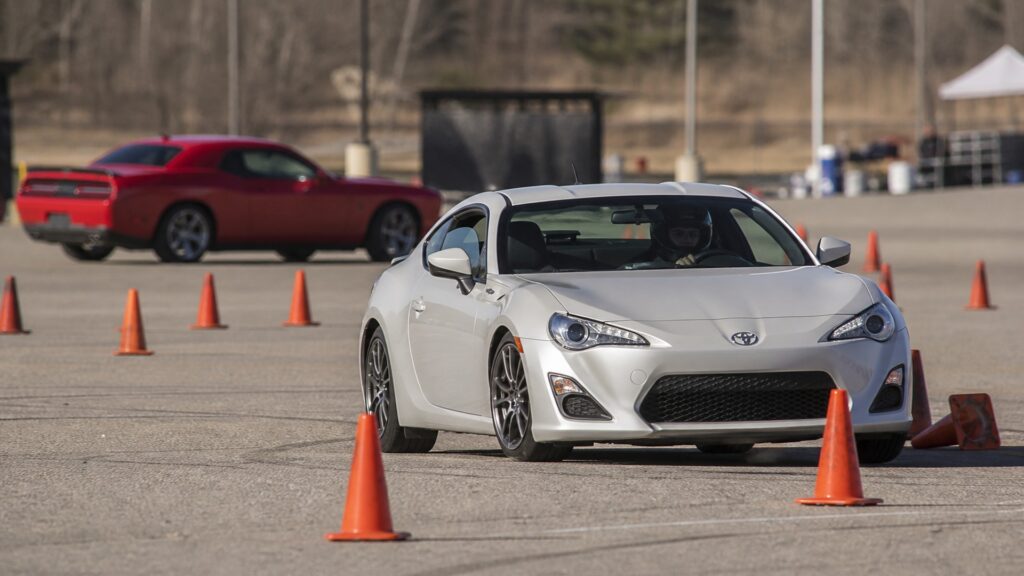
sports cars explainer hero image for Review Streets
What You'll Learn

Choose the Driving Experience You Want to Repeat

Compare the reasons to prefer a focused sports car without relying on outdated category stereotypes.

  • Separate compact response from peak acceleration.
  • Identify which aspects of engine character matter to you.
  • Compare exact handling packages and tire specifications.
  • Test whether the sports car's practical limits are acceptable.
  • Keep the muscle car in consideration when it already meets the brief.

Tip: Describe the experience you want before deciding which category name should deliver it.

Definitions

The Priorities Behind This Decision

These distinctions concern how the car serves its owner, not a rigid boundary between labels.

Sports-car focus

A design emphasis on the interaction between driver, controls, and road response.

  • Example: a compact roadster chosen for its steering and seating experience
  • Check: test the actual car's response and packaging
  • Limit: some sports cars are large, powerful, or highly refined

Muscle-car character

A performance identity commonly associated with strong acceleration, engine character, and distinctive styling.

  • Example: an owner enjoying the sound and delivery of a V8 coupe
  • Check: identify which qualities matter beyond the badge
  • Limit: the label does not rule out excellent handling

Vehicle footprint

The physical space a car occupies on the road and in parking.

  • Example: a smaller car fitting the owner's usual routes and garage more easily
  • Check: check actual dimensions and visibility
  • Limit: smaller dimensions do not guarantee better performance

Handling response

The way the car reacts to steering and changing loads.

  • Example: a driver preferring the response of one chassis and tire combination
  • Check: compare equivalent conditions and exact equipment
  • Limit: the broad category cannot establish the result

Powertrain character

The feel, sound, and response of the engine or motor and transmission.

  • Example: preferring one engine's delivery even when another car is quicker
  • Check: try ordinary acceleration and transmission operation
  • Limit: a performance number does not describe the whole experience

Practical fit

How well the car meets seating, luggage, access, and everyday requirements.

  • Example: accepting two seats for a weekend car but needing more for a daily vehicle
  • Check: test the duties the car must actually perform
  • Limit: a category label does not prove usable rear-seat space

Tip: Several different cars can satisfy the same priority. Use the distinctions to guide comparison rather than exclude candidates.

Response

Choose the Sports Car When Its Size and Feel Suit You Better

A compact sports car may offer a driving position and response that feel more natural to you than a larger performance coupe. The attraction can be the ease of placing the car, the relationship between its controls, or simply the experience of a small roadster. Mazda's MX-5 illustrates that kind of focused design. None of this establishes that every sports car will outperform a muscle car.

  • Compare actual dimensions and seating position.
  • Assess control feel during appropriate road driving.
  • Treat enjoyment as distinct from maximum speed.

If the feature you value is a compact, responsive companion for ordinary journeys, buying more engine output may not address the preference at all.

Engine character

Keep the Muscle Car When Its Powertrain Is the Main Attraction

For some owners, the engine's delivery, sound, and relationship with the transmission define the experience. Moving to a different type of sports car can change that character substantially, even when the new car has strengths elsewhere. A decision based only on claimed handling superiority can therefore sacrifice the thing the owner actually enjoys most.

  • Identify whether engine character is a central priority.
  • Compare response and gearing as well as output.
  • Try the exact transmission offered in each candidate.

An owner who primarily enjoys the character of a particular engine may prefer to keep the muscle car and address practical needs within that model range.

Configuration

Modern Muscle Cars Can Have Serious Handling Equipment

Ford's Mustang lineup includes versions with adaptive damping, substantial brake equipment, and handling-oriented packages. That is a concrete reason to compare specifications instead of repeating a straight-line-only stereotype. Model year, trim, tires, and condition can produce meaningful differences within the same family. The same scrutiny should apply to the sports car.

  • Identify the fitted package rather than the base model name.
  • Check tire and brake specifications.
  • Assess modifications and current condition.

A well-equipped performance version may already combine the character you like with the response you need. Changing categories is not the only route to a different driving experience.

Ownership role

A Focused Car Must Still Fit the Rest of the Week

Some sports cars trade passenger or luggage capacity for a more concentrated driving brief. Some muscle cars offer additional seating or cargo space, but those spaces need to be tried rather than assumed useful. Comfort, access, visibility, parking, and seasonal tire needs affect whether the car will be used happily.

  • Test seats and luggage with realistic needs.
  • Consider the longest regular journeys.
  • Account for tires, servicing, and storage.

A two-seat roadster can be ideal when another car handles family duties. As the only vehicle, its limitations may outweigh the appeal of its size and response.

Intended activity

Let the Actual Use Set the Comparison

Road enjoyment, an instructed circuit event, and drag-strip participation place different demands on the vehicle and owner. Do not choose a car for a presumed activity that you rarely pursue. If organized motorsport is part of the plan, confirm eligibility, preparation, and support for the exact car instead of assuming that either label guarantees readiness.

  • Separate regular use from occasional ambitions.
  • Check relevant manufacturer and organizer requirements.
  • Budget for consumables and preparation where applicable.

The sensible choice may be a different car, a better-suited version of the same family, or keeping a car that already does the job well.

Quick Reality Check

When the Switch Makes Sense

The strongest reason is a better match to your priorities, not a claim that one category is universally superior.

Prefer the sports car when

Its particular size, controls, and response provide the enjoyment you want.

You can accept its practical limits and sustain its ownership costs.

Keep the muscle car when

Its powertrain character and styling are central to the experience.

The actual configuration already provides the handling and practical ability you need.

Common Myths

Misconceptions About Sports Cars and Muscle Cars

The overlap is too large for simple stereotypes.

Muscle cars cannot handle corners

Some modern versions have extensive chassis, brake, and tire development. Compare the exact vehicle.

Sports cars always have less power

Output varies widely in both categories. Power alone does not define the distinction.

The fastest car will be the most enjoyable

Enjoyment also depends on response, sound, controls, dimensions, and where the car is used.

Switching categories automatically improves track readiness

Eligibility and preparation are specific to the car and event. A label is not an inspection or preparation plan.

Tip: Compare candidates at the model and equipment level, then weigh what you actually enjoy.

FAQ

Questions Before Replacing a Muscle Car

Make the intended benefit explicit before accepting a new set of compromises.

What is the clearest reason to choose a sports car?

A specific preference for its driving response, dimensions, or controls, with acceptable practical and ownership tradeoffs.

Can a muscle car also be a sports car?

Yes. The terms overlap, particularly in handling-focused performance models.

Do I need to give up a V8 to buy a sports car?

No. Sports cars use a range of powertrains. Choose the actual car rather than an engine-count rule.

Which category is cheaper to run?

There is no universal answer. Compare the exact car's tires, servicing, condition, and planned use.

What if I am happy with my current car except for one issue?

Identify that issue first. A different configuration, appropriate repair, or another model may address it without requiring a category-based decision.

Bottom Line

Use a sports car instead of a muscle car when its particular driving experience and packaging better serve your needs.

Keep engine character, practical duties, and the capabilities of modern muscle-car variants in the comparison. The labels overlap; the ownership choices are specific.

Next Steps

Go Deeper or Compare Your Options

Use these Review Streets paths to compare related categories and practical next decisions.

Vehicles

Compare vehicle roles and everyday requirements.

Specialty Vehicles

Explore specialized vehicle categories without relying on labels alone.

Sports Cars

Review sports-car qualities against your preferred driving experience.

Further reading: Mazda MX-5 design and equipment; Ford Mustang model and equipment differences.