
Hydration Support
Hydration support makes fluids easier to keep nearby before, during, or after activity.
- Example: a bottle kept next to a bike during intervals
- Check: ask whether the problem is drinking access
- Limit: it does not create exercise
Use a water bottle instead of an exercise bike when the problem is fluid access, not cardio training. A water bottle helps you carry and drink water around a routine; an exercise bike creates the workout itself.
The choice is usually not either-or. A bottle can sit beside a bike during a session, but it should be judged by sealing, capacity, drinking comfort, and cleaning rather than by exercise output.
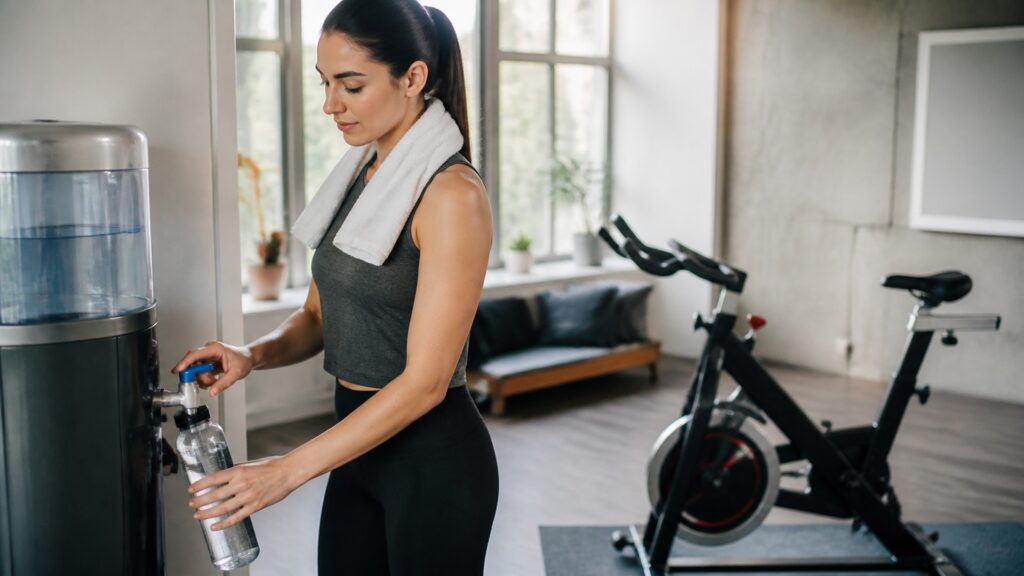
A practical way to separate hydration support from cardio equipment.
Tip: If the missing piece is water nearby, compare bottles. If the missing piece is indoor cardio, compare bikes.
These terms keep the comparison tied to the job each product performs.
Hydration support makes fluids easier to keep nearby before, during, or after activity.
Cardio equipment creates a repeatable training session through movement and resistance.
Bottle fit is how well a bottle works with holders, bags, hands, and daily movement.
Training output is the work produced during exercise.
Commitment level is the cost, space, setup, and habit required to make a product worthwhile.
Routine pairing is when two tools support different parts of one workout.
Tip: The bottle solves hydration access. The bike solves indoor cardio access.
A water bottle is the right tool when you need water close by, easy to drink, and simple to refill. It helps with hydration habits around exercise, work, travel, and daily routines.
A bottle is successful when it makes drinking easier to repeat.
An exercise bike belongs in the decision when the user needs indoor cycling, conditioning, guided classes, or low-impact cardio that can be repeated at home.
The bike earns its place by creating a workout.
A bottle is inexpensive, portable, and easy to replace. An exercise bike is a larger equipment decision with space, setup, and long-term habit requirements.
The bigger commitment should solve a bigger training problem.
A rider may keep a bottle on the bike, sip between efforts, and refill after the session. In that routine, the bottle supports fluid access while the bike provides the exercise.
The products can share a workout without competing for the same job.
If workouts already happen but hydration is inconvenient, a better bottle may be enough. If hydration is fine but cardio access is missing, the bike decision is separate.
Clear roles lead to better purchases.
The bottle supports fluids. The bike provides the cardio session.
You need water nearby, portable, and easy to drink.
You want a low-cost way to improve hydration access.
You need a dedicated indoor cycling workout.
You have the space, budget, and motivation for cardio equipment.
The products belong to different decisions.
It supports a workout, but it does not create one.
A bike provides exercise, but fluid access still matters during and after sessions.
A small bottle may solve the current problem better than a large machine.
Bikes are judged by training quality. Bottles are judged by access, sealing, and daily use.
Tip: Use the product that solves the actual missing part of the routine.
Short answers for separating hydration needs from cardio equipment decisions.
Buy the bottle first if hydration access is the problem. Consider the bike if you need a reliable indoor cardio option.
Yes. It can keep water or electrolytes within reach, especially if it fits the bike holder.
Compare leak resistance, cap design, capacity, grip, material, and cleaning access.
Compare fit, resistance, stability, noise, display, classes, and footprint.
Use a bottle for hydration access and a bike for cardio training.
Use water bottles when the need is hydration access, not indoor cardio equipment.
An exercise bike creates the workout. A water bottle supports the routine around it by making fluids easier to carry, drink, and refill.
Use these Review Streets paths to compare related fitness categories and practical buying decisions.
Compare bottle designs for workouts, daily hydration, and travel.
Explore related gear for fluids, powders, and workout fueling routines.
Review the equipment category separately from hydration accessories.
Choose a retailer
Prices checked regularly. We may earn a commission at no cost to you.