
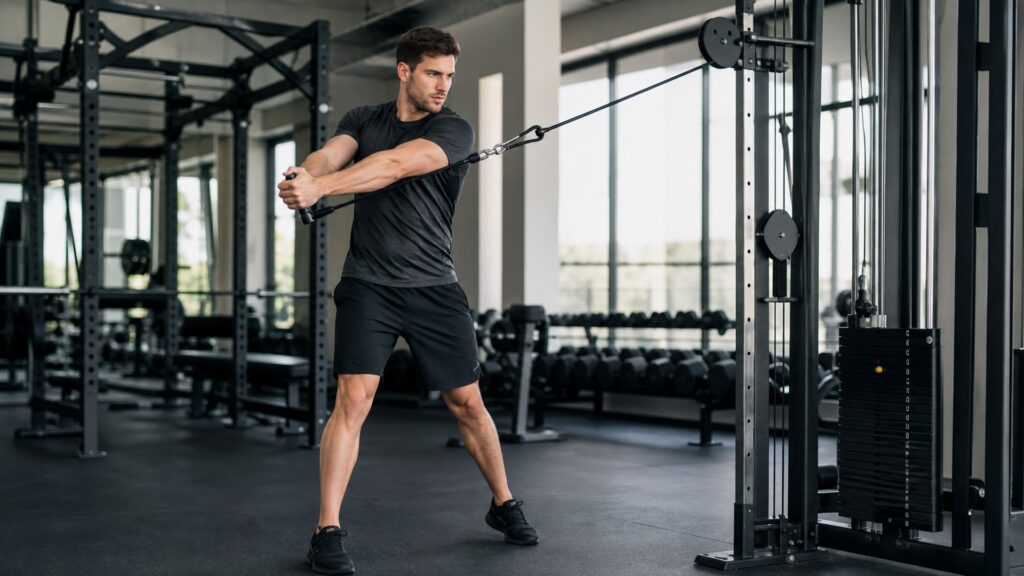
Why Cable Machines Movement Pattern Matters

Movement pattern matters in cable machines because the cable's line of pull changes how each exercise feels and what it trains. A cable machine can support pressing, pulling, rotating, hinging, and isolation work, but only when the pulley position and body setup match the movement.

The best cable setup is not the one with the longest exercise list. It is the one that lets the user perform the important movement patterns with stable positions, useful range of motion, and resistance that tracks cleanly through each rep.

By: Review Streets Research Lab
Updated: September 25, 2026
Explainer · 8-12 min read
cable machines movement pattern explainer hero image for Review Streets
What You'll Learn

How Movement Patterns Shape Cable Machine Fit

A practical look at cable angle, stance, range of motion, and exercise selection.

  • Why cable angle changes the movement
  • How pulley height affects pressing, pulling, and core work
  • Where stance and bench position change exercise quality
  • Why exercise-count claims need a movement-pattern check
  • How to review a cable machine against a real weekly routine

Tip: Judge the machine by the exercises it makes easier to perform consistently, not by how many movements it claims to support.

Definitions

Key Concepts Behind Cable Machines Movement Pattern Matters

These concepts clarify how cable machines fit into practical home strength training.

Movement Pattern

A movement pattern is the basic action an exercise trains, such as pushing, pulling, rotating, hinging, or flexing.

  • Example: a cable row serving a pull pattern
  • Check: match the exercise to the intended pattern
  • Limit: a name alone does not prove the movement is useful

Line Of Pull

Line of pull is the direction resistance travels from the pulley to the user.

  • Example: a high cable pulling down during a pulldown
  • Check: watch whether the cable aligns with the movement
  • Limit: a poor line can change the exercise

Pulley Height

Pulley height is where the cable starts relative to the user's body.

  • Example: low pulley curls versus high pulley face pulls
  • Check: see whether the height can match common exercises
  • Limit: limited height options can reduce variety

Body Position

Body position is how the user stands, sits, kneels, or braces during the movement.

  • Example: split stance for a standing cable press
  • Check: confirm the position feels stable through the full set
  • Limit: unstable positions can limit useful load

Range Of Motion

Range of motion is how far the exercise can move while keeping control and alignment.

  • Example: a row that allows a full reach and squeeze
  • Check: test the start and finish of the rep
  • Limit: frame size or cable length can shorten the movement

Pattern Balance

Pattern balance is how well the routine covers pulls, presses, core work, and accessory movements.

  • Example: pairing cable rows with presses and anti-rotation drills
  • Check: review the weekly plan, not a single exercise
  • Limit: balance depends on the user's goals

Tip: A cable machine is most useful when its movement path, resistance, and setup match the exercises a person will repeat.

Cable Angle

The Line Of Pull Defines The Exercise

Cable machines can change resistance direction more easily than many fixed machines. That flexibility is useful only when the cable angle matches the intended movement.

  • Set the pulley before judging the exercise.
  • Keep the cable path clear and direct.
  • Avoid angles that drag the body out of position.

The line of pull is the heart of cable movement quality.

Setup

Body Position Has To Be Stable

Many cable exercises require the user to create stability through stance, bench position, or bracing. If the setup wobbles, the target movement may lose quality.

  • Check foot position and available floor space.
  • Use benches or seats only when they fit the cable path.
  • Reduce load if balance becomes the limiting factor.

Stable body position lets the target muscles do the work.

Coverage

Exercise Lists Need Pattern Context

A machine may claim many exercises, but several may train the same pattern or require awkward changes. A pattern review shows whether the machine covers the routine in a useful way.

  • Group exercises by push, pull, core, and accessory roles.
  • Look for missing patterns before buying.
  • Value strong repeated movements over novelty.

Useful variety means better pattern coverage, not just more names.

Range

The Frame Can Limit The Rep

Cable length, frame width, pulley travel, and room layout can all change range of motion. A movement that looks possible may still feel shortened or cramped.

  • Test the start and finish positions.
  • Check tall and short user fit.
  • Leave enough room for handles, benches, and stepping back.

Full useful range matters more than a demo that only works in one position.

Routine Check

Review A Real Week Of Training

The best movement-pattern test is a normal week, not a single favorite exercise. The cable machine should support the patterns the user needs often enough to justify its space.

  • Map weekly exercises to pulley positions.
  • Identify movements that require extra equipment.
  • Choose the machine that covers the routine cleanly.

Movement pattern fit shows up when the whole plan is tested.

Quick Reality Check

Where Movement Pattern Fit Helps And Where It Has Limits

Pattern-aware evaluation shows whether cable exercises will work in practice.

Where It Helps

It reveals whether cable angles match the intended exercises.

It helps separate useful versatility from a long but repetitive exercise list.

Where It Falls Short

It cannot guarantee comfort for every body size or goal.

Some heavy lifts and fixed-path movements may still need other equipment.

Common Myths

Misconceptions About Cable Machine Movement Patterns

Cable variety is useful only when the movement setup works.

A cable can train any pattern equally well

Cable machines are flexible, but pulley height, stance, and frame size still matter.

More exercise names mean better coverage

Many listed exercises may be small variations of the same movement.

Cable resistance always feels natural

The line of pull can feel awkward if it does not match the exercise.

Movement pattern only matters for athletes

It matters for anyone trying to choose equipment that fits a routine.

Tip: The strongest claims are worth checking against the actual exercises, space, and resistance range.

FAQ

Frequently Asked Questions About Cable Machine Movement Patterns

Short answers for choosing, using, and comparing cable machines.

Why do movement patterns matter on cable machines?

They show whether the cable path supports the exercises the user actually plans to do.

Which patterns should I check?

Check pulling, pressing, rotation, arm work, shoulder work, hip movements, and core work based on your goals.

Does pulley height really matter?

Yes. Pulley height changes the direction of resistance and can make an exercise feel natural or awkward.

Can cable machines replace free weights for movement variety?

They can replace or supplement many movements, but they do not duplicate every free-weight pattern.

What is the practical takeaway?

Choose a cable machine that supports the movement patterns in your real routine with stable setup and clean cable angles.

Bottom Line

Movement pattern matters because cable machines depend on matching the pulley, body position, and resistance path to the exercise.

The strongest setups support the user's real push, pull, core, and accessory movements with stable positions and useful range of motion.

Next Steps

Go Deeper or Compare Your Options

Use these Review Streets paths to compare related categories and practical next decisions.

Cable Machines

Explore the cable machine category before comparing setups.

Home Gym Systems

Compare broader home gym systems with cable-focused equipment.