Why Cable Machines Training Function Matters

Training function matters in cable machines because the machine is only valuable if it supports useful strength work, smooth setup, and repeatable progression. A cable stack can look versatile, but the workout quality depends on pulley height, resistance range, attachments, stability, and how easily the user can move from one exercise to the next.

A strong cable machine helps people train pulling, pressing, core, accessory, and rehabilitation-style movements with controlled resistance. A weak setup may still have cables, but it can feel awkward, slow to adjust, or too limited for the routines people actually want to perform.

By: Review Streets Research Lab
Updated: September 25, 2026
Explainer · 8-12 min read
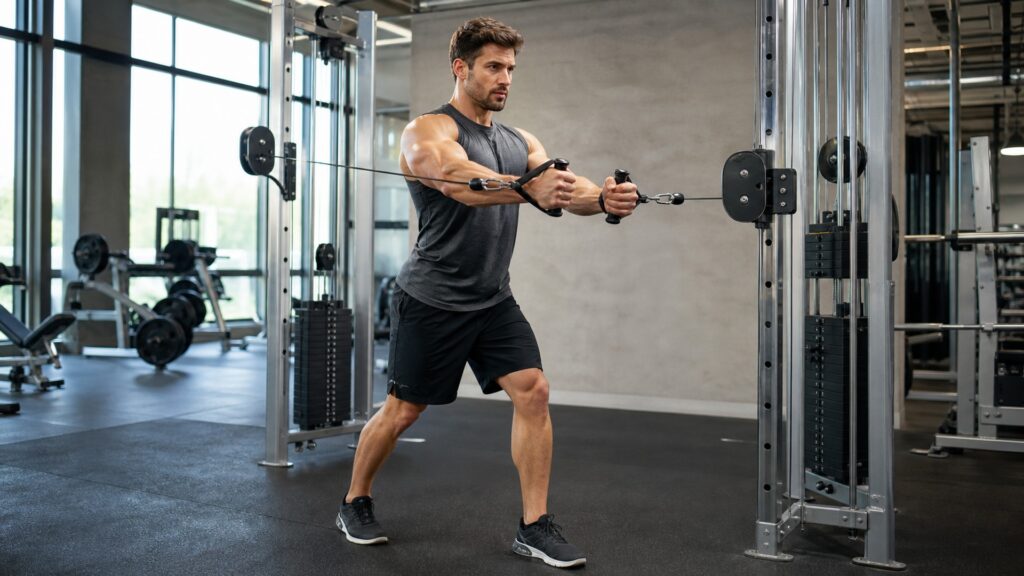
cable machines training function explainer hero image for Review Streets
What You'll Learn

How Training Function Changes Cable Machine Value

A practical look at how cable layout, resistance, adjustability, and attachments affect real workouts.

  • Why cable training depends on pulley position and movement path
  • How resistance range and increments affect progression
  • Where attachments and handles change exercise variety
  • Why adjustment speed matters during supersets and full-body sessions
  • How to spot a machine that looks versatile but trains narrowly

Tip: Judge the machine by the exercises it makes easier to perform consistently, not by how many movements it claims to support.

Definitions

Key Concepts Behind Cable Machines Training Function Matters

These concepts clarify how cable machines fit into practical home strength training.

Pulley Adjustability

Pulley adjustability is the ability to set the cable at useful heights and angles for different exercises.

  • Example: moving the pulley from a low row to a high face pull
  • Check: test whether common exercises can be set up quickly
  • Limit: many height settings do not help if the frame is cramped

Resistance Range

Resistance range is the span between the lightest and heaviest usable cable load.

  • Example: light settings for shoulder work and heavier settings for rows
  • Check: compare the stack to the user's strongest and lightest movements
  • Limit: a heavy stack may still be poor for small jumps

Cable Path

Cable path is the direction the resistance pulls as the user moves.

  • Example: a straight cable line during a standing chest press
  • Check: watch whether the cable tracks cleanly through the movement
  • Limit: poor angles can make a useful exercise feel unnatural

Attachment Fit

Attachment fit is how well handles, bars, ropes, cuffs, and straps match the intended exercises.

  • Example: using an ankle strap for hip abductions
  • Check: confirm which attachments are included or compatible
  • Limit: missing attachments can shrink the exercise menu

Transition Speed

Transition speed is how quickly the user can change load, height, attachment, or body position.

  • Example: moving from triceps pressdowns to rows without a long reset
  • Check: run through a normal workout sequence
  • Limit: slow setup can make circuits frustrating

Exercise Coverage

Exercise coverage is the range of useful movements the machine supports across a routine.

  • Example: rows, pulldowns, presses, curls, rotations, and cable core work
  • Check: review a full week of planned exercises
  • Limit: coverage still depends on space and the user's goals

Tip: A cable machine is most useful when its movement path, resistance, and setup match the exercises a person will repeat.

Workout Fit

The Machine Needs To Support Real Exercises

Cable machines are useful because resistance can come from different angles. That only helps when the machine supports the exercises a person actually plans to repeat.

  • Check rows, pulldowns, presses, curls, and core movements.
  • Make sure pulley positions match the user's height and stance.
  • Ignore exercise lists that rely on awkward setups.

Training function begins with exercises that feel stable and repeatable.

Progression

Resistance Should Be Easy To Control

Cable training depends on choosing a load that fits the movement. Small increments help with shoulder, arm, and rehab-style work, while enough top-end resistance matters for stronger pulling and pressing.

  • Review the lightest usable setting.
  • Check the heaviest load for rows and pulldowns.
  • Look for manageable jumps between settings.

A good resistance range lets the same machine serve both small and demanding movements.

Setup

Adjustment Speed Affects Workout Flow

A cable machine can support many exercises and still slow the workout down if every change takes too long. Pulley movement, pin changes, attachment swaps, and bench placement all affect the session.

  • Try common transitions before judging convenience.
  • Keep frequently used attachments nearby.
  • Check whether the frame allows enough room around the cable.

Smooth setup makes variety practical instead of theoretical.

Movement Quality

Cable Path Determines How Natural The Exercise Feels

The line of pull changes the exercise. A useful cable path keeps resistance steady without dragging the user into an awkward position or shortening the range of motion.

  • Watch the cable angle during the full rep.
  • Check whether the user can stand or sit in a stable position.
  • Avoid setups that force twisting or leaning just to finish a rep.

Good cable path is what turns a machine into a dependable training tool.

Practical Value

Versatility Has To Match The Routine

Cable machines are often sold on versatility, but the real value depends on whether the machine replaces or improves movements the user cares about.

  • Compare the machine against the user's current routine.
  • Identify which exercises become easier or safer to repeat.
  • Skip features that will not change weekly training.

The best cable machine earns space by improving the workouts that happen most often.

Quick Reality Check

Where Cable Machine Training Function Helps And Where It Has Limits

Training function is strongest when the machine makes useful exercises easier to repeat.

Where It Helps

It supports controlled resistance from multiple angles.

It can make accessory, pulling, core, and isolation work easier to organize.

Where It Falls Short

It may not replace heavy barbell lifts or full free-weight training.

A cramped frame or limited stack can reduce practical exercise variety.

Common Myths

Misconceptions About Cable Machine Training Function

A cable machine is not automatically versatile just because it has a cable.

More attachments always mean better training

Attachments help only when the machine has the pulley positions and space to use them well.

Any cable path works for any exercise

Cable angle changes the movement and can make some exercises awkward.

A heavy stack is all that matters

Light settings, small increments, and smooth travel matter too.

Cable machines replace every strength setup

They can cover many movements, but some goals still call for racks, free weights, or other equipment.

Tip: The strongest claims are worth checking against the actual exercises, space, and resistance range.

FAQ

Frequently Asked Questions About Cable Machine Training Function

Short answers for choosing, using, and comparing cable machines.

What training feature matters most in a cable machine?

Useful pulley adjustability matters most because it determines which exercises can be set up well.

Do cable machines work for full-body training?

They can support full-body accessory and strength work, but the exact coverage depends on the frame, stack, attachments, and space.

How much resistance should a cable machine have?

The right range depends on the user, but it should be light enough for small movements and heavy enough for rows, pulldowns, and presses.

Are cable machines good for beginners?

They can be beginner-friendly when adjustments are clear and movements feel stable.

What is the practical takeaway?

Choose a cable machine for the workouts it supports smoothly, not for a long feature list.

Bottom Line

Training function matters because it determines whether a cable machine becomes a practical strength tool or an awkward accessory station.

The best machines combine useful pulley positions, manageable resistance, smooth cable travel, and enough space for the movements people repeat.

Next Steps

Go Deeper or Compare Your Options

Use these Review Streets paths to compare related categories and practical next decisions.

Cable Machines

Explore the cable machine category before comparing setups.

Home Gym Systems

Compare broader home gym systems with cable-focused equipment.