Why Cable Machines Workout Role Matters

Workout role matters in cable machines because the same machine can serve very different jobs in a home gym. For one person it may be the main strength station. For another, it may be an accessory tool used after barbell lifts. It can also support rehabilitation-style work, isolation exercises, core training, or warmups.

Knowing the workout role keeps the purchase realistic. A cable machine is valuable when it fits the part of training the user will repeat most often, not when it promises to replace every other piece of equipment.

By: Review Streets Research Lab
Updated: September 25, 2026
Explainer · 8-12 min read
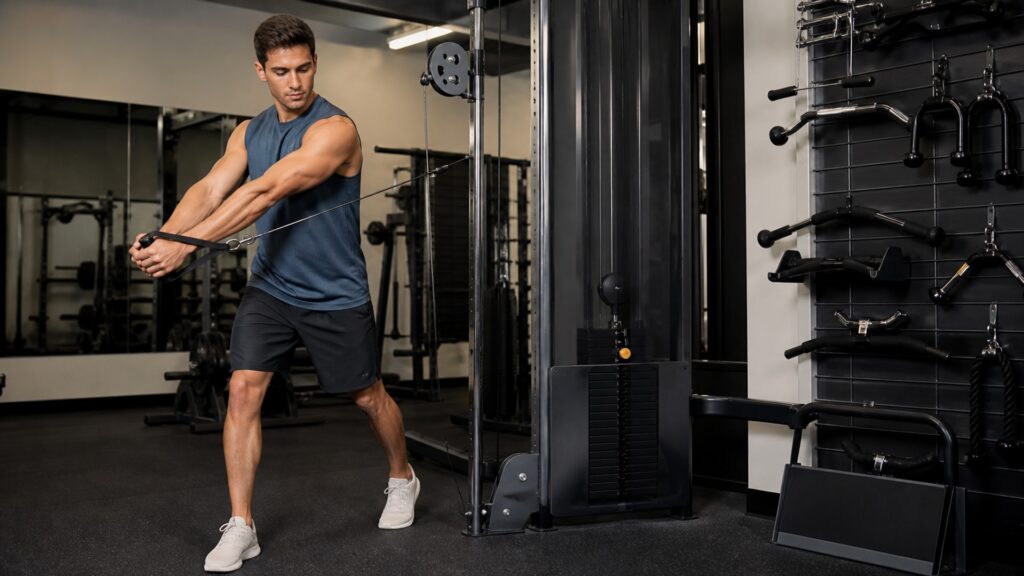
cable machines workout role explainer hero image for Review Streets
What You'll Learn

How Cable Machines Fit Into A Training Plan

A practical look at whether a cable machine should be the main station, accessory station, or specialty tool.

  • Why the same cable machine can play different training roles
  • When cables can serve as a primary strength station
  • Where cable machines work best as accessory equipment
  • How rehab, mobility, and core work affect the decision
  • What to check before expecting one machine to cover everything

Tip: Start with the weekly routine. A cable machine's value comes from the role it fills repeatedly.

Definitions

Key Concepts Behind Cable Machines Workout Role Matters

These concepts clarify the practical equipment differences and buying checks.

Workout Role

Workout role is the job a machine plays in the overall training plan.

  • Example: using cables for accessory work after rack-based lifts
  • Check: name the exercises the machine will handle each week
  • Limit: one machine may not cover every training need

Primary Station

A primary station is the equipment used for the main work in a session.

  • Example: using a functional trainer for most upper-body strength exercises
  • Check: confirm the machine has enough resistance and exercise coverage
  • Limit: some routines still need free weights or racks

Accessory Station

An accessory station supports the main workout with targeted movements.

  • Example: face pulls, curls, triceps pressdowns, and cable rows after larger lifts
  • Check: match the machine to the supporting exercises
  • Limit: accessories should not crowd out the main goal

Isolation Work

Isolation work targets a smaller muscle group or movement with less whole-body loading.

  • Example: cable lateral raises or rope pressdowns
  • Check: look for smooth light resistance and useful attachments
  • Limit: isolation work may not replace compound training

Core And Rotation

Core and rotation work uses the cable's direction of pull to train bracing, twisting, or anti-rotation control.

  • Example: Pallof presses or cable chops
  • Check: make sure there is room to stand beside the machine
  • Limit: poor clearance can limit these movements

Routine Fit

Routine fit is how well the machine supports the workouts the user will actually repeat.

  • Example: choosing a cable tower because weekly sessions include rows, pulldowns, and arm work
  • Check: review a full week instead of one favorite exercise
  • Limit: training goals can change over time

Tip: The right choice is the equipment that supports the user's repeated workouts with the least wasted space, cost, and setup friction.

Planning

Start With The Machine's Job

A cable machine should have a clear role before it takes up home-gym space. The user should know whether it is the main station, a supplement, or a specialty tool.

  • List weekly cable exercises.
  • Separate must-have movements from occasional extras.
  • Check whether the machine covers enough of the plan.

A clear role prevents the machine from becoming expensive clutter.

Primary Use

Cables Can Anchor Some Strength Routines

A good cable machine can support a large share of upper-body, core, and accessory training. Dual adjustable pulleys can make it even more useful as a central station.

  • Check resistance range for the strongest movements.
  • Review both unilateral and bilateral exercises.
  • Make sure setup changes do not slow the whole session.

Cables work as a primary station when their exercise coverage matches the routine.

Accessory Use

Cables Are Often Best As Support Equipment

Many home gyms use cables around larger lifts. They add rows, pulldowns, face pulls, curls, pressdowns, and core work without replacing a rack or free weights.

  • Use cables to fill movement gaps.
  • Choose attachments that match recurring accessories.
  • Keep the station easy to access after main lifts.

The accessory role is where many cable machines earn their space.

Specialty Work

Cable Machines Help With Controlled And Targeted Work

Cable resistance can be useful for rehab-style movements, warmups, mobility drills, and targeted isolation because the load can stay smooth and adjustable.

  • Use lighter settings for small movements.
  • Keep the cable path clean and controlled.
  • Scale exercises to the user's ability and clearance.

Controlled cable work is valuable when precision matters more than maximum load.

Decision

Do Not Expect One Role To Solve Every Need

A cable machine can be versatile and still have limits. Heavy barbell work, certain leg exercises, and some machine-guided patterns may need other equipment.

  • Identify what the cable machine will not cover.
  • Plan around the user's actual goals.
  • Add equipment only when it solves a known gap.

The best role is specific enough to guide the purchase.

Quick Reality Check

Where Cable Machine Workout Role Helps And Where It Has Limits

A role-based decision keeps the equipment tied to real training needs.

Where It Helps

It clarifies whether the machine should be central, supporting, or specialized.

It prevents paying for versatility that the user will not use.

Where It Falls Short

It cannot make one machine fit every future goal.

Some programs still need racks, free weights, benches, or cardio equipment.

Common Myths

Misconceptions About Cable Machine Workout Role

Versatile equipment still needs a clear purpose.

A cable machine should replace everything

It can cover many movements, but some goals require other equipment.

Accessory equipment is less important

Accessory work can be essential when it supports the main training goal.

More possible exercises mean a better role

The useful role depends on the exercises the user repeats.

Cable machines are only for advanced users

They can support beginners when setup is clear and resistance is manageable.

Tip: Treat broad feature claims as a starting point. The useful test is the workout the machine makes easier to repeat.

FAQ

Frequently Asked Questions About Cable Machine Workout Role

Short answers for comparing home strength equipment.

Can a cable machine be the main home gym station?

Yes, when the user's routine depends heavily on cable-based strength, accessory, and core work.

When is it better as an accessory station?

It is better as an accessory station when the main program uses racks, free weights, or other machines for primary lifts.

What role is best for small spaces?

A focused role is best. Choose the machine that covers the most repeated movements without crowding the room.

Do cable machines work for rehab-style exercises?

They can support controlled low-load movements, but users with injuries should follow appropriate professional guidance.

What is the practical takeaway?

Define the cable machine's job before buying it.

Bottom Line

Workout role matters because a cable machine is most useful when it has a specific job in the training plan.

It can be a main station, accessory station, or specialty tool, but the value depends on repeated use rather than theoretical versatility.

Next Steps

Go Deeper or Compare Your Options

Use these Review Streets paths to compare related categories and practical next decisions.

Cable Machines

Explore cable machine options and category-level tradeoffs.

Home Gym Systems

Compare broader home gym systems before choosing an all-in-one setup.