
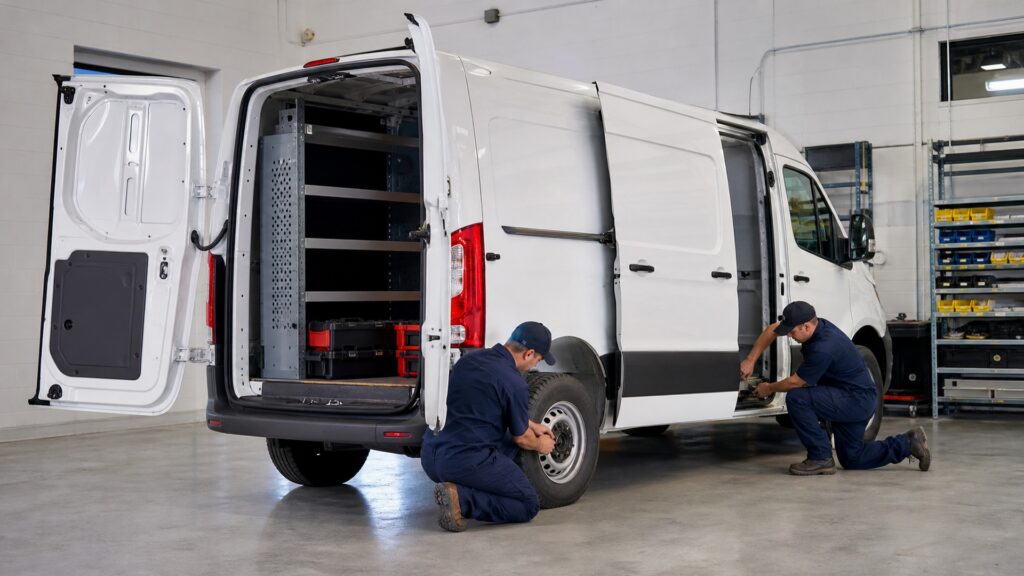
Why Cargo Vans Maintenance Role Matters

Cargo-van maintenance protects both the road vehicle and the working space that makes it useful. Engine or electric-drive servicing is only part of the job. Cargo doors, latches, load restraints, shelving, and fitted equipment also have to remain suitable for repeated loading, travel, and unloading.

A van can start and drive while a damaged door prevents a delivery or a loose cabinet makes its load arrangement unacceptable. The maintenance plan should therefore follow the vehicle’s actual work, connecting its manufacturer schedule with equipment care and the defects users observe during the day.

By: Review Streets Research Lab
Updated: October 7, 2026
Explainer · 8-12 min read
cargo vans explainer hero image for Review Streets
What You'll Learn

Maintain the Vehicle and Its Working Interior

Connect repeated cargo use with scheduled care and defect follow-through.

  • Why the exact vehicle and duty determine servicing
  • How cargo access problems affect availability
  • Why restraint and equipment condition belong in checks
  • What tire and handling reports can reveal
  • How to close a repair without losing the original complaint

Tip: Record cargo-area defects against the vehicle just as clearly as dashboard warnings.

Definitions

Six Maintenance Concepts for Cargo Vans

Each concept identifies a different responsibility around working condition.

Duty-specific schedule

A duty-specific schedule applies the manufacturer’s requirements to the vehicle and its operating conditions.

  • Example: checking whether repeated delivery use falls within special-service guidance
  • Check: the exact model, powertrain, and pattern of use
  • Limit: one interval cannot be assumed for every cargo van

Cargo-door mechanism

A cargo-door mechanism includes the components used to open, support, close, and latch the door.

  • Example: a sliding door that no longer closes consistently
  • Check: the prescribed checks and service instructions
  • Limit: repeatedly forcing a reluctant door does not resolve its cause

Load-restraint condition

Load-restraint condition is the serviceability of equipment used to control cargo movement.

  • Example: a damaged strap or loose attachment reported before loading
  • Check: the restraint maker’s inspection and replacement criteria
  • Limit: a closed cargo door is not a substitute for restraint

Installed equipment care

Installed equipment care follows the requirements of the fitted working hardware.

  • Example: servicing a lift or checking a shelving installation as specified
  • Check: the equipment’s own instructions and attachment condition
  • Limit: the base-vehicle service may not cover every added item

Defect history

Defect history links observations, assessment, and repairs for the individual van.

  • Example: several reports of the same rear-door fault
  • Check: vehicle identity and earlier work
  • Limit: a new service visit should not erase an unresolved pattern

Release to work

Release to work confirms the vehicle can resume appropriate assignments after required assessment or repair.

  • Example: restoring availability after a door fault has been addressed
  • Check: completed work and remaining restrictions
  • Limit: an invoice alone does not explain whether the original complaint remains

Tip: Distinguish scheduled service from the separate need to act on a new defect.

Service plan

Use the Schedule for the Van and Its Actual Duty

Identify the exact vehicle and powertrain before setting reminders. Commercial use can involve low-speed travel, long periods of idling in engine-powered vehicles, dust, or other conditions addressed by the manufacturer. Consult the applicable instructions rather than borrowing an interval from another van. Battery-electric versions also have their own requirements and should not inherit an engine-service plan.

  • Record the exact vehicle and propulsion.
  • Review the operating conditions against its instructions.
  • Keep installed-equipment requirements alongside the vehicle schedule.

Ford’s Transit Connect guidance includes special maintenance considerations for extensive idling, low-speed commercial use, and dusty conditions. Its intervals apply to the stated vehicle, not to cargo vans generally.

Reference: Ford special operating-condition maintenance guidance.

Access

Treat Cargo Doors as Working Equipment

A delivery van may open its cargo doors many times during a shift. Notice binding, inconsistent latching, unusual movement, visible damage, or water entry, and have problems assessed through the appropriate service process. Use the prescribed cleaning and care instructions. Do not hide an access problem by changing how the driver forces or secures a door.

  • Report changes in opening and closing behavior.
  • Check the intended access route remains usable.
  • Keep the repair linked to the original symptom.

A side door that occasionally fails to latch can make the planned delivery arrangement unavailable even when the drivetrain has no fault.

Load control

Include Restraints, Shelving, and Fitted Hardware

Inspect load-control equipment according to its maker’s requirements and report damage or movement. Cargo-space hardware works as an installed arrangement: a sound shelf with an unsuitable or damaged attachment does not establish a sound installation. Keep documentation for fitted equipment so its service needs are not lost when drivers or managers change.

  • Use equipment-specific inspection criteria.
  • Record damaged restraints and attachment concerns.
  • Confirm what the workshop visit actually covers.

NHTSA emphasizes securing carried loads. Maintaining the equipment used for that task is part of keeping the cargo arrangement usable.

Reference: NHTSA load-securement guidance.

Road systems

Connect Wear Reports with the Loaded Vehicle

Tires, brakes, steering, and suspension still need the applicable care. Record unusual wear, repeated pressure loss, noises, or changed handling with the circumstances in which they occur. Include whether the van was loaded and whether its assignment recently changed. Those observations help the service provider assess the complaint without turning a driver’s impression into a diagnosis.

  • Use the vehicle’s specified tire pressures and checks.
  • Record when a symptom occurs.
  • Review repeated reports across the same vehicle’s history.

NHTSA’s TireWise guidance distinguishes the vehicle’s recommended pressure from a tire’s sidewall maximum. Use the placard and manual for the actual van.

Reference: NHTSA TireWise.

Repair closure

Restore the Capability the Next Job Requires

After work is completed, connect the findings to the original report. Record unresolved items and any restrictions before making the van available. Check the assignment it will return to: a vehicle awaiting a repair to required loading equipment is not necessarily ready for its usual job. Plan a substitute that can carry the people, load, and equipment needed.

  • Record the completed work and remaining issues.
  • Confirm release through the appropriate responsible person.
  • Match any substitute to the actual cargo task.

Repairing one system does not automatically restore every working function. Availability should reflect the complete assignment.

Quick Reality Check

A Running Van and a Ready Working Van

Road operation is necessary, but the cargo task may require more.

Base-vehicle condition

Applicable servicing and sound road-going systems.

Warnings and reported driving symptoms appropriately assessed.

Working-space condition

Usable doors, suitable load restraints, and maintained installed equipment.

A cargo arrangement ready for the next assignment.

Common Myths

Misconceptions About Cargo-Van Maintenance

Avoid allowing cargo-area problems to disappear behind a service sticker.

If the van starts, maintenance can wait

Condition and scheduled care include much more than starting.

Every cargo van uses one service interval

Model, propulsion, equipment, and operating conditions determine the applicable requirements.

A routine vehicle service covers every upfit

Check the installed equipment’s separate requirements and the work actually authorized.

Booking a repair closes the defect

Keep the report open until its disposition and any restrictions are recorded.

Tip: Ask whether the van is ready for its job, rather than only whether it can move.

FAQ

Questions About Maintaining Cargo Vans

Practical answers for working-vehicle care.

What should determine the maintenance schedule?

The exact vehicle instructions, relevant operating conditions, and requirements for installed equipment.

Should a sticking cargo door be reported?

Yes. Describe the symptom and have it assessed; avoid improvised workarounds that conceal it.

What belongs in a useful defect report?

Vehicle identity, the symptom, when it occurs, and relevant loading or use conditions.

Does low mileage prove the van needs little attention?

No. Time, repeated use of body equipment, condition, and applicable service requirements still matter.

When is a repaired van ready to return?

When required work and checks are complete, restrictions are clear, and it is suitable for the intended assignment.

Bottom Line

Cargo-van maintenance keeps the road vehicle and working interior dependable together.

Use the correct schedule, maintain load-control and access equipment, and follow each reported defect through to a recorded outcome.

Next Steps

Go Deeper or Compare Your Options

Use these Review Streets paths to compare related categories and practical next decisions.