Why Circular Saws Blade Size Matters

Circular saw blade size is a defining specification, yet its role is often simplified to diameter alone. In practice, blade size governs multiple mechanical relationships, including cutting depth, torque demand, and the geometry of the cut path. These factors interact with motor output and arbor design, shaping how the saw engages with material under load.

This explainer outlines how blade diameter translates into usable cutting depth, how it influences rotational force requirements, and how it affects stability during operation. It also clarifies the connection between blade size, saw architecture, and application constraints, providing a clear framework for understanding how these elements function together.

By: Review Streets Research Lab
Updated: April 19, 2026
Explainer · 8–12 min read
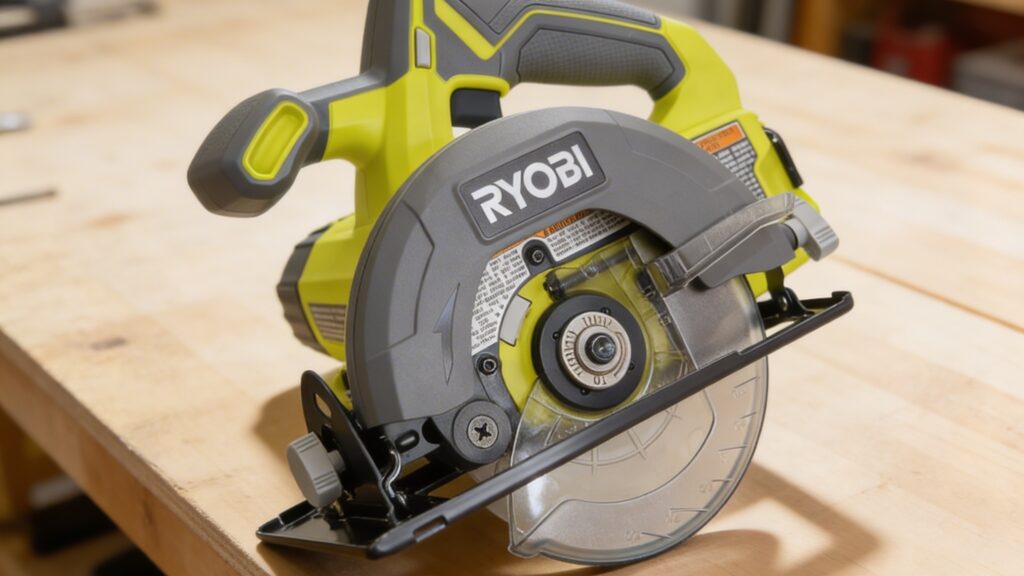
Different circular saw blade sizes lined up on a workbench, showing size variations and cutting depth differences in a workshop setting
What You’ll Learn

How Blade Size Shapes Circular Saw Performance

A clear breakdown of how blade diameter influences cutting depth, torque demand, and stability within the saw’s mechanical system.

  • How blade diameter directly determines maximum cutting depth and material reach
  • Why larger blades require more torque and increase mechanical load on the motor
  • How blade size affects rotational speed and cutting efficiency under resistance
  • What changes in stability and control occur as blade diameter increases
  • How arbor size and blade mounting influence overall system balance
  • Why guard design and clearance depend on blade size and geometry
  • How blade size impacts kerf path, engagement angle, and material interaction

Tip: Think of blade size as a leverage system—larger diameters increase reach but demand more force to maintain stable, controlled cutting.

Definitions

Key Factors That Define Blade Size Behavior

Understanding how blade size functions requires looking at the system it operates within and how each element contributes to cutting dynamics.

Blade Diameter

The overall size of the circular saw blade, measured edge to edge. It determines how far the blade can extend below the base plate during a cut.

  • Cut depth: Larger diameters increase how deep the blade can reach
  • Contact arc: Affects how much blade engages the material at once
  • Clearance: Sets the limits of what material thickness can be cut

Arbor Size

The central hole of the blade that mounts onto the saw’s shaft. It ensures proper alignment and stable rotation during operation.

  • Fit: Must match the saw’s arbor for correct mounting
  • Stability: Keeps the blade centered under high-speed rotation
  • Balance: Affects vibration and smoothness during cutting

Cutting Depth

The maximum thickness of material the blade can cut in a single pass. It is directly linked to blade diameter and base plate positioning.

  • Depth limit: Defined by how much blade extends below the shoe
  • Adjustment: Controlled by raising or lowering the saw body
  • Geometry: Influences entry and exit angles during the cut

Torque Demand

The rotational force required to keep the blade spinning under load. Larger blades increase resistance due to their greater circumference and contact area.

  • Load: Increases as blade size and material resistance grow
  • Energy transfer: More force needed to maintain consistent speed
  • System strain: Impacts motor effort and overall efficiency

Blade Speed (RPM)

The rate at which the blade rotates, typically measured in revolutions per minute. It interacts with blade size to determine cutting speed at the edge.

  • Tip speed: Larger blades move faster at the outer edge
  • Consistency: Stable RPM helps maintain smooth cutting action
  • Resistance: Speed drops when torque demand exceeds available power

Blade Guard Clearance

The space and movement allowed by the protective guard around the blade. It must accommodate blade diameter while maintaining safe operation.

  • Coverage: Larger blades require wider guard travel
  • Movement: Guard retracts as the blade enters the material
  • Fitment: Sized to match specific blade diameters and saw design

Tip: Blade size influences every part of the system, from depth and speed to force, making it a central factor in how the saw operates.

Power Path

How Blade Size Changes the Saw’s Mechanical Load

Blade size affects more than the visible diameter of the cutting edge. It changes how much material the saw can reach, how much resistance the system must overcome, and how force moves through the tool during a cut.

  • A larger blade increases the radius of rotation and extends the cutting path
  • That added radius raises the force needed to keep the blade turning under load
  • More blade exposed in the cut can increase friction and material contact
  • The motor and drive system must sustain speed despite the added rotational demand

As blade size increases, the saw’s internal system must manage greater leverage, resistance, and energy transfer during operation.

Motors

Motor Output Must Match the Demands of Blade Diameter

The motor is responsible for maintaining blade speed while the blade pushes through material. When blade diameter grows, the motor must supply more rotational force to preserve stable cutting behavior.

  • Larger blades place more demand on startup because more mass must begin rotating
  • Under load, the motor must counter greater drag at the blade edge
  • If output falls short, blade speed drops and cutting becomes less consistent

Blade size directly influences how hard the motor must work to maintain controlled rotation through the cut.

Gearing

Blade Diameter Alters the Relationship Between Speed and Force

Rotational speed alone does not describe how a saw behaves in material. Blade size changes how that speed translates at the tooth edge, which affects cutting action, resistance, and the force required to keep momentum steady.

  • A larger diameter produces higher edge travel per revolution at the outer rim
  • That increase in edge speed also raises the force needed to resist slowing
  • Smaller blades require less torque to maintain rotation through dense material
  • The system must balance rotational speed with usable cutting force at the teeth

Blade diameter changes the mechanical balance between rotational velocity and the force available at the cutting edge.

Heat Management

Higher Blade Loads Create More Heat Across the System

When a blade encounters resistance, some energy becomes cutting work and some becomes heat. Larger blades can increase that thermal burden because they often require more sustained force to stay at operating speed.

  • Extra torque demand can raise motor temperature during longer or deeper cuts
  • Increased friction at the blade edge adds heat where teeth contact material
  • Heat buildup can reduce efficiency as the system works harder to maintain speed

Thermal load is part of the mechanical cost of larger blade diameters and affects how steadily the saw performs over time.

User Control

Blade Size Also Changes Balance, Stability, and Cut Behavior

Blade diameter affects how the saw feels in motion because it changes weight distribution, guard size, and the geometry of blade entry into the material. These changes influence how stable the tool remains throughout the cut.

  • A larger blade usually requires a larger guard and more surrounding clearance
  • That added size can shift visual sightlines and change how the cut line is approached
  • Blade diameter affects the angle at which teeth enter and exit the material
  • Changes in blade geometry can alter how smoothly the saw tracks through a cut

Blade size shapes not only cutting depth but also the physical behavior of the saw as it moves through material.

Quick Reality Check

Where Larger Blades Help — and Where They Add Demand

A quick balance of what blade size changes mechanically, and where those same changes introduce added load, heat, and control tradeoffs.

What Larger Blades Add

Larger blades increase available cutting depth and extend the saw’s reach below the base plate, which allows thicker material to be cut in one pass.

That added diameter also increases the outer cutting path, so each revolution covers more edge distance at the teeth during material engagement.

Where Larger Blades Cost

Larger blades place more rotational load on the motor because greater diameter and mass require more torque to start, maintain speed, and resist slowing.

As resistance rises in the cut, the system must manage more heat, more drag, and more stability demands across the guard, motor, and blade path.

Common Myths

Misconceptions About Circular Saw Blade Size

Blade size is often reduced to a simple numbers game, even though it changes depth, load, stability, and the saw’s overall mechanical behavior.

A bigger blade always cuts better

A larger blade increases cutting depth, but it also increases torque demand and system load. Cutting behavior depends on how blade diameter interacts with motor output, guard geometry, and material resistance.

Blade size only changes cutting depth

Depth is the most visible effect, but it is not the only one. Blade diameter also changes edge speed, balance, guard travel, and the force needed to keep the blade rotating under load.

Smaller blades are always easier to control

Smaller blades reduce rotational demand, but control is shaped by the entire system rather than diameter alone. Base design, sightlines, blade exposure, and cut geometry all influence how stable the saw feels.

Faster RPM means a larger blade cuts harder

RPM describes how fast the blade turns, not how much force is available to resist slowing. A larger blade may have higher tip speed, yet still require more torque to maintain that speed in material.

Any blade size works if it fits

Fit involves more than attaching the blade to the arbor. Blade diameter must also match the saw’s guard clearance, housing design, and intended operating geometry to function as part of the full system.

Tip: Blade size is best understood as a system variable that changes depth, force, speed, and stability at the same time.

FAQ

Frequently Asked Questions About Circular Saw Blade Size

Quick answers to the most common follow-up questions about how blade diameter affects depth, load, speed, and overall saw behavior.

What does blade size actually change in a circular saw?

Blade size changes cutting depth first, but it also affects torque demand, edge speed, guard travel, and system balance. A larger diameter alters how the saw transfers force into material and how much resistance the motor must overcome.

Does a larger blade always mean deeper cutting capacity?

Generally, yes, because more of the blade can extend below the base plate. Actual usable depth still depends on how the saw’s housing, guard, and shoe position limit how much of that diameter can enter the cut.

Why do larger blades require more motor effort?

A larger blade increases rotational radius and often adds mass, which means more force is needed to start it and keep it spinning under load. As the teeth engage material farther from the center, the system must resist greater slowing forces.

Does blade size affect speed even if RPM stays similar?

Yes. Even at the same RPM, a larger blade moves faster at the outer edge because each revolution covers a longer path. That higher tip speed changes cutting behavior, but it also comes with greater torque demand during resistance.

Why can two blade sizes feel different in the cut?

They engage material with different geometry, edge speed, and load characteristics. The larger blade may track differently, expose more cutting edge, and place more strain on the motor, which changes how stable and consistent the saw feels.

Is arbor size the same thing as blade size?

No. Blade size refers to the overall diameter, while the arbor size is the center hole that mounts the blade to the saw. Both must align with the saw’s design, but they describe different parts of the system.

Why can’t any blade diameter be used interchangeably?

The saw is built around a specific blade diameter, including guard clearance, housing space, and operating geometry. Changing diameter alters how the blade fits, retracts, and moves through the cut, so the full system may no longer function correctly.

Does a smaller blade reduce load on the saw?

Yes, because a smaller diameter usually requires less torque to maintain rotation and places less leverage against the motor during cutting. That reduced demand can make speed easier to sustain, though it also reduces maximum cutting depth.

Tip: When evaluating blade size, trace its effects through the full system: depth, edge speed, torque demand, guard movement, and stability all change together.

Bottom Line

Blade size changes depth, load, speed, and stability across the entire saw system. Diameter affects how far the blade reaches, how much force the motor must sustain, and how the saw behaves as it moves through material.

Once blade size is understood as a system variable rather than a simple dimension, cutting behavior becomes easier to interpret with greater mechanical clarity.

Next Steps

Go Deeper or Compare Your Options

Now that you understand why circular saw blade size matters, these pages show where to go next for broader context, clearer distinctions, and practical selection guidance.

Circular Saw Roundups

An organized overview of circular saw options across common use cases, helping you see how blade sizes and cutting capacities fit different materials and projects.

Circular Saw Comparisons

A direct look at how two saws differ in blade size, cutting depth, handling, and intended use, making practical differences easier to understand.

Circular Saw Buying Guides

A practical guide to blade size, motor strength, saw design, and jobsite considerations that matter most when choosing a circular saw.

Quick Summary

Why Blade Size Matters

  • Blade diameter determines maximum cutting depth and material reach below the base plate
  • Larger blades increase torque demand due to greater rotational radius and resistance
  • Blade size changes edge speed even when RPM remains constant across saw designs
  • Greater diameter affects stability, guard movement, and overall system balance during cutting
  • Smaller blades reduce load but limit depth and change cutting geometry significantly