Why Compact SUVs Fitment Matters

Fitment matters in a compact SUV because a small difference in seat position, cargo shape, mounting hardware, or accessory size can change whether the vehicle works for a household. A part that looks close to the right shape may still obstruct a control, miss a required attachment point, or exceed a permitted load. Compatibility needs to be checked in the actual configuration.

Start with the exact vehicle version, then assess people, luggage, parking space, and any additions together. The goal is not merely to make something occupy the available space. It is to preserve normal operation, approved restraint use, secure attachment, and the limits that apply once the arrangement is loaded.

By: Review Streets Research Lab
Updated: October 1, 2026
Explainer · 8-12 min read
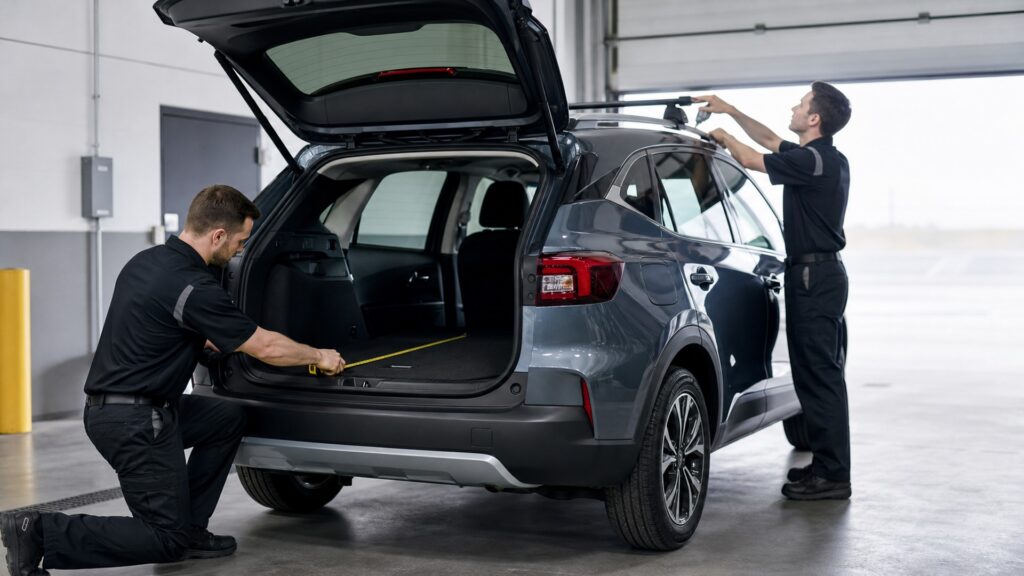
compact suvs explainer hero image for Review Streets
What You'll Learn

Check the Complete Arrangement Before Calling It a Fit

A compact cabin and exterior make practical clearances especially worth testing.

  • Identify the model year, powertrain, trim, and relevant equipment.
  • Try restraints and passengers with normal seat positions.
  • Test bulky cargo through the actual opening.
  • Verify accessory mounting and component specifications.
  • Retain control movement, access, and loading compliance.

Tip: A shared model name does not prove that every body, powertrain, or equipment variant accepts the same accessory.

Definitions

Six Fitment Checks for a Compact SUV

Each check catches a different kind of mismatch.

Exact application

The vehicle versions for which a part or accessory is specified.

  • Example: A cargo liner matches one floor layout but not another.
  • Check: Read the year, variant, and equipment exclusions.
  • Limit: Exterior resemblance does not establish compatibility.

Occupant compatibility

The ability to seat and restrain the intended people correctly in the chosen arrangement.

  • Example: A rear-facing child seat leaves the front occupant a permitted seating position.
  • Check: Follow both restraint and vehicle instructions.
  • Limit: Nominal seating capacity does not prove the arrangement fits.

Opening clearance

Space available to move an item through a door or tailgate.

  • Example: A box must pass the opening before it can occupy the cargo floor.
  • Check: Test the item’s route into the vehicle.
  • Limit: Interior volume alone does not describe the opening.

Operating clearance

Space needed for controls, seats, doors, and equipment to move normally.

  • Example: A floor mat stays clear of pedal travel.
  • Check: Check the full required motion and retention.
  • Limit: A stationary fit may still block a necessary function.

Mounting interface

The specified attachment points and hardware joining equipment to the vehicle.

  • Example: Roof bars match the fitted rail or roof arrangement.
  • Check: Use the approved application and fitting instructions.
  • Limit: An approximate match is not permission to force the attachment.

Rated-use fit

Suitability of the complete arrangement within relevant weight and operating limits.

  • Example: A rack and its load comply with both rack and vehicle requirements.
  • Check: Include accessory weight and all applicable restrictions.
  • Limit: A higher accessory rating cannot raise a lower vehicle limit.

Tip: The arrangement must pass every relevant check at the same time.

Identify the version

Resolve the Application Before Buying Parts

Model families may contain gasoline, hybrid, and electric versions with different floor layouts or equipment. Trim, model year, roof provisions, and factory options can also affect fitment. Give the supplier complete details and resolve exclusions before installation rather than relying on a photo or another owner’s experience.

  • Record the exact year and variant.
  • Identify factory rails, hitch provisions, and other relevant options.
  • Confirm compatibility with the manufacturer or supplier when uncertain.

A mat or cargo tray that fits one version may not suit another floor or seat arrangement. A correct application check can prevent interference that is not obvious from an exterior view.

Fit people first

Try the Household’s Seating Arrangement as a Whole

Install the intended restraints in permitted positions and set the front seats for the people who normally use them. Check belt access, entry, and the space each person needs. Only then evaluate the remaining luggage area, keeping required passenger positions available.

  • Use the restraint and vehicle instructions together.
  • Check the complete arrangement rather than one seat at a time.
  • Seek qualified installation help if correct fit is uncertain.

Two child seats may each fit individually yet create a problem when installed together with another passenger. The relevant test is the final combined arrangement, including access to buckles.

Move the real cargo

Test Shape, Openings, and Parking Access

A compact SUV’s cargo capacity is useful only if the intended items can be loaded and secured. Test representative bulky objects, the tailgate opening, and floor shape. Consider the room outside the vehicle needed to lift or maneuver them, including liftgate clearance at home.

  • Keep the seats in the layout required for the trip.
  • Check the route through the opening as well as the final position.
  • Preserve visibility and required access after loading.

A stroller may sit neatly on the cargo floor once inside but be awkward to pass through the opening. A loading trial reveals whether that inconvenience will repeat every day.

Add equipment correctly

Match Hardware and Specifications Together

Roof carriers, hitch racks, wheels, tires, and mats each have application-specific requirements. Confirm their mounting method, dimensions, ratings, and required clearances. Use approved hardware and instructions, and obtain qualified help for work beyond permitted owner installation.

  • Check wheel and tire specifications beyond nominal diameter.
  • Include carrier weight when assessing its intended load.
  • Keep pedals, sensors, lights, and moving parts unobstructed.

A rack can attach correctly yet obscure a required light or interfere with the hatch. Successful mounting is evidence for only one part of overall suitability.

Final-use inspection

Recheck the Loaded Setup and Its Limits

After installation, test the arrangement as it will be used. Confirm passenger access, moving clearances, secured cargo, and the applicable loading limits. Added roof equipment may change overall height, while hitch equipment can change rear clearance and access. Reassess when the load or seating arrangement changes.

  • Check the vehicle and accessory instructions together.
  • Account for all added equipment and carried items.
  • Stop and resolve any interference instead of improvising around it.

A roof box that clears the garage while empty does not eliminate the need to check the complete setup and instructions. The goal is dependable use across the intended conditions, not just a successful first installation.

Quick Reality Check

Physical Fit and Practical Compatibility

A part can occupy space without satisfying the full use requirement.

A physical fit may establish…

That an item can reach a mounting point or sit inside an opening.

That its dimensions appear close to the available space.

Practical compatibility also needs…

Correct application, secure attachment, preserved movement, and occupant access.

Permitted loads and compliance with vehicle and accessory instructions.

Common Myths

Misconceptions About Compact SUV Fitment

Small mismatches can have consequences beyond appearance.

Will all accessories for the model name fit every version?

No. Check year, powertrain, trim, floor layout, and relevant equipment.

Does a wide rear bench guarantee child-seat compatibility?

No. Correct installation, geometry, and buckle access still need testing.

Can a stronger rack increase the SUV’s carrying limit?

No. The complete arrangement must satisfy every applicable limit.

Is a nearly fitting part acceptable after improvised modification?

Do not assume so. Verify an approved solution instead of forcing or altering an uncertain application.

Tip: Confirm suitability before purchase where possible, and again after installation in the intended arrangement.

FAQ

Questions Before Buying Accessories or Choosing a Vehicle

Use exact details and real objects to reduce uncertainty.

What information should I give a supplier?

The model year, variant, relevant equipment, and intended use or load.

Should I bring bulky items to a viewing?

Where practical, try representative items with the required seats occupied or retained.

What changes after fitting a roof carrier?

Recheck height, mounting, combined weight, access, and operating restrictions.

What if fitment instructions conflict with how the item appears to fit?

Follow the verified application and instructions; ask the supplier or a qualified installer to resolve the mismatch before use.

Bottom Line

Compact SUV fitment is the agreement of application, space, function, attachment, and limits.

Test the real people and load, confirm exact parts, and inspect the finished arrangement before relying on it.

Next Steps

Go Deeper or Compare Your Options

Use these Review Streets paths to compare related categories and practical next decisions.

Vehicles

Compare related vehicle choices against the same carrying needs and driving routine.

SUVs

Compare related vehicle choices against the same carrying needs and driving routine.

Compact SUVs

Explore Compact SUVs with your passenger, cargo, and ownership requirements in mind.

Further reading: Child-restraint installation guidance; Tire specifications and care; Vehicle-specific manuals; Towing and equipment information. Use the owner’s manual for the exact vehicle’s instructions and limits.